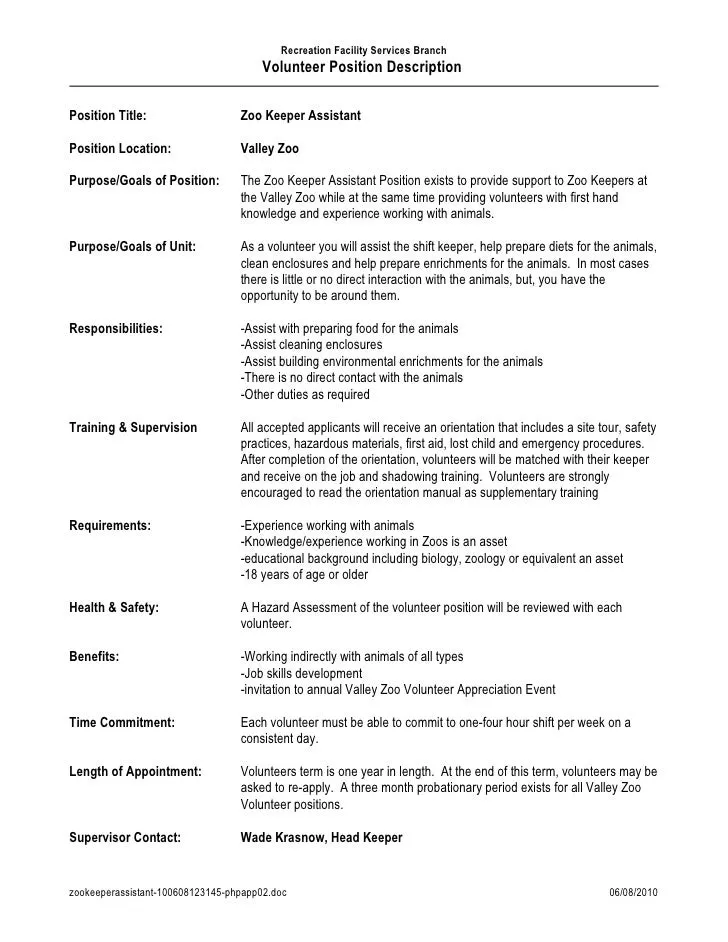
Zoo Keeper Cover Letter Secrets Get Hired
Crafting a compelling zoo keeper cover letter is the first step toward landing your dream job. In a competitive field, a well-written cover letter can be the difference between your application being noticed or overlooked. This guide will provide you with the secrets to creating a cover letter that showcases your passion, experience, and skills, ultimately helping you get hired. We’ll delve into key strategies for highlighting your qualifications, tailoring your letter to specific job requirements, and making a lasting impression on potential employers. Remember that your cover letter is your chance to shine, demonstrating why you are the ideal candidate for the zoo keeper position. Let’s get started on creating a cover letter that opens doors to exciting opportunities in animal care.
Highlighting Your Passion for Animals
Your passion for animals is the cornerstone of any successful zoo keeper cover letter. This is your opportunity to demonstrate your genuine enthusiasm and dedication to animal welfare. Begin by clearly stating your love for animals and your specific interest in working with them in a zoo environment. Share what motivates you to pursue a career as a zoo keeper – is it the opportunity to care for diverse species, contribute to conservation efforts, or educate the public? Use vivid language and specific examples to illustrate your passion. Mention any personal experiences, such as volunteering at animal shelters, participating in wildlife rehabilitation programs, or simply spending time observing animals in their natural habitats. This demonstrates not only your interest but also your commitment to animal care and well-being. The goal is to make the hiring manager feel your genuine enthusiasm for the role and the animals you’ll be working with.
Showcasing Relevant Experience

Employers seek candidates with relevant experience. Highlight any previous experiences that demonstrate your ability to care for animals. This is where you can provide specific examples of your hands-on experience, showcasing your ability to handle various tasks related to animal care and welfare. This section should include detailed descriptions of your responsibilities, the types of animals you’ve worked with, and the specific skills you’ve developed. Quantify your achievements whenever possible, for example, by mentioning the number of animals you cared for or any improvements you implemented in animal care protocols. Use action verbs to describe your accomplishments, such as ‘supervised,’ ‘maintained,’ ‘administered,’ and ‘monitored.’ Remember that experience is a crucial factor in determining whether you will get hired, so be sure to showcase all experience that is relevant to your zoo keeper application.
Previous Animal Care Experience
Detailing your past animal care experience is crucial. If you’ve worked in animal shelters, veterinary clinics, or wildlife sanctuaries, be sure to mention these experiences. Describe the tasks you performed, such as feeding, cleaning enclosures, administering medications, and observing animal behavior. Highlight any specific skills you developed, like the ability to identify signs of illness or injury or the ability to handle different types of animals. Include any certifications or training you’ve received related to animal care. Even experiences outside of formal settings can be valuable. Volunteering at a local animal rescue or helping a neighbor care for their pets demonstrates your commitment to animal care, and you should include these experiences in your application, as well.
Experience with Animal Handling
Direct experience in animal handling is highly valued. If you’ve worked with specific species or in environments that require animal handling skills, emphasize these experiences. Provide detailed descriptions of your responsibilities, including feeding, cleaning, and assisting with medical treatments. Highlight your ability to safely and effectively handle animals of different sizes, temperaments, and species. Mention any training you’ve received in animal handling techniques, such as positive reinforcement or the use of specialized equipment. If you have experience in animal training or enrichment activities, definitely include that. Showcasing your experience in animal handling will demonstrate your preparedness to work in a zoo environment and your ability to perform the essential duties of a zoo keeper.
Demonstrating Key Skills

Zoo keepers must possess a range of essential skills. Highlight your skills by providing specific examples of how you’ve used them in the past. This section should showcase skills that are relevant to the job duties outlined in the job description. Some key skills to demonstrate are communication, observation skills, and physical stamina and ability. Tailor this section to match the specific skills requested in the job description. Ensure that your skills align with the job requirements, and that you provide concrete examples of how you have used these skills in previous roles. The goal is to convince the hiring manager that you are not only qualified but also a great fit for the zoo keeper position.
Communication Skills
Effective communication is vital for zoo keepers. Detail your ability to communicate clearly with colleagues, supervisors, and the public. Provide examples of your experience in explaining animal care procedures or educating visitors about animal species and conservation. Describe your experience in communicating complex information in a way that is easy to understand. This may include preparing educational materials, leading tours, or answering questions from the public. Highlight any public speaking experience you have. Emphasize your ability to communicate effectively in both written and verbal forms. Strong communication skills enhance your ability to work collaboratively with others and contribute to a positive environment.
Observation Skills
Keen observation skills are necessary for monitoring animal health and behavior. Highlight your ability to detect subtle changes in animal behavior, health, or environment. Provide examples of instances where you’ve identified signs of illness or stress in animals. Describe the actions you took based on your observations. Include your experience in recording and documenting animal behavior or health data. Mention any training you’ve had in animal behavior or ethology. Your ability to recognize subtle changes in an animal’s condition is critical for their care and well-being. Emphasize your ability to maintain accurate records and use your observational skills to ensure a healthy environment for the animals.
Physical Stamina and Ability

The role of a zoo keeper is physically demanding. Highlight your physical fitness and ability to perform the job’s physical requirements. Demonstrate your ability to lift heavy objects, stand for extended periods, and work outdoors in various weather conditions. Mention any physical activities or sports that contribute to your fitness. Be honest and realistic about your physical capabilities. It’s important to mention any experience you have working in physically demanding environments, such as construction or landscaping. If you have any physical limitations, be transparent and explain how you can still perform the essential functions of the job. Provide details on your ability to meet the physical demands of the zoo keeper position.
Tailoring Your Cover Letter
Tailoring your cover letter to each job application significantly increases your chances of success. Read the job description carefully and identify the key requirements. Customize your cover letter to address these specific requirements. Use the same keywords and phrases from the job description to show that you have the necessary skills and experience. Avoid sending a generic cover letter – personalize it to show your interest in the specific zoo and the position. Research the zoo and its mission to understand its goals. This tailored approach will demonstrate your genuine interest in the specific job opening and will show the hiring manager that you’ve put in the effort to understand their needs.
Researching the Zoo and Its Mission
Before you start writing, research the zoo to show that you understand its mission, values, and programs. Visit the zoo’s website, read its mission statement, and explore its conservation efforts. Identify any specific species or projects that align with your interests. Include these details in your cover letter to demonstrate your genuine interest in the organization. Mention any recent achievements, awards, or initiatives undertaken by the zoo. This shows you are enthusiastic and engaged with their work. Tailoring your letter based on their mission statement and programs demonstrates your genuine interest and commitment to their specific goals and values.
Addressing Specific Job Requirements

Review the job description carefully and address each requirement directly. Provide specific examples of how your skills and experience meet each of the required qualifications. Use keywords and phrases from the job description throughout your cover letter. If the job posting emphasizes experience with a specific animal species or specialized equipment, make sure to highlight your relevant experience. Demonstrate how you have used those skills or worked with those species in the past. Also, consider the zoo’s unique environment or programs, and include how you’d be a valuable asset to those operations. Make sure your cover letter speaks directly to the employer’s needs and expectations.
Proofreading and Formatting
Proofread your cover letter meticulously. Errors in grammar, spelling, and punctuation can create a negative impression. Check your letter multiple times, ideally using a different medium, such as printing it and reading it on paper, to catch any mistakes. Ensure that your cover letter is free of typos and grammatical errors. Pay attention to the layout and formatting of your cover letter. Use a professional font, maintain consistent spacing, and keep your letter concise and easy to read. Ensure your contact information is up-to-date and easily visible. A well-formatted and error-free cover letter shows your attention to detail and professionalism.
Call to Action and Follow-Up
Conclude your cover letter with a strong call to action. Express your eagerness to interview for the position and your enthusiasm for the opportunity. Reiterate your interest and highlight your key qualifications once more. Provide your contact information and state your availability for an interview. After submitting your application, follow up with the zoo. Send a brief email to the hiring manager to confirm receipt of your application and reiterate your interest in the position. This shows initiative and enthusiasm. In the follow-up email, re-emphasize your qualifications and reiterate your strong interest in the position. Remember that a well-crafted cover letter and follow-up strategy can make a big difference in the hiring process.