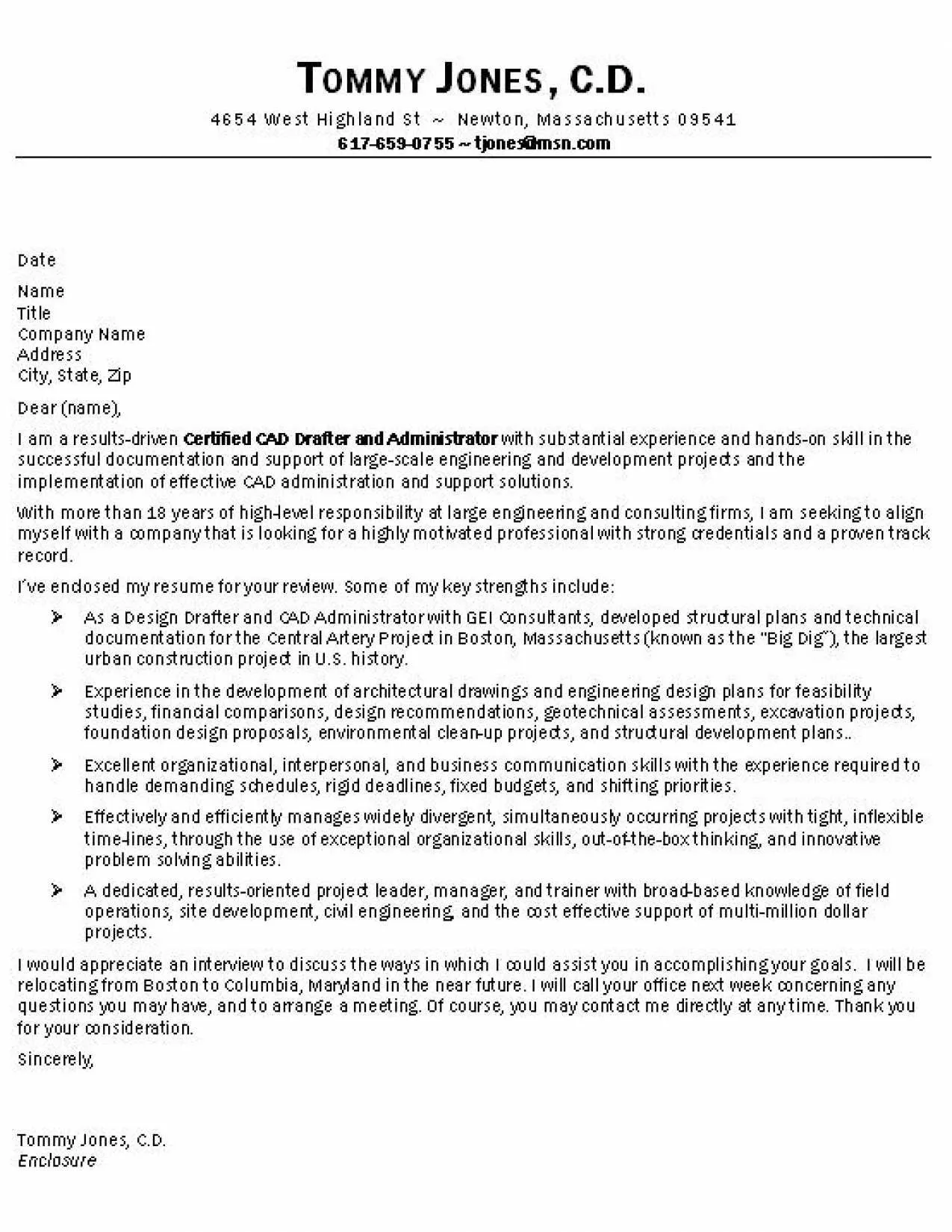
Cover Letter Essentials Overview
A cover letter is your first introduction to a potential employer. It’s a crucial document that provides a snapshot of your skills, experience, and personality, complementing your resume. Crafting an effective cover letter can significantly increase your chances of landing an interview. This guide will outline the seven essential components you must include to create a compelling cover letter that grabs attention and showcases your suitability for the job.
Contact Information
Accurate contact information is the cornerstone of any professional correspondence. Without it, the hiring manager can’t reach you. Your cover letter should clearly display both your and the recipient’s contact details. This simple act ensures ease of communication and demonstrates your attention to detail.
Your Name and Contact Details

At the top of your cover letter, include your full name, address, phone number, and email address. This information should be easily visible and formatted consistently with your resume. Make sure your email address sounds professional, avoid using nicknames or informal terms. This ensures the hiring manager knows how to contact you effortlessly.
Recipient’s Information
Directly below your information, include the hiring manager’s name, title, and the company’s address. If possible, find the name of the specific person who will be reviewing your application. Addressing the letter to a specific person shows you’ve done your research and that you are genuinely interested in the role.
Professional Greeting
The greeting sets the tone for your cover letter. It’s the first thing the hiring manager sees. A well-crafted greeting shows respect and professionalism. Avoid generic greetings and aim for something more personalized to make a positive first impression.
Personalized Salutation

Use a professional greeting. ‘Dear Mr./Ms./Mx. [Last Name]’ is a good choice if you know the hiring manager’s name. If you’re unsure of the name, ‘Dear Hiring Manager’ is acceptable. Avoid overly casual greetings, such as ‘Hi’ or ‘Hello’, as they may appear unprofessional.
Address the Hiring Manager Directly
If you can find the hiring manager’s name, always use it. This shows you’ve taken the time to research and personalize your application. If you are unable to find a specific name, then “Dear Hiring Manager” is the next best option, making your cover letter feel less generic.
Opening Paragraph
Your opening paragraph is your chance to grab the hiring manager’s attention. It should state the position you’re applying for, where you found the job posting, and provide a brief statement of your interest and qualifications. This sets the stage for the rest of your letter.
Expressing Interest and Purpose

Start with a clear statement of your interest in the position. Mention the specific job title and where you saw the job posting (e.g., LinkedIn, company website). Briefly state why you’re interested in the role and the company, creating an immediate connection.
Mentioning the Specific Role
Clearly state the specific job title you’re applying for. This ensures the hiring manager immediately knows which position you are targeting. Include the job title exactly as it appears in the job posting to avoid any confusion.
Highlighting Key Qualifications
In your opening paragraph, briefly touch upon one or two of your most relevant qualifications. This gives the hiring manager a quick glimpse of why you are a strong candidate. Focus on skills or experiences that directly match the job requirements.
Body Paragraphs

The body paragraphs are the heart of your cover letter. They provide detailed examples of your skills and experience, demonstrating how you meet the job’s requirements. This section should be tailored to the specific job and company, showcasing your value proposition.
Demonstrating Value Proposition
Clearly articulate what you can bring to the company. Explain how your skills and experience align with the company’s needs and goals. This is where you show how you can solve the company’s problems and contribute to its success. What makes you different from other applicants? What special skills can you bring to the table? Why should they pick you?
Tailoring to Job Requirements
Carefully review the job description and highlight the skills and experiences that match the requirements. Provide specific examples that illustrate your abilities. Use keywords from the job description to show that you understand the role and the company’s needs. Tailoring your cover letter shows the hiring manager that you’ve thoroughly researched the position and are genuinely interested.
Using Keywords from Job Description

Incorporate keywords from the job description naturally throughout your cover letter. This helps the hiring manager quickly see that you have the qualifications they are looking for. Avoid keyword stuffing, which can make your letter sound unnatural. Use keywords strategically within your sentences to enhance readability.
Highlighting Relevant Experience
Share relevant work experience in detail. Describe your accomplishments and how you added value to previous roles. Use the STAR method (Situation, Task, Action, Result) to provide context and demonstrate your achievements. Focus on experiences that directly relate to the job you’re applying for.
Providing Specific Examples
Back up your claims with specific examples. Instead of simply stating that you have strong communication skills, describe a situation where you effectively communicated with a team or a client to achieve a positive outcome. Quantify your achievements whenever possible, using numbers to showcase your results.
Showcasing Soft Skills

Mention relevant soft skills, such as communication, teamwork, problem-solving, and leadership. Give examples of how you have used these skills in your past roles. Soft skills are just as important as hard skills. Including these can illustrate your ability to work well with others and adapt to different situations.
Call to Action and Closing
Your closing paragraph should include a call to action, expressing your interest in an interview, and a professional closing. This leaves the hiring manager with a clear understanding of your next steps.
Expressing Enthusiasm
Reiterate your enthusiasm for the role and the company. This shows you are genuinely interested. Avoid generic phrases and instead express your genuine interest. It makes you stand out from the other applicants.
Requesting an Interview
Clearly state your desire for an interview. Make it easy for the hiring manager to take the next step. Providing your contact information again at the end of the cover letter is an option to avoid the hiring manager having to scroll back to the top. This is the final step in the process.
Thanking the Reader
Express your gratitude for the hiring manager’s time and consideration. A simple “Thank you for your time” is a respectful way to end your letter. It shows that you value their attention and respect their time.
Professional Closing
Use a professional closing, such as ‘Sincerely,’ ‘Best regards,’ or ‘Yours sincerely.’ Avoid casual closings. Your closing should be consistent with the tone of the rest of your cover letter. You should then sign off with your full name.
Proper Formatting and Proofreading
Formatting and proofreading are essential for creating a polished cover letter. Proper formatting makes your letter easy to read, while proofreading ensures there are no errors that could detract from your application.
Font and Layout Guidelines
Use a professional font, such as Times New Roman, Arial, or Calibri, in a readable size (11 or 12 points). Maintain consistent formatting throughout your letter. Use single spacing with a space between paragraphs. Make sure your letter is easy to read and visually appealing.
Proofreading for Errors
Carefully proofread your cover letter for any grammatical errors, spelling mistakes, or typos. Ask someone else to review your letter as well. A well-written cover letter is free of errors and presents you as a detail-oriented candidate. Make sure your sentences are concise and clear, and that you use the correct grammar.