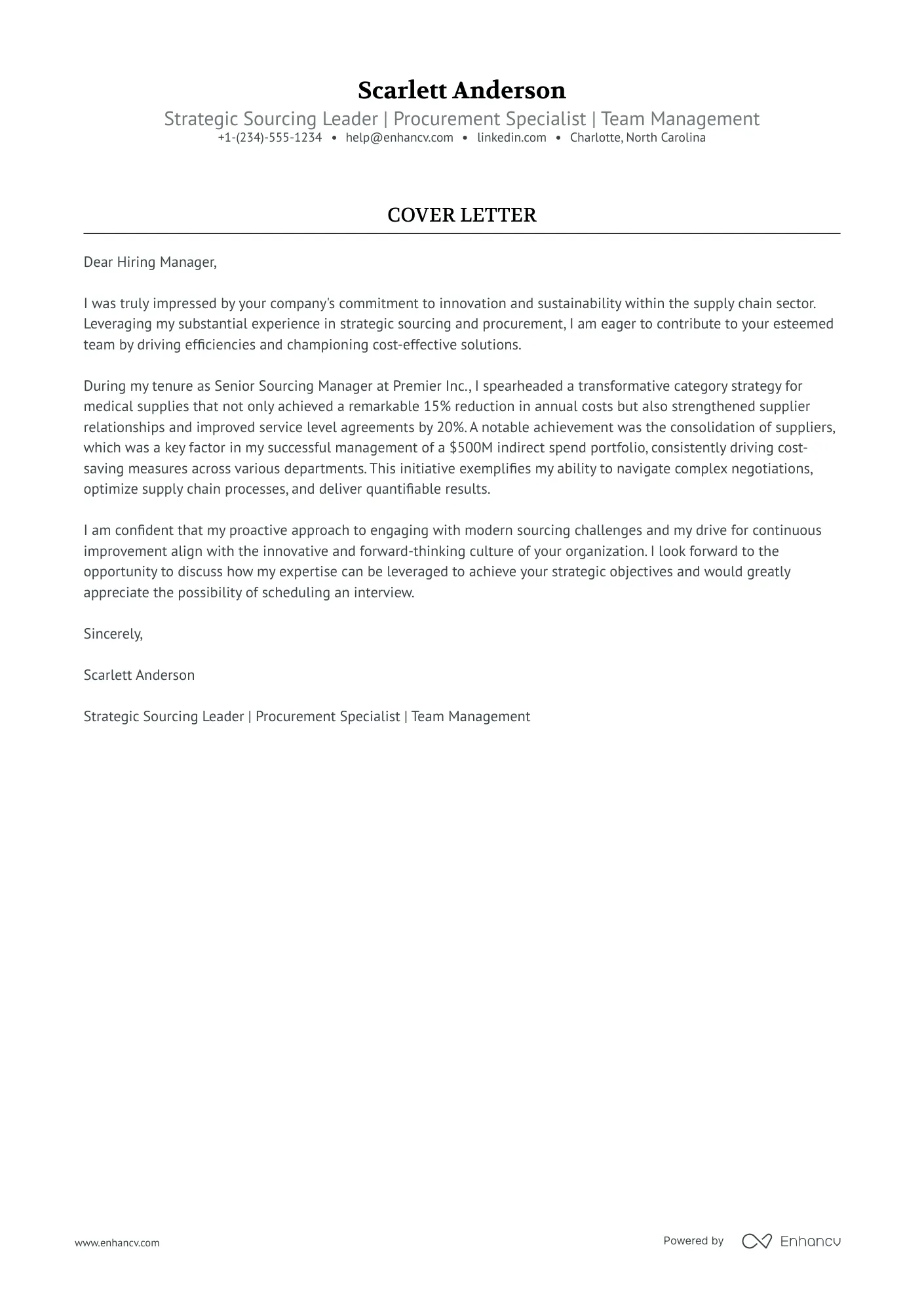
Team Member Cover Letter Key Elements
A compelling team member cover letter is your first opportunity to make a positive impression on a potential employer. It complements your resume, providing a narrative that showcases your qualifications, personality, and enthusiasm for the role. A well-crafted cover letter significantly increases your chances of securing an interview. This guide will walk you through the essential components of a successful team member cover letter, ensuring you stand out from the competition and impress hiring managers. Remember, the goal is to demonstrate how your skills and experiences align with the specific requirements of the job and the values of the company.
Formatting Your Cover Letter
Proper formatting is crucial for readability and professionalism. A well-formatted cover letter is easy on the eyes and reflects attention to detail. Use a standard font like Times New Roman, Arial, or Calibri in a 10-12 point size. Maintain consistent margins (typically 1 inch) on all sides. Ensure that your letter is single-spaced with a space between paragraphs. Avoid excessive use of bolding, italics, or underlining. Keep the tone professional and the layout clean. Formatting your cover letter effectively sets a positive first impression, demonstrating that you respect the employer’s time and attention.
Contact Information

At the top of your cover letter, include your contact information: your full name, phone number, email address, and optionally, your LinkedIn profile URL. This allows the hiring manager to easily reach you. Make sure your email address is professional; avoid using nicknames or informal language. Double-check all information for accuracy before submitting. This straightforward section provides the recruiter with immediate access to your contact details, streamlining the process if they wish to contact you for further steps.
Date and Salutation
Below your contact information, include the date. Then, address the hiring manager or the specific person mentioned in the job posting. If a name isn’t provided, use a professional salutation like “Dear Hiring Manager” or “Dear [Company Name] Team.” Avoid generic greetings like “To Whom It May Concern.” Addressing the recipient by name shows that you’ve taken the time to research the company and personalize your application. This attention to detail reflects your interest and professionalism.
Body Paragraph Structure
The body of your cover letter should consist of 3-4 well-structured paragraphs. Each paragraph should have a clear focus. The first paragraph should grab the reader’s attention, the second should highlight your skills and experience, the third should discuss your knowledge of the company and the fourth should close with a call to action. Each paragraph should be concise and to the point. Maintain a professional tone throughout your entire cover letter. Organizing your cover letter’s body paragraphs correctly helps you convey your points clearly and effectively.
Opening Paragraph

Your opening paragraph is your opportunity to capture the reader’s attention. Start by stating the position you’re applying for and where you found the job posting. Briefly mention something that initially attracted you to the role or company. This demonstrates your enthusiasm and helps the hiring manager understand your motivation. You can mention something specific about the role that you are interested in, showing your desire to become part of the team and contribute to the company’s success.
Highlighting Skills and Experience
In your second paragraph, provide a brief overview of your relevant skills and experience. Focus on the qualifications that directly match the job description. Use specific examples from your past experiences to illustrate how you have successfully utilized these skills. Quantify your achievements whenever possible (e.g., “Increased sales by 15%,” “Managed a team of five employees”). This section should convince the reader that you possess the necessary skills to excel in the role, aligning your experiences with the job’s requirements.
Demonstrating Company Knowledge
Show that you’ve done your research by mentioning what you admire about the company. Discuss how your values align with the company’s mission, products, or services. This indicates a genuine interest beyond just getting a job. Briefly mention something specific about the company culture or their recent accomplishments that resonate with you. Tailoring your cover letter to the specific company increases your chances of a positive response, showcasing that you have taken the initiative to know more about them and your desire to become part of the company’s mission.
Closing Paragraph

Conclude your cover letter with a strong closing paragraph. Reiterate your interest in the position and express your enthusiasm for the opportunity. Include a call to action, such as requesting an interview. Thank the hiring manager for their time and consideration. Offer to provide any additional information needed. A well-crafted closing paragraph leaves the reader with a positive impression and encourages them to move forward with your application, demonstrating confidence and your eagerness to move forward with the hiring process.
Proofreading and Editing
Before submitting your cover letter, carefully proofread and edit it for any errors. Check for spelling mistakes, grammatical errors, and typos. Ensure the language is clear, concise, and professional. Read your cover letter out loud to catch any awkward phrasing. Consider having a friend or colleague review your letter for a second opinion. A polished and error-free cover letter reflects attention to detail and professionalism. It is always a good idea to proofread your documents as the first impression can be compromised due to any potential errors.
Common Mistakes to Avoid
Avoiding common mistakes can significantly improve your cover letter. These pitfalls can undermine your application and reduce your chances of getting an interview. Knowing what to avoid allows you to present yourself in the best possible light and stand out from other candidates. By paying close attention to the details, you can increase your chances of securing your desired role. The following guidelines are essential to follow.
Generic Language

Avoid using generic language that could apply to any job or company. Tailor your cover letter to the specific role and company. Use specific examples from your experiences that demonstrate your skills and align with the job requirements. Generic cover letters suggest a lack of interest and can be easily dismissed. Customize your cover letter based on the specific role, as generic language can be perceived as a lack of genuine interest in the position.
Typos and Grammatical Errors
Typos and grammatical errors can damage your credibility and reflect a lack of attention to detail. Always proofread your cover letter carefully, and consider using a grammar checker. Errors make a poor first impression and suggest you may not be thorough in your work. Thorough proofreading ensures that your cover letter is clear, concise, and polished, reflecting your commitment to professionalism.
Focusing Solely on Yourself
While you should highlight your skills and experiences, avoid making your cover letter all about yourself. Focus on how your skills and experience can benefit the company. Connect your qualifications to the company’s needs. Show how you can contribute to their success. A cover letter that focuses on the employer’s needs is more likely to resonate and get a positive response, highlighting how your skills and experiences can contribute to the organization’s success.
Lack of Enthusiasm

Show enthusiasm for the role and the company. Express your genuine interest in the opportunity. Avoid using passive language. Your enthusiasm should shine through, demonstrating your passion and desire to join the team. Enthusiasm is contagious and makes you a more appealing candidate, showcasing your passion and desire to join the company.
Making a Strong Impression
To make a strong impression, you must go beyond the basics. Crafting a cover letter that captivates the hiring manager requires attention to detail, personalization, and a clear demonstration of how you can contribute to the company. From tailoring your cover letter to using action verbs, these strategies can significantly increase your chances of securing an interview. Crafting a compelling cover letter requires meticulous attention to detail and a proactive approach. By showing your interest, you increase your chances of landing an interview.
Tailoring to the Specific Role
Customize your cover letter for each job application. Review the job description carefully and highlight the skills and experiences that are most relevant. Use keywords from the job description. Customize your cover letter for each job application, and you’ll ensure that your skills align with the job requirements. Generic cover letters are easily detected and often discarded. Personalizing your letter ensures that the hiring manager sees you as a great match for the role.
Using Action Verbs

Use action verbs to describe your accomplishments and responsibilities. Action verbs make your cover letter more engaging and dynamic. Examples include “managed,” “led,” “developed,” “implemented,” and “achieved.” Using strong action verbs helps to showcase your skills and accomplishments in a compelling and memorable way. Using action verbs helps to make your cover letter more engaging, showcasing your contributions and impact in prior roles.
Showcasing Personality
While maintaining a professional tone, let your personality shine through. Include a brief, relevant anecdote or a statement about your work ethic or passion for the field. Your personality can help you stand out. This adds a personal touch and helps the hiring manager get a sense of who you are beyond your qualifications. This enables the hiring manager to gauge your personality and see if you would fit well with the team, showcasing your authentic self.
Follow-up Strategies
Following up after submitting your cover letter and resume is a good practice. It demonstrates your continued interest in the role. Send a polite email or make a phone call a week or two after submitting your application. Thank the hiring manager for their time and reiterate your interest in the position. Briefly mention a key qualification that you have. Following up indicates your eagerness and dedication, potentially increasing your chances of landing an interview. This shows that you are actively engaged in the hiring process.