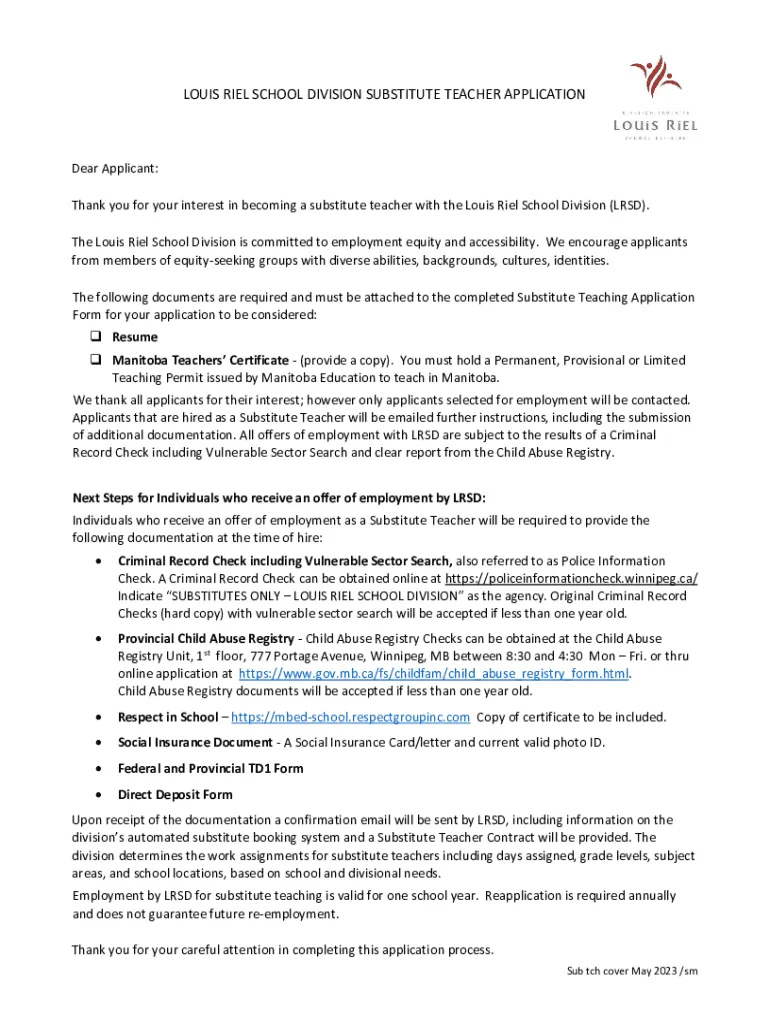
Understand the Purpose of a Substitute Teaching Cover Letter
A substitute teaching cover letter is more than just a formality it’s your first impression and your opportunity to showcase your suitability for the role. Unlike a resume, which provides a factual overview of your background, a cover letter allows you to express your personality, enthusiasm, and specific qualifications in a way that a resume alone cannot. Think of it as your personal sales pitch, aimed at convincing the hiring manager that you are the right person to step into a classroom and facilitate learning. It also allows you to explain any gaps in employment or career changes, and highlight your relevant skills and experiences in context of the role. A well-crafted cover letter shows that you’ve taken the time to understand the position, the school district, and the needs of the students. This document is the key to secure your interview.
Highlight Your Qualifications
Your cover letter needs to quickly and clearly communicate your relevant qualifications. This begins with the basics such as any teaching certifications or licenses you hold, the grades or subjects you’re authorized to teach, and any specialized training, such as special education experience or ESL certifications. Be sure to specify if you hold a valid teaching license. Explicitly stating these qualifications upfront ensures that the hiring manager immediately understands your eligibility. If you are in the process of obtaining a license, clearly state the expected completion date. Also mention any degrees and major fields of study, which could be relevant to your suitability as a substitute teacher. This section should present your essential credentials, setting the stage for the more detailed discussion of your experience and skills that will follow.
Emphasize Relevant Experience

While a teaching license is crucial, your practical experience is what truly sets you apart. This is where you elaborate on your past roles, even if they weren’t specifically substitute teaching positions. Detail any experience working with children in an educational setting, such as volunteering in a school, assisting in a daycare, tutoring, or leading youth programs. Quantify your accomplishments whenever possible use numbers to demonstrate the impact of your work. For example, if you tutored students, mention the number of students you worked with and their grade levels. Focus on the results you achieved, such as improved test scores, increased student engagement, or the development of specific skills. This makes your claims more credible and illustrates the value you would bring to a substitute teaching role.
Showcase Your Skills
Beyond qualifications and experience, your cover letter must spotlight your skills. Identify the skills that make you an effective substitute teacher. These can include classroom management techniques, such as maintaining a positive and structured learning environment and managing disruptive behavior. Highlight your ability to adapt to new situations, since substitute teachers must step into various classrooms with diverse needs. Communication skills are also crucial mention your ability to communicate clearly with students, teachers, and parents. Organizational skills are also critical to maintain order and follow lesson plans. Mention your patience, empathy, and ability to build rapport with students. Ensure the skills you mention are consistent with the job description.
Tailor Your Cover Letter
Generic cover letters are easily spotted and rarely make a strong impression. To stand out, always tailor your cover letter to each specific job and school district. Research the school district, its mission, and any special programs it offers. If you can, find out about the school’s values and mention how your skills and experience align with those values. Address your letter to the hiring manager by name; a quick search on the school’s website or LinkedIn can often provide this information. Modify your cover letter to reflect the specific requirements mentioned in the job posting. By demonstrating that you understand the unique needs of the school and the position, you increase your chances of landing an interview.
Structure Your Cover Letter

Header and Contact Information
Start with a professional header including your name, address, phone number, and email address. Make sure your contact information is current and that your email address is professional. Directly below your contact information, include the date and the hiring manager’s name, title, and the school’s address. This ensures that your letter is correctly addressed and looks organized.
Greeting and Introduction
Begin with a professional greeting, such as Dear Mr./Ms. [Last Name]. The introduction should briefly state the position you’re applying for and where you saw the job posting. Immediately express your enthusiasm for the opportunity and the school. This is your chance to grab the reader’s attention and make them want to continue reading. Keep it concise, and focus on showing your interest and introducing yourself as a qualified candidate.
Body Paragraphs

The body of your letter is where you showcase your qualifications, experience, and skills in detail. Use one or two paragraphs to highlight your most relevant experiences, connecting them to the needs of the school. Explain what makes you the ideal candidate for the position by including specific examples of your achievements and skills. The body paragraphs are an opportunity to elaborate on your skills and show your understanding of the role of a substitute teacher. Show how you would approach different scenarios. Always tailor the content to the specific needs of the school, as this demonstrates that you’ve carefully considered the position and are invested in the school’s success.
Closing and Call to Action
Conclude your cover letter with a strong call to action. Thank the hiring manager for their time and consideration. Reiterate your interest in the position and express your eagerness to discuss your qualifications further in an interview. Provide your contact information again, and end with a professional closing, such as Sincerely or Best regards, followed by your full name. Your closing needs to be confident and leave the reader with a positive impression.
Proofread and Edit
Before submitting your cover letter, proofread it carefully for any errors in grammar, spelling, and punctuation. Mistakes can make a negative impression and undermine your professionalism. Have someone else review your letter; a fresh pair of eyes can catch errors you might have missed. Ensure that the formatting is consistent and that your cover letter is easy to read. A well-written and error-free cover letter demonstrates attention to detail, which is important in any teaching role. A polished cover letter shows you care about the details.
Common Mistakes to Avoid

Generic Language
Avoid using generic phrases and clichés that could apply to any job applicant. Statements like I am a hard worker or I am a team player are vague. Instead, provide specific examples that demonstrate your skills and experience. Using tailored, specific language that relates to the role of a substitute teacher shows that you have thoughtfully considered the position and have a clear understanding of the job requirements. Always replace generic statements with concrete examples and demonstrate how your qualifications align with the school’s needs.
Typos and Grammatical Errors
Typos and grammatical errors can instantly undermine your credibility. They suggest a lack of attention to detail and a lack of professionalism. Always proofread your cover letter meticulously before submitting it. Use spell-check and grammar-check tools, but do not rely on them entirely. Have someone else review your letter; a second pair of eyes is very helpful in catching errors you might miss. Take your time to ensure that your writing is clear, concise, and free of errors. A polished and error-free cover letter makes a positive impression on the hiring manager.
Focusing Solely on Yourself

While your cover letter is about you, it should not solely focus on your needs and desires. Instead, highlight how your skills and experience can benefit the school and its students. Show that you understand the school’s mission, values, and the challenges the students face. Emphasize how you can contribute to the school community and support its goals. Demonstrate that you have considered the needs of the school, and explain how you can address them. Focus on the school’s needs and show your enthusiasm for the opportunity.
Lack of Enthusiasm
Substitute teaching requires enthusiasm and a positive attitude. Your cover letter should convey your genuine interest in the position and the school. Avoid sounding indifferent or overly formal. Use language that expresses your excitement about the opportunity to work with students and contribute to their learning. Share your enthusiasm and mention how you would make a positive impact in the classroom. A cover letter full of energy and a positive attitude is much more likely to capture the hiring manager’s attention and show you are the right candidate.
Additional Tips for Success
Research the School District

Demonstrate your interest by researching the school district. Visit the district’s website to learn about its mission, values, and programs. Try to find information on the school’s culture and any specific needs, initiatives, or challenges. If possible, learn about the hiring manager or principal. Tailor your cover letter to reflect your understanding of the district’s unique needs and show how your skills and experience can contribute to its goals. This research helps you show that you are genuinely interested in the position, and that you have taken the time to learn about the district.
Use Action Verbs
Use strong action verbs to describe your accomplishments and skills. Action verbs make your writing more dynamic and engaging. Instead of saying that you ‘had responsibility for managing the classroom’, say ‘Managed a classroom of 25 students’. Use action verbs to describe your achievements and experiences in a compelling way. This makes your cover letter more persuasive and memorable, allowing the hiring manager to understand your skills and contributions.
Keep it Concise
Substitute teaching cover letters should be concise and to the point. Hiring managers are busy, so they want to quickly assess whether you are a good fit. Keep your cover letter to a single page, and avoid unnecessary details or lengthy paragraphs. Focus on the most relevant information and use clear, straightforward language. Present your information in a well-organized and easy-to-read format. Being concise shows that you respect the hiring manager’s time and that you are efficient in your communication.
Follow Up
Follow up on your application within a week or two. Send a brief email to the hiring manager or school principal expressing your continued interest in the position. Mention the date you applied and reiterate your enthusiasm. Ask if they have received your application and if they have any questions. This follow-up shows your enthusiasm, attention to detail, and willingness to take initiative. It also ensures that your application has been received and helps you to keep yourself top of mind.