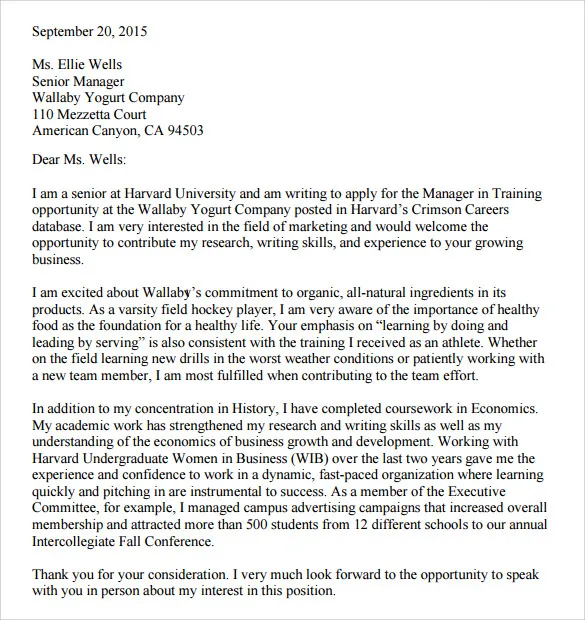
Why a Sample Cover Letter Matters
In the competitive job market, a well-crafted cover letter is your first opportunity to make a positive impression on a potential employer. It is not merely a formality; it’s a crucial tool for showcasing your personality, highlighting your skills, and demonstrating your genuine interest in the specific role and company. A strong sample cover letter acts as a personalized introduction, allowing you to elaborate on the information presented in your resume and provide context to your qualifications. It demonstrates your communication skills, attention to detail, and ability to align your experiences with the employer’s needs. A well-written cover letter can significantly increase your chances of securing an interview, setting the stage for a successful job application. By using a sample cover letter as a guide, you can tailor your application to each specific job, increasing your chances of getting noticed.
The Purpose of a Cover Letter
The primary purpose of a cover letter is to introduce yourself and explain why you are the perfect candidate for a job. It serves as a personalized introduction, giving you a chance to articulate your career goals, skills, and enthusiasm for the specific position and company. Unlike a resume, which provides a summary of your experience, a cover letter allows you to tell a story, connecting your past experiences to the future opportunities that the job offers. It allows you to elaborate on specific achievements, demonstrate your understanding of the company’s needs, and express your excitement about the prospect of joining their team. A well-written cover letter should complement your resume, providing context and highlighting the most relevant aspects of your experience. Ultimately, a compelling cover letter aims to convince the hiring manager to read your resume and, ideally, invite you for an interview.
How to Tailor Your Cover Letter

Customization is the key to a successful cover letter. Generic, mass-produced letters are easily spotted and often discarded. To impress hiring managers, you must tailor each letter to the specific job and company. Begin by carefully reviewing the job description, identifying the key skills and qualifications they are seeking. Then, use your cover letter to demonstrate how your experiences align with those requirements. Research the company to understand its mission, values, and recent achievements. Show how your skills and experiences align with the company’s culture and goals. When writing your letter, use keywords from the job description and provide specific examples of how you have utilized these skills in the past. This personalization demonstrates your genuine interest and allows you to create a compelling narrative that sets you apart from other applicants. A well-tailored cover letter shows you’ve invested time and effort in understanding the role and are serious about the opportunity.
Researching the Company
Before you start writing your cover letter, dedicate time to researching the company. Visit their website, explore their social media profiles, and read news articles about them. Understanding their mission, values, products, and recent achievements will help you tailor your letter and demonstrate your genuine interest. Identify the company’s current challenges and goals, and consider how your skills and experience can contribute to their success. Incorporate this information into your cover letter to show that you have done your homework and are prepared to contribute to the company’s success. Research also helps you to use appropriate language, showing that you understand the company’s culture and values. Demonstrating this knowledge from the beginning of your application can significantly increase your chances of getting noticed and remembered by the hiring manager.
Highlighting Relevant Skills
Once you understand the job requirements and the company, you can focus on highlighting the skills that align with their needs. Review the job description carefully and identify the key skills the employer is seeking. Then, provide specific examples from your experience where you have demonstrated these skills. Use action verbs to describe your accomplishments, and quantify your achievements whenever possible. For example, instead of saying, “I managed projects,” you might say, “I managed projects, delivering them on time and under budget, resulting in a 15% increase in efficiency.” By providing concrete examples, you demonstrate your ability to deliver results and showcase how your skills can benefit the company. Use the STAR method (Situation, Task, Action, Result) to structure your examples and provide a clear and compelling narrative.
Matching Skills to Job Requirements

The most effective cover letters directly correlate your skills with the job requirements. After identifying the key skills and qualifications listed in the job description, use your cover letter to explicitly state how your experience matches each requirement. Avoid simply listing your skills; instead, provide specific examples of how you have used these skills to achieve results in the past. If the job description emphasizes leadership, provide an example of a time when you led a team to success. If it requires strong communication skills, share a situation where your communication skills played a critical role in achieving a project goal. By directly connecting your skills to the employer’s needs, you demonstrate that you are a strong fit for the role and can quickly contribute to the company’s success. Ensure that each skill you highlight is relevant to the job and supported by specific examples.
The Anatomy of an Impressive Cover Letter
An effective cover letter follows a clear and logical structure. The opening paragraph should immediately capture the reader’s attention and state the position you are applying for, how you found the job, and why you are interested in the company. The body paragraphs should elaborate on your skills and experience, providing specific examples of your accomplishments and quantifying your results whenever possible. The letter should then demonstrate your enthusiasm and passion for the role and company. The final paragraph should reiterate your interest, express your gratitude for the reader’s time, and include a call to action, such as inviting them to review your resume and contact you for an interview. Throughout the letter, maintain a professional tone, and use a clear and concise writing style, avoiding jargon and clichés. Proofread your letter carefully for any errors in grammar or spelling.
Creating a Compelling Opening
The opening of your cover letter is crucial. It’s your first opportunity to grab the reader’s attention and make a strong impression. Avoid generic openings such as “To Whom It May Concern” or stating the obvious. Instead, personalize your greeting by addressing the hiring manager by name. In the first paragraph, clearly state the position you are applying for and how you learned about the opportunity. You can also briefly mention why you are interested in the company and the role, highlighting something specific that caught your eye. This demonstrates your genuine interest and sets the tone for the rest of your letter. A compelling opening should quickly convey your enthusiasm and showcase your understanding of the company and the job requirements. Consider starting with a brief anecdote or a strong statement about your relevant skills.
Showcasing Achievements and Experience

The body of your cover letter should provide specific examples of your achievements and experience. Don’t simply list your responsibilities; instead, focus on your accomplishments and the positive impact you have made in previous roles. Use the STAR method (Situation, Task, Action, Result) to structure your examples. First, describe the situation or challenge you faced. Then, explain the task you were assigned or the role you played. Detail the specific actions you took to address the situation. Finally, share the results you achieved, quantifying them whenever possible. By providing concrete examples, you demonstrate your ability to deliver results and showcase your skills in action. Tailor your examples to the job requirements, highlighting the most relevant aspects of your experience. Use strong action verbs to describe your accomplishments and make your letter engaging.
Quantifying Your Accomplishments
Whenever possible, quantify your accomplishments. Numbers and data make your achievements more tangible and impactful. Instead of saying, “Improved customer service,” say, “Improved customer satisfaction scores by 20% through the implementation of a new training program.” Instead of saying, “Increased sales,” state, “Increased sales by 15% within six months.” Quantifying your accomplishments demonstrates your ability to deliver results and provides concrete evidence of your skills and value. Use data to support your claims and show how you have made a difference in previous roles. This also helps to make your cover letter more compelling. Include specific numbers, percentages, or dollar amounts to highlight the impact of your work. Quantifying your accomplishments showcases your ability to contribute to the company’s success.
Demonstrating Your Enthusiasm
A cover letter is your chance to showcase your personality and enthusiasm for the role and company. Show your excitement by expressing your genuine interest in the opportunity. Mention specific aspects of the job or the company that appeal to you. Explain why you are excited about the prospect of joining their team and contributing to their goals. Research the company’s mission, values, and recent achievements to show that you have done your homework and are truly interested in the opportunity. Demonstrate your knowledge of the company’s products, services, or industry trends, and show how your skills and experience align with their needs. Your enthusiasm should be evident throughout your cover letter. It shows the hiring manager that you are genuinely interested in the role and are likely to be a motivated and engaged employee. End your letter with a confident and enthusiastic closing to reinforce your positive impression.
Closing Your Cover Letter Effectively

The closing paragraph of your cover letter is as important as the opening. It is your last chance to make a strong impression and leave the hiring manager with a positive image of you. Reiterate your interest in the position and the company, and express your gratitude for their time and consideration. Include a call to action, inviting the hiring manager to review your resume and contact you for an interview. Make it easy for them to take the next step by providing your contact information. Use a professional closing, such as “Sincerely” or “Best regards.” Keep the closing concise and to the point, reinforcing your enthusiasm and desire to learn more about the opportunity. A well-written closing paragraph will leave a lasting positive impression on the hiring manager.
Proofreading and Editing
Before submitting your cover letter, proofread and edit it carefully. Errors in grammar, spelling, and punctuation can undermine your credibility and make you look unprofessional. Read your letter aloud to catch any awkward phrasing or unclear sentences. Use a grammar checker to identify and correct any errors. Ask a friend or family member to proofread your letter as well. They may catch errors you have missed. Pay close attention to the details, ensuring that your formatting is consistent and your contact information is accurate. Proofreading is a critical step in the application process. It shows the hiring manager that you are attentive to detail and committed to producing high-quality work. A polished cover letter makes a positive first impression, increasing your chances of getting noticed.
Common Mistakes to Avoid in Cover Letters
Avoid common mistakes that can undermine your chances of getting an interview. These mistakes can include using generic phrases, ignoring the job description, sending a cover letter with typos, and providing too much or too little information. By avoiding these pitfalls, you can create a cover letter that showcases your skills and experience and makes a positive impression on the hiring manager. Take the time to tailor your letter to each job, providing specific examples of your accomplishments and demonstrating your enthusiasm for the role and company. Proofread carefully for any errors in grammar, spelling, or punctuation.
Using Generic Phrases

Avoid using generic phrases that do not provide any valuable information. Phrases such as “I am a team player” or “I am a hard worker” are overused and do not tell the hiring manager anything specific about your skills or qualifications. Instead, use concrete examples and provide evidence of your abilities. Quantify your achievements whenever possible and showcase your accomplishments through specific examples. Tailor your cover letter to the job, highlighting the skills and experiences that align with the job requirements. Generic phrases make your cover letter sound impersonal and unmemorable, so they should be avoided in favor of tailored, specific content that highlights your accomplishments.
Ignoring the Job Description
One of the most common mistakes in cover letter writing is ignoring the job description. Many candidates fail to tailor their letter to the specific requirements and responsibilities of the role. Instead, they submit a generic cover letter that does not address the employer’s needs. To avoid this mistake, carefully review the job description and identify the key skills and qualifications the employer is seeking. Then, use your cover letter to demonstrate how your experiences align with those requirements, providing specific examples of your accomplishments. Use keywords from the job description and provide evidence of your skills. Ignoring the job description shows a lack of attention to detail and a lack of genuine interest in the role. To impress hiring managers, you must demonstrate that you have the skills and experience needed to succeed in the position.
Sending a Cover Letter with Typos
Typos and grammatical errors are among the biggest mistakes you can make in a cover letter. They reflect poorly on your attention to detail and can give the impression that you are careless or unprofessional. Always proofread your cover letter carefully before submitting it. Use a grammar checker to identify and correct any errors. Read your letter aloud to catch any awkward phrasing or unclear sentences. Ask a friend or family member to proofread your letter as well. They may catch errors you have missed. Typos and grammatical errors are easily avoidable, and they can significantly impact your chances of getting an interview. Ensure that your cover letter is polished and professional.
Best Practices for Formatting

The formatting of your cover letter is as important as the content. Poor formatting can make your letter difficult to read and detract from your message. Follow best practices to ensure that your letter is professional and easy to navigate. Use a clear and readable font, such as Times New Roman, Arial, or Calibri. Use a font size of 11 or 12 points. Maintain consistent margins and spacing throughout your letter. Use headings and subheadings to break up the text and make it easier to read. Use bullet points to highlight key skills and achievements. Ensure that your formatting is consistent with your resume. A well-formatted cover letter demonstrates your attention to detail and commitment to producing high-quality work.
Choosing the Right Font and Size
Choosing the right font and size is crucial for the readability of your cover letter. Select a professional and easy-to-read font, such as Times New Roman, Arial, or Calibri. Avoid using overly stylized or unusual fonts, as they can be difficult to read and detract from your message. Use a font size of 11 or 12 points for the body text. This size is large enough to be easily read without being too overwhelming. Ensure consistency in your font choices throughout your cover letter. Use different font sizes and styles for headings and subheadings to create a clear visual hierarchy. The goal is to make your cover letter easy to read and visually appealing.
Formatting the Header and Footer
The header of your cover letter should include your contact information, such as your name, address, phone number, and email address. Ensure that your contact information is accurate and up-to-date. You can also include the date and the hiring manager’s name and title (if known). The footer can be used to include page numbers. Maintain a consistent layout throughout the header and footer. Your name and contact information should be prominently displayed in the header. Formatting the header and footer correctly ensures that your cover letter looks professional and easy to read.
The Importance of a Professional Tone
Maintain a professional tone throughout your cover letter. Use formal language and avoid slang, jargon, and contractions. Be polite and respectful in your communication. Demonstrate enthusiasm for the role and the company. Use a clear and concise writing style. Proofread your letter carefully for any errors in grammar, spelling, and punctuation. A professional tone is critical for making a positive impression on the hiring manager. It shows that you are serious about the opportunity and that you are a good communicator. Your cover letter is a reflection of your professionalism. Ensure that it is written in a way that makes you look good.