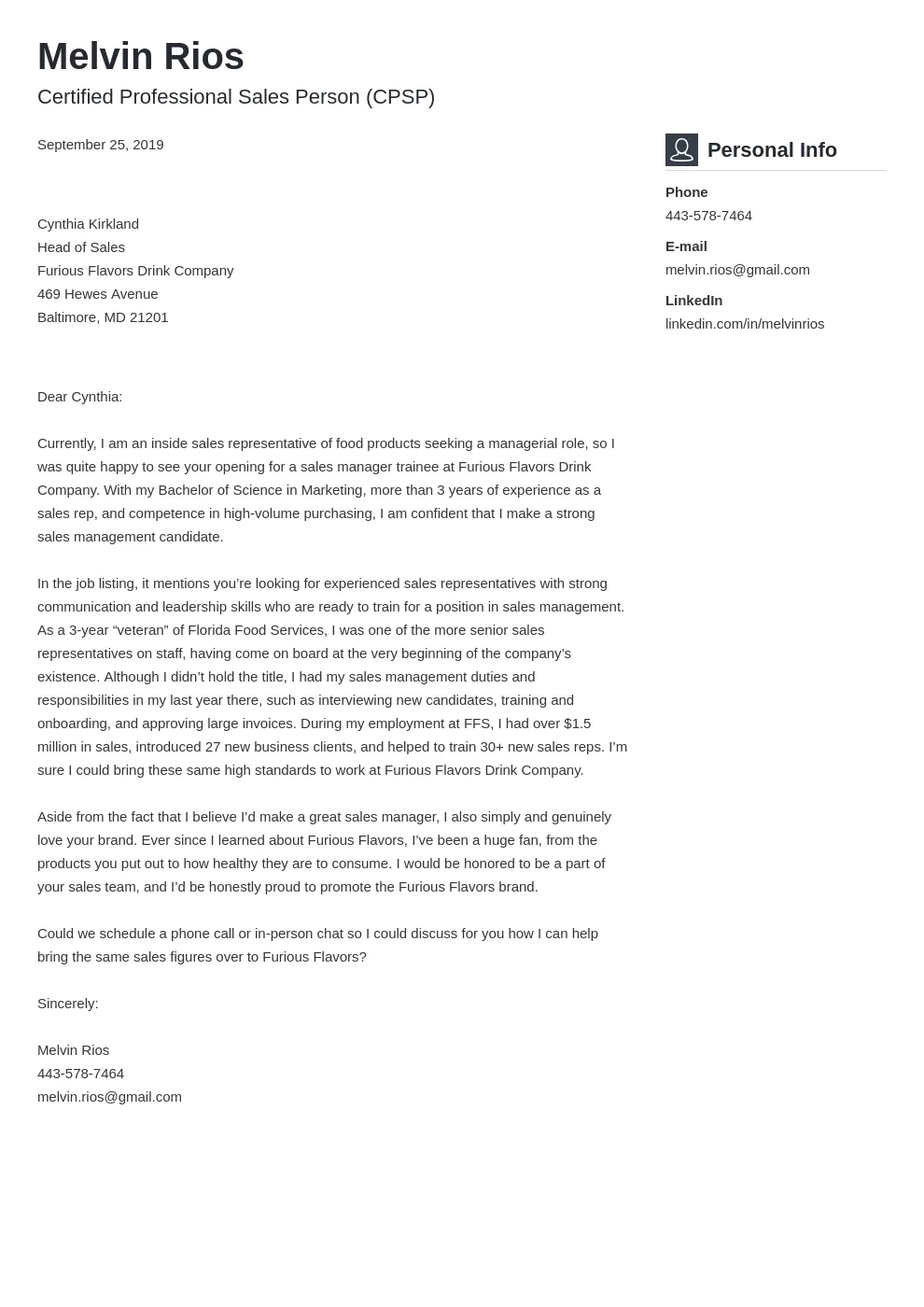
What is a Sales Proposal Cover Letter
A sales proposal cover letter is a crucial document that accompanies your sales proposal. It serves as the first point of contact with a potential client and sets the tone for your entire proposal. This letter is more than just a formality; it’s an opportunity to make a strong impression, establish rapport, and encourage the recipient to read the detailed proposal. Think of it as a brief, persuasive introduction that highlights the key benefits of your proposal and encourages the reader to take the next step. It’s a critical piece of the sales process, often determining whether your proposal gets read, considered, and ultimately, accepted. A well-crafted cover letter can significantly increase your chances of securing a new client or closing a deal.
Importance of a Cover Letter for Sales Proposals
The importance of a sales proposal cover letter can’t be overstated. It’s your chance to immediately capture the reader’s attention and convince them that your proposal is worth their time. Without a compelling cover letter, your proposal might end up in the trash. It provides context, personalizes your approach, and demonstrates that you understand the client’s needs. A good cover letter acts as a bridge, connecting your proposal to the client’s specific challenges and aspirations. It shows you’ve done your homework, understand their pain points, and are offering a tailored solution. It’s also an opportunity to establish your credibility and build trust, which are essential elements in any successful sales process. In short, the cover letter is the first and often most impactful step towards a successful sales outcome.
Top 5 Tips for Writing an Effective Cover Letter

Crafting an effective sales proposal cover letter is a blend of art and science. It requires understanding your audience, highlighting your value, and presenting your information concisely and persuasively. Here are five key tips to help you create a cover letter that gets results.
Tip 1 Tailor It to the Prospect
Generic cover letters are easily recognized and often ignored. The most effective cover letters are those that are specifically tailored to the individual prospect and their unique needs. This means doing your homework, researching their company, understanding their challenges, and addressing them directly in your letter. Show that you’ve taken the time to understand their situation. Address the letter to a specific person, ideally the decision-maker or the person who requested the proposal. This personalization immediately increases the chances of the letter being read and taken seriously. Avoid using vague language and instead, demonstrate how your proposal aligns with their specific goals and objectives.
Why Personalization Matters
Personalization makes your letter feel less like a mass-produced sales pitch and more like a solution crafted specifically for the recipient. It shows that you value their time and understand their individual circumstances. In a world where generic emails and proposals are commonplace, a personalized approach helps you stand out. By demonstrating that you’ve considered their unique needs, you build trust and credibility. This approach also helps you connect with the reader on a deeper level, increasing the likelihood that they’ll be receptive to your proposal. Ultimately, personalization shows respect and consideration, essential elements for building a successful client relationship.
How to Research Your Prospect

Effective research is the cornerstone of a personalized cover letter. Start with the company website to understand their mission, values, and recent activities. Explore their social media profiles, such as LinkedIn, to learn about their current projects and challenges. Look for news articles or press releases that provide insights into their industry and any recent changes. Use this information to identify their specific needs and pain points. Tailor your cover letter to address those issues, showing that you understand their unique circumstances. Use their name and company details correctly. This detailed research demonstrates that you are committed to understanding their business and are offering a relevant solution.
Tip 2 Highlight the Value Proposition
Your cover letter should immediately highlight the value your proposal offers to the prospect. Clearly state the key benefits they will receive by choosing your solution. Focus on how your services or products will solve their problems, improve their efficiency, or increase their profitability. Use concise and compelling language to grab their attention and make them want to learn more. Avoid vague claims and instead, focus on the tangible outcomes they can expect. Make it clear why they should choose your solution over the competition and what makes you unique. Your value proposition should be the central theme of your cover letter, keeping the reader engaged and encouraging them to review your detailed proposal.
Focus on Benefits Not Features
When highlighting your value proposition, prioritize the benefits your solution offers over a list of features. Features describe what your product or service does, while benefits explain how it improves the client’s situation. For instance, instead of saying “Our software has advanced analytics,” say, “Our software helps you identify opportunities to increase sales by 15%.” Benefits are what the client truly cares about. Focus on the positive outcomes they will experience as a result of your proposal. Ensure the benefits are clearly connected to the client’s needs and goals, and use language that resonates with them. Emphasizing benefits creates a stronger emotional connection and increases the likelihood of a positive response.
Quantify Your Achievements

Whenever possible, quantify your achievements and results. Use data, statistics, and concrete examples to demonstrate the value you provide. Numbers are powerful and lend credibility to your claims. For example, instead of saying “We improved customer satisfaction,” say, “We increased customer satisfaction by 30% in six months.” Providing measurable results makes your value proposition more compelling and helps the client understand the potential impact of your solution. Use specific metrics that are relevant to the client’s goals and show how you can help them achieve their objectives. This quantifiable approach builds trust and reinforces the value you bring to the table, making your proposal more persuasive.
Tip 3 Keep It Concise and Focused
A sales proposal cover letter should be brief, clear, and to the point. Decision-makers are busy. Respect their time by getting straight to the key points. Avoid unnecessary jargon, fluff, and lengthy descriptions. Focus on the most important aspects of your proposal and make sure they’re easy to understand. Aim for a letter that can be read quickly, ideally in less than a minute. This increases the likelihood that it will be fully read and understood. The goal is to provide a compelling overview that encourages the reader to delve into the detailed proposal. A concise letter demonstrates respect and shows that you value the reader’s time, making a positive impression.
Structure for Clarity
Organize your cover letter with a clear structure that makes it easy to read and understand. Start with a strong opening that grabs the reader’s attention and clearly states your purpose. Then, briefly highlight the key benefits of your proposal and why it is relevant to their needs. Use short paragraphs, bullet points, and subheadings to break up the text and make it more visually appealing. End with a clear call to action and a professional closing. This structure provides a logical flow, guiding the reader through your key points. This clear structure ensures the most important information is easily accessible, improving comprehension and making your letter more effective.
Avoid Jargon

Steer clear of technical jargon and industry-specific terms that the reader may not understand. The goal is to communicate your message clearly and concisely. Use plain language that is easy for anyone to comprehend, regardless of their background. Avoid acronyms and complex sentences. Ensure your language is friendly and approachable. Remember, you are trying to build a connection with the client. Jargon can create a barrier and make your proposal seem less accessible. The goal is to build trust, not to confuse your audience. Prioritizing clear, simple language shows respect for the reader and allows them to focus on the value of your proposal.
Tip 4 Include a Strong Call to Action
A strong call to action (CTA) is essential in any sales proposal cover letter. It tells the reader what you want them to do next. Be specific and make it easy for them to take action. Examples include asking them to review the proposal, schedule a meeting, or contact you with any questions. Your CTA should be clear, concise, and compelling. Make it easy for the reader to take the next step by providing all the necessary information, such as your contact details and a direct link to schedule a meeting. A well-crafted CTA encourages engagement and increases the likelihood of a positive response, moving them closer to a sale.
Make It Easy to Respond
Make it as easy as possible for the reader to respond to your cover letter. Include your contact information prominently, such as your phone number, email address, and LinkedIn profile link. Make it easy for them to reach you. Consider adding a direct link to schedule a meeting with you. This eliminates any extra steps for the reader and makes it simpler for them to engage with your proposal. Remove any barriers to response to ensure the client can quickly and easily take the next steps. This proactive approach streamlines the process and increases the likelihood of a positive response.
Offer Next Steps

Clearly outline the next steps you want the reader to take after reading your cover letter. Do you want them to review the full proposal, schedule a call, or provide feedback? Be specific and make it easy for them to take the next action. For example, you might say, “I recommend you review the proposal at your convenience. Then, please contact me to schedule a brief call where we can discuss your needs in greater detail.” Providing clear instructions on how to proceed simplifies the process and ensures the reader knows what is expected of them. This clarity increases the chances of a positive response and moves the sales process forward effectively.
Tip 5 Proofread and Edit Carefully
Before sending your cover letter, proofread and edit it meticulously. Typos, grammatical errors, and inconsistencies can damage your credibility and make a negative impression. Take the time to review every word, sentence, and paragraph. Ensure your language is clear, concise, and professional. Ask a colleague or friend to proofread it as well; a fresh pair of eyes can often catch mistakes you might miss. A polished cover letter shows attention to detail and demonstrates professionalism. Correct grammar and spelling enhance your credibility and increase the likelihood that your proposal will be taken seriously. Invest the time to ensure your cover letter is error-free.
Common Mistakes to Avoid
Certain common mistakes can undermine the effectiveness of your cover letter. Avoid generic templates that lack personalization. Ensure your letter is not too long and is focused on the most important points. Do not use jargon that the reader might not understand. Avoid spelling and grammatical errors. Never make exaggerated claims or promises that you cannot keep. Ensure your tone is professional but friendly. By avoiding these common pitfalls, you will improve your cover letter and increase your chances of success. Always personalize, focus on the benefits, and make sure your letter is polished and error-free.
Tools for Proofreading

Several tools can help you proofread and edit your cover letter effectively. Use grammar and spelling checkers like Grammarly or ProWritingAid to catch errors. These tools will check your grammar, spelling, punctuation, and style. Proofread your cover letter by reading it aloud to catch awkward phrasing or inconsistencies. Ask a colleague to review it to get a second opinion. Utilize these tools and resources to ensure your cover letter is polished and professional. A well-edited cover letter demonstrates your attention to detail and helps you make a positive impression on the reader, boosting your credibility and increasing the likelihood of a successful sales outcome.
Cover Letter Examples
Reviewing examples of well-written sales proposal cover letters can provide inspiration and guidance. Many templates and examples are available online that you can adapt to your needs. Analyze successful cover letters to understand their structure, tone, and language. Pay attention to how the writer personalizes the letter, highlights the value proposition, and includes a strong call to action. Use these examples as a starting point and customize your own cover letter. Tailor it to the prospect and the specific proposal. Ensure the examples you choose are relevant to your industry and audience. By studying successful examples, you can learn how to craft a cover letter that effectively grabs the reader’s attention, highlights your value, and ultimately, leads to a sale.