
Understanding Salary Requirements in Cover Letters
Navigating the topic of salary requirements in a cover letter can be tricky, but it is a vital part of the job application process. Knowing when, how, and why to address salary expectations can significantly impact your chances of landing an interview and ultimately, securing the job. This guide will break down everything you need to know about handling salary requirements, equipping you with the knowledge to make informed decisions and present yourself as a confident and well-prepared candidate. Properly addressing salary requirements showcases your professionalism and respect for the employer’s time, while also ensuring you’re fairly compensated for your skills and experience. Understanding the nuances of this practice is crucial for a successful job search.
Why Mention Salary in Your Cover Letter?
Mentioning salary expectations in your cover letter can be strategic, not just a formality. The main aim of doing so is to provide clarity upfront, which can save both you and the employer valuable time. It shows that you understand the market value for your skills. It also allows you to align your expectations with the company’s budget early on, preventing any surprises down the line. However, this is not always necessary and sometimes can be detrimental if not handled correctly.
Benefits of Including Salary Expectations

One key advantage is that it eliminates potential mismatches. If your salary requirements are significantly higher than the company’s budget, you can potentially save time and effort by identifying this early. This proactive approach demonstrates professionalism and respect for the employer’s time. Moreover, when the job description explicitly asks for salary requirements, providing them showcases your attention to detail and ability to follow instructions. Doing so can help you look prepared and organized, making you stand out from other applicants. It also opens the door for negotiation, especially if you state a range or express flexibility.
Potential Downsides of Disclosing Salary
On the flip side, there are a few potential pitfalls. If you state your salary expectations too early, you might inadvertently price yourself out of a job. It is particularly true if your requirements are above the company’s initial budget. Some recruiters might use your stated salary as a starting point for negotiation, possibly leading to a lower offer than you could have secured otherwise. Also, it is possible you could undervalue yourself, especially if you are unsure about your worth or the typical pay scale for the role. Always remember to weigh the pros and cons depending on the job application and the employer’s request before deciding whether or not to include your salary expectations.
When to Include Salary Requirements
Knowing when to include salary requirements is as important as knowing how. Generally, it is best to follow the instructions provided in the job posting. If the job description explicitly asks for salary expectations, you should include them in your cover letter. Otherwise, assess the situation carefully. This section outlines the best strategies for different scenarios.
Early in the Cover Letter?

It is generally not advisable to include salary expectations right at the beginning of your cover letter, unless explicitly requested in the job posting. This is because the primary goal of the cover letter is to showcase your skills and express your interest in the position. Detailing salary expectations early on can shift the focus from your qualifications to monetary concerns. Instead, use the initial paragraphs to highlight your enthusiasm for the role and the company, and briefly mention the value you bring to the table.
Later in the Cover Letter?
The most suitable place to mention salary expectations is towards the end of your cover letter, after you have demonstrated your interest and suitability for the role. Here, you can include a sentence or two that addresses the salary requirements. If a specific salary is requested, you can state it, ideally after conducting thorough research. If the job posting suggests a range, or if you prefer to be flexible, state your expectations as a salary range. This approach shows that you have considered the compensation and are willing to discuss it further. This position allows you to express your value first before broaching the subject of salary.
The Importance of Researching Salary Ranges
Researching salary ranges is an essential step. It ensures you don’t undervalue yourself or price yourself out of the job. Knowing the market value for the position, your experience level, and your location will allow you to make an informed decision when stating your expectations. It also allows you to show employers that you have a realistic understanding of the industry standard.
How to Research Salary Ranges

Begin by identifying the job title and your experience level. Check online salary databases such as Glassdoor, Salary.com, and Payscale. These resources provide a range of salaries based on job titles, experience, location, and industry. Compare different data points and cross-reference the information to get a more accurate picture. Also, look at job postings for similar roles to get a sense of what companies are currently offering. Take into consideration your skills and qualifications. Additional skills may lead to a higher salary. Ensure that the information you gather is current by checking recent sources, as the job market and salary trends can change rapidly.
Where to Find Salary Information
The internet is a treasure trove of salary information. Several websites specialize in providing salary data. Salary.com and Payscale are popular and comprehensive. Glassdoor is a valuable resource because it compiles employee-provided salary data, giving you insights into what people in similar roles are actually earning at different companies. LinkedIn is another useful tool, as it allows you to connect with professionals in your field and ask for insights on salary ranges. You can also find data from the Bureau of Labor Statistics (BLS) for national averages. Remember to use a variety of sources and consider both national and local data to get a complete understanding of the market.
How to Phrase Your Salary Expectations
The way you phrase your salary expectations can have a significant impact on how your application is received. Whether you’re stating a specific number or a range, precision and professionalism are key. Being clear and confident about your expectations demonstrates that you value your skills and expertise. This section provides practical guidelines and examples of how to effectively phrase your salary expectations in your cover letter.
Using a Salary Range

Using a salary range is an excellent way to express flexibility while still providing clear expectations. It shows that you are informed about industry standards and are open to discussing the details. The range should be based on the salary research you have conducted. It should reflect the market value for your experience, skills, and the responsibilities of the job. The range should be reasonable. Avoid a wide spread, as it may appear that you are not sure of your value. Ensure that the range is appropriate for the specific role you are applying for. Make the lower end of the range your ideal minimum, and the upper end reflects your maximum expectations.
Stating Your Minimum Salary
Stating your minimum salary is appropriate when the job description explicitly asks for your requirements. This approach is useful if you have a non-negotiable salary expectation. When specifying your minimum salary, be clear and direct. Consider saying something like, “My salary expectation is a minimum of $X per year.” Ensure that your minimum salary is aligned with the industry standards and your overall financial needs. This statement should be used only after considering all the factors. Before quoting your minimum salary, research and find out what the market is paying. Be careful, as this approach may narrow the scope for negotiation if you are not careful.
Being Open to Negotiation
Expressing your willingness to negotiate can be a strategic move. This approach signals to the employer that you are interested in the position and flexible about the compensation. You could state, “I am open to discussing salary based on the overall compensation package, including benefits.” Or, “I am flexible on salary, depending on the responsibilities and the overall value of the role.” It is an ideal option for job seekers with limited experience. This shows employers that you can be flexible. However, you must also have some idea of what you are willing to accept before the negotiation process begins.
Examples of Effective Salary Statements

Here are some examples of effective salary statements you can adapt for your cover letter
-“My salary expectations are in the range of $65,000 to $75,000 annually, based on my experience and the requirements of the role.”
“I am seeking a position with a salary of at least $70,000, depending on the specific responsibilities and benefits package.”
“I am open to discussing salary based on the experience, the role, and the total compensation package offered.”
“My salary requirement is $80,000 per year. However, this is negotiable depending on the benefits and the overall opportunity.”
“I am targeting a salary within the $90,000 to $100,000 range, and I am willing to discuss details further in the interview.”
“Based on my skills and experience, I am expecting a minimum salary of $60,000 annually, but I am flexible depending on the role and company.”
Phrases to Avoid
Avoid phrases that undermine your credibility or show a lack of market knowledge. Phrases such as “negotiable” without a specified range can appear vague. Statements like, “I am open to any offer,” may suggest a lack of confidence. Avoid also offering a salary that’s too specific. Also, avoid expressing unrealistic expectations. Your salary expectations should be realistic based on the job role. Ensure that you conduct thorough research before offering a salary.
Adapting to Different Job Applications
The best approach to addressing salary requirements in your cover letter varies depending on the specific job application and the company’s instructions. Tailoring your approach demonstrates your professionalism and your understanding of how to follow directions. This section provides advice and suggestions for different scenarios.
Applying to Jobs That Don’t Ask for Salary

If the job posting does not explicitly ask for your salary expectations, it is generally best to avoid mentioning it in your cover letter. Instead, focus on highlighting your skills and experiences that align with the job requirements. Express your enthusiasm for the role and the company. If the employer is interested in your application, they will likely raise the topic of salary during the interview process. At this point, you can confidently discuss your expectations based on your research.
Addressing Salary on a Job Application
Many job applications include a separate section for salary expectations. If the application form requires you to state your desired salary, make sure you have researched the salary range for the role. If the form allows for a range, use it. If you have no other option other than a specified amount, provide a realistic figure. In most of the job applications, the salary expectation section is separate from the cover letter. Fill out the job application form accurately. If the form does not provide a space for specifying a salary, follow up with your recruiter to learn more about it.
The Impact of Salary on Your Application
The way you handle salary requirements can significantly influence the overall outcome of your job application. Demonstrating the right approach can open doors for you, while a wrong approach might inadvertently close them. This section will examine the ways salary affects your application and how to mitigate potential negative impacts.
How Salary Affects the Interview Process
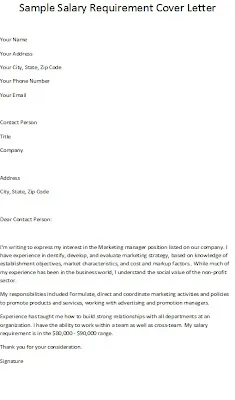
If you provide the salary requirements, recruiters can immediately determine if your expectations align with their budget. If your requirements are too high, it might result in your application being disregarded. However, if your expectations are realistic and align with the company’s budget, it could lead to an invitation to interview. During the interview, be prepared to discuss your salary expectations in more detail. Be ready to provide justifications for your expectations based on your skills, experience, and market research. It is your opportunity to present yourself well. Be confident in your assessment.
Salary Negotiation Tips for Later
If you get a job offer, salary negotiation is an important step. Be prepared. The first step is to know your worth. Base your desired salary on your research. Before discussing the salary, research the typical salaries for similar positions in your area. Consider the benefits package, including health insurance, retirement plans, and paid time off. Also, consider the company’s culture and opportunities for growth. Before discussing the offer, it is important to gather all the details about the offer. Know your bottom line before you enter the negotiation. During the negotiation, highlight your accomplishments. It is a chance to present yourself again. Be confident. Be professional. Practice your negotiation skills. These skills will enable you to get the best compensation package.
Final Thoughts
Addressing salary requirements in your cover letter requires a strategic and thoughtful approach. Knowing when to include your expectations, how to phrase them, and the research required to support them are essential. By following the guidelines in this article, you can present yourself as a professional candidate. Always remember to tailor your approach to each job application. Be confident in your value, and present yourself in a way that shows you are a good fit. With careful planning and preparation, you can navigate the complexities of salary expectations and increase your chances of securing your ideal job. Good luck with your job search!