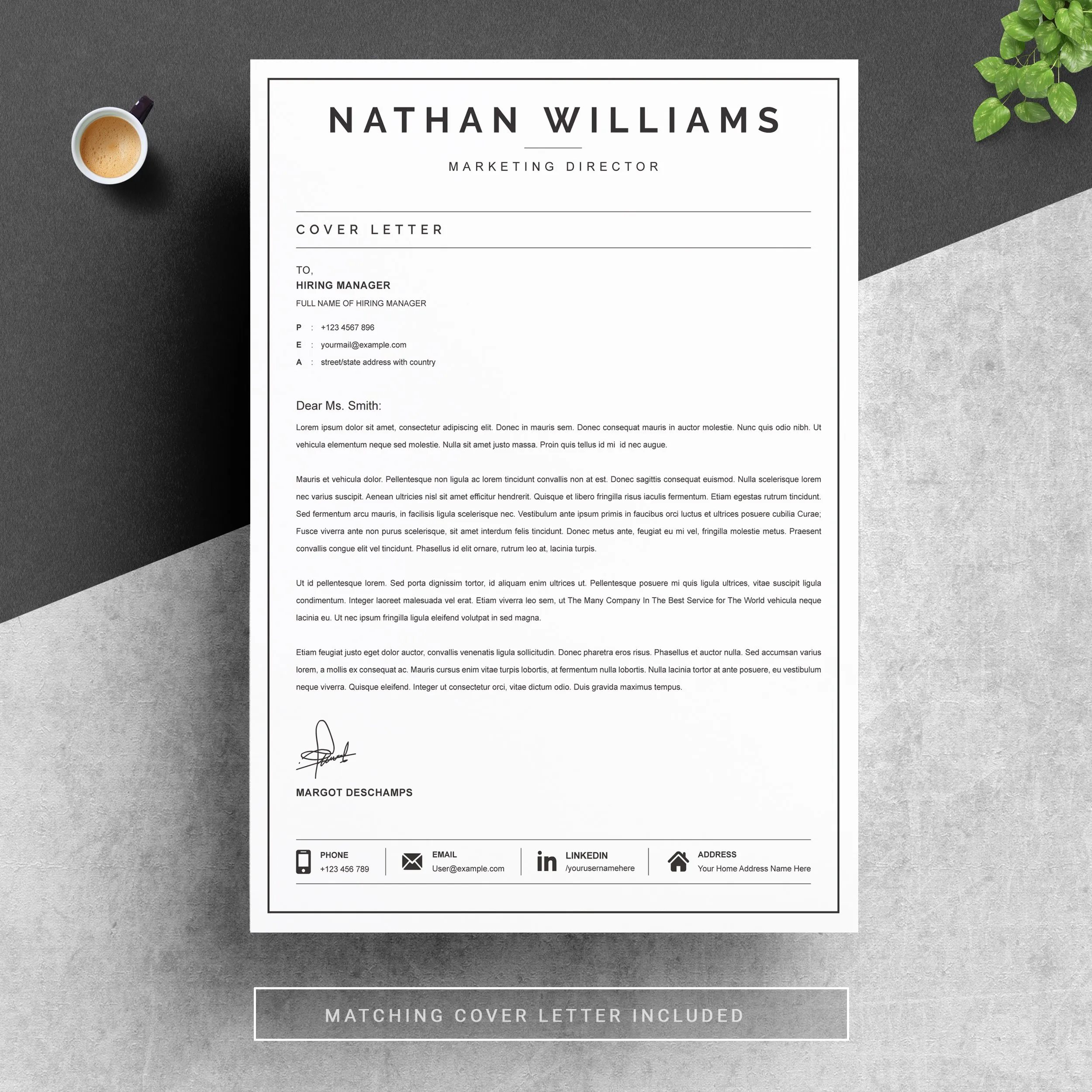
What is a Cover Letter?
A cover letter is a crucial document that accompanies your resume when applying for a job. It serves as your introduction to the hiring manager, providing context and highlighting the key aspects of your resume in a more personalized way. Unlike your resume, which is a factual summary of your skills and experience, a cover letter allows you to showcase your personality, express your enthusiasm for the role, and explain why you’re a perfect fit for the company. It’s your opportunity to make a strong first impression and set yourself apart from other candidates. A well-crafted cover letter can significantly increase your chances of landing an interview, as it demonstrates your genuine interest and attention to detail.
Why You Need a Cover Letter
In today’s competitive job market, a cover letter is often a non-negotiable requirement. While a resume provides a snapshot of your qualifications, a cover letter allows you to tell a more compelling story. It gives you the space to explain career gaps, address specific requirements mentioned in the job description, and articulate your career goals. Moreover, a cover letter shows that you’ve taken the time and effort to understand the company and the specific role you’re applying for. It demonstrates your communication skills and your ability to convey your value proposition effectively. Even if the job posting doesn’t explicitly require a cover letter, including one can make a positive impact, as it shows initiative and a proactive approach.
Key Components of a Cover Letter

A well-structured cover letter typically consists of several key components that work together to present a strong case for your candidacy. Understanding these components is essential for creating a document that captures attention and persuades the hiring manager to invite you for an interview. Each section plays a vital role in showcasing your qualifications, expressing your interest, and demonstrating your understanding of the role and the company. The strategic arrangement of these elements helps to create a cohesive narrative that emphasizes your unique value proposition.
Header Section
The header section of your cover letter should include your contact information, such as your name, phone number, email address, and optionally, your LinkedIn profile URL. It should also include the date and the hiring manager’s name, title, and the company’s address. Ensuring your contact information is accurate and up-to-date is crucial, as it’s how the hiring manager will reach you if they’re interested in moving forward with your application. Always double-check the spelling of the hiring manager’s name and title, and ensure that the company address is correct. The header sets the tone for the entire letter, providing a professional and organized first impression. Use a clear, easy-to-read font, and ensure all information is aligned consistently.
Greeting and Salutation
Begin your cover letter with a professional greeting. If you know the hiring manager’s name, address them directly (e.g., “Dear Mr./Ms. [Last Name]”). If you don’t know the hiring manager’s name, you can use a general greeting like “Dear Hiring Manager” or “Dear [Department Name] Team.” Avoid generic greetings such as “To Whom It May Concern,” as they can make your letter seem less personalized. The greeting should set a tone of professionalism and respect. This is an opportunity to establish a connection from the start, which indicates to the reader that you’ve put effort into the application process. Make sure that the greeting is appropriate for the company culture and the specific job you are applying for.
Body Paragraph 1 Highlight Your Skills

The first body paragraph is where you grab the reader’s attention. Briefly state the position you’re applying for and where you saw the job posting. Then, immediately highlight your most relevant skills and qualifications. Focus on the skills and experiences that directly align with the job description. Use action verbs to describe your accomplishments and quantify your achievements whenever possible. Show the recruiter that you’ve carefully considered the job requirements and that you are a strong match. Avoid simply restating your resume. Instead, provide a brief narrative of your key strengths and how they relate to the role. For example, instead of saying “I have strong communication skills,” you could say “In my previous role, I successfully led a team of 5, improving team communication by 20%.”
Body Paragraph 2 Showcase Your Achievements
In the second paragraph, elaborate on your achievements and provide specific examples to support your claims. Use the STAR method (Situation, Task, Action, Result) to structure your examples effectively. This helps the hiring manager understand the context of your accomplishment, the role you played, the actions you took, and the positive outcome you achieved. This is the place to demonstrate your ability to deliver tangible results in past roles. Focus on achievements that are relevant to the job you are applying for and that align with the company’s goals. Quantitative data can strengthen your claims, and provide evidence of your ability to perform and create positive outcomes. Ensure your examples are clear, concise, and tailored to the requirements of the job.
Body Paragraph 3 Show Your Enthusiasm
The third paragraph should express your enthusiasm for the opportunity and your interest in the company. Research the company and highlight what specifically appeals to you about their mission, values, or work environment. Explain why you are excited about the role and how it aligns with your career goals. Show the hiring manager that you are not just looking for a job, but that you are genuinely interested in contributing to the company’s success. Briefly mention how you can contribute to the team and how your skills can help the company achieve its goals. Your enthusiasm should be genuine and well-informed. Avoid generic statements, and demonstrate that you’ve taken the time to understand the company’s culture and values.
Concluding Paragraph

Conclude your cover letter by restating your interest in the position and summarizing why you are a strong candidate. Thank the hiring manager for their time and consideration. You can also include a call to action, such as expressing your availability for an interview and indicating your eagerness to discuss your qualifications further. Keep it concise and maintain a professional tone. Make sure to reiterate your value proposition and leave the reader with a positive final impression. Review your entire letter at the end to ensure a cohesive and persuasive narrative that encourages the reader to reach out.
Complimentary Close
End your cover letter with a professional closing. Common options include “Sincerely,” “Best regards,” or “Yours sincerely.” Ensure that the closing is appropriate for the context and tone of your letter. Following the closing, leave space for your signature if you are submitting a printed copy. If you are submitting an electronic copy, you can simply type your full name below the closing. A professional closing reflects well on you and maintains a positive tone at the end of the letter. Ensure that the closing aligns with the level of formality used throughout the document. Avoid overly casual or informal closings.
Cover Letter Template Options
Many cover letter template options are available to assist you in structuring and formatting your letter effectively. These templates can be found in word processing software like Microsoft Word or online. They provide a pre-formatted structure and offer guidance on the content to include in each section. Templates can save you time and help you avoid common formatting errors. However, remember to personalize the template with your information and tailor it to each specific job application. There is a wide range of options, from simple, clean templates to more creative and visually appealing designs. Choose a template that aligns with your personal brand and the industry standards. Be sure that the template’s design complements your resume.
Simple Cover Letter Template

A simple cover letter template is a straightforward and professional choice. This template typically features a clean layout with clear headings and a standard font. It focuses on conveying your skills and experience in a concise and easy-to-read format. The simplicity allows the content to take center stage, ensuring that the hiring manager can quickly grasp your qualifications. This style is appropriate for most industries and job applications, as it prioritizes clarity and professionalism. The header includes contact information. The body paragraphs directly and clearly describe your skills, achievements, and interest in the role and company. A simple template avoids any unnecessary design elements that might distract from the message. This is a great option for professionals who want to avoid anything too distracting.
Professional Cover Letter Template
A professional cover letter template typically includes a slightly more polished design, often incorporating subtle design elements such as lines, borders, or a clean header. It aims to project a sense of sophistication and attention to detail. This template is ideal for industries where professionalism is highly valued, such as finance, law, or consulting. The structure remains clear and easy to follow, but the design elements add a touch of visual appeal. These templates might incorporate a more formal tone and language. Content focuses on experience, achievements, and how your skills align with the job requirements. The professional design conveys reliability and is a great choice for established professionals.
Creative Cover Letter Template
A creative cover letter template is designed to stand out from the crowd. It often incorporates unique design elements, bold colors, and a more unconventional layout. These templates are most appropriate for creative industries like design, marketing, or media, where demonstrating creativity is a significant advantage. This template allows you to showcase your personality and artistic abilities. When using a creative template, make sure the design complements your skills and experience without overshadowing the content. While these templates can catch a hiring manager’s attention, make sure the design is professional and the content is clear. Test the format to make sure the format is easy to read and that the text is not lost by the design.
Customizing Your Cover Letter

While templates provide a foundation, customizing your cover letter for each job application is essential. Personalization is key to making a strong impression. Generic cover letters are easily recognizable, and they can give the impression that you haven’t taken the time to consider the specific requirements of the job and company. Customizing your cover letter involves tailoring the content to match the job description, highlighting relevant skills and experiences, and demonstrating your understanding of the company’s mission and values. This process takes time and effort but it is time well spent and will increase your chances of getting an interview. Avoid using the same cover letter for multiple applications and personalize it to the specific needs of the role and company.
Tailoring to the Job Description
Carefully review the job description and identify the key skills, qualifications, and experience the employer is seeking. Then, align your cover letter with those requirements. Use keywords from the job description to demonstrate your understanding of the role. Highlight the skills and experiences that directly match what the employer is looking for. This will show that you are a great fit for the position. Use the STAR method to provide specific examples. Tailoring your cover letter shows you can provide value to the employer and will improve your chances of being selected for an interview. Be sure to also mention how you can contribute to the team and achieve company goals.
Formatting for Readability
Formatting plays a crucial role in the readability and overall impact of your cover letter. Use a clean and professional font such as Times New Roman, Arial, or Calibri. Ensure the font size is easy to read, typically between 10 and 12 points. Use clear headings and subheadings to structure your letter logically. This helps the hiring manager quickly scan the document. Use bullet points or numbered lists to highlight key skills, accomplishments, or information. Use ample white space to separate paragraphs and sections, avoiding a dense and cluttered appearance. The goal is to make the cover letter easy to read and visually appealing. Be sure your formatting is consistent throughout the document. Correct formatting helps ensure your message is clear and compelling.
Proofreading and Editing

Proofreading and editing are critical steps in the cover letter writing process. Typos, grammatical errors, and other mistakes can undermine your professionalism and credibility. Before submitting your cover letter, carefully review it for any errors. Check the spelling, grammar, punctuation, and sentence structure. Read the letter aloud to catch any awkward phrasing. Ask a friend, family member, or career advisor to review your cover letter for a second opinion. They may identify any errors or suggest improvements that you have overlooked. Proofreading and editing ensure your cover letter is polished, professional, and error-free. A carefully proofread letter will give you an edge when applying for a job.
Tips for a Strong Cover Letter
Creating a strong cover letter takes time and effort, but it is a key element of a successful job search. Focus on highlighting your unique value proposition and making a strong impression on the hiring manager. A strong cover letter presents your skills and experiences, while it emphasizes your enthusiasm for the position and company. By adhering to the best practices described, you can increase your chances of landing an interview and advancing your career. Be sure to tailor each cover letter to match the specific job requirements and company culture. A cover letter is not just a formality; it’s a strategic tool that can give you a competitive advantage.
Highlight Relevant Skills and Experience
Focus on the skills and experiences most relevant to the job you are applying for. Review the job description carefully and identify the key requirements. Then, highlight those skills and experiences in your cover letter, providing specific examples to demonstrate your capabilities. Use the STAR method to structure your examples effectively and quantify your achievements whenever possible. This approach helps the hiring manager understand the context of your accomplishments and the positive outcomes you have achieved. Make sure the skills and experience you mention align with the job requirements. This will help the hiring manager see that you are a good fit for the role. Be specific in your language and provide concrete examples to support your claims.
Showcase Your Personality
Your cover letter is an opportunity to showcase your personality and let your enthusiasm shine through. While it’s important to maintain a professional tone, don’t be afraid to express your genuine interest in the role and company. Use a conversational tone, and avoid sounding overly formal or generic. Let your personality shine through in the way you write, and show the hiring manager what makes you unique. Explain why you are excited about the opportunity and what you can bring to the team. Authenticity is crucial. Your cover letter should reflect who you are and your genuine interest. Demonstrate your personality to help differentiate your application.
Use Action Verbs
Use strong action verbs to describe your accomplishments and responsibilities. Action verbs bring your accomplishments to life. Avoid passive language and use verbs that convey a sense of energy and initiative. Use action verbs such as “managed,” “led,” “developed,” “implemented,” “achieved,” and “improved.” Avoid vague language and general statements. Action verbs make your accomplishments more impactful. Make sure to use action verbs to describe what you did. Focus on your achievements, and highlight your value proposition to the employer. Strong action verbs and specific examples can make a big difference in getting your application seen.
Keep it Concise
Keep your cover letter concise and to the point. Hiring managers are busy, and they often spend only a few seconds reviewing each application. Aim for a cover letter that is no more than one page in length. Focus on the most relevant information and avoid unnecessary details. Use clear and concise language, and avoid using jargon or overly complex sentences. A well-written cover letter will be easier to read and understand. Always keep your language direct and to the point. Make sure your letter is easy to read, and highlight your most impressive accomplishments.
Common Cover Letter Mistakes to Avoid
Avoid common cover letter mistakes that can damage your chances of landing an interview. One major mistake is sending a generic cover letter that is not tailored to the specific job and company. Another common mistake is using typos and grammatical errors. Always proofread your cover letter carefully before submitting it. Avoid including irrelevant information that does not align with the job requirements. Avoid excessive use of “I,” and focus on showcasing your skills and accomplishments. Do not use clichés or overused phrases. Make sure that your cover letter is clear, concise, and professional. By avoiding these common mistakes, you can significantly improve your chances of getting an interview.