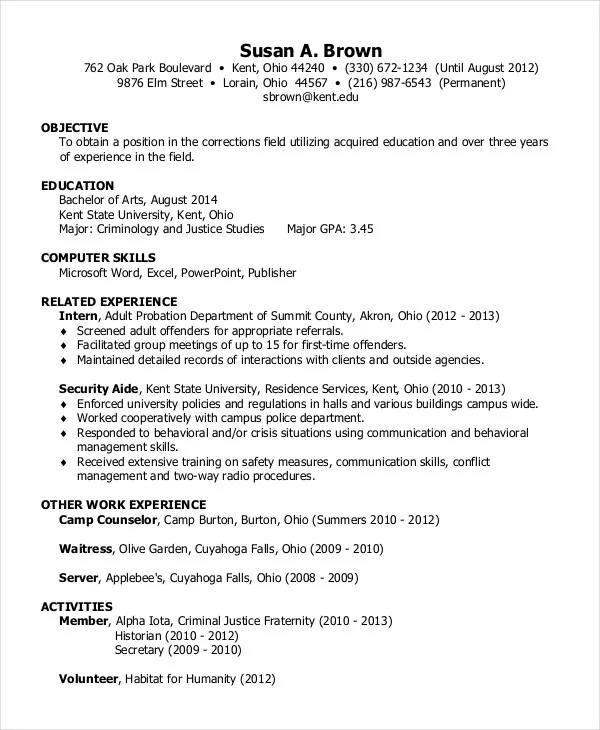
What is a Cover Letter and Why Do You Need One?
A cover letter is a crucial document that accompanies your resume when applying for a job. It serves as an introduction, providing a glimpse into your personality, skills, and aspirations. Unlike a resume, which offers a factual summary of your professional history, a cover letter allows you to connect with the hiring manager on a more personal level. It’s your chance to showcase your enthusiasm for the specific role and company, and to explain why you’re the perfect fit. In today’s competitive job market, a well-crafted cover letter can significantly increase your chances of landing an interview. It’s not just an optional extra, it’s an essential tool in your job-hunting arsenal. Think of it as your first impression, a way to make a strong and lasting impact before you even walk through the door for an interview.
Understanding the Purpose of a Cover Letter
The primary purpose of a cover letter is to persuade the hiring manager to read your resume and consider you for the position. It’s a persuasive document designed to highlight the most relevant aspects of your experience and skills, tailored specifically to the job requirements. Beyond simply restating information from your resume, a cover letter allows you to elaborate on specific achievements, explain career transitions, and demonstrate your understanding of the company’s needs and values. A well-written cover letter shows that you have taken the time to research the company and the role, indicating your genuine interest and commitment. Ultimately, it aims to differentiate you from other applicants and convince the hiring manager that you are worth meeting in person.
Highlighting Your Skills and Experience

Your cover letter is an opportunity to highlight the skills and experience most relevant to the job you are applying for. Focus on the qualifications mentioned in the job description, and provide specific examples of how you have demonstrated these skills in previous roles. Quantify your achievements whenever possible using numbers and data to showcase your impact. For example, instead of saying “managed social media accounts,” you could say “increased social media engagement by 30% within six months.” This provides tangible evidence of your capabilities. Use action verbs to describe your accomplishments, and explain how your skills align with the company’s needs. By emphasizing the relevant aspects of your experience, you can quickly capture the attention of the hiring manager and show them that you are a strong candidate.
Key Components of a Cover Letter
A well-structured cover letter comprises several key components that work together to create a compelling narrative. These components include a header, a salutation, an opening paragraph, a body section (comprising 2-3 paragraphs), a closing paragraph, and a complimentary close. Each section plays a vital role in conveying your message and making a positive impression. Proper formatting, clear language, and attention to detail throughout these sections are essential. These elements help organize the information logically, making it easy for the hiring manager to understand your qualifications and evaluate your suitability for the role.
The Header
The header of your cover letter should include your contact information, such as your name, phone number, email address, and LinkedIn profile URL. It is also customary to include the date and the hiring manager’s name and title (if known) and company address. Make sure your contact information is up-to-date and professional. A well-designed header sets the tone for the rest of the letter, conveying professionalism and attention to detail. Always ensure the header matches the format of your resume for consistency.
The Salutation

The salutation is your initial greeting. If you know the hiring manager’s name, use “Dear [Mr./Ms./Mx. Last Name].” If you are unsure of the name, use a professional alternative like “Dear Hiring Manager” or “Dear [Company Name] Team.” Avoid generic greetings like “To Whom It May Concern,” which can make your letter feel impersonal. Ensure the salutation aligns with the tone of the company and the industry. Always spell the name correctly to demonstrate respect.
The Opening Paragraph
The opening paragraph is your chance to grab the hiring manager’s attention. State the position you are applying for and where you saw the job posting. Then, briefly highlight your key qualifications and express your enthusiasm for the role and the company. You might also mention a mutual connection if appropriate. Keep it concise and impactful, setting the stage for the rest of your letter and immediately demonstrating why you are a strong candidate. The opening should create curiosity and prompt the reader to continue.
Crafting a Compelling Body
The body of your cover letter is where you elaborate on your skills, experience, and achievements. Use 2-3 paragraphs to provide specific examples that demonstrate your qualifications and how they align with the job requirements. Tailor each paragraph to address the key responsibilities and requirements mentioned in the job description. Use the STAR method (Situation, Task, Action, Result) to structure your examples, providing context, explaining your role, detailing your actions, and quantifying your achievements. This method helps you articulate your value in a clear, concise, and impactful manner. The body should be focused, relevant, and showcase your ability to do the job.
Showcasing Achievements

In the body of your cover letter, always focus on your accomplishments, not just your job duties. Use action verbs to describe what you achieved in previous roles. For example, instead of saying “responsible for sales,” you might say “exceeded sales targets by 15%.” Provide specific examples to support your claims, and quantify your achievements whenever possible. Showcasing achievements demonstrates your ability to deliver results and make a positive impact. By highlighting your accomplishments, you provide concrete evidence of your value to the company. This will make your application more persuasive and memorable.
Tailoring Your Cover Letter
Tailoring your cover letter to each specific job application is essential. A generic cover letter will not make a strong impression. Take the time to research the company and the specific role. Carefully review the job description and identify the key skills and qualifications required. Then, customize your cover letter to address those requirements, emphasizing the relevant aspects of your experience and explaining how you can contribute to the company’s goals. Showcasing your understanding of the company’s needs and values and your genuine interest in the role. This demonstrates that you have put in the effort to tailor your application, which significantly increases your chances of success.
Writing a Strong Closing
Your closing paragraph should reiterate your interest in the position and thank the hiring manager for their time and consideration. Express your enthusiasm for the opportunity and mention that you are looking forward to hearing from them soon. End with a professional closing such as “Sincerely” or “Best regards,” followed by your full name. Be confident and positive, and reinforce the key message of your cover letter. Make a lasting impression by leaving a positive note that reiterates your interest and desire to move forward in the process.
Action Verbs to Use in Your Cover Letter

Using strong action verbs can make your cover letter more dynamic and compelling. Start your sentences with verbs that describe your accomplishments and skills, such as “achieved,” “managed,” “developed,” “implemented,” “led,” “created,” “improved,” “increased,” “collaborated,” “negotiated,” and “resolved.” These verbs add clarity and energy to your writing, and they help you showcase your value to the employer. Vary your word choices to keep the language fresh and engaging. A strong vocabulary helps to paint a vivid picture of your abilities and leave a memorable impression.
Formatting Tips for Cover Letters
Proper formatting is essential for readability and professionalism. Use a clean, easy-to-read font like Arial or Times New Roman, with a font size between 10 and 12 points. Maintain consistent margins (1 inch on all sides) and use single spacing within paragraphs and double spacing between paragraphs. Avoid excessive use of bolding or italics. Keep the letter concise, typically no longer than one page. Ensure your cover letter is well-organized, with clear headings and subheadings to guide the reader. A well-formatted letter is easy to read and demonstrates your attention to detail and professionalism.
Proofreading and Editing Your Cover Letter
Proofreading and editing your cover letter is a critical step. Errors in grammar, spelling, and punctuation can make your cover letter appear unprofessional and can undermine your credibility. Carefully review your cover letter for any mistakes. Use a spell checker and grammar checker, but don’t rely solely on them. Read your letter aloud to catch any awkward phrasing or typos. Consider having a friend, family member, or career advisor review your cover letter for a fresh perspective. A polished and error-free cover letter demonstrates your attention to detail and commitment to presenting yourself professionally.
Common Mistakes to Avoid in Cover Letters

There are several common mistakes that can detract from your cover letter. Avoid generic opening paragraphs that do not mention the specific job or company. Do not simply restate your resume. Avoid rambling or being overly lengthy. Avoid using jargon or technical terms the hiring manager might not understand. Do not include irrelevant information or personal details. Avoid negative language or complaining about previous employers. Do not forget to tailor your letter to each specific job. By avoiding these mistakes, you can ensure that your cover letter makes a positive impression and highlights your value.
Cover Letter Examples for Different Industries
The style and content of a cover letter may vary depending on the industry and the specific role. Research examples of cover letters for the industry you are applying to. Some industries may require a more formal tone, while others may be more relaxed. Tailor your cover letter to reflect the norms and expectations of the industry. For example, a cover letter for a creative role might be more visually appealing, while a cover letter for a legal position should be very formal. Analyzing successful examples in your target industry can help you create an effective cover letter that resonates with the hiring manager.