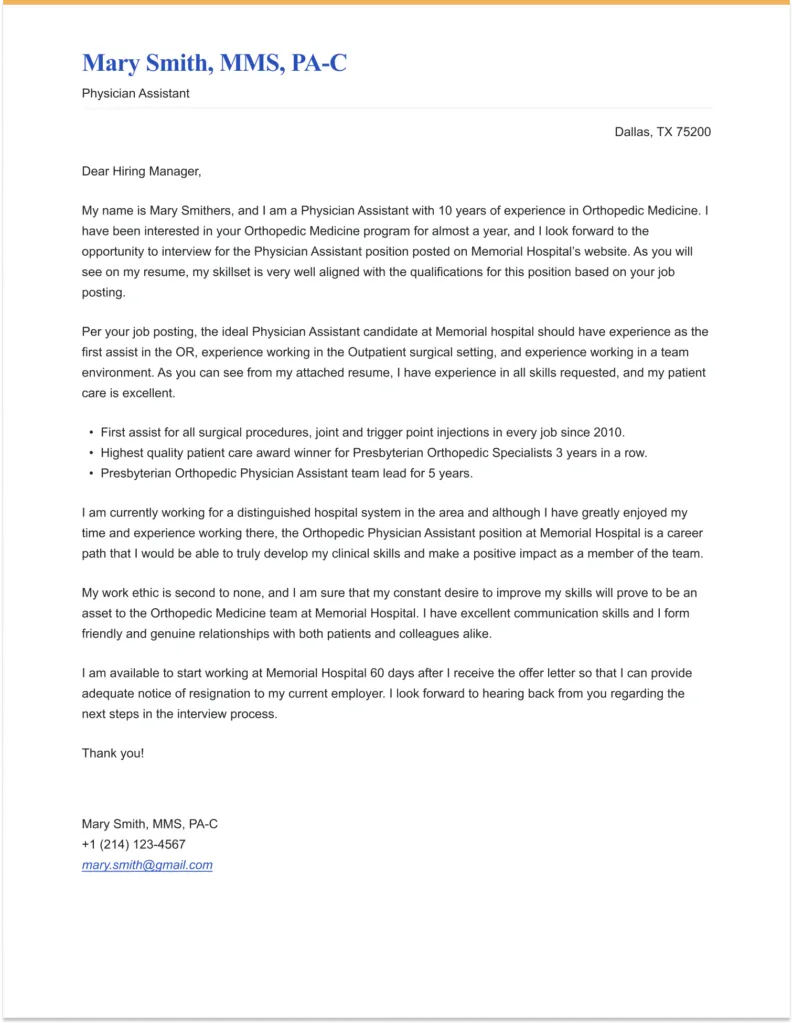
What is a Cover Letter and Why Include it
A cover letter is a crucial document that accompanies your resume when applying for a job. It serves as an introduction, allowing you to highlight your skills, experience, and personality in a way that a resume alone cannot. Think of it as your personal sales pitch. Its primary purpose is to persuade the hiring manager to read your resume and consider you for an interview. It’s a chance to connect with the employer on a more personal level and demonstrate your genuine interest in the position and the company. Including a cover letter is often considered a sign of professionalism and attention to detail, qualities that are highly valued by employers. Therefore, understanding the importance of a well-crafted cover letter is the first step toward a successful job application.
Essential Cover Letter Elements
A compelling cover letter should include several key elements to make a strong impression. Begin with a professional header that includes your contact information, the date, and the hiring manager’s name and title, if known. Start the letter with a strong opening that grabs the reader’s attention, stating the position you are applying for and how you learned about it. The body of the letter should highlight your relevant skills and experience, providing specific examples of your accomplishments. Tailor your letter to the specific job and company, demonstrating your knowledge and enthusiasm. Make sure to explain why you’re a good fit for the role. Finally, end with a clear call to action, expressing your interest in an interview and thanking the hiring manager for their time and consideration. Ensure your writing is concise, well-organized, and free of grammatical errors.
How to Properly Attach a Cover Letter to Your Resume

Properly attaching your cover letter to your resume is crucial for a seamless application process. When submitting your application online, most platforms allow you to upload both documents. Usually, you can upload your resume and cover letter as separate files, or as a single PDF. Always save your files with clear and professional names, such as “Your Name - Resume” and “Your Name - Cover Letter.” If submitting via email, include a brief, professional message in the body of the email. Attach both the cover letter and resume as PDF files to maintain formatting consistency across different devices. Always double-check that both documents are attached and that they are the correct versions before sending. This ensures your application is viewed as a complete and professional package, increasing your chances of getting noticed by the hiring manager.
The Benefits of Including a Cover Letter
Including a cover letter offers several benefits. It provides a space to elaborate on your qualifications and connect your experience with the job requirements. This allows you to highlight aspects of your skills and achievements that might not be fully evident in your resume. A cover letter also demonstrates your writing skills, communication abilities, and attention to detail, all of which are important in most professional settings. It shows that you’ve taken the time to tailor your application to the specific job and company, which can significantly increase your chances of standing out from other applicants. Moreover, a well-written cover letter can help to explain any gaps in your employment history or career transitions, providing context that a resume alone cannot convey.
When a Cover Letter is Not Necessary
While a cover letter is generally recommended, there might be rare situations where it’s not necessary. Some online application systems or job postings might explicitly state that a cover letter is not required. In such cases, it is best to follow the instructions provided by the employer. For certain entry-level positions or roles where the focus is primarily on skills and experience, a cover letter might not be as critical. However, in most professional scenarios, a cover letter remains a valuable tool. Always assess the job posting carefully and consider the company’s culture before deciding whether or not to include a cover letter. When in doubt, it’s always a good idea to include one, as it allows you to make a more comprehensive case for your candidacy.
Formatting Your Resume and Cover Letter for Maximum Impact

Effective formatting is essential for both your resume and cover letter to make a positive impression. Choose a clean and professional font like Arial, Calibri, or Times New Roman, and maintain a consistent font size throughout both documents. Use clear headings and subheadings to break up the text and make it easier to scan. Maintain consistent margins and spacing to create a visually appealing layout. For your resume, use bullet points to highlight your achievements and responsibilities. For your cover letter, keep paragraphs concise and use white space effectively. Proofread both documents carefully for any grammatical errors or typos. A well-formatted resume and cover letter are not only easier to read but also reflect your attention to detail and professionalism, increasing your chances of success.
Writing a Compelling Cover Letter for Different Job Types
The approach to writing a cover letter can vary depending on the type of job you are applying for. For example, if applying for a creative role, you might be able to showcase your personality and creativity through your writing style. For more formal roles, like those in finance or law, it’s crucial to maintain a professional and structured tone. Tailor your language and examples to reflect the specific requirements of the job. If you’re a recent graduate, focus on your academic achievements, internships, and any relevant projects. If you’re changing careers, emphasize transferable skills and explain your interest in the new field. No matter the job type, always align your cover letter with the job description, highlighting the skills and experiences that make you a great fit for the role.
In conclusion, including a cover letter is typically a valuable practice in the job application process, allowing you to provide additional context, showcase your personality, and tailor your application to the specific job requirements. It is an important part of the application process and it is recommended to include a cover letter when applying for jobs.