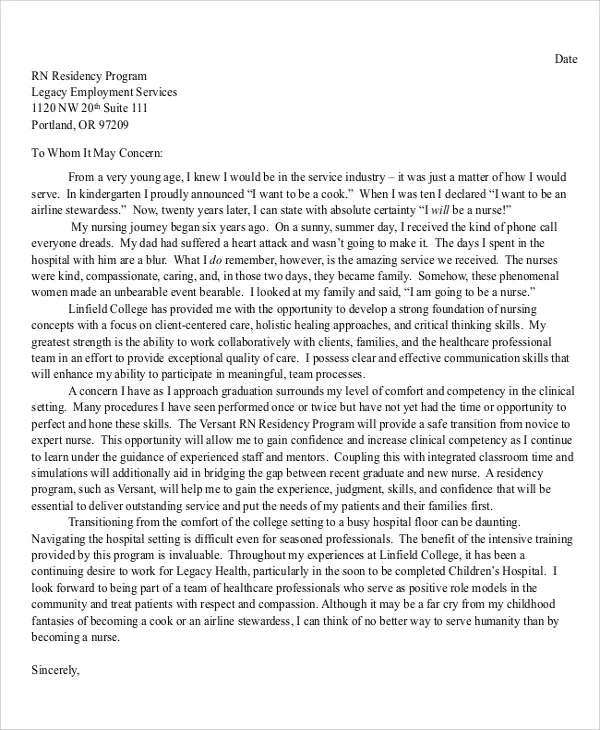
Crafting a Compelling Nursing Cover Letter
A well-crafted nursing cover letter is your first opportunity to make a positive impression on a potential employer. It’s a crucial component of your job application package, acting as a personal introduction and a showcase of your qualifications. This guide provides a comprehensive overview of how to create a nursing cover letter that grabs attention, highlights your strengths, and significantly increases your chances of landing that coveted interview. We’ll explore essential elements, formatting tips, and common pitfalls to avoid, ensuring your application stands out in a competitive field.
Understanding the Importance of a Nursing Cover Letter
In the healthcare industry, a cover letter is far more than just a formality; it’s a strategic tool. It allows you to express your passion for nursing, connect your skills to the specific requirements of the job, and demonstrate your understanding of the healthcare facility’s mission and values. A compelling cover letter immediately sets you apart from other applicants. It’s a chance to connect with the hiring manager on a personal level, showcasing not just your skills but also your personality and dedication to patient care. A strong cover letter will highlight your unique experience, qualifications, and genuine interest in the position.
Highlighting Key Skills and Experiences

The primary goal of your nursing cover letter is to effectively communicate your professional abilities and how they align with the job requirements. Identify the key skills mentioned in the job description and directly address how you possess them. Provide concrete examples of your experience to support your claims, illustrating your competence. This is also the ideal space to emphasize any special certifications, training, or areas of expertise that are particularly relevant to the position. Don’t just list skills; demonstrate them through achievements and real-world examples of how you’ve applied them in your nursing career.
Researching the Healthcare Facility
Before writing your cover letter, thoroughly research the healthcare facility. Understand its mission, values, and the specific patient population it serves. This research allows you to tailor your letter to the organization’s needs, demonstrating that you’re genuinely interested in the position and understand their goals. Mention specific programs, initiatives, or aspects of the facility that appeal to you. Showing this level of preparation shows a high level of enthusiasm and a proactive approach to the application process. Visit the facility’s website, read patient testimonials, and understand its recent achievements.
Tailoring Your Cover Letter
Generic cover letters are easily spotted and often discarded. Every cover letter should be tailored to the specific job and healthcare facility. Use keywords from the job description, customize your language to reflect the facility’s culture, and highlight experiences that directly relate to the position’s requirements. Avoid a one-size-fits-all approach. Instead, dedicate time to customize each letter to showcase how your skills and experiences uniquely match the role and the facility’s needs. This personalization substantially increases the impact of your application.
Formatting Your Nursing Cover Letter

Proper formatting makes your cover letter easy to read and visually appealing. Use a professional font, such as Times New Roman, Arial, or Calibri, in a readable size. Keep the letter concise and focused, ideally within one page. Use clear headings, bullet points (where appropriate), and ample white space to make the content digestible. Ensure the letter is free of typos, grammatical errors, and formatting inconsistencies. A well-formatted letter conveys professionalism and attention to detail, indicating that you take your application seriously and are prepared to represent yourself well.
Essential Elements for Your Nursing Cover Letter
Contact Information and Date
At the top of your cover letter, include your full name, address, phone number, and professional email address. Ensure your email address is professional and easy to read. Below your contact information, include the date. If you know the hiring manager’s name, address your letter to them; if not, you can use a general salutation.
Professional Salutation

The salutation sets the tone for your letter. If you know the hiring manager’s name, use a formal greeting like “Dear Mr./Ms./Dr. [Last Name]:”. If you don’t know the name, use “Dear Hiring Manager” or “Dear [Department Name] Hiring Team:” to maintain a professional approach. Avoid overly casual greetings, such as “Hi” or “Hello.” This initial greeting immediately establishes the professional tone of your cover letter.
The Body of Your Cover Letter
The body of your cover letter is where you showcase your skills, experience, and enthusiasm. This section should consist of an opening paragraph, showcasing your qualifications, quantifying your achievements, and expressing your enthusiasm for the role and facility. Each paragraph should have a clear purpose and contribute to the overall goal of securing an interview.
Opening Paragraph
Start with a strong opening statement that immediately grabs the reader’s attention. State the position you’re applying for and where you saw the job posting. Briefly mention your relevant qualifications and express your interest in the role. The opening paragraph is your chance to make a positive first impression and entice the hiring manager to read on. Keep it concise, enthusiastic, and focused on why you are a strong candidate.
Showcasing Your Qualifications

The core of your cover letter should highlight your relevant skills and experiences. Tailor this section to match the specific requirements outlined in the job description. Provide detailed examples of how you have demonstrated these skills in previous roles. Use action verbs to describe your accomplishments and responsibilities, and explain how your experiences align with the needs of the healthcare facility. Consider using bullet points to make key skills easy to identify.
Quantifying Achievements
Whenever possible, quantify your achievements to demonstrate your impact. Use numbers and data to illustrate your success. For example, you might say, “Improved patient satisfaction scores by 15%,” “Reduced medication errors by 20%,” or “Trained and mentored a team of five new nurses.” Numbers give your achievements credibility and demonstrate the tangible results you can bring to the role. This provides concrete evidence of your capabilities and distinguishes you from other candidates.
Expressing Enthusiasm
Show genuine enthusiasm for the position and the healthcare facility. Explain why you are drawn to the specific role, what motivates you about working in the healthcare field, and why this opportunity aligns with your career goals. This demonstrates your passion for nursing and your commitment to providing quality patient care. This also suggests that you are not simply seeking a job, but are genuinely invested in the facility and its mission.
Closing Paragraph

The closing paragraph should reiterate your interest in the position and thank the hiring manager for their time and consideration. Briefly summarize your key qualifications and express your eagerness to discuss your application further in an interview. Always include a call to action, asking for an interview and providing your contact information.
Call to Action and Closing
End your cover letter with a clear call to action, such as “I am eager to discuss my qualifications further in an interview” or “Thank you for your time and consideration. I look forward to hearing from you soon.” Use a professional closing, such as “Sincerely” or “Best regards,” followed by your typed name. A strong call to action demonstrates confidence and encourages the hiring manager to move forward with your application.
Proofreading and Editing Your Cover Letter
Before submitting your cover letter, carefully proofread it for any errors in grammar, spelling, and punctuation. Errors can significantly detract from the professionalism of your application. Read your cover letter aloud to catch any awkward phrasing or unclear sentences. Consider asking a friend, family member, or career counselor to review your letter for feedback. Ensure consistency in formatting and language throughout the document. This final step ensures your cover letter is polished and presents you in the best possible light.
Common Mistakes to Avoid in a Nursing Cover Letter

Generic Content and Lack of Personalization
Avoid using a generic cover letter that could be sent to any employer. Customize your letter for each specific job application. Demonstrate your understanding of the healthcare facility and its needs. Mention specific programs or initiatives that interest you. Show how your skills and experience directly address the requirements of the position and the values of the organization. Without personalization, your application will likely be overlooked.
Typos and Grammatical Errors
Typos and grammatical errors can create a negative impression, suggesting a lack of attention to detail and professionalism. Always proofread your cover letter carefully before submitting it. Use a grammar checker and consider having a second pair of eyes review it. Ensure your writing is clear, concise, and free of errors. Mistakes can easily disqualify you from consideration, so proofreading is essential.
Ignoring the Job Description
Failing to address the specific requirements of the job description is a common mistake. Carefully review the job posting and highlight your relevant skills and experiences. Directly connect your qualifications to the needs of the position, providing concrete examples of how you have demonstrated these skills in the past. Ignoring the job description indicates that you are not serious about the role or haven’t taken the time to understand the requirements. It’s crucial to align your application with the key needs identified by the employer.
Overly Formal or Informal Tone
Maintaining the right tone is crucial. While a professional tone is essential, avoid being overly formal to the point of sounding stiff or impersonal. Conversely, avoid using overly casual language. The tone of your cover letter should reflect your professionalism while also conveying your personality and passion for nursing. Aim for a balance that is both respectful and engaging, ensuring your voice and style are authentic.
Resume Cover Letter Examples for Nurses
Reviewing examples can help you structure and tailor your own cover letter. Use these as inspiration and modify them to reflect your unique qualifications and experiences. Remember to customize each example to match the specific job you are applying for.
Example 1 Registered Nurse
Dear Hiring Manager, I am writing to express my keen interest in the Registered Nurse position at [Hospital Name], as advertised on [Platform]. With five years of experience in critical care nursing, I am confident in my ability to provide excellent patient care. In my previous role at [Previous Hospital], I consistently managed a high patient load, provided detailed documentation, and effectively collaborated with interdisciplinary teams. I am particularly drawn to [Hospital Name]’s focus on [Specific program or value] and am eager to contribute my skills to your team. Sincerely, [Your Name]
Example 2 Licensed Practical Nurse
Dear Hiring Manager, I am writing to apply for the Licensed Practical Nurse position at [Facility Name]. I have a current LPN license and a passion for delivering compassionate patient care. During my experience at [Previous Facility], I assisted in medication administration, patient monitoring, and provided daily care. I am particularly interested in your facility’s focus on [Specific program or value] and believe my skills and experience align well with your mission. Sincerely, [Your Name]
Example 3 Nurse Practitioner
Dear Hiring Manager, I am applying for the Nurse Practitioner position at [Clinic Name], as advertised on [Platform]. With a Master of Science in Nursing and a strong clinical background, I am prepared to provide comprehensive care to patients of all ages. My experience includes diagnosing and treating various medical conditions, prescribing medications, and collaborating with physicians to develop and implement treatment plans. I am very interested in contributing to [Clinic Name]’s mission of providing exceptional healthcare services. Sincerely, [Your Name]
Finalizing and Submitting Your Cover Letter
Once you’ve written and edited your cover letter, finalize and prepare it for submission. Save your cover letter in a professional format, such as PDF, to ensure that the formatting remains consistent when opened by the hiring manager. Review all application instructions to ensure that you are submitting your cover letter in the required format and location. Verify all contact information and job details to prevent errors. Submit your cover letter with confidence, knowing that it effectively presents your qualifications and increases your chances of securing an interview.