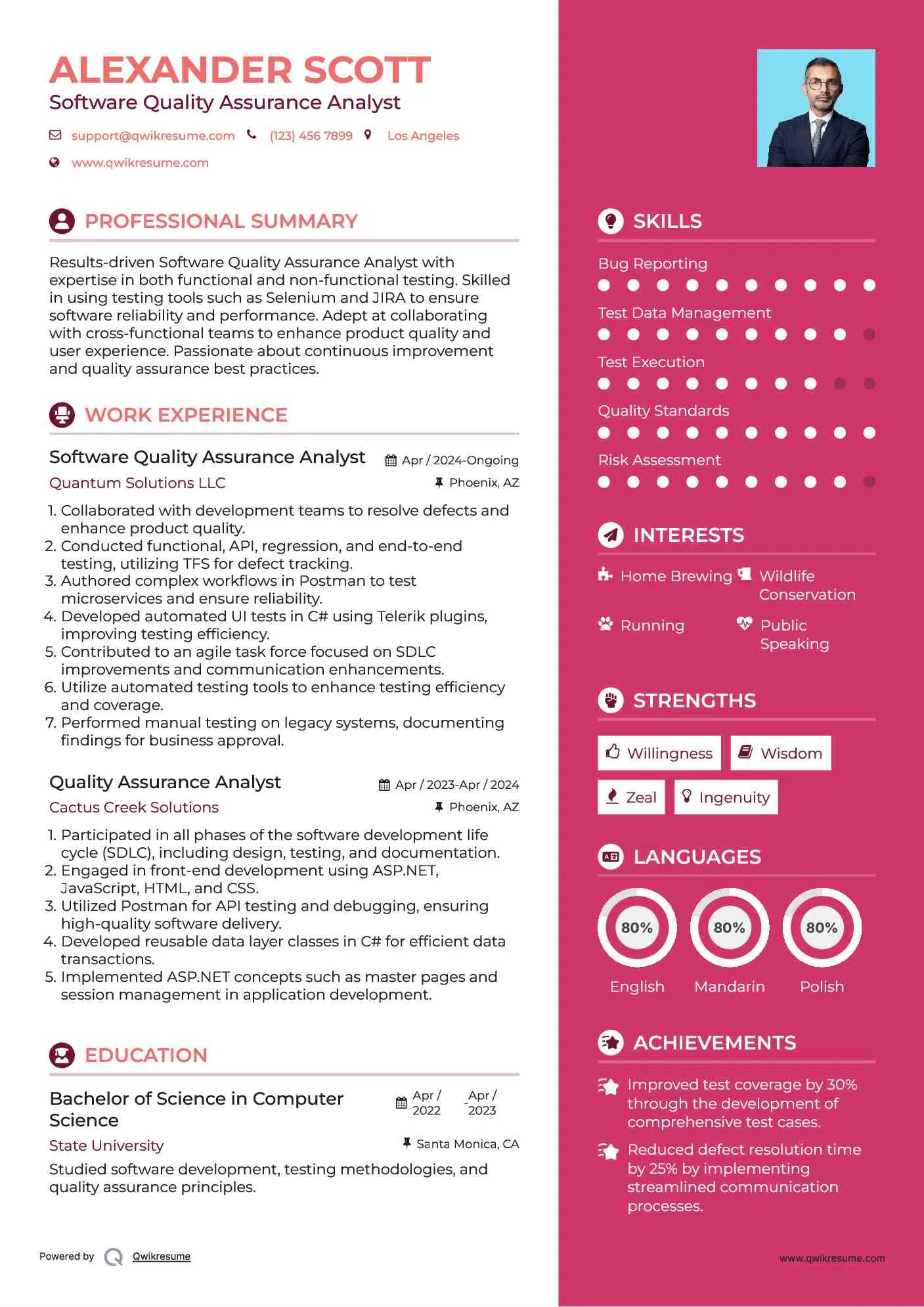
A well-crafted cover letter is your first chance to impress a potential employer and secure that coveted Quality Analyst position. It’s your opportunity to showcase your skills, experience, and personality, making you stand out from the competition. In this guide, we’ll provide you with essential tips to write a compelling cover letter that grabs attention and lands you an interview. From highlighting your key skills to avoiding common pitfalls, we’ll cover everything you need to know to create a winning cover letter. Let’s dive in and equip you with the tools you need to succeed in your job search!
Highlighting Your Quality Analyst Skills
Your cover letter should immediately spotlight the skills that make you a great fit for the Quality Analyst role. Focus on both technical proficiencies and soft skills, demonstrating your ability to not only perform the job but also to contribute to a positive and productive work environment. Carefully read the job description and align your skills with the requirements mentioned, making it clear how your expertise aligns with their needs. Tailoring your letter to the specific requirements of each job application is crucial for making a strong first impression.
Technical Skills
Detail your technical abilities with precision. Mention specific testing methodologies you’re proficient in, such as black box, white box, and grey box testing. List the programming languages you know, like Java, Python, or C++, which are often used in automation. Specify any experience with bug tracking systems like Jira or TestRail. Mention the types of systems you have experience testing such as web applications, mobile apps, or APIs. This shows you’re not just familiar with the concepts but can apply them effectively in real-world scenarios.
Software Testing Skills

Emphasize your proficiency in various testing techniques. Include your experience with different testing levels such as unit, integration, system, and user acceptance testing (UAT). Showcase your ability to create and execute test plans, test cases, and test scripts effectively. Highlight any experience with test management tools and bug tracking systems, such as Jira, TestRail, or similar platforms. Mention specific software testing methodologies like Agile or Waterfall if you have experience with them, as this demonstrates adaptability.
Automation Testing Skills
Showcase your expertise in test automation. List the automation tools you’re familiar with, such as Selenium, Appium, or JUnit. Describe your experience in writing automated test scripts, and highlight any successes you’ve had in automating tests for web, mobile, or API applications. Mention any experience with continuous integration and continuous delivery (CI/CD) pipelines, which are essential in modern software development. Include examples of how your automation efforts have improved efficiency or reduced bugs.
Communication and Collaboration Skills
While technical skills are crucial, don’t forget to highlight your communication and collaboration abilities. Quality Analysts need to communicate clearly with developers, project managers, and other stakeholders. Provide examples of when you’ve effectively communicated complex technical information to non-technical audiences. Mention any experience working in Agile teams and your ability to collaborate with developers to resolve issues. Show your ability to document findings thoroughly, write clear bug reports, and participate in project meetings.
Writing Style for a Quality Analyst Cover Letter

The way you present your cover letter is just as important as the content. Your writing style should be professional, clear, and concise. Avoid jargon that might confuse the reader, and instead, focus on straightforward language that communicates your abilities effectively. Keep your tone positive and enthusiastic, conveying your interest in the role and the company. Proper grammar, spelling, and punctuation are non-negotiable; they reflect your attention to detail, which is vital in a Quality Analyst role. Take your time and ensure every word contributes to a positive impression.
Formatting Your Cover Letter
Formatting plays a significant role in how your cover letter is perceived. Use a professional font like Arial, Times New Roman, or Calibri, with a font size between 10 and 12 points for readability. Maintain consistent formatting throughout the document, including spacing, margins, and alignment. Ensure the letter is well-structured with clear paragraphs and headings, making it easy for the hiring manager to scan and understand. Use bullet points to highlight key skills, achievements, and experiences, as this breaks up the text and makes your letter more visually appealing.
Tailoring Your Letter to the Job Description
Each cover letter should be customized for the specific job and company. Review the job description carefully and identify the key requirements, skills, and qualifications the employer is seeking. Customize your cover letter to address these specific points directly. Use keywords from the job description throughout your letter, but do so naturally, not excessively. Show the hiring manager that you’ve read the job description and understand the role and the company’s needs. This personalization demonstrates that you have taken the time to consider their requirements and are a good fit.
Emphasizing Achievements over Responsibilities

Instead of merely listing your responsibilities, focus on your achievements and the results you have delivered. Employers want to see how you’ve made a difference in past roles. Instead of saying ‘I was responsible for testing software,’ say ‘I reduced the number of critical bugs by 25% through rigorous testing and improved test coverage.’ Quantifiable achievements make your cover letter much more compelling and showcase your value to the employer. Use the STAR method (Situation, Task, Action, Result) to structure your achievements, providing context and showing the impact of your work.
Quantifiable Results
Always include quantifiable results to showcase the impact of your work. Whenever possible, use numbers, percentages, and specific metrics to illustrate your achievements. For example, ‘Improved test case efficiency by 30%,’ or ‘Identified and resolved over 100 bugs, leading to a 15% reduction in customer complaints.’ These metrics prove your effectiveness and provide concrete evidence of your abilities. Use data to show the tangible benefits you’ve brought to previous employers, making your application stand out from the rest.
Using Action Verbs
Start your sentences with strong action verbs to make your cover letter more dynamic and engaging. Instead of using passive phrases, opt for action verbs that illustrate what you did. For example, use verbs like ‘developed,’ ‘implemented,’ ‘managed,’ ‘analyzed,’ ‘optimized,’ ‘improved,’ and ’led.’ This creates a sense of momentum and shows that you are proactive and results-driven. Action verbs add energy to your writing and make your cover letter more compelling and easier to read, capturing the reader’s attention and emphasizing your accomplishments.
Proofreading and Editing Your Cover Letter

Proofreading and editing are critical steps that you should never skip. A cover letter filled with errors can damage your credibility and make you appear unprofessional. Before submitting your letter, carefully review it for any grammatical errors, spelling mistakes, or punctuation issues. Read it aloud to catch awkward phrasing or sentence structure. Consider asking a friend or family member to proofread your letter as a fresh pair of eyes can often spot mistakes that you might miss. Attention to detail is paramount, and your cover letter should reflect this.
Common Mistakes to Avoid
There are several common mistakes to avoid when writing a cover letter. Don’t make generic statements; tailor your letter to each job. Avoid simply restating your resume; instead, elaborate on your experiences and showcase your personality. Don’t exceed one page in length; keep it concise and focused. Steer clear of negative language or complaining about previous employers. Lastly, never submit a cover letter without thoroughly proofreading it for errors. Avoiding these pitfalls will help you present yourself in the best possible light and improve your chances of landing an interview.
Grammar and Spelling Errors
Ensure your cover letter is free of grammar and spelling mistakes. Errors make you appear careless and unprofessional. Use a grammar checker like Grammarly and run a spell check. Read your letter multiple times, slowly and carefully. Pay attention to sentence structure, punctuation, and word choice. Ensure your language is clear, concise, and professional. Correct grammar and spelling showcase your attention to detail and your commitment to presenting yourself well to potential employers, making you stand out as a candidate.
In conclusion, writing a compelling cover letter for a Quality Analyst position is an art that requires careful planning, attention to detail, and a clear understanding of what employers are looking for. By highlighting your skills, tailoring your letter, emphasizing achievements, and proofreading thoroughly, you can create a cover letter that sets you apart and increases your chances of getting an interview. Follow these tips, and you’ll be well on your way to landing your dream job as a Quality Analyst. Good luck with your job search!