Project Manager Cover Letter Top 5 Secrets
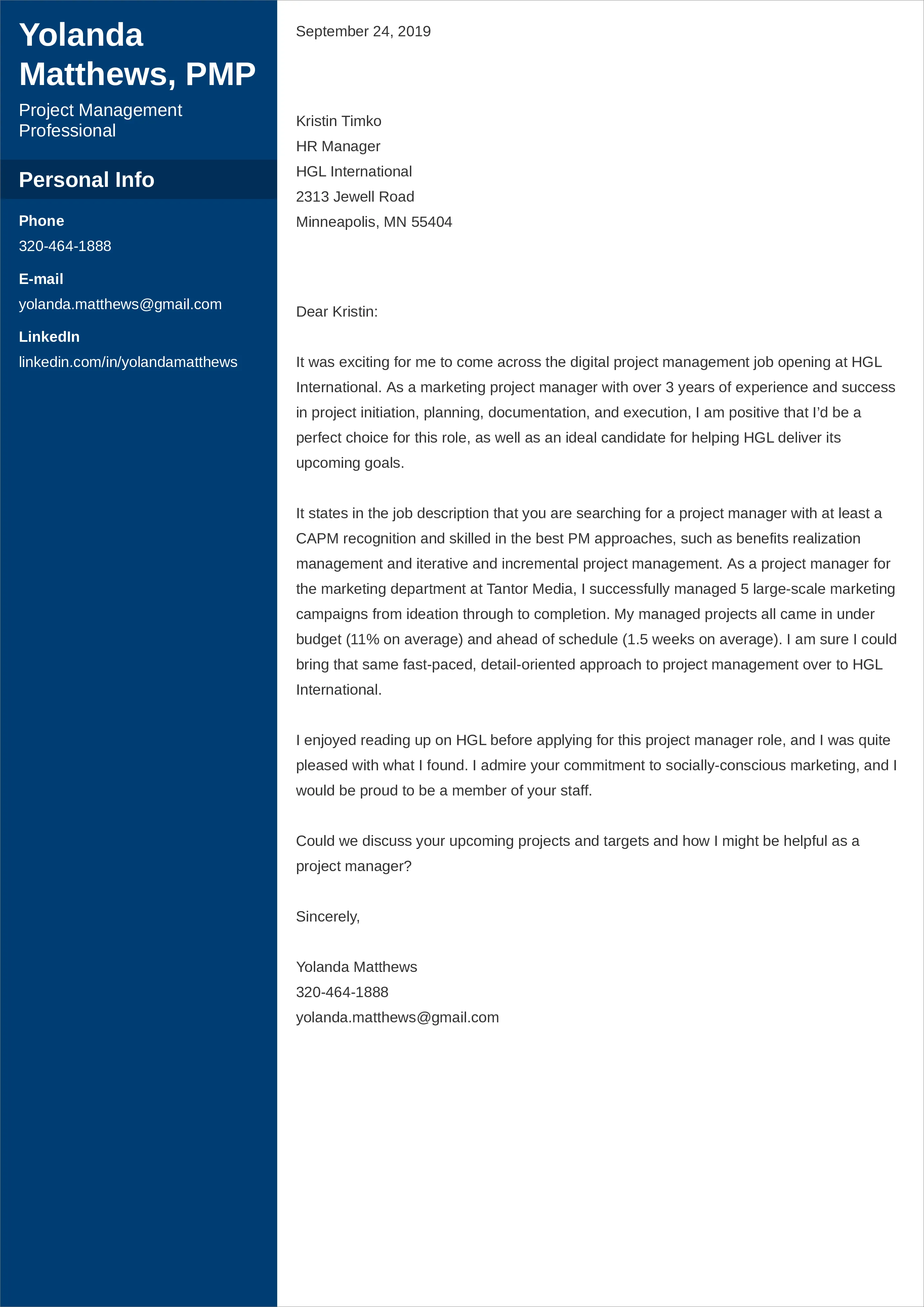
A project manager cover letter is your first chance to make a strong impression on a potential employer. It’s more than just a formality; it’s an opportunity to showcase your skills, experience, and personality. Crafting a compelling cover letter can significantly increase your chances of landing an interview and ultimately, the job. This article will delve into the top 5 secrets for creating a standout cover letter that gets you noticed in the competitive field of project management.
Highlighting Your Project Management Skills
Your cover letter should immediately highlight your core project management skills. These include planning, organizing, leading, and controlling projects to achieve specific goals. When discussing these skills, use action verbs to describe your accomplishments. For example, instead of saying “I have experience in project planning,” write “I successfully planned and executed projects, delivering them on time and within budget.” Mention specific methodologies you are familiar with, such as Agile, Scrum, or Waterfall. Demonstrate your proficiency in using project management software like Jira, Asana, or Microsoft Project. Tailor your skills to align with the job description; if the role emphasizes risk management, be sure to showcase your expertise in this area.
Quantifying Your Achievements

Numbers speak volumes in project management. Instead of simply stating your responsibilities, quantify your achievements to demonstrate your impact. Use metrics to showcase your successes. For example, instead of saying “I managed projects,” say “I managed projects with budgets ranging from $100,000 to $1 million, consistently delivering projects under budget by an average of 10%.” Other metrics to consider include the number of projects completed, the percentage of projects delivered on time, the reduction in project costs, or the increase in team efficiency. The more specific you are, the more impressive your achievements will be. Quantifying your achievements provides concrete evidence of your capabilities and makes your cover letter much more compelling.
Tailoring Your Cover Letter to the Job Description
One of the biggest mistakes project managers make is sending a generic cover letter. Customization is key to making a strong impression. Carefully read the job description and identify the key requirements, skills, and responsibilities. Then, tailor your cover letter to directly address these points. Use the same keywords and phrases that the employer uses in the job posting. Explain how your experience and skills align with their specific needs. This shows that you have taken the time to understand the role and are genuinely interested in the opportunity. Personalize the letter by referencing the company’s values, mission, or recent projects that resonate with you. Demonstrate that you have researched the company and are enthusiastic about contributing to their success.
Showcasing Your Leadership Abilities
Project managers are leaders. Your cover letter should highlight your ability to lead and motivate teams. Provide examples of how you have successfully led project teams to achieve their goals. Describe your leadership style and how you create a positive and productive work environment. Showcase your ability to delegate tasks, resolve conflicts, and build strong relationships with team members and stakeholders. Mention any leadership training or certifications you have received. Use action verbs that emphasize your leadership qualities, such as “led,” “managed,” “mentored,” “motivated,” or “directed.” Leadership is a crucial skill for project managers, and demonstrating your abilities in this area will set you apart from other candidates.
Demonstrating Your Communication Skills

Effective communication is paramount in project management. Your cover letter should clearly demonstrate your excellent written and verbal communication skills. Highlight your ability to communicate complex information concisely and persuasively. Mention your experience in preparing and delivering presentations, writing reports, and facilitating meetings. Provide examples of how you have successfully communicated with stakeholders at all levels, including clients, team members, and senior management. Show your ability to tailor your communication style to different audiences. Use professional language and a clear, concise writing style throughout your cover letter. Poor communication can derail projects, so emphasizing your communication skills is critical.
Emphasizing Relevant Project Experience
Focus on your relevant project experience. While it’s important to highlight your overall skills, prioritize experiences that are most applicable to the specific job you’re applying for. Briefly describe the projects you’ve managed, emphasizing your role, the project’s objectives, and the outcomes. If you have experience in the industry or type of projects the company specializes in, make sure to emphasize that. When discussing your projects, use the STAR method (Situation, Task, Action, Result) to provide a clear and concise overview of your contributions and accomplishments. This helps the hiring manager quickly understand your relevant experience and its value to the company. Include specific examples of how you overcame challenges, managed risks, and achieved project goals.
Selecting the Right Formatting and Tone
The formatting and tone of your cover letter are just as important as the content. Your cover letter should be well-organized, easy to read, and visually appealing. Use a professional font and a clear layout. Keep paragraphs concise and use bullet points to highlight key information. The tone should be professional, confident, and enthusiastic. Avoid sounding overly formal or stuffy. Be yourself and let your personality shine through. Show your genuine interest in the role and the company. Proofread your cover letter carefully to ensure there are no grammatical errors or typos. The formatting and tone contribute to the overall impression you make, so take the time to get them right.
Proofreading Your Cover Letter Meticulously

Errors in your cover letter can undermine your credibility and damage your chances of getting hired. Always proofread your cover letter meticulously before submitting it. Read it several times, paying attention to grammar, spelling, punctuation, and formatting. It’s helpful to have a fresh pair of eyes review your cover letter as well. Ask a friend, colleague, or career counselor to proofread it for you. Use grammar and spell-check tools, but don’t rely on them entirely; they can miss subtle errors. Ensure that your contact information is accurate and up-to-date. A polished and error-free cover letter demonstrates your attention to detail and professionalism, which are essential qualities for a project manager.
Including a Strong Call to Action
End your cover letter with a strong call to action. This tells the hiring manager what you want them to do next. Clearly state your interest in the position and express your desire to learn more about the opportunity. Include a specific request, such as “I am eager to discuss how my skills and experience can contribute to your team. I am available for an interview at your earliest convenience.” Or, “I am excited about the opportunity to bring my project management expertise to your company. Thank you for your time and consideration; I look forward to hearing from you soon.” Make it easy for the hiring manager to contact you by including your phone number and email address. A strong call to action encourages the hiring manager to take the next step and increases your chances of securing an interview.
What Not to Include in Your Cover Letter
Avoid including unnecessary or irrelevant information in your cover letter. Keep it concise and focused on your qualifications for the specific role. Do not rehash your entire resume; instead, highlight the most relevant aspects of your experience. Avoid using generic opening or closing statements. Do not include salary expectations unless specifically requested. Refrain from mentioning negative experiences or reasons for leaving previous jobs. Avoid clichés, jargon, and overly formal language. Do not include personal information that is not relevant to the job. Keep your cover letter professional, positive, and focused on your qualifications and what you can bring to the company.
Common Mistakes to Avoid

Be mindful of the common mistakes that can undermine your cover letter. Do not make spelling or grammatical errors. Avoid using a generic cover letter for multiple applications. Do not exceed one page in length. Avoid being overly boastful or arrogant. Do not use passive voice; be direct and assertive. Avoid neglecting to tailor your cover letter to the specific job and company. Do not forget to proofread your cover letter before submitting it. By avoiding these common pitfalls, you can significantly increase the effectiveness of your cover letter and improve your chances of landing an interview. The best cover letters are customized, concise, and compelling, showcasing your unique value as a project manager.