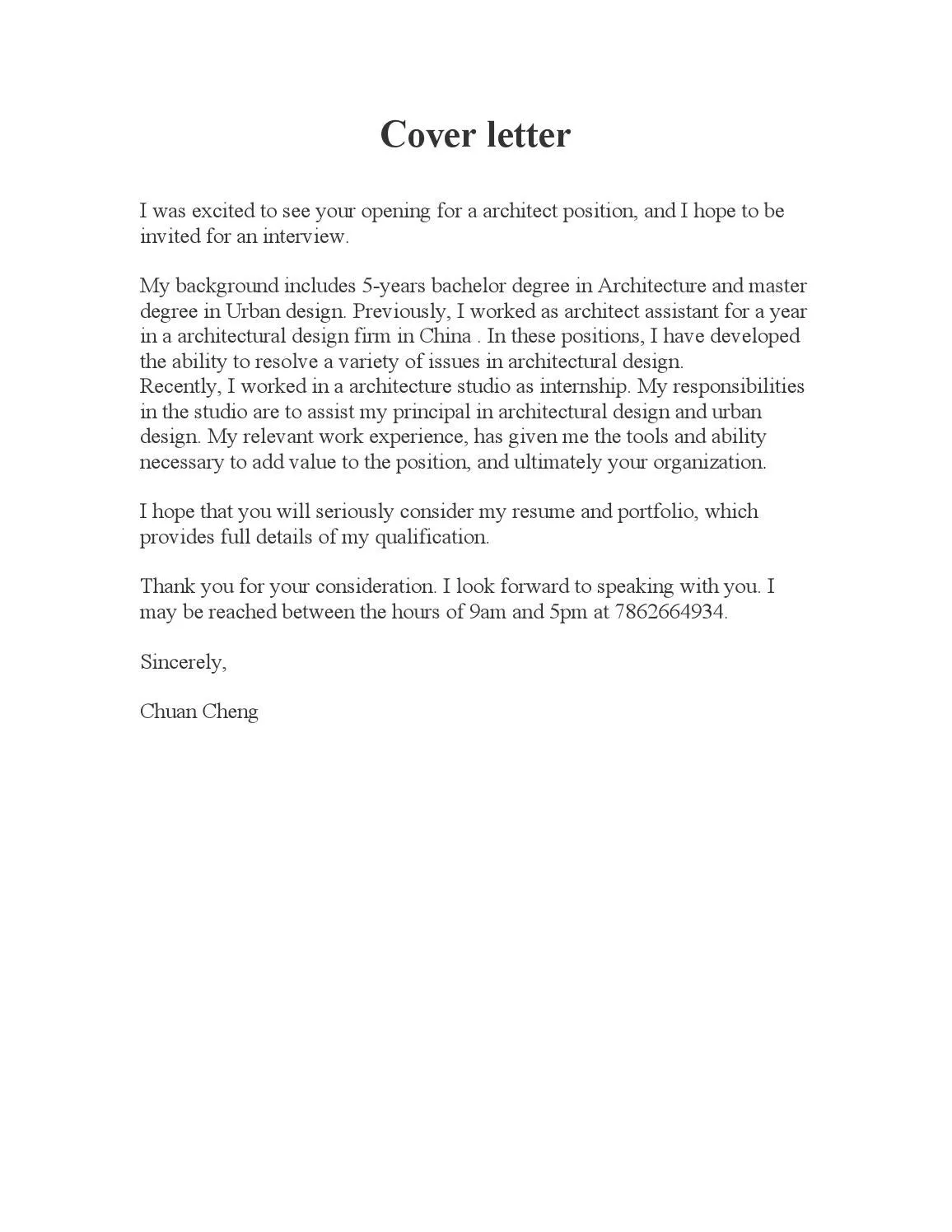
Understanding the Portfolio Cover Letter
A portfolio cover letter is more than just an introduction; it’s your personal sales pitch. It accompanies your portfolio, providing context, showcasing your personality, and highlighting the specific skills and experiences most relevant to the opportunity you’re pursuing. Unlike a generic cover letter, a portfolio cover letter is tailored to the visual or tangible work you’re presenting, allowing you to connect your achievements with the specific needs of the recipient. It’s your opportunity to control the narrative and guide the reader through your best work, making a strong first impression that goes beyond the pieces themselves.
The Purpose of a Portfolio Cover Letter
The primary purpose is to provide context for your portfolio. It clarifies your goals, ambitions, and how your work aligns with the opportunity. It also allows you to explain your creative process, the challenges you’ve overcome, and the impact of your work. It is your chance to demonstrate your communication skills, your personality, and your enthusiasm for the role or project. A well-crafted cover letter can significantly increase the impact of your portfolio, making it more memorable and persuasive.
It bridges the gap between your portfolio’s visual or tangible representation of your skills and a potential employer’s understanding of your suitability for the role. By summarizing your experience, connecting your work to the job requirements, and expressing your enthusiasm, you can significantly increase your chances of landing an interview or project.
Highlighting Your Skills and Experience

In your portfolio cover letter, it is essential to highlight the skills and experiences that are most relevant to the job or project you’re applying for. Start by identifying the key requirements listed in the job description or project brief. Then, select examples from your portfolio that best demonstrate these skills. When describing your experiences, use action verbs to showcase what you did, the results you achieved, and how your skills benefited the previous employer or client. This approach helps the reader quickly understand your value and see how your portfolio aligns with their needs. Consider the skills that are most essential to the position and focus on showcasing evidence of mastery.
Quantify your achievements whenever possible. Did you increase website traffic? Did you improve customer satisfaction scores? Use numbers and data to illustrate the impact of your work. Make sure to always align your skills and experiences to match the opportunity or client needs. Don’t be afraid to mention any unique experiences or special projects that highlight your specific skills and abilities.
Key Components of a Portfolio Cover Letter
Contact Information
Begin with your contact information at the top of the letter. This should include your name, phone number, email address, and possibly a link to your online portfolio or LinkedIn profile. Ensure that your contact information is current and professional. It is crucial that your information is easily accessible so that the recipient can quickly reach you for further discussion.
The Opening Statement

Start with a strong opening that grabs the reader’s attention. Mention the specific role or project you’re applying for and how you learned about it. If you’re responding to a specific job posting, reference the job title and the company. If you’re reaching out proactively, express your interest in the company or industry. Clearly state your purpose for writing, indicating why you’re interested in the opportunity and what you hope to achieve with your portfolio.
Body Paragraphs
The body paragraphs are the heart of your cover letter. They provide detailed information about your skills, experience, and qualifications. Focus on 2-3 key points that align with the job requirements or project goals. Support each point with specific examples from your portfolio. Describe your achievements using action verbs, and quantify your results whenever possible. Tailor these paragraphs to align with the specific needs of the role. This is where you show how your previous work relates to what the employer is looking for.
Call to Action
Conclude your cover letter with a clear call to action. Express your enthusiasm for the opportunity and reiterate your interest. State your availability for an interview or a follow-up conversation. Thank the reader for their time and consideration. It is important to make it easy for the recipient to take the next step, such as inviting them to review your portfolio again or providing a direct link.
Formatting and Structure for Success

Choosing the Right Tone and Voice
Your tone should be professional and enthusiastic. Use a tone that reflects your personality, but always maintain a respectful and courteous approach. Tailor your tone to match the company culture and the industry. Research the company and the role to ensure you are appropriately matching your cover letter’s tone. Avoid sounding too casual or overly formal; aim for a balance that feels natural and engaging.
Formatting Guidelines
Use a clean, professional font such as Arial, Times New Roman, or Calibri. Maintain consistent formatting throughout the document, including font size, line spacing, and margins. Keep your letter concise, aiming for one page. Use bullet points or numbered lists to highlight key achievements or skills. Break up large blocks of text with headings and subheadings to improve readability. Proofread carefully to ensure there are no typos or grammatical errors. A well-formatted letter is visually appealing and easy to read.
Proofreading and Editing Your Letter

Proofread your cover letter multiple times for any errors in grammar, spelling, and punctuation. Consider having a friend, colleague, or mentor review your letter for clarity and accuracy. Check for inconsistencies in formatting, tone, or language. Ensure the letter is free of jargon or overly complex language. Double-check all contact information to ensure it is correct and up-to-date. A polished cover letter shows your attention to detail and professionalism.
Tailoring Your Cover Letter Template
Researching the Employer or Opportunity
Before you write your cover letter, research the company and the specific role or project. Visit the company website, read their mission statement, and understand their values. Review the job description thoroughly and identify the key skills and qualifications they are seeking. This research will help you tailor your letter to meet their specific needs and show your genuine interest in the opportunity. Understanding the specific needs of the role or company will guide you to writing a tailored cover letter.
Customizing for Different Portfolios

Adapt your cover letter to match the type of work showcased in your portfolio. For example, a graphic designer might emphasize their proficiency in design software and their ability to create visually appealing content. A writer might focus on their writing skills, editing abilities, and their experience writing various types of content. Always make sure your cover letter highlights the skills and experiences that are most relevant to the specific opportunity or project. Tailoring your letter demonstrates your ability to align your work with the client’s needs. Adapt your letter to mirror the work inside your portfolio.
Using Keywords Effectively
Incorporate relevant keywords from the job description or project brief throughout your cover letter. Use these keywords naturally within your sentences, highlighting your skills and experience. Avoid keyword stuffing, which can make your letter sound unnatural and detract from its impact. Use keywords strategically to demonstrate your understanding of the role requirements and to help your letter get noticed by Applicant Tracking Systems (ATS). Ensure the keywords are organically woven into the text, which ensures your letter reads smoothly and is not repetitive.
Examples of Successful Portfolio Cover Letters
Reviewing successful portfolio cover letter examples can provide valuable insights and inspiration. Study different formats, tones, and approaches to see what works best. Adapt the strategies used in successful examples to create a cover letter that highlights your unique strengths and aligns with your goals. Consider the skills the examples are showcasing to improve your own understanding of how you can write a great letter. Understand what the examples are doing right and adapt it for your own use. Remember to always customize the letter to fit your own needs and requirements.
Example 1 Highlighting Design Skills

A design portfolio cover letter might start with an enthusiastic introduction, highlighting the applicant’s passion for design and their interest in the company. The body paragraphs would then highlight key design skills and experiences. These could include proficiency in design software, such as Adobe Creative Suite. They could also include examples of successful design projects, explaining the design process, the client’s needs, and the results achieved. The letter concludes with a call to action that encourages the reader to review the portfolio and contact the applicant for an interview. Include specific examples of designs that align with the company’s products or services.
Example 2 Showcasing Writing Samples
A writer’s portfolio cover letter would focus on showcasing their writing and editing skills. The introduction should express their excitement to contribute their skills to the company. The body paragraphs should provide examples of writing samples that align with the job requirements. They could include articles, blog posts, website content, and other writing projects that highlight their abilities. The letter will showcase how these projects met their goals, such as increasing website traffic or improving customer engagement. The call to action should invite the reader to review the portfolio and contact the applicant for further discussion. Demonstrate a variety of writing skills and styles.
Example 3 Focusing on Photography
A photographer’s portfolio cover letter would highlight their ability to capture stunning images. The introduction should showcase the photographer’s enthusiasm for the project or opportunity. The body paragraphs could showcase their portfolio, including examples of the photographer’s work. It is important to provide the context of each photograph, including the location and equipment used. The letter could also include any awards received and the impact their work had. Always provide a call to action, such as inviting the recipient to review the portfolio and contact the photographer for an interview. Show the various aspects of the photographer’s skills and accomplishments.
Tips for Writing an Effective Portfolio Cover Letter

Emphasize Your Unique Value Proposition
Clearly articulate what makes you stand out from other candidates. What unique skills, experiences, or perspectives do you bring to the table? How do you approach challenges or solve problems? Use the cover letter to demonstrate your unique value proposition. Focus on the specific aspects of your work or your approach that differentiate you from the competition. This will help your cover letter be more memorable.
Quantify Your Achievements
Provide measurable results to demonstrate the impact of your work. Include numbers and data to support your claims. Quantify your achievements whenever possible, such as the number of projects completed, the amount of revenue generated, or the percentage increase in customer engagement. These types of achievements show your value in a quantifiable way. Quantifiable results make your achievements more credible and impressive.
Show, Don’t Just Tell
Instead of simply stating your skills and abilities, provide specific examples from your portfolio that illustrate your capabilities. Describe the context of your work, the challenges you overcame, and the results you achieved. Use storytelling to engage the reader and make your portfolio more memorable. Show the reader what you are capable of instead of just telling them.
Common Mistakes to Avoid
Avoid generic templates that are not tailored to the specific opportunity. Ensure your letter is free of typos, grammatical errors, and formatting inconsistencies. Do not use excessive jargon or overly complex language. Avoid sounding arrogant or overly boastful; maintain a professional and humble tone. Do not include irrelevant information or outdated information. Ensure your cover letter is unique to you and the job to which you’re applying. Always proofread to remove any errors.