Highlighting Transferable Skills
Even without direct experience as a phlebotomy technician, your cover letter can shine by showcasing transferable skills. These are skills you’ve acquired in previous roles, education, or volunteer experiences that are relevant to phlebotomy. Think about what you’ve learned and how it can apply to the job. For instance, if you’ve worked in customer service, you likely have experience with communication, empathy, and handling stressful situations. These are all valuable assets in a phlebotomy role. Similarly, if you’ve been involved in any medical assisting courses or have volunteered at a clinic or hospital, these experiences can provide great context for a hiring manager to consider. Focus on these transferable skills and how they translate to the needs of a phlebotomy position. These are the secrets to getting your application noticed.
Identifying Relevant Skills
Pinpointing the most relevant skills is crucial. Start by carefully reviewing the job description. Identify the specific skills the employer is seeking. Then, reflect on your own skills and experiences to determine where you align. Common skills sought in phlebotomy technicians include venipuncture, patient interaction, sample handling, and laboratory procedures. Consider any experiences where you’ve demonstrated these skills, even in a different context. If you’ve practiced venipuncture techniques in a training program, mention it. If you’ve handled sensitive information or worked with patients in a healthcare setting, emphasize that. It’s all about making the connections between your existing skillset and the requirements of the job. Don’t underestimate the value of soft skills such as communication, accuracy and organization.
Emphasizing Soft Skills

Soft skills are as important as technical skills. Phlebotomy requires a combination of technical proficiency and interpersonal abilities. Employers look for candidates who can communicate effectively, remain calm under pressure, and provide compassionate care. In your cover letter, highlight instances where you’ve demonstrated these soft skills. Did you successfully resolve a conflict with a customer? Describe the situation and the steps you took. Have you ever had to deal with a difficult situation or stressful environment? Did you demonstrate patience and understanding? Share examples of these scenarios, showing how you used your soft skills to achieve a positive outcome. This helps make you more than just a name on paper. This builds your credibility.
Quantifying Accomplishments
Whenever possible, quantify your accomplishments. Numbers and data make your claims more credible and impactful. Instead of simply stating that you have “good communication skills,” try to provide concrete examples. For example, “Successfully communicated with an average of 30 patients per day, ensuring their comfort and understanding of procedures.” Similarly, if you have experience handling medical information, you could say “Maintained accurate records for over 50 patients daily, ensuring data integrity and compliance with privacy regulations.” Even if you don’t have direct phlebotomy experience, you can still quantify your achievements in other roles. Quantifying your skills makes your cover letter more persuasive and memorable. This will assist in helping you get an interview.
Demonstrating Passion
Showing genuine enthusiasm for the phlebotomy field can set you apart. Explain what draws you to this profession and why you’re interested in the specific role. Do you have a personal connection to healthcare? Are you passionate about helping others? Did you complete a certification program or take a phlebotomy course? Share this information in your cover letter. Let the employer know that you’re not just looking for a job, but a career. Be specific about what excites you about phlebotomy and how you envision yourself contributing to the organization. This shows your dedication and motivation. Showcasing your passion will make you a more desirable candidate.
Expressing Enthusiasm

Expressing enthusiasm isn’t just about using positive language. It’s about demonstrating a deep interest in the position and the organization. Research the employer and the specific role you’re applying for. Tailor your cover letter to show you understand the company’s mission, values, and goals. Mention specific aspects of the job that interest you or describe why you admire the organization. By demonstrating genuine enthusiasm, you create a strong first impression and signal your commitment to the role. This enthusiasm is often enough to get you past the first hurdle.
Tailoring to the Job Description
Customization is key to a successful cover letter. Never send a generic letter. Always tailor your cover letter to each job application. Carefully review the job description and identify the specific requirements and qualifications the employer is looking for. Use the same keywords and phrases from the job description in your cover letter. This will make it clear to the hiring manager that you have the right qualifications and are a good fit for the role. When you show you are invested in the job, it is more likely that the hiring manager will want to invest their time in you.
Researching the Employer
Conduct thorough research on the employer. Visit their website, read online reviews, and look at their social media profiles. Find out about their mission, values, and culture. This information will help you tailor your cover letter and demonstrate your genuine interest in the organization. Show that you’ve taken the time to learn about them and that you understand what they are looking for in a candidate. This research allows you to write a more personal and compelling cover letter. Doing this can set you apart from other applicants.
Matching Skills to Requirements
Once you understand the employer’s needs and expectations, it’s time to match your skills to those requirements. Identify the key skills and qualifications listed in the job description. Then, provide specific examples of how your skills align with what the employer is seeking. This could be through a previous role, a volunteer experience, or even through educational coursework. Be clear and concise, and make sure that you connect your skills and accomplishments to the needs of the job. By highlighting your skills, you’re more likely to land an interview.
Formatting and Presentation
The way your cover letter looks is as important as what it says. Employers often use cover letters as a quick screening tool, so it’s important to create a well-organized and easy-to-read document. Choose a clean, professional font like Arial, Calibri, or Times New Roman. Use a standard font size (11 or 12 points). Keep your paragraphs short and concise. Use bullet points to highlight key skills or accomplishments. Proofread your cover letter carefully to eliminate any errors in grammar or spelling. A well-formatted and error-free cover letter will make a positive impression on the employer.
Choosing the Right Format
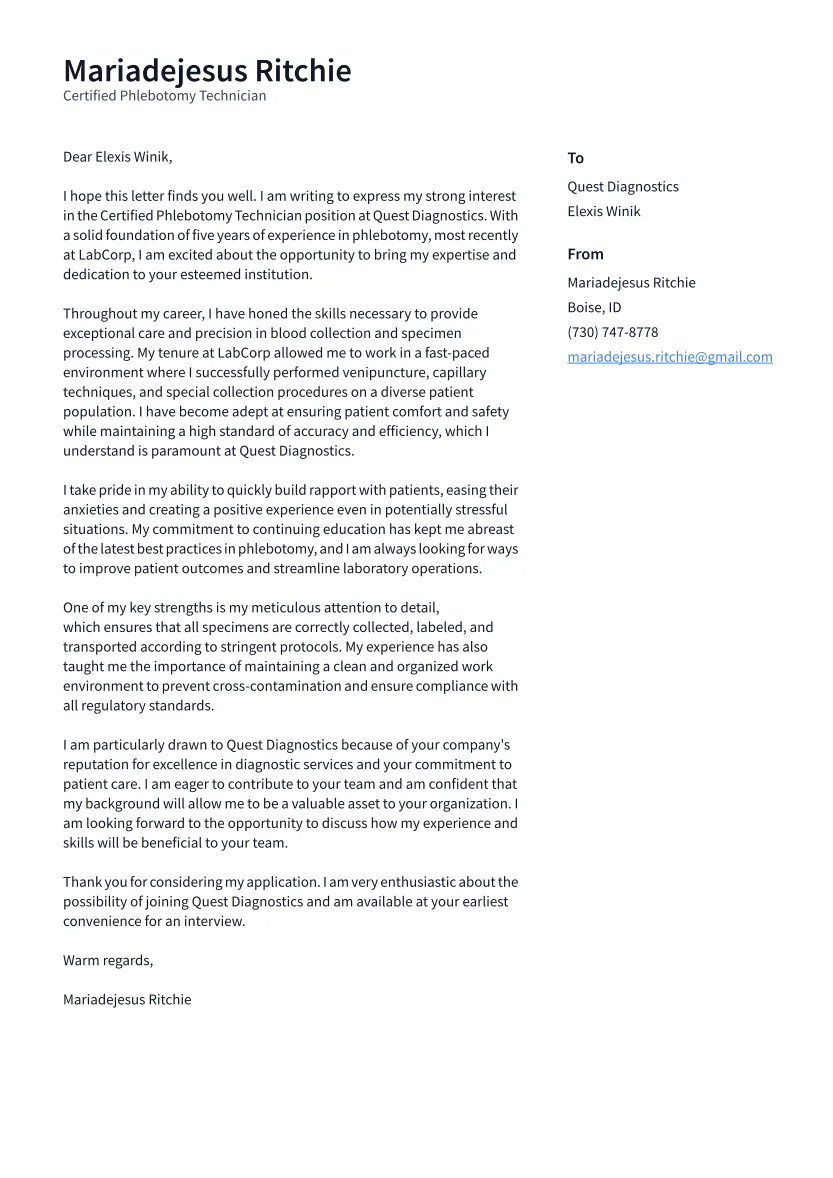
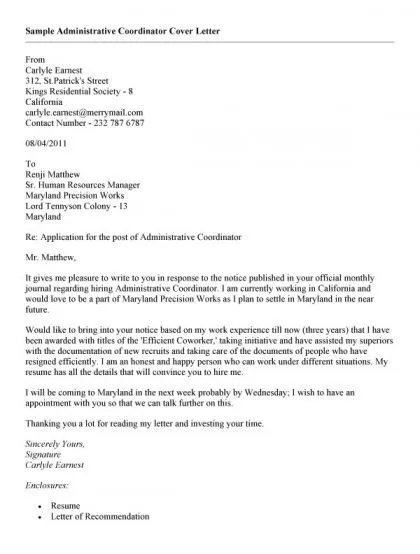
Choose a cover letter format that best showcases your skills and experience. For most phlebotomy technician positions, a standard business letter format is appropriate. This includes your contact information at the top, the employer’s contact information, a formal salutation, a body of text, and a professional closing. Use a clear and concise structure. The format should enhance readability and make it easy for the hiring manager to find the information they need. Keep it clean and professional. Ensure your contact information is correct. It’s important to have your contact information in the header, as well as near the end of the letter.
Proofreading and Editing

Proofreading and editing is crucial for any cover letter. Errors in grammar, spelling, or punctuation can undermine your credibility and make you look unprofessional. Before submitting your cover letter, carefully proofread it multiple times. If possible, ask a friend, family member, or career counselor to review it as well. They may catch errors that you missed. Using online tools is useful, but human review is ideal. This will ensure your cover letter is error-free and polished. Never submit a letter that is not error-free.
Adding a Compelling Call to Action
The final step in your cover letter is a compelling call to action. This is where you tell the employer what you want them to do next. Be specific and encourage them to take action. State that you are interested in an interview. This allows you to leave a lasting positive impression. Highlight your key qualifications and reiterate your interest in the position. Make it easy for the hiring manager to move forward. This will increase your chances of getting an interview.
Suggesting an Interview
Make it clear that you are eager to discuss your qualifications further in an interview. In your closing paragraph, express your interest in meeting with the hiring manager. State that you are available for an interview at their earliest convenience. Provide your contact information again, just in case they missed it. This will encourage the hiring manager to consider you for the role. This is a good way to end your cover letter and show your excitement for the job.
Providing Contact Information

Make it easy for the employer to reach you by providing your contact information. Include your phone number, email address, and LinkedIn profile URL (if you have one). Ensure this information is accurate and up-to-date. Double-check all the details before you submit your cover letter. Your contact information will allow the employer to quickly contact you if they are interested in your application. Always check your email and voicemail regularly.