Understanding the Purpose of a Nurse Cover Letter
A well-crafted cover letter is your first opportunity to make a strong impression on a potential employer. It’s more than just a formality; it’s your chance to introduce yourself, highlight your key skills and experiences, and express your genuine interest in the nursing position. Unlike a resume, which provides a factual overview of your qualifications, a cover letter allows you to showcase your personality, enthusiasm, and unique value proposition as a nurse. This guide will help you create a compelling cover letter that grabs the reader’s attention and increases your chances of landing an interview. Let’s delve into the crucial elements that make a cover letter effective and how you can tailor it to stand out from the competition. Remember, a strong cover letter is your advocate in the application process, so make sure it effectively communicates your qualifications and passion for nursing.
Why a Cover Letter is Crucial for Nurses
In the competitive field of nursing, a cover letter is an essential tool. It provides context to your resume, allowing you to elaborate on your experiences and demonstrate how your skills align with the specific requirements of the job. It’s an opportunity to convey your passion for nursing, emphasizing your commitment to patient care and your understanding of the healthcare environment. For new graduates, it can highlight clinical rotations, projects, or any relevant experiences that showcase your potential. For experienced nurses, a cover letter allows you to connect your past accomplishments to the new role and demonstrate your career progression. It allows you to explain any gaps in your resume and elaborate on your career aspirations.
Furthermore, a cover letter demonstrates your written communication skills, which are critical in healthcare. It reflects your attention to detail, professionalism, and ability to express yourself clearly and concisely. A well-written cover letter can set you apart, especially when applying for a highly competitive position. Employers often use cover letters as a screening tool to gauge your communication skills and suitability for the role. A strong cover letter signifies that you are serious about the position and have taken the time to understand the employer’s needs. It is, therefore, a vital component of your job application, significantly increasing your chances of securing an interview and ultimately, the job.
Highlighting Skills and Experience

Your cover letter is a perfect platform to showcase your nursing skills and experience in a way that a resume alone cannot. Rather than just listing your qualifications, you should focus on highlighting specific achievements and how they align with the job requirements. Begin by carefully reviewing the job description and identifying the key skills and experiences the employer is seeking. Then, choose relevant examples from your career that demonstrate those skills. For instance, if the job description emphasizes patient communication, describe a situation where you successfully managed a difficult patient interaction or educated a patient on their care plan. Quantify your accomplishments whenever possible. Use numbers to illustrate the impact of your work, such as how many patients you cared for or the percentage improvement in patient satisfaction scores under your care. This data-driven approach provides concrete evidence of your capabilities.
Additionally, articulate how your past experiences have prepared you for this specific role. Explain how your skills and knowledge translate to the new position and how you plan to contribute to the healthcare team. This shows the employer that you understand their needs and are a good fit for their organization. It is also crucial to emphasize both hard and soft skills. Hard skills are the technical abilities required for the job, such as administering medications or performing specific medical procedures. Soft skills, such as communication, teamwork, and problem-solving, are equally important. Highlight your ability to work collaboratively with colleagues, communicate effectively with patients and their families, and remain calm under pressure. This holistic approach will make your cover letter stand out and demonstrate your value as a well-rounded nurse.
Key Components of a Successful Nurse Cover Letter
Contact Information and Date
Start your cover letter with your contact information at the top. Include your full name, phone number, email address, and optionally, your LinkedIn profile URL. This ensures the hiring manager can easily reach you. Below your contact information, add the date. It’s a simple but essential part of the letter, as it indicates when the letter was written. Ensure the date format is consistent and professional.
Professional Greeting

Use a professional greeting. Addressing the hiring manager by name is the best approach if you know it. Research the hiring manager’s name on the company website or LinkedIn. If you can’t find a name, use a general greeting such as ‘Dear Hiring Manager’ or ‘Dear [Department Name] Hiring Team.’ Avoid generic greetings like ‘To Whom It May Concern,’ as they demonstrate a lack of personalization.
Introduction – Grab Their Attention
The introduction is your first chance to make a strong impression. Start with a concise and engaging statement that immediately grabs the reader’s attention. Clearly state the position you are applying for and how you learned about it. Briefly mention your most relevant qualifications or a key accomplishment that aligns with the job requirements. Your goal is to pique the reader’s interest and make them want to continue reading. For example, you might start with a brief statement about your passion for nursing and your commitment to patient care. Alternatively, if you have a significant achievement, briefly mention it in the introduction to showcase your value.
Body Paragraphs – Showcase Your Value
The body paragraphs are the core of your cover letter, where you showcase your value proposition. Use these paragraphs to provide more detail about your skills, experience, and accomplishments. Focus on the requirements outlined in the job description and tailor your content accordingly. Each paragraph should address a specific aspect of your qualifications. For example, if the job requires experience in a particular area of nursing, dedicate a paragraph to discussing your experience and achievements in that area. Use action verbs to describe your responsibilities and quantify your achievements whenever possible. Remember, the body paragraphs are your opportunity to demonstrate how your skills and experience align with the employer’s needs and to illustrate the value you can bring to their organization.
Highlighting relevant nursing experience

Provide concrete examples of your relevant nursing experience. Instead of simply listing job duties, detail specific accomplishments and responsibilities from your previous roles. Mention the types of patients you’ve cared for, the procedures you’re proficient in, and any specialized training or certifications you possess. If you have experience in a specific nursing field, such as critical care or pediatrics, highlight it prominently and demonstrate your knowledge. Explain how your experience aligns with the requirements of the job you are applying for. For example, if the job requires experience with electronic health records, provide details of your experience and competency with relevant systems. Be specific and provide concrete evidence of your skills, such as a situation where you successfully improved patient outcomes or streamlined a process.
Quantifying achievements and skills
Quantify your achievements to make them more impactful. Whenever possible, use numbers, percentages, and statistics to demonstrate your effectiveness. For example, rather than saying you “improved patient satisfaction,” say you “increased patient satisfaction scores by 15% through implementing a new communication strategy.” Likewise, instead of saying you “managed a team,” state the number of nurses you supervised and the outcomes achieved. This data-driven approach provides concrete evidence of your capabilities. Use metrics that are relevant to the job you are applying for. This will make your accomplishments more tangible and demonstrate your ability to deliver results. Quantifying your skills and achievements will make your cover letter stand out and highlight the value you bring to the role.
Emphasizing soft skills – communication, teamwork
While technical skills are important, emphasizing your soft skills can set you apart. Nurses must possess excellent communication, teamwork, and problem-solving abilities. In your cover letter, provide examples of how you have demonstrated these soft skills in your nursing practice. Describe situations where you effectively communicated with patients, families, and healthcare teams. Give examples of instances where you successfully collaborated with colleagues to improve patient care or resolve conflicts. Showcase your ability to remain calm under pressure and solve problems effectively. By highlighting these soft skills, you demonstrate your ability to thrive in a healthcare environment, collaborate with others, and provide exceptional care.
Expressing Enthusiasm and Fit

Show your genuine enthusiasm for the position and the organization. Explain why you are interested in the specific role and what attracts you to the hospital or clinic. Demonstrate that you’ve researched the organization and understand its mission and values. Highlight how your values align with the organization’s culture. Tailor your cover letter to reflect your genuine interest in the position. This could involve mentioning specific programs, initiatives, or aspects of the organization that resonate with you. By expressing your enthusiasm and showing that you’re a good fit, you make a strong impression and increase your chances of getting hired.
Closing – Call to Action
End your cover letter with a strong call to action. Thank the hiring manager for their time and consideration, and reiterate your interest in the position. Indicate your availability for an interview and provide your contact information again. Express your confidence in your ability to contribute to the team and reiterate your enthusiasm for the opportunity. A clear call to action shows that you are proactive and eager to move forward in the hiring process. Ensure your closing is professional and reflects your overall positive and professional attitude.
Formatting and Design for Nurse Cover Letters
Font and Readability

Choose a professional and readable font, such as Times New Roman, Arial, or Calibri. The font size should be between 10 and 12 points for easy reading. Ensure that your font choice is consistent throughout the document. Avoid using overly decorative or complex fonts that can distract the reader. The goal is to create a clean, polished, and easy-to-read document. Ensure that your text is well-spaced, with adequate margins, to prevent the letter from appearing cramped or difficult to read. Readability is key to making a positive impression.
Length and Structure
Keep your cover letter concise, typically one page in length. A well-structured cover letter is easier to read and digest. Divide your cover letter into clear sections, such as an introduction, body paragraphs, and a conclusion. Use headings and subheadings to organize your content. This format improves readability and helps the hiring manager quickly find key information. Break up long paragraphs into shorter ones to make the text less overwhelming. The goal is to create a document that is both informative and easy to navigate.
Proofreading and Editing – Avoid Mistakes
Proofread your cover letter carefully for any typos, grammatical errors, and formatting inconsistencies. Errors can undermine your credibility and leave a negative impression. Use a grammar and spell-checking tool, but also read the letter yourself to catch any errors the software might miss. Ask a friend or family member to review your letter for a second opinion. They may catch things you’ve overlooked. Ensure your cover letter is free of errors and presents you in the best possible light.
Nurse Cover Letter Examples & Templates

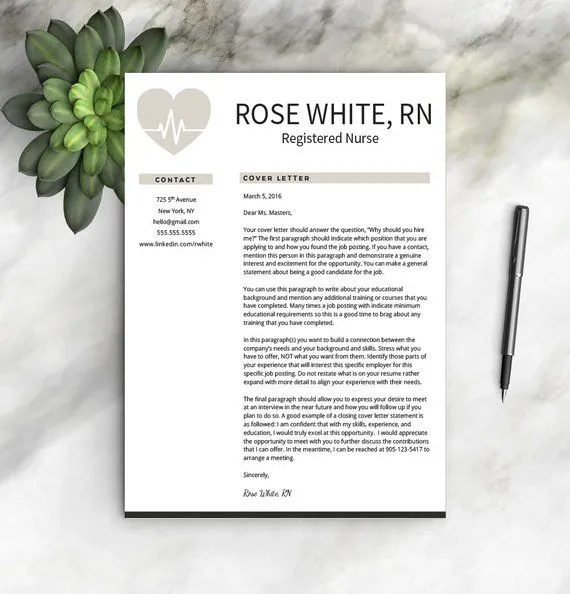
Using cover letter examples and templates can be a helpful way to get started and ensure your letter includes the necessary elements. However, it’s crucial to personalize any template you use. Don’t simply copy and paste a template; tailor it to your specific experience, skills, and the job you are applying for. Modify the language, adjust the content, and add details that showcase your unique qualifications and enthusiasm. Using a template as a starting point can help you organize your thoughts and structure your letter effectively, but make sure the final product is a reflection of you.
Example Cover Letter for an Experienced Nurse
An experienced nurse’s cover letter should focus on highlighting years of experience, key accomplishments, and specific skills relevant to the job description. It should demonstrate a deep understanding of nursing practice, healthcare systems, and patient care. Examples might include detailed experiences from their history, focusing on critical care skills, leadership abilities, and any specialized training. The letter should show career progression and provide examples of how the nurse has used their skills to improve patient outcomes and enhance healthcare operations. The focus is on demonstrating value, leadership, and results.
Example Cover Letter for a New Graduate Nurse
A new graduate nurse’s cover letter should emphasize clinical experiences, relevant coursework, and any volunteer or extracurricular activities. Highlight clinical rotations, projects, and volunteer work. Focus on demonstrating the nurse’s potential, enthusiasm, and commitment to learning. It should convey a readiness to contribute, a willingness to learn, and a passion for patient care. Examples might include specific clinical experiences, skills gained, and any achievements during nursing school. Showcase any leadership roles in college, and underscore a desire to grow in their nursing career. It should also include a well-structured professional presentation and an understanding of how to apply these skills to the role.
Adapting Templates to Your Specific Needs
Adapting cover letter templates involves more than just filling in the blanks. You need to thoroughly customize the template to fit your unique background, experiences, and the requirements of the specific job you are applying for. Replace the template’s generic information with details about your specific skills, qualifications, and achievements. Tailor the language to match your personality and career goals. The aim is to create a document that accurately reflects you, not the template. Review the job description and highlight the skills that align with the role. Personalization significantly increases your cover letter’s impact.
Common Mistakes to Avoid in Nurse Cover Letters
Generic Content and Lack of Personalization
One of the biggest mistakes is submitting a generic cover letter that could apply to any job. Employers can quickly identify generic content, which shows a lack of effort and genuine interest. Always customize your cover letter to the specific job you’re applying for. Research the organization and tailor your letter to align with their values and needs. Mention the specific position and explain why you are interested in it. By personalizing your cover letter, you show that you understand the role and are genuinely excited about the opportunity.
Typos and Grammatical Errors
Typos and grammatical errors can undermine your credibility and make you appear unprofessional. Proofread your cover letter carefully to avoid these mistakes. Use a grammar and spell-checking tool, but also read the letter yourself to catch any errors that the software might miss. Ask a friend or family member to review your letter for a second opinion. Correcting these errors demonstrates that you are attentive to detail and have strong communication skills. A polished, error-free cover letter will make a positive impression and show that you take your application seriously.
Focusing Too Much on Yourself
While highlighting your skills and experience is important, avoid focusing solely on yourself. Instead, frame your accomplishments to show how they will benefit the employer. Mention your achievements and how they align with the organization’s goals. Demonstrate your understanding of the employer’s needs and how you can contribute to their success. Show how you can meet their needs. This approach demonstrates that you are thinking about how you can contribute to the organization and not just about your own career advancement. Focusing on what you can offer to the employer makes your letter more persuasive and makes you a more attractive candidate.
Tips for Tailoring Your Cover Letter
Researching the Employer and Role
Before you begin writing, research the employer and the specific role. Visit the company’s website, read their mission statement, and review any recent news or publications. This research will provide insight into the organization’s values, culture, and priorities. When you tailor your cover letter, incorporate keywords and phrases from the job description. Show that you have a clear understanding of what the employer is looking for and how your skills and experience align with their needs. Tailoring your letter to the specific role indicates that you are serious about the opportunity and willing to go the extra mile.
Matching Skills and Experience to the Job Description
Carefully analyze the job description and identify the key skills and experiences the employer is seeking. Then, review your resume and highlight relevant skills and experiences that match those requirements. Provide specific examples of how you have demonstrated those skills in your past roles. For example, if the job description emphasizes experience with electronic health records, describe your experience with specific systems and how you utilized them to improve patient outcomes. This targeted approach shows the employer that you meet their criteria and have the experience needed to succeed in the role. Highlighting how your skills and experience align with the job requirements makes a strong impression and shows you understand the role.
Using Keywords from the Job Posting
Incorporate keywords from the job posting into your cover letter. Employers often use applicant tracking systems (ATS) to screen applications, and these systems look for specific keywords. Use the keywords naturally and strategically throughout your cover letter, especially in the body paragraphs. This will increase the chances of your application being selected for review. Ensure that the keywords are integrated smoothly and reflect your skills and experience accurately. Avoid keyword stuffing, which can make your letter sound unnatural. By strategically using keywords, you ensure your cover letter will pass through the ATS and be seen by the hiring manager.
Finalizing and Submitting Your Nurse Cover Letter
File Format and Naming Conventions
Save your cover letter in a professional file format, such as PDF. PDF files preserve the formatting of your document, ensuring that it appears the same on any device. Name your file clearly, using your name and the job title, such as “JaneDoe_RN_CoverLetter.” This makes it easy for the hiring manager to identify your application. When submitting your cover letter online, carefully follow the instructions provided by the employer. If they request a specific file format or naming convention, adhere to those guidelines. Professional formatting and file naming are vital to making a good impression.
Proofread One Last Time
Before submitting your cover letter, proofread it one last time. Check for any typos, grammatical errors, or formatting inconsistencies. Even a small mistake can create a negative impression. Read your letter slowly and carefully, and consider reading it aloud to catch any awkward phrasing. Ask a friend or family member to review your letter for a second opinion. A final proofread ensures that your cover letter is polished and professional, demonstrating that you take your application seriously.
Follow-up Strategies
After submitting your cover letter and resume, consider sending a follow-up email. This shows that you are interested in the position and can help keep your application top-of-mind. If the employer has not responded within a week or two, it is appropriate to send a brief, polite email to inquire about the status of your application. Be professional and reiterate your interest in the position. Express gratitude for the employer’s time and consideration. A well-timed and professional follow-up can help you stand out from the competition and increase your chances of being contacted for an interview.
In conclusion, a well-crafted nurse cover letter is a powerful tool that can significantly increase your chances of landing a job. By understanding its purpose, following the key components, avoiding common mistakes, and tailoring your letter to each job, you can create a compelling document that showcases your skills, experience, and enthusiasm. Remember to proofread meticulously, use a professional format, and follow up appropriately. By following these tips, you can create a standout cover letter and embark on a rewarding nursing career. With these strategies, you will be well-equipped to create a nurse cover letter that works.