What is a New Grad Nurse Cover Letter?
A new grad nurse cover letter is a crucial document that accompanies your resume when applying for nursing positions. It acts as your initial introduction to a hiring manager, providing an opportunity to showcase your specific skills, relevant experience, and genuine enthusiasm for the nursing profession. Unlike a resume, which presents a factual summary of your qualifications, a cover letter allows you to convey your personality, clearly state your career goals, and effectively demonstrate why you are the ideal candidate for the specific role. It is your chance to leave a lasting positive first impression and to encourage the hiring manager to carefully review your resume and seriously consider you for an interview. For new graduates, who frequently face competition from nurses with considerable experience, a well-crafted cover letter can be the key to standing out from the crowd and landing your desired nursing position.
Why You Need a Cover Letter
Even in the modern digital landscape, a cover letter remains an indispensable component of any job application, especially for new graduate nurses. While your resume provides a concise overview of your qualifications, the cover letter grants you a platform to eloquently articulate your passion for nursing, your distinct skill set, and your specific career aspirations. It effectively demonstrates your strong communication skills, your meticulous attention to detail, and your comprehensive understanding of the job’s requirements. For new graduates, a cover letter can offset any perceived lack of extensive work experience by highlighting relevant coursework, clinical rotations, and any valuable volunteer experiences. It gives you the ability to address any gaps in your education or experience, showcasing your unwavering enthusiasm for the role and demonstrating your commitment to the healthcare organization. Furthermore, it provides an opportunity to tailor your application to the particular requirements of the employer, showcasing that you have invested the time to research the organization and truly comprehend its core values and principles.
Key Components of a New Grad Nurse Cover Letter

A well-structured cover letter for a new graduate nurse is comprised of several essential components. These elements collectively create a compelling narrative that showcases your unique qualifications and underscores your suitability for the position. Failing to include these critical sections can significantly weaken your application, reducing your chances of securing an interview. Each component must be meticulously crafted to convey specific information about your relevant skills, prior experience, and clearly defined career objectives. The overall tone should be professional, consistently enthusiastic, and appropriately tailored to the specific job requirements and the distinct values of the healthcare organization. A well-crafted cover letter can make you stand out from the competition and helps demonstrate your understanding of the role and your commitment to the healthcare field. Here is a breakdown of essential sections to include in your cover letter; remember to always customize each section based on the specific job requirements and the core values of the healthcare organization you are applying to.
Your Contact Information
At the very top of your cover letter, provide your complete contact information. This generally includes your full legal name, current mailing address, your active phone number, and a professional-looking email address. Be sure that your email address sounds professional and is appropriate for the context. It is crucial that your contact information is accurate and completely up-to-date to ensure that potential employers can readily contact you. It’s wise to use a clear, easy-to-read font to improve readability. This initial section sets the stage for the rest of your letter, providing the necessary information to allow the hiring manager to reach you to schedule an interview. Your contact details should be prominently displayed and easily identifiable.
The Hiring Manager’s Information
If possible, direct your cover letter to a specific individual. Take the initiative to research and find the hiring manager’s name and title, and include this information at the beginning of your letter. Addressing your letter to a specific person demonstrates that you have taken the initiative to research the organization and are genuinely interested in the particular position. If you are unable to find the hiring manager’s name, you can use a general greeting such as, “Dear Hiring Manager.” This added personalization brings a professional touch to your application and shows your impeccable attention to detail, helping you to make a positive first impression. It is always better to identify and address a specific individual; this makes your letter far more personal and less like a generic application, increasing your chances of getting noticed.
Greeting

Use a professional greeting to open your cover letter. Start your letter with a formal greeting, such as “Dear Mr./Ms./Dr. [Last Name],” if you know the hiring manager’s name. If you do not know the hiring manager’s name, use a general greeting like, “Dear Hiring Manager.” Avoid casual greetings, such as “Hi” or “Hello.” The greeting establishes the tone for the remainder of your letter, reflecting your level of professionalism. Ensure correct spelling and proper titles are used, showcasing your respect and meticulous attention to detail. A well-chosen, strong greeting sets a positive tone and indicates that you are genuinely committed to the opportunity.
Opening Paragraph [Grab Their Attention]
Your opening paragraph is your invaluable chance to immediately capture the hiring manager’s attention and make a strong first impression. Clearly state the specific position you are applying for and precisely how you learned about the job opportunity. Briefly highlight your sincere passion for the nursing profession and your genuine interest in the particular organization. This paragraph should be concise, enthusiastic, and specifically tailored to the job requirements. Consider including a specific skill or relevant experience that closely aligns with the job description to immediately pique the reader’s interest. The primary aim here is to promptly convey your value and enthusiasm, thus encouraging the reader to continue reading the entire cover letter.
Highlight Your Skills and Experience
In the central body of your cover letter, you should highlight your most relevant skills and experiences. As a new graduate, focus on your clinical rotations, completed coursework, and any volunteer or extracurricular activities you’ve been involved with. Utilize specific examples to demonstrate your key abilities, such as effective patient care, strong communication skills, and critical thinking capabilities. Tailor your skills and experiences directly to the job description, emphasizing the specific qualifications the employer is actively seeking in their ideal candidate. Use compelling action verbs to describe your key accomplishments and, whenever possible, quantify your achievements with measurable data. This section is your critical opportunity to persuade the hiring manager that you possess the necessary skills and knowledge to confidently excel in the role.
Emphasize Clinical Skills

Specifically highlight your pertinent clinical skills, such as patient assessment, effective medication administration, competent wound care, and detailed documentation skills. Make sure to mention any specialized training or certifications you have obtained. Describe your actual experience in various clinical settings, emphasizing your proven ability to effectively work as a valuable member of a cohesive healthcare team. Offer specific examples of how you have skillfully applied your clinical skills during your clinical rotations, for instance, by successfully managing patient cases, contributing to positive patient outcomes, or demonstrating familiarity with specialized procedures. The main goal is to clearly demonstrate your competence in the core nursing skills that are absolutely essential for the role you are applying for.
Showcase Soft Skills
Make sure to demonstrate your key soft skills, which include communication, teamwork, problem-solving abilities, and proven empathy. Provide specific examples of how you have effectively utilized these skills in your prior clinical experiences. For instance, you could describe a situation where you effectively communicated with a patient or their family, skillfully resolved a challenging conflict with a team member, or successfully utilized critical thinking to efficiently solve a pressing patient care issue. These vital soft skills are indispensable for the success of any competent nursing practice, so highlighting them can greatly enhance your overall application. Showing the practical application of these skills and proving your abilities will make you far more attractive to potential employers, setting you apart from the crowd.
Address the Job Requirements
Carefully and thoroughly review the entire job description and directly address each of the key requirements within your cover letter. Explain in detail how your specific skills, relevant experience, and core qualifications precisely align with the employer’s stated needs and expectations. Tailor your cover letter precisely to the specific requirements of each and every position you apply for, thus demonstrating that you have invested the necessary time to fully understand the role’s responsibilities and the organization’s overarching values. This shows that you are not only aware of the job’s requirements but also that you are a strong fit for the position and the team. It helps the hiring manager to clearly see that you are a fully qualified and highly promising candidate.
Explain Your Interest in the Role

Clearly and concisely state exactly why you are genuinely interested in the specific nursing role and the particular healthcare organization. Express your deep passion for the nursing profession and your ardent desire to actively contribute to the organization’s core mission and values. Do some background research on the organization’s values, core mission, and recent achievements, and then demonstrate how your own goals and aspirations align with theirs. Explain precisely what draws you to the specific role and why you firmly believe you are an excellent fit for their dedicated team. This shows your overall enthusiasm and a genuine interest in the specific opportunity. This research will help you demonstrate your enthusiasm and distinguish yourself from other applicants.
Why You’re a Great Fit
Summarize your strongest reasons for being a great fit for the position, specifically reiterating your most relevant skills and previous experiences. Highlight any unique qualities or specific strengths that set you apart from other highly qualified candidates. This is your invaluable chance to sell yourself to the hiring manager and convince them that you are, in fact, the best choice for the role. Be confident and enthusiastic, and make sure that you emphasize your unwavering commitment to providing outstanding patient care. Then, make sure to conclude by highlighting precisely how you can successfully contribute to the overall success of the organization. This final paragraph offers the opportunity to leave a lasting positive impression, providing the hiring manager with a clear understanding of your incredible value as a nursing professional.
Highlight Relevant Coursework and Projects
Since you may have limited prior work experience as a new graduate, make sure to prominently highlight any relevant coursework or projects that effectively demonstrate your strong skills and well-developed knowledge base. Mention any specific courses or previous projects that directly align with the job requirements, thereby showcasing your proven expertise in these specific and relevant areas. For example, you could discuss a research project you were involved in, a particularly insightful case study, or a professional presentation you completed during your nursing program. This is an excellent way to demonstrate your ability to successfully apply theoretical knowledge to genuine, practical situations. By doing this, you can easily demonstrate your competencies if you lack more traditional experience. Highlighting these key achievements shows your preparedness for the role.
Quantify Your Accomplishments

Whenever possible, use numbers and data to quantify your accomplishments. This provides concrete evidence of your relevant skills and overall abilities. For example, instead of simply stating that you “provided excellent patient care,” you could say that you “assisted in the care of 10+ patients per shift” or “successfully managed patient pain scores, resulting in a 20% decrease in reported pain levels.” Quantifying your accomplishments with numbers and data makes your cover letter far more compelling and helps to directly demonstrate the positive impact you have had in your clinical experiences. These measurable results will give weight to your achievements. Including these metrics will show how concrete your achievements have been.
Call to Action
Always include a clear and effective call to action in your cover letter. Express your very strong interest in being granted an interview and reiterate your contact information to make it easy for the hiring manager to take the next step. Make it incredibly easy for the hiring manager to take the next step in the hiring process. Be proactive and express your enthusiasm in discussing your qualifications further and your availability for an interview, and reiterate your contact details. This direct approach demonstrates your professionalism and eagerness to join their team. Ensure the hiring manager knows exactly what they should do next, making it simpler for them to move forward with your application.
Express Enthusiasm
Throughout your entire cover letter, be sure to express your genuine enthusiasm for the specific position and the organization. Allow your genuine passion for the nursing profession to truly shine through your well-crafted writing. Demonstrate to the hiring manager that you are genuinely excited about this specific opportunity and that you are highly eager to continuously learn and grow as a nursing professional. Enthusiasm is genuinely contagious and can help you make a very positive first impression on the hiring manager. Make sure your enthusiasm is reflected in your tone and in your overall wording. A strong display of genuine excitement can truly show the reader how keen you are to be considered for this role.
Thank You

At the end of your cover letter, thank the hiring manager for their valuable time and the serious consideration they are giving to your application. Show your genuine gratitude for the opportunity to apply for the position. This simple act of politeness can make a lasting positive final impression. It reflects your professionalism and your respect for their valuable time. This act demonstrates to the hiring manager that you value their time and provides a gracious conclusion to your entire cover letter. This is a respectful and professional way to bring the cover letter to a close.
Closing and Signature
Use a professional closing, such as “Sincerely” or “Respectfully,” followed by your typed name. If you are submitting a digital copy, you can also include an electronic signature. Always make sure your name and contact information are clearly visible. Ensure your closing is formal and completely appropriate for the context. This is your final valuable opportunity to leave a positive impression. A well-crafted closing and your signature add a touch of true professionalism to your application. Choose a closing that is in full alignment with the overall tone of your meticulously written cover letter. A professional closing can leave a truly lasting and positive impression.
Cover Letter Examples for New Grad Nurses
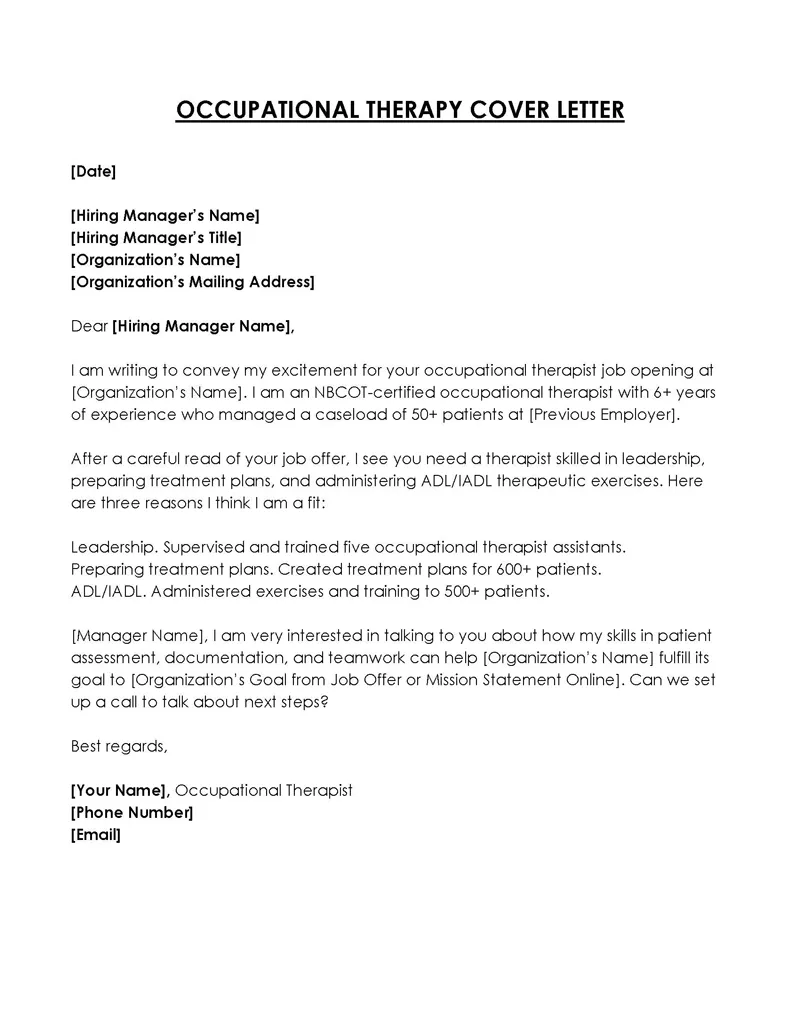
Reviewing existing cover letter examples is an excellent, proven method for understanding how to effectively structure and expertly write your own. Numerous online resources provide relevant examples of cover letters specifically designed for new graduate nurses, tailoring the content to different specialties and different job descriptions. Analyze the specific language, professional formatting, and overall content of these valuable examples to get a better understanding and generate your own ideas for crafting your own cover letter. Use these examples as a helpful guide, but always customize your cover letter to truly reflect your unique skills, your previous experiences, and your own individual personality. This strategy guarantees that your cover letter remains authentic and highly effective. Copying an example directly is strongly discouraged, as this could come across as inauthentic and not genuinely representing you. Tailoring your letter to a specific role and specific employer is what makes your application truly effective, thus increasing your chances of success.
Cover Letter Template [Downloadable Resource]
Consider using a cover letter template to help streamline the entire writing process. Many websites offer downloadable cover letter templates specifically designed for new graduate nurses. These templates offer a pre-formatted structure that you can very easily customize with all of your personal information. Ensure that any template you choose to use aligns perfectly with the requirements of the job description and the core values of the healthcare organization you are applying to. Modify the template to match the precise specifics of the job. Utilize the template as a strong starting point and ensure that all of the content fully reflects your individual and specific qualifications. This method can save you significant time and effort while ensuring that your cover letter has a truly professional appearance. A well-designed template can help you to maintain a clean, easy-to-read, and thoroughly professional structure.
Tips for Writing a Winning Cover Letter
Follow these additional and proven tips to help write a truly winning cover letter. This can give you the edge over other highly qualified candidates, and by adhering to these best practices, you can dramatically increase your overall chances of successfully getting noticed by employers. The art of crafting a high-quality cover letter takes time, effort, and dedication, and the result is a document that truly highlights your key qualifications, effectively showcasing your immense value to potential employers.
Proofread and Edit Carefully
Proofread your cover letter multiple times, and meticulously check for any grammatical errors, any spelling mistakes, or any obvious typos. Make sure that all of your sentences are exceptionally clear, concise, and easy to fully understand. It is a great idea to have a trusted friend or family member review your cover letter and offer their objective and useful feedback. Errors can truly undermine your professionalism and make a negative first impression. Always take the necessary time to proofread your letter carefully. Minor errors can often reflect very poorly on your attention to detail. Always double-check everything to ensure your letter is polished, professional, and ready to be seen by potential employers. A well-proofread cover letter proves to a potential employer that you care about the finer details of your work.
Tailor to Each Position
Customize your cover letter for each and every job for which you apply. It is vital to avoid using a generic cover letter for multiple and separate applications. Carefully and thoroughly review the specific job description and always highlight the specific skills and relevant experiences that are most directly related to the specific role. Show the hiring manager that you have taken the time to fully understand the requirements of the job and that you are indeed a good and suitable fit for their needs. Tailoring your cover letter to each unique job shows the hiring manager that you are genuinely interested in that particular opportunity and that you are willing to go the extra mile. It also clearly demonstrates that you have thoroughly researched the role and the organization, therefore making a strong positive impression on the hiring manager, which greatly increases your chances of success.
Formatting and Presentation
Use a professional font, such as Times New Roman or Arial, in a readable size (11 or 12 points). Use standard margins (1 inch on all sides) and single-space your entire cover letter. Keep your cover letter concise, easy to read, and typically no more than one page in length. Use clear and descriptive headings and bullet points to help organize your information. Excellent formatting makes your cover letter look more professional and easy for the hiring manager to readily read. Avoid using excessive formatting that can distract from the valuable content within your letter. Professional formatting will always ensure that your cover letter is both easy to read and visually appealing. A well-formatted cover letter will also reflect positively on your overall level of professionalism.
Common Mistakes to Avoid
It is very important to be keenly aware of common mistakes and always make sure to avoid these when writing any cover letter. Avoiding these pitfalls can significantly improve your overall chances of successfully landing the nursing job of your dreams. Making these common mistakes can reduce your application’s overall positive impact, and these errors can create a negative impression on the hiring manager, which is what you want to avoid at all costs. Knowing which mistakes to avoid is an essential step in creating a far more effective cover letter and increasing your chances of being hired.
Grammar and Spelling Errors
Grammatical errors and spelling mistakes can significantly damage your credibility and negatively impact your chances of being hired. Proofread your cover letter carefully and meticulously before submitting it. Always ensure that your writing is crystal clear, concise, and completely error-free. Use a grammar checker and spell checker to readily identify and correct any potential mistakes. Making these types of errors in your letter can make you look highly unprofessional, and it is essential to present a polished, mistake-free document to properly demonstrate your overall attention to detail and your professionalism. Proofreading is a critical and essential step in ensuring the overall quality of your cover letter, and should never be skipped.
Generic Language
Avoid using generic language that could easily apply to any job. Tailor your cover letter directly to the specific role and to the organization for which you are applying. Highlight your unique skills and distinct experiences and show how you are a very good fit for the position. Use specific, compelling examples and always avoid vague statements. Generic language makes your cover letter far less impactful and greatly reduces its overall appeal. Show that you fully understand the precise needs of the role and that you are genuinely interested in this specific opportunity. Avoid using cliches that do not convey anything specific about your unique abilities or qualifications.
Ignoring the Job Description
Always thoroughly review the job description and directly address the key requirements within your cover letter. Make sure to highlight all of the skills and experiences that the employer is actively seeking. Failing to fully address the job requirements demonstrates that you have not invested the necessary time to understand the full scope of the role, and, as a result, that you may not be the best fit for the position. Tailor your cover letter to the very specific and direct needs of the organization. Make sure your cover letter demonstrates a very strong alignment with the specific needs of the hiring organization. Address the key skills and qualifications that are mentioned directly in the job description.
Following Up on Your Application
After successfully submitting your cover letter and resume, consider following up with the hiring manager to express your continued interest in the position. A brief email or a quick phone call can help you to stand out from the crowd of other highly qualified applicants. Make sure to follow up a week or two after you have submitted your application. This shows your exceptional enthusiasm and your initiative. Express your continued interest and reiterate your key qualifications. Following up politely can help you to maintain your candidacy and demonstrate your unwavering commitment to the opportunity.