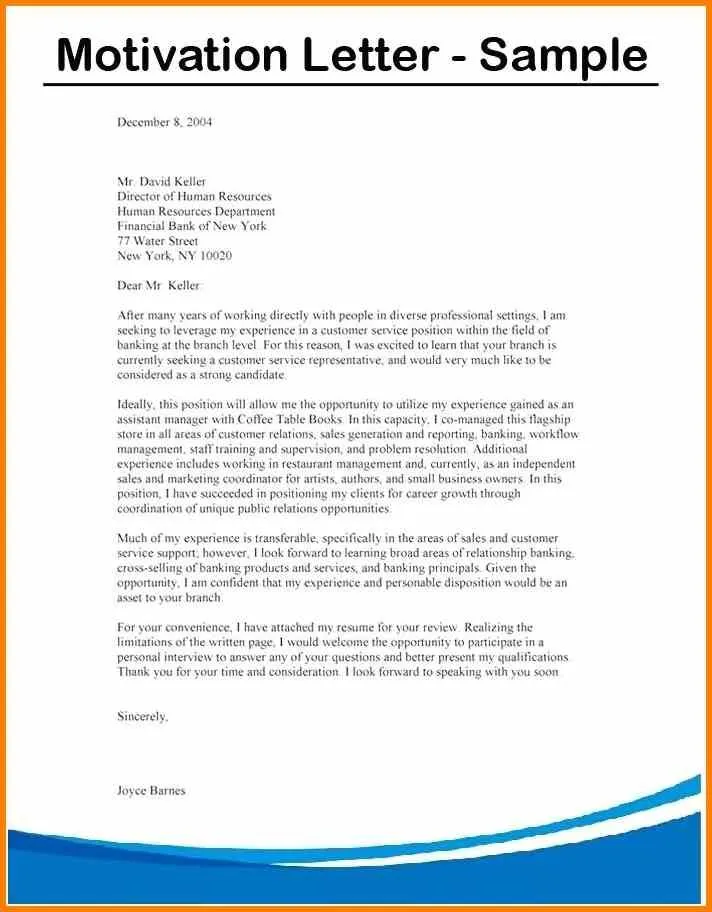
What is a Motivation Cover Letter
A motivation cover letter is a crucial document accompanying your resume when applying for a job. Its primary goal is to demonstrate your enthusiasm, passion, and suitability for a specific role and organization. Unlike a resume that provides a factual overview of your skills and experience, a motivation cover letter allows you to express your unique personality, connect with the hiring manager, and explain why you are the perfect fit for the position. The best motivation cover letters go beyond simply restating what’s already in your resume; they delve into your aspirations, career goals, and the value you can bring to the company, setting the stage for a compelling application.
Understanding the Purpose of a Motivation Cover Letter
The core purpose of a motivation cover letter is to persuade the hiring manager to consider your application. It is your opportunity to make a strong first impression, showcasing your personality and genuine interest in the job. The purpose also includes highlighting your understanding of the company’s needs, demonstrating how your skills and experience align with those needs, and explaining why you are motivated to work for this specific organization. A well-crafted motivation cover letter clarifies your career goals, shows your dedication to the role, and personalizes your application beyond a simple list of qualifications, improving the chances of securing an interview.
Key Elements of a Motivation Cover Letter

Several key elements combine to create a successful motivation cover letter. Start with a professional heading including your contact information and the date. Next, address the hiring manager by name whenever possible. The body of your letter should include a strong opening, concise paragraphs that showcase your skills and experience, and demonstrate your understanding of the company and the role. Include specific examples and quantifiable achievements to support your claims. Finally, a clear and confident closing, expressing your enthusiasm and availability for an interview, will leave a lasting impression. Remember to maintain a professional tone, use proper grammar and spelling, and tailor the letter to the specific job and company.
Highlighting Your Skills and Experience
In your motivation cover letter, effectively highlighting your skills and experience is paramount. Don’t just list your skills; provide specific examples of how you’ve utilized them to achieve results. For instance, instead of stating “Proficient in project management,” elaborate with “Managed cross-functional teams in the successful completion of three major projects, resulting in a 15% reduction in costs and a 10% increase in efficiency.” When you describe your experience, focus on accomplishments and the impact you made in previous roles. Tailor the skills and experiences you highlight to match the job requirements, ensuring you address the key qualifications the employer seeks. This focused approach helps the hiring manager quickly see the value you bring and how your background aligns with the position’s needs.
Showcasing Your Enthusiasm and Interest
A motivation cover letter should radiate your enthusiasm for the job and the company. This is your chance to go beyond a generic application and express your genuine interest. Explain why you’re excited about the role, what aspects of the company appeal to you, and why you believe you’ll thrive in this environment. Research the company’s values, mission, and recent achievements. Then, incorporate this knowledge into your letter to demonstrate that you’ve done your homework. Instead of simply stating your interest, provide specific reasons – perhaps you admire the company’s innovative approach or its commitment to social responsibility. This personalized approach shows the hiring manager that you are not just applying for a job, but are genuinely invested in the organization.
Tailoring Your Letter to the Job

One of the most important secrets to a successful motivation cover letter is tailoring it to each job application. Never use a generic template; instead, meticulously customize your letter for every position you apply for. Start by carefully reading the job description, identifying the key skills, experiences, and qualifications the employer is looking for. Then, structure your letter to address these requirements directly, providing specific examples that show you possess the necessary traits. Highlight relevant achievements and experiences, using keywords from the job description to demonstrate a clear understanding of the role and company needs. This personalized approach significantly increases your chances of capturing the hiring manager’s attention and making a strong impression.
Researching the Company and Position
Before writing your motivation cover letter, conduct thorough research on the company and the specific position. Visit the company website, explore their social media profiles, and read news articles to gain a comprehensive understanding of their mission, values, products, and services. Look for recent achievements, company culture details, and any information that resonates with you. For the position, analyze the job description carefully, identifying the core responsibilities, required skills, and preferred qualifications. Use this research to tailor your letter, demonstrating your knowledge of the company and explaining how your skills and experience align with their needs. This level of preparation shows that you are genuinely interested in the opportunity and have taken the initiative to learn more about the role and the organization, giving you a significant advantage.
Structuring Your Motivation Cover Letter
Structuring your motivation cover letter effectively is essential for conveying your message clearly and persuasively. The ideal structure typically consists of several key sections. Start with a professional heading that includes your contact information and the date. Then, address the hiring manager by name, if possible. Begin with a compelling opening that captures the reader’s attention and states your purpose. In the body paragraphs, highlight your skills, experience, and enthusiasm. Use specific examples to support your claims, focusing on achievements and results. Finally, conclude with a strong closing statement, expressing your interest in an interview and reiterating your qualifications. Ensure your letter is well-organized, with clear paragraphs and logical flow, making it easy for the reader to follow your argument and understand your qualifications.
Crafting a Compelling Opening

The opening of your motivation cover letter is crucial, as it sets the tone and captures the reader’s attention. Avoid generic phrases like “I am writing to apply for…” Instead, make a strong first impression with an engaging statement that reflects your enthusiasm. Consider using a captivating anecdote, a surprising statistic, or a direct statement about your interest in the role and company. Briefly highlight your key qualifications and state why you are excited about the opportunity. The opening should immediately communicate your unique value proposition and show why you are the right fit for the job. Make sure your opening is concise, relevant, and tailored to the specific position, which will encourage the reader to continue reading the rest of your letter.
Developing Strong Body Paragraphs
The body paragraphs of your motivation cover letter are where you provide the substance and demonstrate your value to the employer. These paragraphs should showcase your skills, experience, and enthusiasm, providing specific examples to support your claims. Focus on the key requirements outlined in the job description, and tailor your content to address them directly. Use the STAR method (Situation, Task, Action, Result) to structure your examples, providing context, describing the challenges you faced, detailing the actions you took, and highlighting the positive results. Quantify your achievements whenever possible, using numbers and data to illustrate your impact. Ensure each paragraph is concise, well-organized, and focused on the relevance of your experiences to the job requirements. This clarity and detail will leave a lasting impression on the hiring manager.
Writing a Powerful Closing
Your closing paragraph should summarize your enthusiasm, reiterate your key qualifications, and include a call to action. Avoid simply ending your letter with “Sincerely.” Instead, express your genuine interest in the position and the company, restating why you believe you’re a great fit. Reiterate your value proposition and highlight your key skills and experiences one last time. Clearly state your availability for an interview, and thank the hiring manager for their time and consideration. Offer a specific call to action, such as stating you are eager to discuss your qualifications further or expressing your excitement about the opportunity. This approach leaves a lasting positive impression and encourages the hiring manager to take the next step in the recruitment process.
Formatting and Design Tips

The formatting and design of your motivation cover letter significantly impact its readability and professionalism. Use a clear, easy-to-read font like Arial or Calibri, with a size between 10 and 12 points. Maintain consistent formatting throughout the document, with standard margins of one inch on all sides. Ensure adequate spacing between paragraphs and sections to create a visually appealing layout. Keep your letter concise, ideally within one page. Use bullet points or numbered lists to highlight key information and make it easily scannable. Proofread carefully to eliminate any grammatical errors or typos. A well-formatted letter demonstrates attention to detail and professionalism, making a positive impression on the hiring manager.
Proofreading and Editing Your Letter
Proofreading and editing your motivation cover letter is a critical step in ensuring it’s polished and professional. Before submitting your letter, review it carefully for any grammatical errors, spelling mistakes, and typos. Pay attention to sentence structure, clarity, and flow. Ensure your language is concise, well-written, and free of jargon. Read your letter aloud to catch any awkward phrasing or inconsistencies. Consider having a friend, mentor, or career counselor review your letter for feedback. Different perspectives can help identify areas for improvement. Proofread multiple times, ideally at different times, to catch any mistakes you might have missed initially. A well-proofread and edited letter reflects attention to detail and professionalism, increasing your chances of making a positive impression.
Common Mistakes to Avoid
Several common mistakes can undermine the effectiveness of your motivation cover letter. Avoid generic templates; always tailor your letter to each specific job. Don’t simply restate your resume; offer additional information and insights. Refrain from using jargon, clichés, or overly complex language. Ensure there are no spelling or grammatical errors. Avoid being too informal or overly enthusiastic. Don’t focus solely on what you want; instead, emphasize how you can contribute to the company. Avoid making negative statements about previous employers or roles. Do not exceed one page. Proofread carefully before submitting your letter. By avoiding these common pitfalls, you can ensure your motivation cover letter is compelling and professional, increasing your chances of success.
Examples of Successful Motivation Cover Letters

Studying examples of successful motivation cover letters can provide valuable insight and inspiration. Look for examples that match the types of jobs you are applying for, noting how candidates effectively highlight their skills, experience, and enthusiasm. Pay attention to the structure, language, and tone used in these examples. Analyze how they tailor their letters to address the specific requirements of the job. Note how they open with a compelling hook, develop their points, and conclude with a strong call to action. By studying these examples, you can learn how to craft your own effective motivation cover letters. Adapt the best practices to your situation. Remember to personalize each letter with your own unique voice and experiences to stand out from the crowd.
Adapting Your Letter for Different Industries
The style and content of your motivation cover letter should be adapted to the specific industry and type of job you are applying for. For more creative roles, you might adopt a more innovative or personalized tone. For more formal industries, such as finance or law, it’s crucial to maintain a professional and formal tone. Tailor your language and examples to reflect the industry’s specific terminology and best practices. Research industry standards. Highlight relevant skills and experience that align with the industry’s expectations. Consider seeking feedback from professionals within the industry to ensure your letter is well-received. By adapting your cover letter to match the industry, you demonstrate your knowledge and understanding, increasing your chances of making a favorable impression.
Tips for Follow-Up and Application Success
After submitting your motivation cover letter and application, proper follow-up is crucial for maximizing your chances of success. Send a thank-you email to the hiring manager within 24 hours of your interview, reiterating your interest in the role and highlighting key points discussed. If you haven’t heard back within the timeframe specified in the job description, send a polite follow-up email or phone call. Reiterate your enthusiasm and ask for an update on your application status. Always maintain a professional and positive attitude throughout the process. Be prepared to answer questions about your motivation, skills, and experience during the interview. Practice your responses to common interview questions. By following up and staying proactive, you demonstrate your continued interest and commitment to the opportunity.