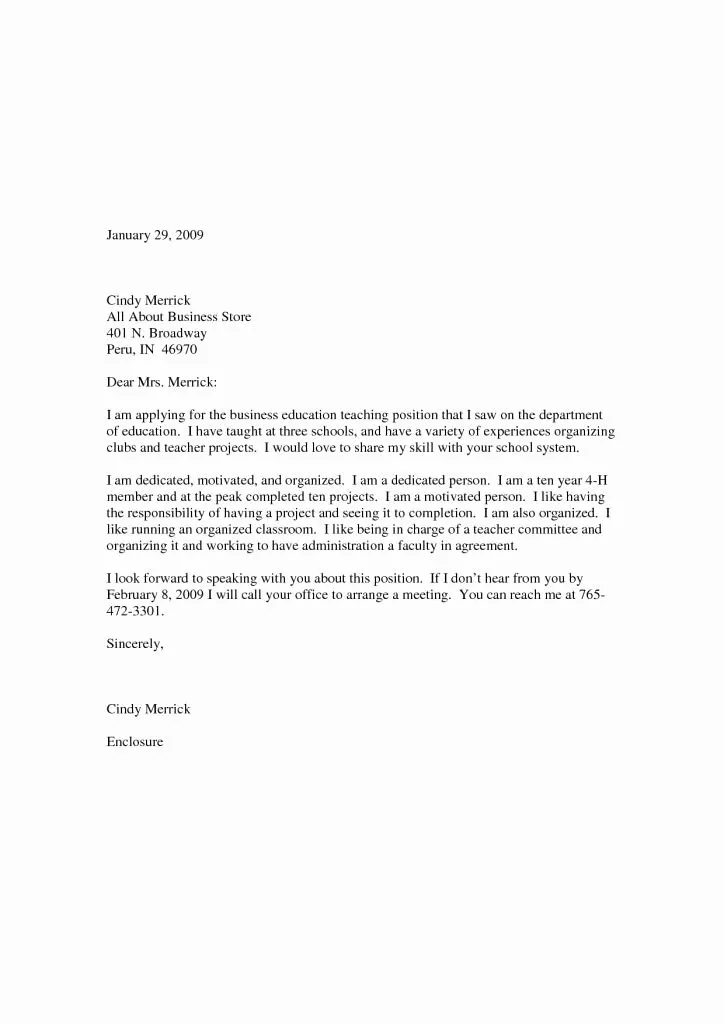
Why an LPN Cover Letter Matters
A cover letter is your first opportunity to make a strong impression on a potential employer. For LPNs, a well-crafted cover letter can significantly enhance your chances of landing an interview. It’s more than just a formality; it’s a chance to showcase your personality, passion for nursing, and specific skills that align with the job requirements. While your resume provides a snapshot of your experience, the cover letter allows you to tell a story – a story about your career goals, your dedication to patient care, and why you’re the perfect fit for the position. Ignoring this crucial step could mean missing out on opportunities, as a compelling cover letter can differentiate you from other applicants, especially in a competitive job market. Make sure to address the hiring manager by name if possible; this shows you’ve taken the time to research the position and are genuinely interested.
Highlighting Key Skills in Your LPN Cover Letter
Your cover letter should be a skills-focused narrative. This section is where you bridge the gap between your resume and the job description. It’s not enough to simply list your skills; you need to illustrate them with concrete examples. Think about what the employer is looking for. Read the job description thoroughly and identify the key skills they are seeking. Then, in your cover letter, provide brief examples of how you’ve utilized these skills in previous roles. Quantify your achievements whenever possible. For instance, instead of saying ‘Managed patient care,’ try ‘Managed care for a 10-bed unit, ensuring consistent adherence to medication schedules and reducing medication errors by 15%.’ This approach is far more impactful and demonstrates your ability to make a tangible difference in a healthcare setting. Keep your statements clear and concise. The goal is to create an immediate connection, showcasing your abilities and qualifications as a perfect match for the open position.
Essential Skills for LPNs

LPN roles demand a diverse skill set. Your cover letter needs to showcase this versatility, highlighting a range of skills depending on the specific job. Clinical skills, communication skills, and technical skills are all crucial elements. Consider what the specific requirements of the job listing are, and make sure to emphasize those skills. Tailoring your cover letter demonstrates your serious interest and is likely to increase the chances of securing an interview. Consider highlighting examples from your past experiences to illustrate these skills. Do not simply list skills, show them. Provide concrete examples so the hiring manager knows you are a good fit for the role.
Clinical Skills
Clinical skills are the bedrock of an LPN’s role. Your cover letter should highlight your proficiency in key areas. This includes administering medications, taking vital signs, wound care, and assisting with medical procedures. When describing your clinical skills, emphasize your experience with specific patient populations or medical conditions. For instance, ‘Experience in administering intravenous medications to patients with diabetes, adhering to strict safety protocols and minimizing complications.’ Demonstrating your attention to detail, adherence to protocols, and ability to handle emergency situations will solidify your candidacy. Also, consider including experience with electronic health records (EHR) or other medical software.
Communication Skills
Communication is paramount in healthcare. Your cover letter should illustrate your ability to communicate effectively with patients, families, and other healthcare professionals. Highlight your experience in explaining complex medical information in a clear and empathetic manner. Include examples of your ability to actively listen to patients’ concerns, address their needs, and provide emotional support. Furthermore, describe how you’ve collaborated effectively with doctors, nurses, and other team members to ensure coordinated patient care. Be sure to mention your experience with conflict resolution, especially if you have experience calming worried or upset patients or family members. Consider including experience with different languages, if applicable.
Technical Skills

Technical skills are also critical for an LPN, including proficiency with medical equipment and technology. Your cover letter should mention your experience with relevant tools, such as patient monitoring systems, ventilators, and electronic health records (EHR) systems. When describing your technical skills, focus on your ability to troubleshoot equipment issues, follow safety protocols, and accurately record patient data. Showcase your adaptability and willingness to learn new technologies. For example, ‘Proficient in operating and maintaining various medical devices, including ECG machines and infusion pumps, ensuring accurate patient monitoring and medication delivery.’ Highlight any certifications or training you’ve received in specific technical areas.
Tailoring Your Cover Letter to the Job Description
Generic cover letters are easily spotted and often discarded. Tailoring your cover letter to each job description is critical for demonstrating your genuine interest and suitability for the role. Take the time to carefully review the job posting and identify the key requirements, responsibilities, and desired skills. Then, use your cover letter to explicitly address these points, showcasing how your experience and qualifications align with what the employer is seeking. This demonstrates that you have taken the time to understand the specific needs of the role. Avoid simply restating your resume. Instead, use your cover letter to elaborate on the experiences most relevant to the job and explain how your skills can directly contribute to the organization’s goals. Make your intent known. Highlight any additional skills or experiences that make you unique.
Understanding the Job Requirements
Before you begin writing, thoroughly analyze the job description. Pay close attention to the required skills, experience, and qualifications. Identify any specific software, equipment, or patient populations that are mentioned. Research the employer’s mission, values, and priorities to gain a deeper understanding of their needs. Tailoring your cover letter to the job requirements demonstrates your understanding of the position and increases your chances of getting noticed. Read through the job posting a few times and make a list of keywords or key phrases that the employer uses to describe the ideal candidate. You can then incorporate these keywords naturally into your cover letter. This demonstrates that you are a good fit for the role.
Matching Your Skills to the Requirements

Once you understand the job requirements, the next step is to match your skills and experience to those needs. Review your resume and cover letter and highlight the relevant skills and accomplishments that directly address the job requirements. Use specific examples to illustrate how you’ve successfully utilized these skills in previous roles. Quantify your achievements whenever possible, and avoid generic statements. Tailor each statement to the specific requirements of the role. Explain how your skills and experience meet the employer’s needs. You want to make it as easy as possible for the hiring manager to see that you are a perfect fit.
Crafting a Compelling Opening Paragraph
The opening paragraph of your cover letter is crucial. It’s your first chance to grab the reader’s attention and make a positive impression. Keep it concise, engaging, and directly related to the job you are applying for. Begin by stating the position you are applying for and where you saw the job posting. Immediately mention your key qualifications or skills that align with the job requirements. Express your enthusiasm for the role and the organization. Show that you are genuinely interested in the opportunity. Do not simply restate your resume. Instead, write a compelling story and show them why you are the perfect fit. This should set the tone for the rest of your letter, encouraging the reader to continue. Make it clear what you want and the action you would like them to take.
Showcasing Your Experience and Achievements
The body of your cover letter should provide detailed examples of your experience and achievements. For each skill or qualification you mention, provide a brief description of how you’ve successfully utilized it in previous roles. Use the STAR method (Situation, Task, Action, Result) to structure your examples and demonstrate the impact you’ve made. Use concrete details to paint a clear picture of your abilities. Focus on accomplishments that are relevant to the job. Explain how you contributed to positive outcomes, such as improved patient satisfaction, reduced errors, or increased efficiency. Make sure to address any gaps in your experience or unusual circumstances directly. Use clear and concise language.
Quantifying Your Accomplishments

Numbers and data make your accomplishments more compelling. Whenever possible, quantify your achievements to demonstrate your impact. Instead of saying ‘Improved patient care,’ say ‘Improved patient care by reducing medication errors by 10%.’ Instead of ‘Managed a team,’ say ‘Managed a team of 10 LPNs, consistently meeting or exceeding performance goals.’ Provide specific details of the positive outcomes you achieved in previous roles. Use metrics like percentages, statistics, and numerical values to show the value you brought to your previous employers. Quantifying your achievements makes it easier for the hiring manager to understand the impact you can have in their organization. It adds credibility to your claims and helps you stand out from other applicants.
Using Action Verbs
Action verbs bring your accomplishments to life and make your cover letter more dynamic. Start each bullet point or sentence with a strong action verb to demonstrate your initiative and skills. Some examples include administered, assessed, collaborated, coordinated, educated, implemented, managed, and provided. Use a variety of action verbs to avoid repetition and make your cover letter more engaging. Use active voice to communicate your achievements and responsibilities in a direct and concise manner. Also, ensure your language is clear and straightforward. Replace passive phrases with active verbs and make sure that your points are easy to understand.
Formatting Your LPN Cover Letter
Formatting your cover letter correctly is essential for making a professional impression. Use a standard business letter format, including your contact information, the date, and the employer’s contact information. Choose a professional and easy-to-read font, such as Times New Roman, Arial, or Calibri, in a 10- or 12-point size. Use single spacing within paragraphs and double spacing between paragraphs. Ensure your margins are standard (1 inch on all sides). Keep your cover letter concise, ideally no more than one page. Use clear headings and bullet points to break up text and make it easier to read. Pay close attention to the alignment of your text and ensure consistency throughout the document.
Choosing the Right Font and Format

The font and format of your cover letter contribute significantly to its overall presentation. Choose a professional and easy-to-read font that is widely recognized and compatible with different systems. Avoid using overly decorative or stylized fonts that can be difficult to read. Stick with standard fonts such as Times New Roman, Arial, or Calibri. Ensure that your font size is appropriate, typically between 10 and 12 points, to provide good readability. Use a standard business letter format, including your contact information, the date, and the employer’s contact information. Keep the formatting consistent throughout the document, and use clear headings and bullet points to organize your content and make it easy to read.
Proofreading and Editing Your Cover Letter
Proofreading and editing your cover letter is a crucial step to ensure that it is free of errors and professional in appearance. Carefully review your cover letter for any grammatical errors, spelling mistakes, and typos. Use a grammar checker and spell checker, but don’t rely on them solely. Read your cover letter aloud to catch any awkward phrasing or unclear sentences. Have a friend or family member proofread your letter as well, as a fresh pair of eyes can often spot errors that you might miss. Pay close attention to details such as punctuation, capitalization, and word choice. A polished and error-free cover letter demonstrates your attention to detail and professionalism, increasing your chances of making a positive impression on the hiring manager.
Closing Your Cover Letter Effectively
The closing paragraph of your cover letter should leave a lasting positive impression and encourage the employer to take action. Reiterate your interest in the position and express your enthusiasm for the opportunity. Thank the employer for their time and consideration. Include a clear call to action, such as stating that you are available for an interview and providing your contact information. Avoid generic phrases such as ‘Sincerely’ or ‘Respectfully.’ Instead, use a professional closing, such as ‘Sincerely,’ ‘Best regards,’ or ‘Thank you.’ Proofread the closing paragraph to ensure that it is error-free. A strong closing paragraph can significantly increase your chances of getting an interview.
Offering Gratitude and Expressing Interest

In your closing paragraph, express your gratitude for the employer’s time and consideration. Thank them for reviewing your application and expressing your genuine interest in the position. Reiterate your enthusiasm for the opportunity. Mention any specific aspects of the job or the organization that particularly appeal to you. This demonstrates that you have done your research and are genuinely interested in the role. Include a clear call to action, such as stating that you are available for an interview and providing your contact information. Consider adding a sentence to reiterate your interest in the position, such as ‘I am excited about the opportunity to contribute my skills and experience to your team, and I am available for an interview at your earliest convenience.’ A well-crafted closing paragraph leaves a lasting positive impression and encourages the employer to take action.