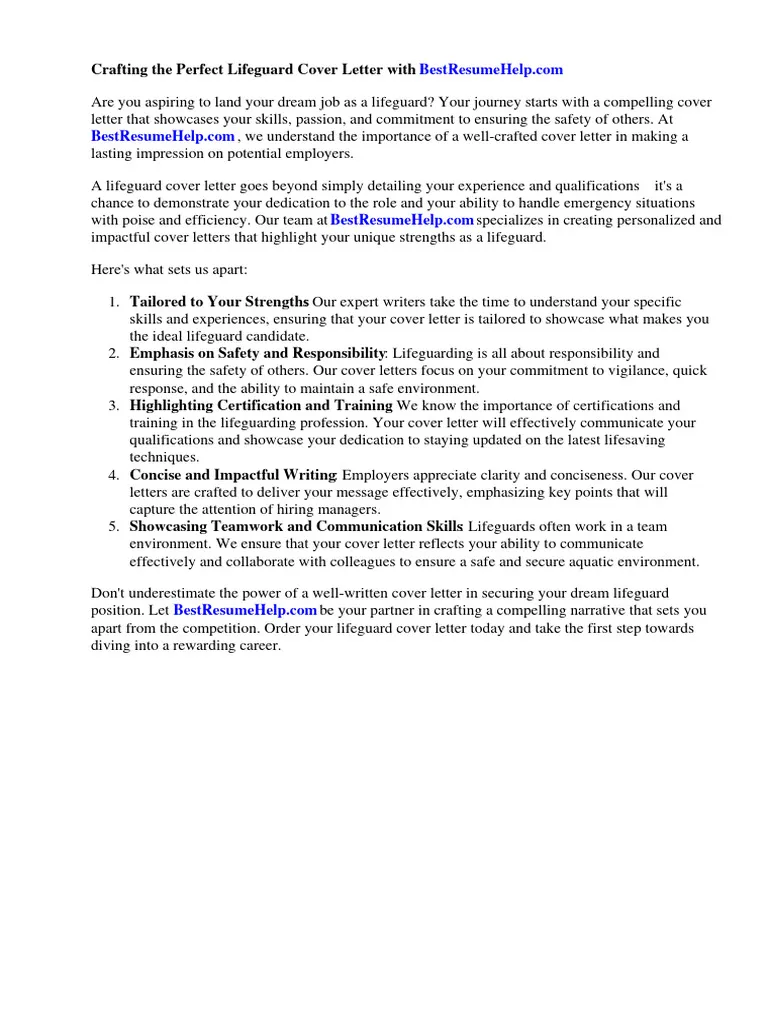
A well-crafted lifeguard cover letter is your first opportunity to make a strong impression and secure your dream job. It goes beyond your resume, allowing you to highlight your skills, experience, and passion for water safety. This guide will walk you through the essential elements of a winning cover letter, ensuring you stand out from the competition and increase your chances of landing that coveted lifeguard position. By following these steps, you can create a cover letter that not only showcases your qualifications but also demonstrates your enthusiasm and commitment to ensuring the safety of others.
Highlighting Your Skills for the Lifeguard Role
Your cover letter is the perfect place to emphasize the skills that make you a qualified lifeguard. Instead of simply listing skills, provide specific examples of how you’ve used them. This includes your ability to remain calm under pressure, make quick decisions, and effectively communicate with others. Focus on skills like vigilance, the capacity to assess situations rapidly, and the ability to provide clear and concise instructions. Highlight your physical capabilities, such as swimming proficiency and endurance. This helps demonstrate your overall suitability for the position and assures the hiring manager of your competence in a variety of situations.
Essential Lifeguard Certifications to Mention
Certification is key. Your cover letter must clearly state all relevant certifications. These certifications validate your skills and show you’re prepared to handle emergencies. Include the names of the certifications, the issuing organizations, and the dates of issue or expiration. This is a crucial aspect of demonstrating your readiness to perform your duties.
CPR and First Aid Certifications

CPR and First Aid certifications are vital for any lifeguard. These certifications confirm your ability to respond appropriately in emergency situations, providing immediate care until professional help arrives. Mention your specific CPR and First Aid certifications and the organizations from which you obtained them. Consider including any additional certifications related to emergency medical care, such as advanced first aid or emergency medical response, to further impress the hiring manager.
Water Safety and Lifeguard Training
Highlight your lifeguard certification from a recognized organization, like the American Red Cross or YMCA. Be specific about the level of certification you hold, such as Lifeguarding, Shallow Water Lifeguarding, or Waterfront Lifeguarding. Also mention any specialized water safety training, such as open water rescue or aquatic emergency care. This details the depth of your training, showcasing your ability to handle various water-related emergencies.
Tailoring Your Cover Letter to the Job Description
To maximize your chances, carefully tailor your cover letter to each job description. Review the job posting thoroughly and identify the key requirements and desired skills. Then, adapt your cover letter to highlight how your skills and experience align with those specific needs. This targeted approach shows that you understand the employer’s requirements and are genuinely interested in the role. Show your understanding of the organization and what they are looking for in a lifeguard.
Key Phrases and Keywords to Include

Use keywords from the job description throughout your cover letter. This demonstrates that you meet the requirements and helps your application pass through applicant tracking systems. Phrases such as “water safety,” “emergency response,” “surveillance,” “preventative lifeguarding,” and “customer service” are valuable. Use these keywords naturally within your descriptions of your experience and skills to make your letter more effective. The correct keyword use will catch the attention of the hiring manager.
Quantifying Your Achievements and Experience
Whenever possible, quantify your achievements with numbers and data. For example, instead of saying you have experience supervising pools, state that you have supervised a pool with an average of ‘X’ number of swimmers per day. If you have any statistics regarding the prevention of accidents, mention these. This provides concrete evidence of your capabilities and demonstrates the impact you’ve made in previous roles. Using data makes your accomplishments more compelling.
Showcasing Your Communication Skills
Effective communication is a must for a lifeguard, so showcase your communication skills in your cover letter. Emphasize your ability to clearly and concisely convey information to swimmers and colleagues. This may involve explaining safety rules, providing instructions, or communicating in a crisis. Show how you tailor your communication style to different audiences, whether it’s giving directions to children or relaying information to supervisors. The cover letter is a chance to demonstrate your interpersonal abilities.
Emphasizing Your Ability to Work as Part of a Team

Being a lifeguard is rarely a solo job; it requires teamwork. Provide examples of your ability to work effectively within a team. Describe situations where you have collaborated with other lifeguards, supervisors, or emergency personnel. Highlight your willingness to support your colleagues, share responsibilities, and work towards a common goal. Explain how you contribute to a positive and supportive work environment. Show you understand the importance of teamwork to ensure swimmer safety.
Demonstrating Your Professionalism and Reliability
Professionalism and reliability are key qualities for a lifeguard. In your cover letter, emphasize your commitment to these qualities. Mention your ability to arrive on time, follow protocols, and handle responsibilities with integrity. Detail instances where you demonstrated exceptional responsibility or professionalism, such as handling a difficult situation calmly and efficiently. This shows you are a trustworthy and dependable candidate.
Formatting Your Lifeguard Cover Letter
The format of your cover letter should be clear, professional, and easy to read. Use a standard font, such as Arial or Times New Roman, and maintain consistent formatting throughout. Ensure your cover letter has an appropriate structure, with an introduction, body paragraphs that highlight your skills and experience, and a concise conclusion. Using a well-formatted cover letter increases your chances of it being read, as it looks neat and is professional.
Proper Structure and Layout
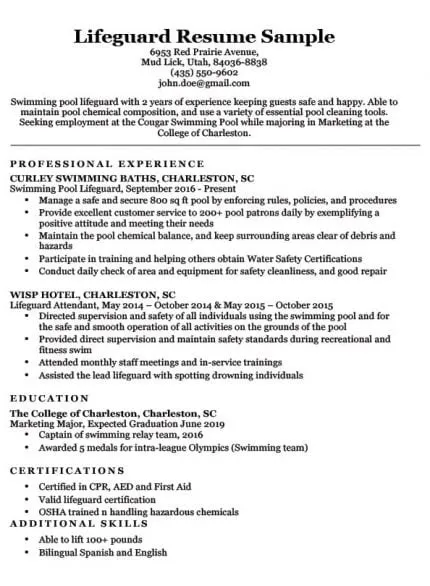
Start with your contact information, followed by the date and the hiring manager’s name and title. In the opening paragraph, state the position you are applying for and where you saw the job posting. The body of your letter should be divided into well-structured paragraphs that highlight your skills, experience, and qualifications. Keep the letter concise and to the point, using clear and concise language. End with a call to action. For example, you might state your availability for an interview.
Proofreading and Editing Your Cover Letter
Always proofread your cover letter carefully before submitting it. Look for any typos, grammatical errors, or inconsistencies in formatting. A mistake-free cover letter demonstrates attention to detail and professionalism. Consider asking a friend or family member to review your letter as a fresh pair of eyes can often spot errors that you may have missed. A polished cover letter increases your credibility and demonstrates you are committed to excellence.
Closing Your Cover Letter Effectively
End your cover letter with a strong closing statement. Thank the hiring manager for their time and consideration. Reiterate your interest in the position and express your enthusiasm for the opportunity. Include a call to action, such as stating your availability for an interview or providing your contact information again. A confident and professional closing leaves a positive lasting impression and encourages the hiring manager to contact you. A well-crafted cover letter can set you apart and increase your chances of landing your dream lifeguard job.