Understanding the Teacher Assistant Role
Before diving into the specifics of writing a cover letter, it’s crucial to understand the responsibilities and expectations of a teacher assistant. Teacher assistants play a vital role in supporting educators and fostering a positive learning environment. They work directly with students, providing assistance with classroom activities, offering individualized support, and helping to manage classroom tasks. This understanding will help you to tailor your cover letter to highlight the skills and experiences that align with the specific requirements of the role. Recognizing the diverse tasks involved, from lesson preparation to student interaction, sets the stage for a compelling narrative in your cover letter. Considering the age group and specific needs of the students you will be working with is also important. Being aware of the school’s philosophy and how it relates to your personal values can further enhance your application. A well-written cover letter will showcase your understanding of these elements and your enthusiasm for contributing to a child’s development.
Essential Components of a Teacher Assistant Cover Letter
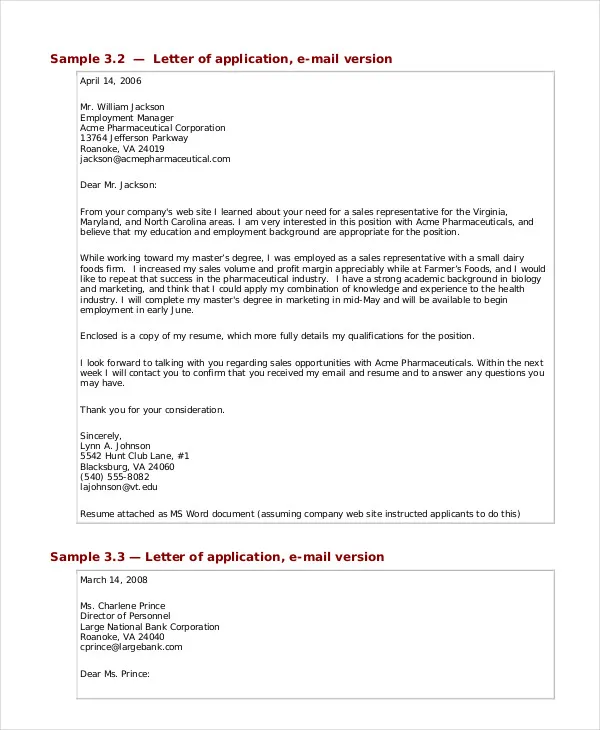
A strong teacher assistant cover letter should incorporate several key elements to effectively communicate your qualifications and enthusiasm. These components include a professional heading, a clear and concise introduction, a body that showcases your relevant skills and experience, and a compelling conclusion. It must highlight your passion for education and explain why you are a suitable candidate for the position. The content should be tailored to the specific requirements of the job description, which demonstrates to the hiring manager that you have taken the time to understand the role and the needs of the school. A well-structured letter includes specific examples of your accomplishments and experiences. Finally, your letter needs to be free of grammatical errors and be formatted professionally to make a positive impact and make you stand out from the competition. Using a professional tone and writing in a clear and engaging style is important to make a good impression.
Contact Information and Introduction

Start your cover letter with your contact information, including your name, address, phone number, and email address. This information should be placed at the top of the page. This allows the hiring manager to easily contact you if they wish to schedule an interview. Following this, address the hiring manager by name if possible; otherwise, use a general salutation like “Dear Hiring Committee.” The introduction is your opportunity to grab the reader’s attention and create a positive first impression. State the specific position you’re applying for, where you saw the job posting, and a brief statement of your enthusiasm for the role. Briefly mention your key qualifications or a significant achievement that makes you stand out. Your introduction should be concise, enthusiastic, and demonstrate your understanding of the school’s values and needs. This sets the tone for the rest of your letter and encourages the reader to continue. Remember, first impressions are crucial.
Highlighting Relevant Skills and Experience
The body of your cover letter is where you showcase your relevant skills and experiences. Focus on the skills that are most relevant to the teacher assistant role. Common skills include classroom management, communication, patience, organization, and the ability to work collaboratively with teachers and students. Provide specific examples of how you have demonstrated these skills in past experiences, such as previous volunteer work, work with children, or relevant coursework. Describe your experience in detail, using the STAR method (Situation, Task, Action, Result) to explain how you handled specific situations. For example, instead of just saying “I assisted students with their assignments,” describe a specific situation where you provided individualized support and the positive outcome that resulted from your intervention. This level of detail shows the hiring manager not only what you did, but also how you did it and the impact you had.
Showcasing Your Passion for Education
Your cover letter should clearly demonstrate your passion for education and your commitment to supporting students’ academic and personal growth. Share your enthusiasm for working with children and the joy you derive from helping them learn and succeed. Mention any specific aspects of education that excite you, such as particular subjects, teaching methodologies, or age groups. Discuss your understanding of the importance of creating a positive and inclusive learning environment. Explain how your values align with the school’s mission and how you plan to contribute to the school community. Be genuine and let your personality shine through. Hiring managers often look for candidates who are not only qualified but also genuinely passionate about their work. Make sure to express your excitement about the potential to positively impact the lives of students.
Emphasizing Your Qualifications and Achievements

Focus on your qualifications and achievements that are most relevant to the teacher assistant role. Mention any relevant certifications, such as those in early childhood education or child development. Highlight any academic accomplishments, such as a high GPA or relevant coursework. If you have previous experience working with children, describe your roles and responsibilities, emphasizing how you assisted students or supported teachers. Quantify your achievements whenever possible. For instance, if you helped improve student grades, provide specific metrics to demonstrate your impact. If you volunteered in a classroom, mention the number of hours you contributed. Showcasing your qualifications and achievements will make your cover letter stand out from the rest. By providing concrete examples, you can illustrate your capabilities and make a strong case for why you are the ideal candidate.
Tailoring Your Cover Letter to the Job Description
Tailoring your cover letter to the specific job description is crucial for demonstrating that you have the required skills and understand the expectations of the role. Carefully review the job description and identify the key skills and qualifications the employer is seeking. Use the same keywords and phrases from the job description to highlight your relevant experiences and skills. However, don’t just copy and paste. Instead, use the keywords naturally within the context of your experiences. Explain how your skills align with the specific needs and requirements of the position. By customizing your cover letter, you show the hiring manager that you’ve put in the effort and are genuinely interested in the position. This approach also increases your chances of passing the applicant tracking systems (ATS) that many schools use to screen applications.
Proofreading and Formatting Your Cover Letter
Before submitting your cover letter, it’s essential to proofread it carefully for any errors in grammar, spelling, and punctuation. Typos and grammatical errors can create a negative impression. It is highly recommended that you have someone else review your cover letter. They can catch mistakes that you might have missed. Ensure that your cover letter is formatted professionally and is easy to read. Use a standard font, such as Times New Roman or Arial, and maintain consistent formatting throughout. Use clear headings and subheadings to organize your content. Avoid using overly long paragraphs and ensure proper spacing. Make sure your cover letter is free of errors and is formatted professionally. This will make it easier for the hiring manager to read and understand your qualifications.
Common Mistakes to Avoid

There are some common mistakes that you should avoid when writing a teacher assistant cover letter. Avoid generic cover letters, which don’t demonstrate a specific interest in the school or position. Ensure your letter is tailored to the job. Don’t include irrelevant information that doesn’t relate to the role. Be concise and focus on your most relevant skills and experiences. Don’t use overly casual language or slang. Maintain a professional tone throughout your letter. Avoid using clichés and generic statements. Provide specific examples to support your claims. Don’t exceed the recommended length of one page, as hiring managers often have many applications to review. By avoiding these common pitfalls, you’ll ensure your cover letter makes a positive impression.
Writing a Strong Closing
Conclude your cover letter with a strong closing that reiterates your interest in the position and your enthusiasm for the opportunity. Summarize your key qualifications and reiterate why you are a suitable candidate. Express your gratitude to the hiring manager for considering your application. Include a call to action, such as stating your availability for an interview or your willingness to provide additional information. End with a professional closing, such as “Sincerely” or “Best regards,” followed by your typed name. A strong closing leaves a lasting positive impression and increases the likelihood of your application being considered.