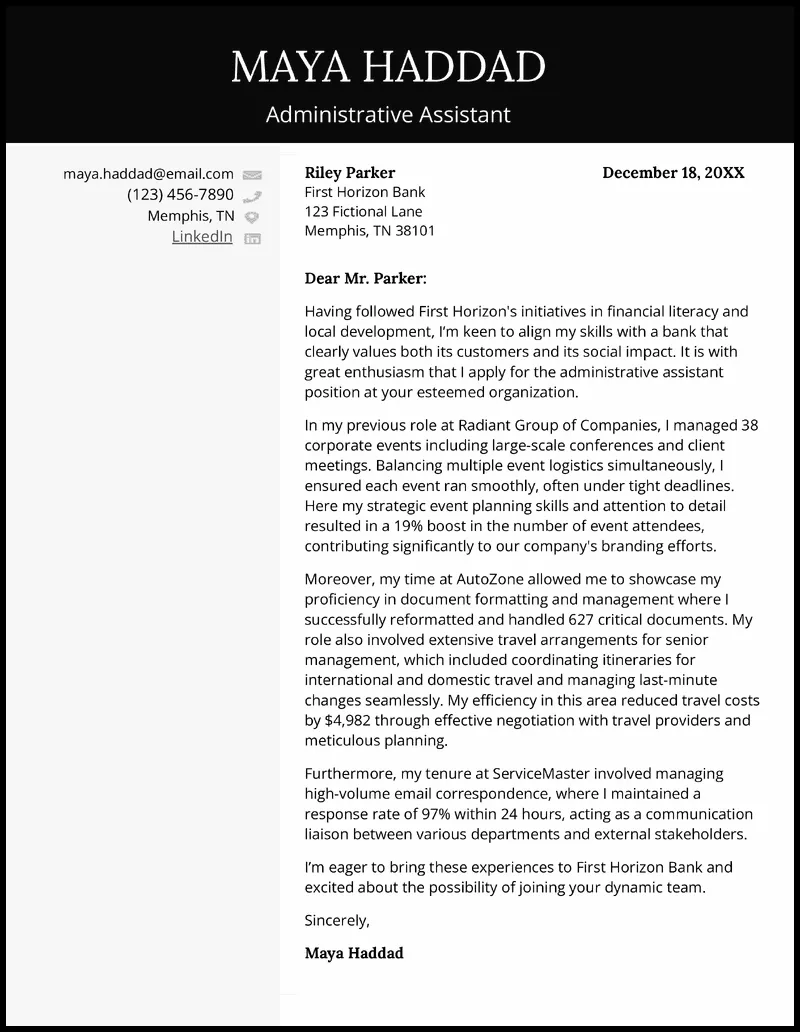
What is a Business Cover Letter?
A business cover letter is a formal document that accompanies your resume when you apply for a job. It serves as an introduction, highlighting your skills, experiences, and qualifications in a way that directly relates to the job you’re applying for. Unlike a resume, which is a factual account of your work history, a cover letter allows you to express your personality, demonstrate your interest in the company, and explain why you are the ideal candidate. It’s your chance to make a strong first impression and persuade the hiring manager to read your resume and consider you for an interview. A well-crafted cover letter can significantly increase your chances of landing a job interview by showcasing your unique value proposition and making a compelling case for your candidacy. It’s also an opportunity to address any potential weaknesses in your application and provide context for your career goals.
Why is a Business Cover Letter Important?
A business cover letter is crucial for several reasons. Firstly, it provides context to your resume. While your resume lists your accomplishments and skills, the cover letter explains how those skills align with the specific requirements of the job. It allows you to tailor your application to each position, demonstrating that you’ve done your research and understand the company’s needs. Secondly, it showcases your communication skills. A well-written cover letter proves your ability to articulate your thoughts clearly and concisely, which is a valuable asset in any professional role. Thirdly, it allows you to express your enthusiasm and interest in the company. By highlighting your passion for the industry and your alignment with the company’s values, you can make a memorable impression on the hiring manager. Finally, many employers expect a cover letter; not including one could be seen as a lack of attention to detail or a lack of genuine interest in the position.
Key Elements of a Powerful Business Cover Letter

A compelling business cover letter contains several key elements that work together to make a strong impression. Firstly, it begins with a professional header, including your contact information and the date. Secondly, it addresses the hiring manager by name, if possible, showing that you’ve taken the time to research the company. The body of the letter should be divided into clear paragraphs. The first paragraph grabs the reader’s attention and states the position you’re applying for. The second paragraph highlights your most relevant skills and experiences. The third paragraph showcases your value proposition and explains why you are the best fit for the role. The closing paragraph reiterates your interest, includes a call to action (e.g., requesting an interview), and expresses your gratitude. Finally, the letter should end with a professional complimentary close and your signature. Ensure all these elements create a cohesive and persuasive message.
Formatting Your Business Cover Letter for Success
Proper formatting is essential for a professional and easy-to-read business cover letter. Use a standard business letter format, such as block style or modified block style. Choose a professional font like Times New Roman, Arial, or Calibri in a size between 10 and 12 points. Maintain consistent margins of one inch on all sides of the page. Use single spacing for the body of the letter, with a double space between paragraphs. Keep the letter concise and focused, ideally within one page. Avoid unnecessary jargon or overly complex sentences. Proofread carefully to eliminate any errors in grammar and spelling. A well-formatted cover letter demonstrates attention to detail and respect for the recipient’s time. Using a clear, uncluttered layout helps the hiring manager quickly grasp your key qualifications and understand why you’re a strong candidate.
Header Section
The header is the first element of your business cover letter and contains essential contact information. It typically includes your full name, address, phone number, and email address. Make sure this information is up-to-date and accurate. Use a clean, professional font and formatting. If you’re sending your cover letter electronically, you can also include a link to your LinkedIn profile or online portfolio. The header should be at the top left or right of the page. The header helps the hiring manager easily contact you if they are interested in your application. Ensure that your email address is professional-sounding.
Your Contact Information

At the top of your cover letter, your contact information should be clearly displayed. Include your full name, address (or city and state), phone number, and a professional email address. This allows the hiring manager to easily reach you to schedule an interview or request additional information. Double-check the accuracy of your phone number and email address before sending your application. Using a professional-sounding email address is important, such as one using your full name (e.g., firstname.lastname@email.com).
Recipient Contact Information
Below your contact information, include the recipient’s details. This typically includes the hiring manager’s name, title, the company’s name, and the company’s address. If you can’t find the name of the hiring manager, try to research it on LinkedIn or the company’s website. If you are unable to find a specific name, address the letter to the Hiring Manager or the appropriate department. Addressing the letter to a specific person shows that you’ve done your research and are interested in the position. Ensure the recipient’s information is accurate to avoid any delays.
Salutation
The salutation is the greeting at the beginning of your cover letter. Use a formal and professional salutation. If you know the hiring manager’s name, address the letter to ‘Dear Mr./Ms./Mx. [Last Name]’. If you don’t know the name, you can use ‘Dear Hiring Manager’ or ‘Dear [Department Name] Hiring Team’. Avoid using generic greetings like ‘To Whom It May Concern’. The salutation sets the tone for the letter and demonstrates your attention to detail. Always double-check the spelling of the recipient’s name.
Body Section

The body of your cover letter is where you make your case for why you are the ideal candidate. It should be divided into several paragraphs that each serve a specific purpose. The body should demonstrate how your skills and experience align with the job requirements, highlighting your accomplishments and the value you can bring to the company. Use clear, concise language and avoid jargon. Tailor the content to each specific job application, emphasizing the skills and experiences most relevant to the position. The body section is your chance to showcase your personality and enthusiasm for the opportunity. Make each paragraph count.
First Paragraph Grab Their Attention
The first paragraph of your cover letter is crucial for grabbing the hiring manager’s attention. Start by stating the specific position you are applying for and where you found the job posting. Briefly mention why you are interested in the role and the company. Show enthusiasm and make a strong opening statement to create an immediate positive impression. Consider starting with a brief, impactful statement about your skills or a relevant achievement. For example, you could say, ‘I am writing to express my keen interest in the Marketing Manager position advertised on LinkedIn, and I am eager to leverage my experience in digital marketing to drive growth for [Company Name].’
Second Paragraph Highlight Relevant Skills
The second paragraph should focus on highlighting your skills and experiences that are most relevant to the job requirements. Review the job description carefully and identify the key skills and qualifications the employer is seeking. Provide specific examples of how you have demonstrated those skills in previous roles. Use the STAR method (Situation, Task, Action, Result) to structure your examples, demonstrating how you approached a challenge, what actions you took, and what the positive outcomes were. Quantify your achievements whenever possible to provide concrete evidence of your capabilities. Avoid simply restating your resume; instead, provide further context and detail.
Third Paragraph Showcase Your Value

In the third paragraph, showcase your value proposition and explain why you are the best fit for the role. Explain what you can bring to the company and how you can contribute to its success. Research the company’s goals and values and demonstrate how your skills and experiences align with those objectives. Highlight specific achievements or projects that demonstrate your ability to succeed in the role. Emphasize your unique strengths and what sets you apart from other candidates. Show enthusiasm for the opportunity and express your desire to make a positive impact. This is your chance to differentiate yourself from the competition.
Closing Paragraph Call to Action
The closing paragraph should reiterate your interest in the position and the company. Express your gratitude for the hiring manager’s time and consideration. Include a call to action, such as requesting an interview or a follow-up phone call. Restate your contact information and express your eagerness to discuss your qualifications further. End with a confident and positive tone. Avoid using generic phrases like ‘Thank you for your consideration.’ Instead, tailor your closing to the specific job and company. For example, you could say, ‘I am eager to discuss how my skills and experience can contribute to [Company Name]’s success, and I welcome the opportunity for an interview.’
Complimentary Close
The complimentary close is the formal closing of your cover letter. Choose a professional closing such as ‘Sincerely,’ ‘Best regards,’ ‘Yours sincerely,’ or ‘Respectfully.’ Avoid casual closings like ‘Thanks’ or ‘Cheers.’ Ensure the closing aligns with the overall tone of your letter. Always place a comma after the complimentary close. The complimentary close is a final sign of respect for the recipient.
Signature

If you’re submitting a physical cover letter, leave space for your handwritten signature above your typed name. If submitting digitally, type your full name and consider inserting a scanned image of your signature if possible. Your signature adds a personal touch and confirms your agreement with the content of the letter. Make sure your name is clearly visible and easy to read.
Proofreading Your Business Cover Letter
Proofreading is a critical step in writing a powerful business cover letter. Errors in grammar, spelling, and punctuation can create a negative impression and undermine your credibility. Carefully review your cover letter for any mistakes. Use a spell checker and grammar checker, but don’t rely on them entirely. Read your letter aloud to catch any awkward phrasing or sentences. Ask a friend or family member to proofread your letter for a fresh perspective. Pay attention to the details, such as capitalization, punctuation, and formatting. A polished, error-free cover letter demonstrates your attention to detail and professionalism. Proofreading ensures your message is clear, concise, and impactful.
Common Mistakes to Avoid in a Business Cover Letter
Avoid these common mistakes to ensure your cover letter stands out. Don’t use a generic cover letter; tailor each letter to the specific job and company. Don’t make it too long; aim for one page. Avoid simply restating your resume; provide additional context and demonstrate your value. Don’t use overly formal or informal language. Avoid typos, grammatical errors, and spelling mistakes. Don’t focus on what you want; focus on what you can offer the employer. Avoid negative language or complaining about previous employers. Don’t be vague; provide specific examples and quantify your achievements. Proofread your letter multiple times to catch any errors. These mistakes can prevent your cover letter from effectively showcasing your skills and experience.
Using the Right Tone and Language

The tone and language of your business cover letter should be professional and enthusiastic. Use clear, concise language and avoid jargon or overly complex sentences. Maintain a positive and confident tone throughout the letter. Tailor your language to the company’s culture and values. Demonstrate your passion for the role and your interest in the company. Use action verbs to describe your accomplishments and responsibilities. Proofread your letter carefully to ensure the tone is appropriate and the language is clear and impactful. The right tone and language make a positive first impression and help you connect with the hiring manager. Use words that highlight your skills and make you sound confident.
Tailoring Your Cover Letter to the Job
Tailoring your cover letter to each job application is essential for making a strong impression. Carefully review the job description and identify the key skills, qualifications, and experiences the employer is seeking. Highlight your relevant skills and experiences and provide specific examples of how you have demonstrated those skills in previous roles. Use keywords from the job description to show that you understand the role and the company’s needs. Customize the content and format to align with the company’s brand and culture. Show that you have done your research and understand the company’s values and goals. Tailoring your cover letter demonstrates your interest in the specific position and shows that you are a good fit for the company.
Example Business Cover Letter Template
Here is a sample template to guide you in creating your business cover letter.
[Your Name] [Your Address] [Your Phone Number] [Your Email]
[Date]
[Hiring Manager Name (if known)] [Hiring Manager Title] [Company Name] [Company Address]
Dear [Mr./Ms./Mx. Last Name or Hiring Manager],
[First Paragraph Grab Their Attention]
[Second Paragraph Highlight Relevant Skills]
[Third Paragraph Showcase Your Value]
[Closing Paragraph Call to Action]
Sincerely, [Your Signature] [Your Typed Name]
Remember to customize this template with your own information, skills, and experiences. This helps you to structure your letter and include all the necessary information. Adapt the language to align with the specific job and company to make a strong impact on the hiring manager.
Where to Send Your Business Cover Letter
Typically, you submit your business cover letter along with your resume through the following channels. Most companies have an online application system where you can upload both documents. If you are applying via email, attach your cover letter and resume as separate PDF files. Always follow the instructions provided in the job posting. For physical applications, print your cover letter and resume on high-quality paper and mail them to the address listed in the job posting. Ensure all your documents are formatted professionally and are free of errors. Follow the employer’s specific instructions for the best chances of success. Always use PDF format to preserve the formatting of your documents across different systems.