Crafting the Perfect Graduate Cover Letter
A compelling cover letter is your first opportunity to make a strong impression on a graduate program admissions committee. It’s more than just a formality; it’s a crucial tool that allows you to showcase your personality, experiences, and motivations in a way that your resume alone cannot. This guide will walk you through the essential steps to write a killer graduate program cover letter that grabs attention and increases your chances of acceptance. Remember, each program is looking for something specific, so tailoring your letter to their unique requirements and values is key. Your goal is to paint a clear picture of why you’re a perfect fit and why the program should choose you.
Understanding the Purpose of a Cover Letter
The primary purpose of a graduate program cover letter is to introduce yourself and explain why you’re a suitable candidate for the program. It allows you to tell your story, highlighting relevant experiences, skills, and goals that align with the program’s objectives. Unlike a resume, which provides a snapshot of your qualifications, a cover letter offers a narrative, allowing you to connect your past experiences with your future aspirations. It’s also an opportunity to demonstrate your writing skills, which are essential for success in graduate studies. The best cover letters are those that are tailored to the specific program and demonstrate a clear understanding of its mission and values.
Why a Cover Letter is Essential

A well-written cover letter is essential because it provides context to your application. It explains your reasons for applying, demonstrates your genuine interest in the program, and showcases your personality and writing ability. It complements your resume by elaborating on specific experiences and highlighting relevant skills that might not be immediately apparent. Admissions committees often use cover letters to assess your communication skills, your understanding of the program, and your overall fit with the institution’s culture. Without a strong cover letter, you risk presenting a generic application that fails to capture the attention of the admissions committee and may be overlooked.
Highlighting Your Qualifications
Your cover letter is where you can elaborate on your qualifications and demonstrate how they align with the program’s requirements. Focus on the skills and experiences that are most relevant to the program you’re applying to. This might include research experience, relevant coursework, leadership roles, or any other achievements that showcase your capabilities. Avoid simply restating your resume; instead, provide specific examples of how you’ve used your skills to achieve results. Quantify your achievements whenever possible. For example, instead of saying ‘Managed a team,’ say ‘Managed a team of five, resulting in a 15% increase in project efficiency.’ This level of detail makes your qualifications more compelling.
Researching the Program and Institution
Before you start writing, thoroughly research the graduate program and the institution. Understand its mission, values, faculty, and research interests. This research will help you tailor your cover letter to the specific program and demonstrate your genuine interest. Visit the program’s website, read faculty profiles, and explore any research publications or projects. Understanding what the program values will enable you to highlight the relevant aspects of your experience and skills. Generic cover letters are easily identified, and they often fail to impress. A tailored cover letter, on the other hand, shows that you’ve taken the time to understand the program and its unique offerings.
Tailoring Your Letter to the Specific Program

Each graduate program is unique. Therefore, your cover letter should be tailored to the specific program you’re applying to. Highlight the aspects of your experience that align with the program’s focus and goals. Mention specific courses, faculty members, or research areas that interest you and explain why. Demonstrating this level of understanding shows the admissions committee that you’re serious about joining their program. Avoid using a generic cover letter that could be sent to any program. Instead, customize each letter to reflect the unique characteristics of the program you’re applying to. This will make your application stand out.
Demonstrating Your Interest and Enthusiasm
Show genuine interest and enthusiasm for the program. Explain why you’re excited about the opportunity to study there and what you hope to achieve. Mention specific aspects of the program that appeal to you, such as specific courses, research opportunities, or faculty members. Express your career goals and how the program will help you achieve them. Your passion and enthusiasm should be evident throughout your cover letter. This will make a positive impression on the admissions committee and increase your chances of being selected. Conveying your excitement and passion is a crucial aspect of making your cover letter stand out.
Structuring Your Cover Letter Effectively
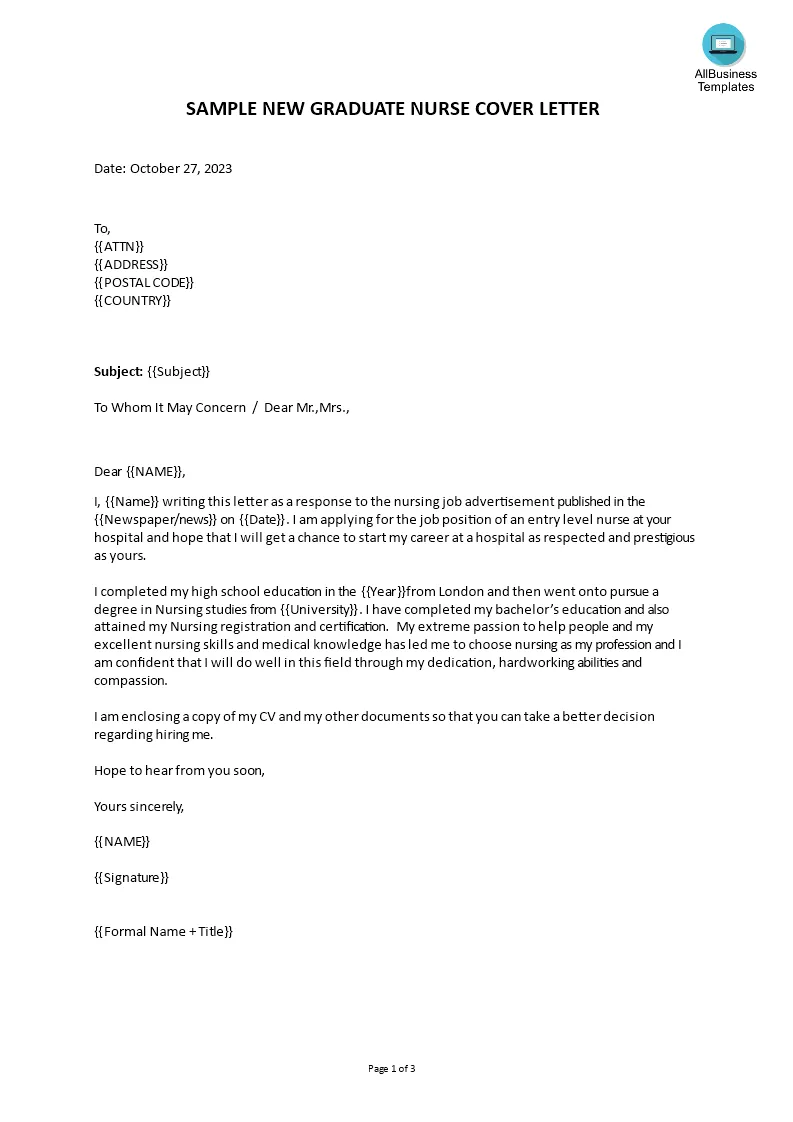
A well-structured cover letter is easy to read and effectively communicates your message. It should follow a standard format, with a clear introduction, body paragraphs, and a concise conclusion. Pay attention to the flow of your letter, ensuring that each paragraph logically follows the previous one. Use headings and subheadings to organize your thoughts and make it easier for the reader to navigate the content. The structure of your cover letter is critical to highlighting your most important points and engaging the admissions committee. Proper structure also makes the letter more readable and professional. Consider including the following sections.
Header and Contact Information

Begin your cover letter with a professional header that includes your name, address, phone number, and email address. Also include the date and the name and address of the admissions committee or the person you are addressing. This ensures that the recipient knows who the letter is from and how to contact you. Ensure your contact information is accurate and up-to-date. It’s essential to make it easy for the admissions committee to reach you if they want to learn more or offer you an interview. A well-formatted header sets a professional tone from the start. See the image of example header in the article.
Opening Paragraph Making a Strong First Impression
The opening paragraph is your chance to make a strong first impression. Clearly state the position you’re applying for and where you found the program. Briefly introduce yourself and highlight your key qualifications or the reason you’re interested in the program. This paragraph should capture the reader’s attention and make them want to continue reading. Your opening should be concise, enthusiastic, and specific. Avoid generic phrases, and immediately show the admissions committee why you are a good fit. The goal is to create curiosity and encourage them to learn more about you. A strong opening can make the rest of your letter more impactful. Check the example introduction in the image
Body Paragraphs Showcasing Your Skills
The body paragraphs are the heart of your cover letter. Use these paragraphs to elaborate on your qualifications, experiences, and motivations. Connect your past experiences to the program’s requirements and explain how your skills and experiences make you an ideal candidate. Focus on showcasing your abilities, such as research experience, analytical skills, communication skills, or any other relevant skills. Be specific and provide concrete examples of how you have demonstrated these skills in the past. Quantify your achievements whenever possible. The more detail you provide, the more convincing your arguments will be. Use specific examples that highlight your best qualities.
Highlighting Relevant Experiences

In the body paragraphs, delve deeper into your relevant experiences. Discuss any internships, research projects, or work experiences that are related to the program. Explain your role in these experiences, the challenges you faced, and the outcomes you achieved. Highlight any skills or knowledge you gained that will be valuable in the graduate program. This is the perfect place to show the admissions committee what you have done and what you have learned. Ensure these examples demonstrate your ability to succeed in a graduate program. The goal is to prove that you have the necessary background and potential for success.
Quantifying Achievements
Whenever possible, quantify your achievements. Use numbers, percentages, and specific data to demonstrate the impact of your work. For example, instead of saying, ‘Improved sales,’ say, ‘Increased sales by 15% in six months.’ This provides concrete evidence of your abilities and makes your achievements more impressive. Quantifying your achievements also shows the admissions committee that you are results-oriented and capable of making a real difference. Concrete numbers create more memorable and compelling examples of your skills. The more specific you are, the stronger your application will be. See the example in the picture.
Demonstrating Skills and Alignment
In the body paragraphs, demonstrate how your skills and experiences align with the program’s objectives and values. Explain how your skills will contribute to the program, such as research, critical thinking, or leadership. Show how your personal and professional goals align with what the program offers. Mention specific courses or faculty members you are interested in and how they can help you achieve your goals. This connection underscores why you are a good fit. Highlighting the alignment of your skills will demonstrate that you are a well-matched candidate, increasing your chances of getting accepted. Consider how your skills match the program’s specific requirements.
Closing Paragraph Reiterating Interest

In your closing paragraph, reiterate your interest in the program and express your enthusiasm for the opportunity. Thank the admissions committee for their time and consideration. Include a call to action, such as expressing your availability for an interview. Keep it concise, professional, and confident. Avoid any new information in your closing. The goal is to leave a lasting positive impression. Ending with a strong closing reinforces your desire to join the program. Make the closing paragraph a memorable and decisive final message.
Proofreading and Editing
Proofreading and editing are essential steps in writing a successful cover letter. Carefully review your letter for any grammatical errors, typos, or inconsistencies. Errors can undermine your credibility and make a negative impression on the admissions committee. Ensure that your writing is clear, concise, and professional. Take the time to thoroughly proofread your cover letter and make necessary revisions. The smallest error can affect your application. The more perfect your letter is, the better. See the picture for the key steps.
Ensuring Accuracy and Professionalism
Accuracy and professionalism are key components of a strong cover letter. Make sure all the information you provide is accurate, including your contact information, dates, and details about your experiences. Use a professional tone throughout your letter. Avoid slang, jargon, or overly casual language. Maintain a formal and respectful tone. Ensure that your formatting is consistent and that your letter is easy to read. A professional-looking cover letter demonstrates your attention to detail and respect for the application process. Accuracy and professionalism will demonstrate your level of care.
Seeking Feedback from Others

Before submitting your cover letter, seek feedback from others. Ask trusted friends, family members, professors, or career advisors to review your letter and provide constructive criticism. They can identify any areas that need improvement, such as clarity, grammar, or content. Their fresh perspective can help you catch any errors or inconsistencies that you might have missed. Consider getting feedback from multiple people to get a well-rounded assessment of your cover letter. Feedback is an invaluable tool to polish your letter and ensure it’s as effective as possible. Asking for feedback is a smart step.
Writing a compelling graduate program cover letter is a crucial step in your application process. By understanding its purpose, structuring it effectively, and tailoring it to each program, you can increase your chances of acceptance. Always remember to proofread and edit your cover letter before submitting it. Following these guidelines can help you craft a killer cover letter that makes a positive impact and helps you achieve your academic goals. Good luck with your applications!