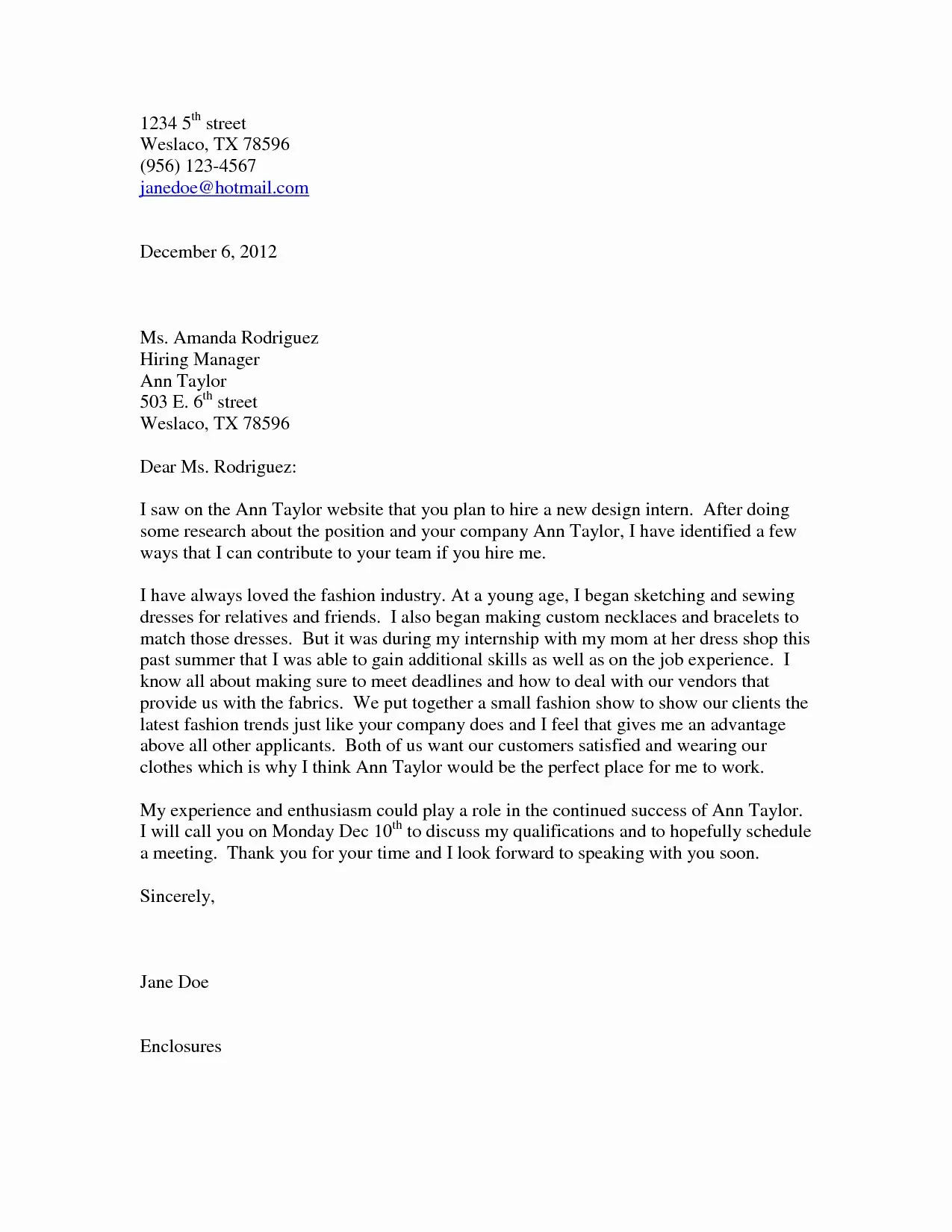
Understanding the Purpose of a Cover Letter
A cover letter serves as your introduction to a potential employer. It’s your chance to make a strong first impression and showcase why you’re the perfect fit for the role. Unlike a resume, which provides a factual overview of your qualifications, a cover letter allows you to express your personality, demonstrate your enthusiasm, and connect your skills and experience to the specific needs of the job. It’s a critical component of your job application package, and when you don’t know the hiring manager or anyone at the company, it becomes even more important to craft a compelling narrative that captures their attention. It’s your opportunity to make a connection, even without a personal referral, and to persuade the reader to learn more about you by reviewing your resume and potentially inviting you for an interview.
Why a Cover Letter Matters
In today’s competitive job market, a well-written cover letter can set you apart from other applicants. It demonstrates your communication skills, attention to detail, and genuine interest in the position and the company. It offers an opportunity to explain any gaps in your resume, highlight your accomplishments with quantifiable results, and show how your skills align with the job requirements. When you’re applying without a personal connection, your cover letter becomes even more important. It’s your chance to show the hiring manager that you’ve done your research, that you understand the company’s values and goals, and that you’re excited about the opportunity to contribute to their success. A strong cover letter can be the deciding factor in getting you an interview, even if you don’t know anyone at the company.
Tips for Writing a Cover Letter When You Don’t Know the Person

Writing a cover letter when you don’t know the hiring manager or anyone at the company requires a strategic approach. You need to make a compelling case for why you are the ideal candidate while showcasing your enthusiasm for the role and the organization. The absence of a personal connection means you need to work harder to make a strong impression. This requires a focus on thorough research, highlighting your relevant skills and experiences, and crafting a well-structured letter that effectively communicates your value proposition. Your cover letter should clearly and concisely articulate your qualifications, demonstrate your understanding of the company’s needs, and express your genuine interest in the opportunity. It’s a chance to create a positive first impression that will encourage the hiring manager to delve deeper into your application.
Researching the Company and the Role
Before you begin writing, conduct thorough research on the company and the specific role. Visit the company’s website, explore their social media profiles (LinkedIn, Twitter, etc.), and read news articles or press releases about the organization. Understand their mission, values, recent achievements, and challenges. Study the job description carefully, identifying the key skills, qualifications, and responsibilities. Tailor your cover letter to address these specific requirements. Showing that you understand the company’s goals and can contribute to their success demonstrates your genuine interest and makes you a more appealing candidate. This shows that you’re not just sending out a generic application, but that you’re genuinely interested in the specific opportunity.
Highlighting Relevant Skills and Experience
Your cover letter should showcase your skills and experiences that are directly relevant to the job requirements. Don’t just list your qualifications; instead, provide specific examples of how you’ve used those skills to achieve results. Quantify your accomplishments whenever possible. For instance, instead of saying ‘Managed social media accounts,’ you could say ‘Increased social media engagement by 30% in six months.’ This demonstrates your ability to deliver results and provides concrete evidence of your capabilities. Align your skills with the keywords used in the job description, and emphasize how your background makes you a perfect fit for the role. By focusing on the most relevant and impactful aspects of your experience, you’ll demonstrate that you’re a strong contender, even without a personal connection.
Structuring Your Cover Letter for Impact

A well-structured cover letter is easy to read and keeps the reader engaged. Start with a strong opening, followed by a few paragraphs that highlight your key skills and experiences. Then, demonstrate your value and interest in the company. Finish with a compelling closing that expresses your enthusiasm and encourages the hiring manager to contact you. Each section should have a clear purpose and contribute to your overall narrative. Ensure that the letter flows logically, with each paragraph building upon the previous one. A clear structure will help you convey your message effectively and leave a lasting impression. A well-organized letter shows that you’re organized, thoughtful, and capable of communicating effectively.
Crafting a Strong Opening
Your opening paragraph should grab the reader’s attention immediately. Avoid generic phrases like ‘I am writing to express my interest…’ Instead, try a more engaging approach. You could mention how you discovered the job opportunity, express your admiration for the company, or highlight a relevant achievement. Clearly state the position you are applying for. The opening paragraph sets the tone for the rest of your letter, so make sure it’s concise, compelling, and demonstrates your enthusiasm. It should make the reader want to learn more. The best openings are specific and show your understanding of the role or company.
Demonstrating Value and Interest
In the body of your letter, demonstrate the value you can bring to the company. Explain how your skills and experience align with the job requirements and company goals. Use specific examples to illustrate your accomplishments and quantify your results whenever possible. Show, don’t just tell, the reader why you’re a good fit. Express your genuine interest in the company by referencing their mission, values, or recent projects. Explain why you’re drawn to the organization and what you hope to achieve in the role. Make it clear that you’ve done your research and are not just applying for any job; you want this job with this company. This level of detail and personalization is crucial when you’re applying without a personal connection.
Using Keywords Strategically

Carefully review the job description and identify the key skills and keywords. Use these keywords naturally throughout your cover letter. This helps to ensure that your application gets noticed by applicant tracking systems (ATS) and demonstrates that you meet the essential requirements of the role. Avoid keyword stuffing, as this can make your letter sound unnatural and detract from your message. Instead, integrate the keywords seamlessly into your sentences, focusing on how you’ve used those skills and achieved results. Make sure the keywords are relevant to your experience and are supported by concrete examples. Strategic use of keywords increases your chances of your cover letter being read by a human and helps it get past the initial automated screening processes.
Writing a Compelling Closing
Your closing paragraph should reiterate your interest in the position and express your desire for an interview. Thank the hiring manager for their time and consideration. Include a call to action, such as ‘I look forward to hearing from you’ or ‘I am eager to discuss how my skills can benefit your team.’ Make it easy for the hiring manager to contact you by providing your phone number and email address. Avoid generic closings. Make it personal and show that you’re enthusiastic about the opportunity and eager to move forward in the hiring process. End on a positive and professional note, leaving the reader with a clear understanding of your qualifications and your eagerness to be considered for the role.
Examples of Effective Cover Letter Openings
Here are three different examples of cover letter openings, demonstrating different approaches to capturing the reader’s attention, even when you don’t know the person. These examples highlight the importance of tailoring your opening to the specific job and company and making it personal.
Example 1 Enthusiastic Approach

“I was thrilled to discover the [Job Title] position at [Company Name], as advertised on [Platform]. Having followed [Company Name]’s innovative work in [Industry] for some time, I am deeply impressed by [mention a specific achievement or project]. My background in [relevant field] and my passion for [relevant skill] align perfectly with the requirements of this role, and I am confident that I can make a significant contribution to your team.”
Example 2 Focus on Achievements
“With a proven track record of [quantifiable achievement] in [relevant field], I am writing to express my interest in the [Job Title] position at [Company Name]. In my previous role at [Previous Company], I was responsible for [brief description of responsibilities], and I consistently exceeded expectations, achieving [specific result]. I am eager to apply my skills and experience to help [Company Name] achieve its goals.”
Example 3 Referencing Company Values
“I am writing to express my keen interest in the [Job Title] position at [Company Name], as advertised on [Platform]. As a long-time admirer of [Company Name]’s commitment to [mention a company value, e.g., innovation, customer service, sustainability], I am confident that my values align perfectly with yours. My experience in [relevant field] and my passion for [relevant skill] make me a strong candidate for this role, and I am eager to contribute to your continued success.”
Common Mistakes to Avoid

Even the most skilled candidates can make mistakes in their cover letters. When you don’t have a personal connection, it’s even more critical to avoid these common pitfalls. These mistakes can damage your application and reduce your chances of getting an interview. Avoiding these errors increases your chances of success when you are competing against other candidates.
Generic Language
Avoid using generic, boilerplate language that could apply to any job. Tailor your cover letter to the specific role and company. Generic phrases like ‘I am a hard worker’ or ‘I am a team player’ don’t offer any specific information and don’t make you stand out. Replace these with specific examples of your accomplishments and explain how your skills relate to the job. Show the employer that you’ve taken the time to understand their needs and are genuinely interested in their company. Use strong action verbs and avoid clichés that may bore the reader.
Focusing Too Much on Yourself
While it’s important to highlight your skills and experiences, don’t make your cover letter all about you. Focus on how you can contribute to the company’s success. Show the employer what you can do for them, not just what they can do for you. Emphasize your understanding of their needs and how your skills align with their goals. By demonstrating your value proposition, you’ll make a stronger case for why you’re the right person for the job.
Failing to Tailor the Letter

Avoid sending out a generic cover letter to multiple companies. Customize each letter to match the specific job description and company requirements. If you are using a template, make sure to customize the content to reflect the specific details of the role and the organization. This shows that you’ve taken the time to understand their needs and are genuinely interested in the opportunity. Generic letters are easy to spot and often end up in the rejection pile. Take the time to tailor your letter and show the hiring manager that you are serious about the position and the company.
Proofreading and Editing Your Cover Letter
Before you submit your cover letter, carefully proofread and edit it. Errors in grammar, spelling, or punctuation can create a negative impression and undermine your credibility. Use a grammar checker, and, more importantly, have someone else review your letter. Fresh eyes can catch errors you might have missed. Pay attention to the formatting of your letter, ensuring it is clear, concise, and easy to read. A polished cover letter shows attention to detail and professionalism. Careful proofreading is essential when you’re competing against other well-qualified candidates.
Formatting for Readability
Make sure your cover letter is easy to read. Use a professional font like Arial or Times New Roman. Use a readable font size (11 or 12 points). Use short paragraphs and plenty of white space to break up the text. Use bullet points to highlight your key accomplishments and skills. These formatting choices improve readability and keep the reader engaged. A well-formatted cover letter is more likely to be read and understood. Ensure that it is visually appealing and easy to scan. Remember the goal is to make it as easy as possible for the hiring manager to see how you are qualified for the job.
The Importance of a Professional Tone

Maintain a professional and respectful tone throughout your cover letter. Avoid using slang, casual language, or overly familiar expressions. Address the hiring manager formally, unless the job description or company culture suggests otherwise. Proofread your letter to ensure that your tone matches the requirements of the job you are applying for. Use language that reflects your professionalism, your respect for the company, and your enthusiasm for the role. A professional tone shows that you take your job search seriously and that you are a thoughtful communicator, which can be critical when you do not have a personal connection to fall back on.