What is a Cover Letter?
A cover letter is a crucial document that accompanies your resume when applying for a job. It serves as your introduction to the hiring manager, providing context to your application and highlighting your most relevant qualifications and experiences. Think of it as a personalized sales pitch, allowing you to showcase your personality, enthusiasm, and suitability for the specific role. A well-crafted cover letter can significantly increase your chances of getting noticed and securing an interview. It’s your opportunity to make a strong first impression and differentiate yourself from other applicants. While a resume provides a summary of your skills and work history, the cover letter allows you to elaborate on these points and explain why you’re the perfect fit for the job.
Why is a Cover Letter Important?
In today’s competitive job market, a cover letter is essential. It’s not just a formality; it’s a strategic tool that can set you apart. Firstly, it allows you to personalize your application. You can tailor your letter to the specific job and company, demonstrating that you’ve done your research and are genuinely interested. Secondly, a cover letter provides context. You can explain gaps in your employment history, elaborate on achievements, and highlight how your skills align with the job requirements. Thirdly, it showcases your communication skills. A well-written cover letter demonstrates your ability to articulate your thoughts clearly and concisely, a valuable asset in any professional setting. Finally, it offers an opportunity to express your enthusiasm and personality. Your passion for the role and the company can shine through, making you a more memorable candidate.
Cover Letter vs Resume

While both a cover letter and a resume are vital components of a job application, they serve different purposes. Your resume is a concise summary of your skills, experience, education, and accomplishments. It’s a factual document that provides a snapshot of your professional background. A cover letter, on the other hand, is a more narrative document. It allows you to elaborate on the information in your resume, explain your motivations, and demonstrate your fit for the specific role. The resume is your ‘what’ – what you’ve done. The cover letter is your ‘why’ – why you’re the right person for the job. A resume is typically scanned by Applicant Tracking Systems (ATS), while the cover letter gives you a chance to speak directly to the hiring manager. Think of it as your opportunity to make a personal connection before the interview.
Key Components of a Cover Letter
A well-structured cover letter typically includes several key components. These components work together to create a compelling narrative that captures the reader’s attention and convinces them of your suitability for the role. Understanding these elements is crucial for crafting an effective cover letter that effectively conveys your qualifications and enthusiasm. The most important sections include the header, greeting, body paragraphs (including an attention-grabbing first paragraph, skills-highlighting second paragraph, and enthusiasm-demonstrating third paragraph), closing paragraph with a call to action, and closing. Properly organizing these elements ensures your cover letter is easy to read and makes a strong impression.
Header
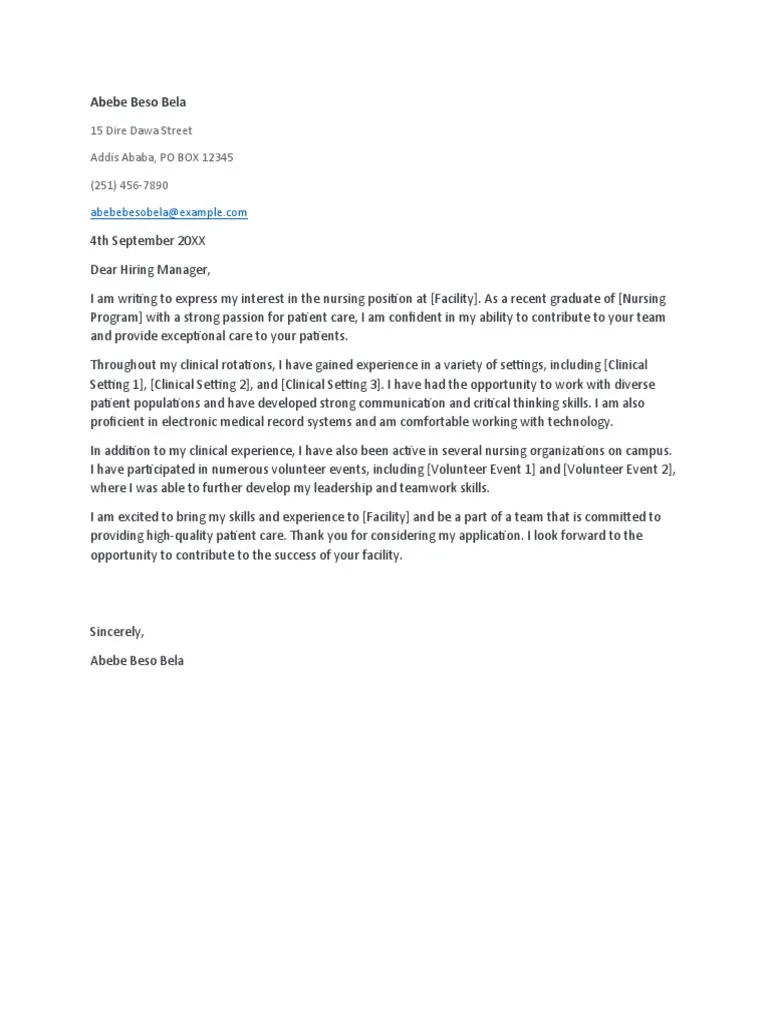
The header of your cover letter should include your contact information: your name, address, phone number, and email address. It should be consistent with the information on your resume. Also, include the date, and the hiring manager’s name, title, and company address (if known). A professional header sets the tone for the rest of the letter and ensures the hiring manager can easily contact you. Ensuring accurate contact information avoids any potential problems with contacting you. Use a clear, readable font and maintain a professional appearance for the header.
Greeting

Address the hiring manager by name whenever possible. Research the company and find the name of the person responsible for hiring for the position. This personal touch demonstrates that you’ve taken the time to learn about the company and the specific role. Avoid generic greetings like ‘To Whom It May Concern’ unless you absolutely cannot find the hiring manager’s name. If you’re unsure of the gender, use a gender-neutral greeting like ‘Dear [Hiring Manager Name]’ or use their full name. A personalized greeting immediately grabs the reader’s attention and shows respect.
Body Paragraphs
The body paragraphs are the heart of your cover letter. They should concisely convey your qualifications, experiences, and enthusiasm for the role. Organize your thoughts logically, using clear and concise language. The body typically consists of three or four paragraphs, each focusing on a specific aspect of your candidacy. The first paragraph should grab the reader’s attention, the second should highlight your relevant skills, and the third should demonstrate your enthusiasm for the company and the role. A well-structured body ensures your message is impactful.
First Paragraph Grab Their Attention
Start with a strong opening statement that immediately captures the reader’s interest. Briefly state the position you’re applying for and where you saw the job posting. Then, use this opportunity to express your enthusiasm for the role and the company. Briefly mention a key accomplishment or skill that aligns with the job requirements. Show the reader you understand what the role requires, and state your excitement about the opportunity. Ensure your opening is concise and impactful, setting the tone for the rest of the letter.
Second Paragraph Highlight Your Skills

This paragraph is where you highlight your skills and experiences that are most relevant to the job description. Carefully review the job posting and identify the key requirements. Then, select a few of your most relevant accomplishments and explain how they align with the job’s needs. Use quantifiable achievements whenever possible. For instance, instead of saying ‘Improved customer satisfaction,’ say ‘Increased customer satisfaction by 15%.’ Connect your past experiences with the required skills. Use action verbs to describe your responsibilities and achievements.
Third Paragraph Show Your Enthusiasm
In this paragraph, demonstrate your genuine interest in the company and the specific role. Research the company’s mission, values, and recent activities. Explain why you’re drawn to the company and what excites you about the opportunity. Mention specific aspects of the company or role that appeal to you. Connect your personal goals with the company’s goals. Show that you’ve done your homework and that you’re genuinely excited to contribute to their success. Be specific and avoid generic statements.
Closing Paragraph Call to Action
End your cover letter with a strong call to action. Reiterate your interest in the position and express your eagerness to discuss your qualifications further in an interview. Thank the hiring manager for their time and consideration. Include a polite statement, such as ‘I look forward to hearing from you soon’ or ‘Thank you for your consideration.’ Provide your contact information again in case it is missed. Ensure your closing is professional, enthusiastic, and leaves a positive final impression.
Closing

Use a professional closing, such as ‘Sincerely,’ ‘Best regards,’ or ‘Respectfully,’ followed by your full name. Ensure your name is spelled correctly. If submitting your cover letter electronically, make sure your signature is also included. Double-check your entire letter for any spelling or grammatical errors before submitting it. Ensure your contact information is correct. Proofreading is critical to maintaining your professional image.
Cover Letter Format and Structure
The format and structure of your cover letter are just as important as its content. A well-formatted letter is easy to read and creates a positive first impression. Pay close attention to your font, margins, spacing, and overall layout. These elements contribute to the professionalism and readability of your document. A poorly formatted letter can make even the best content less effective, so it’s essential to get these details right. Correct formatting helps the hiring manager quickly scan the letter and extract key information. Careful formatting demonstrates your attention to detail.
Font and Font Size
Choose a professional and easy-to-read font, such as Times New Roman, Arial, or Calibri. Avoid overly decorative fonts that can be difficult to read. Use a font size between 10 and 12 points. This size is standard and ensures your letter is legible without appearing cluttered. Maintain consistency throughout the document. The font and font size contribute to the overall readability and professionalism of your cover letter. Your letter should look polished and be easy to scan.
Margins and Spacing

Use standard 1-inch margins on all sides of your cover letter. This provides ample white space, making your letter more visually appealing and easier to read. Use single-spacing within paragraphs and double-spacing between paragraphs. This creates a clear visual separation between ideas and makes the letter less dense. Avoid overcrowding the page. White space is your friend. Proper margins and spacing create a balanced and visually appealing document. The layout should look clean and organized.
Cover Letter Length
Keep your cover letter concise and focused. Aim for a single page, typically no more than 250-400 words. Hiring managers are busy, and they may not have time to read a long, rambling letter. Ensure every sentence serves a purpose. Focus on your most relevant qualifications and experiences. Edit ruthlessly and eliminate any unnecessary words or phrases. A well-written, concise cover letter is more effective than a lengthy one. Respect the reader’s time, and make your points quickly and clearly.
Tips for Writing a Great Cover Letter
Writing a great cover letter requires careful planning and execution. The goal is to create a document that not only presents your qualifications but also highlights your personality and enthusiasm. By following these tips, you can increase your chances of making a positive impression and securing an interview. Tailor your letter to each job, proofread meticulously, and use relevant keywords. These steps will help ensure your cover letter is effective.
Tailor Your Cover Letter

Avoid using a generic cover letter. Tailor each letter to the specific job and company you’re applying for. Research the company and understand its values, mission, and recent activities. Review the job description carefully and identify the key requirements. Then, customize your cover letter to address those requirements directly. Highlight the skills and experiences that align with the job’s needs. Demonstrate your understanding of the company and your genuine interest in the role. Tailoring your cover letter shows your sincerity and increases your chances of getting noticed.
Proofread Your Cover Letter
Proofreading is crucial. Before submitting your cover letter, carefully proofread it for any errors in grammar, spelling, and punctuation. Errors can undermine your credibility and create a negative impression. Use a grammar checker, but don’t rely on it entirely. Read your letter aloud to catch any awkward phrasing. Ask a friend or family member to review your letter. They can often spot errors that you might have missed. A polished cover letter demonstrates your attention to detail and professionalism.
Use Keywords
Incorporate relevant keywords from the job description into your cover letter. Many companies use Applicant Tracking Systems (ATS) to scan resumes and cover letters for keywords. By including relevant keywords, you increase the chances of your application being selected. However, avoid keyword stuffing. Use keywords naturally within the context of your writing. Focus on the most important keywords and integrate them seamlessly. Ensure your writing flows and remains easy to read. Keywords can help your application pass through the initial screening process and get noticed by the hiring manager.
Cover Letter Examples
Reviewing cover letter examples can provide valuable insights into effective writing techniques and formatting. Look for examples that align with your industry and the type of role you’re seeking. Analyzing different examples will help you understand how to structure your letter, highlight your skills, and demonstrate your enthusiasm. Pay attention to the language used, the tone, and the overall impact of the letter. Adapt the examples to your situation, ensuring that your cover letter is personalized and reflects your unique qualifications. Cover letter examples can inspire and guide you in crafting your own successful application.
Entry-Level Cover Letter
An entry-level cover letter should focus on your education, relevant coursework, internships, and any volunteer experience. Even if you lack extensive work experience, you can still create a compelling cover letter. Highlight transferable skills, such as communication, teamwork, and problem-solving abilities. Express your eagerness to learn and your passion for the field. Tailor your letter to the specific role and demonstrate your potential to contribute to the company. Explain why you are interested in the role and what you can bring to the company. For an entry-level position, enthusiasm and a willingness to learn are crucial.
Experienced Professional Cover Letter
An experienced professional cover letter should showcase your accomplishments and quantify your achievements. Focus on your most relevant skills and experiences. Provide specific examples of how you’ve contributed to previous employers’ success. Use action verbs to describe your responsibilities and achievements. Highlight your leadership abilities, problem-solving skills, and any other relevant expertise. Show the hiring manager how you can bring value to their company. Demonstrating your previous successes will show your value.
Cover Letter for a Specific Role
When applying for a specific role, your cover letter must be highly targeted. Research the company and the specific requirements of the job. Tailor your letter to directly address those requirements. Highlight your skills and experiences that align with the job description. Demonstrate your understanding of the company’s needs and explain how you can contribute to their success. Use keywords from the job posting, but ensure your writing flows naturally. Show the hiring manager why you’re the perfect fit for the specific role and how you will benefit the company. Show your understanding of the role and how your skills match.
Cover Letter Mistakes to Avoid
Avoiding common mistakes can significantly improve the effectiveness of your cover letter. These mistakes can undermine your application and create a negative impression. Learn from these errors and ensure your cover letter showcases your qualifications in the best possible light. Avoid generic statements, spelling errors, and a lack of personalization. A well-crafted, error-free cover letter is more likely to capture the hiring manager’s attention and secure you an interview.
Common Mistakes
One of the most common mistakes is using a generic cover letter. Another is including excessive information. Using a tone that is too casual is also a mistake. Avoid using clichés, such as ‘I am a team player.’ Be sure to read through your letter and get another opinion to catch mistakes you may have missed. These are the common mistakes that can diminish your chances of getting hired.
How to Format Your Cover Letter
Correct formatting is crucial for a professional and readable cover letter. Choose a standard, easy-to-read font and size, such as Times New Roman or Arial, and a font size between 10 and 12 points. Use 1-inch margins on all sides of the page. Single-space within paragraphs and double-space between paragraphs. Ensure your header includes your contact information, the date, and the hiring manager’s information. The format should be clean and well-organized. Use appropriate headings and spacing to make your letter easy to scan and read. Correct formatting enhances the overall impact of your letter.
Writing a strong cover letter is a critical step in the job application process. By following these guidelines, you can create a cover letter that highlights your skills, experiences, and enthusiasm, and increase your chances of landing your dream job.