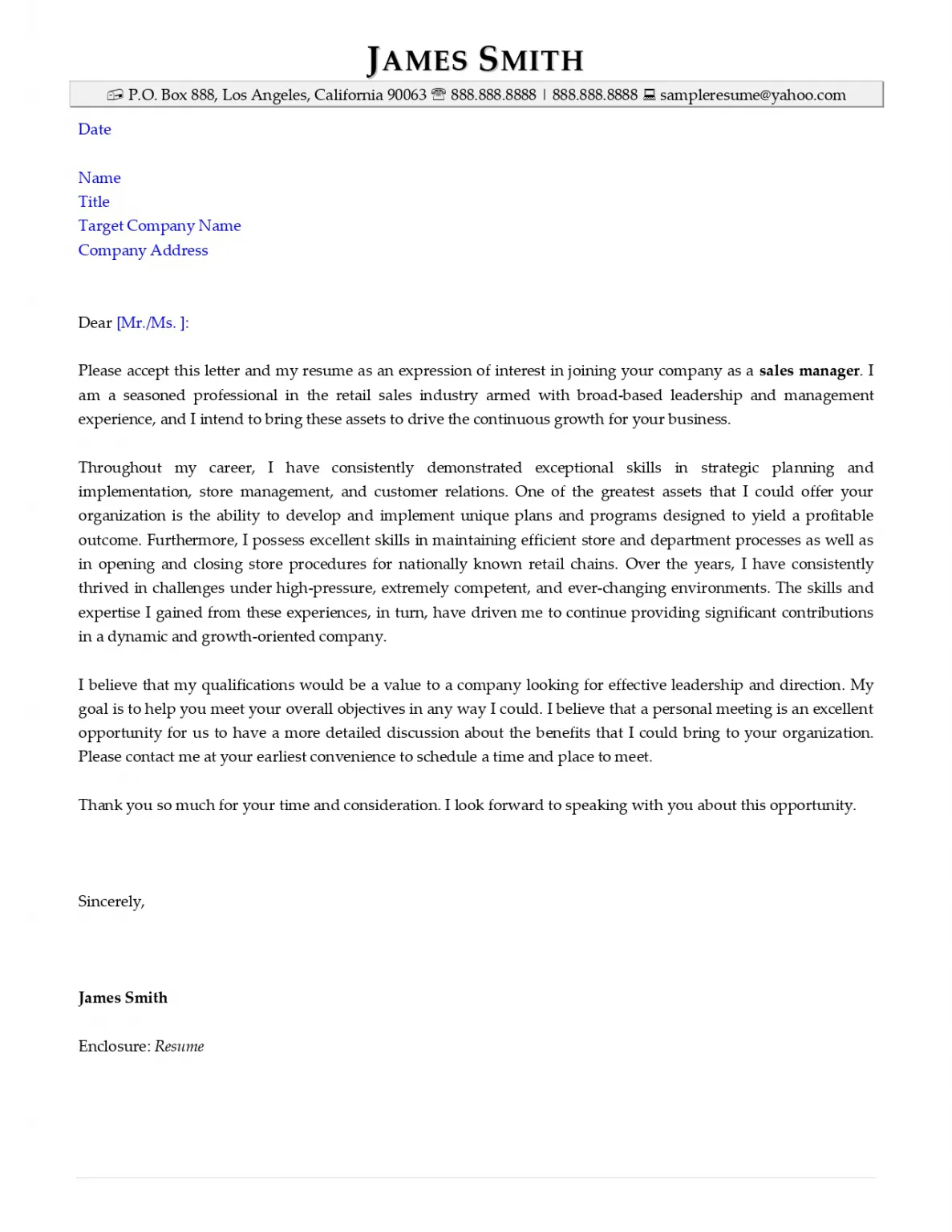
What is a Cover Letter [Essential?]
A cover letter is a crucial document that accompanies your resume when applying for a job. It serves as an introduction, allowing you to highlight your skills, experiences, and qualifications in a way that directly relates to the specific job you’re applying for. Unlike a resume, which provides a chronological overview of your work history, a cover letter allows you to tell a story, explaining why you are the ideal candidate and why you are interested in the position and the company. It provides context and personality, offering the hiring manager a glimpse into your communication style and enthusiasm.
Why Cover Letters Matter
In today’s competitive job market, a well-crafted cover letter can be the key to standing out from the crowd. It offers a chance to make a strong first impression and demonstrate your understanding of the role and the company’s needs. Hiring managers often use cover letters to assess a candidate’s communication skills, writing ability, and attention to detail. A compelling cover letter can significantly increase your chances of getting an interview, as it allows you to showcase your personality, passion, and unique qualifications in a way that a resume alone cannot.
Cover Letter Sections

A well-structured cover letter typically includes several key sections, each serving a specific purpose. These sections work together to create a cohesive and persuasive narrative that highlights your qualifications and expresses your interest in the opportunity. Proper organization ensures that your message is clear, concise, and easy to read, making it easier for the hiring manager to understand your value proposition and why you’re the right fit for the role. Each section should be carefully crafted to contribute to the overall impact of your letter.
Header Your Contact Information
Start your cover letter with a header that includes your contact information. This should include your full name, phone number, email address, and optionally, your LinkedIn profile URL. Ensure that this information is accurate and up-to-date. This makes it easy for the hiring manager to contact you. Place this header at the top of the document, usually aligned to the left or right, matching the format of your resume.
The Salutation
The salutation is your greeting. If possible, address the hiring manager by name. Research the company’s website or LinkedIn to find the name of the hiring manager or the person responsible for reviewing applications. If you cannot find a specific name, use a professional greeting like “Dear Hiring Manager.” Avoid generic salutations like “To Whom It May Concern” as they can make your letter seem impersonal. A personalized salutation immediately grabs the reader’s attention.
The Body of Your Cover Letter

The body of your cover letter is where you make your case. It should consist of several paragraphs that highlight your key qualifications, experience, and interest in the position. Each paragraph should focus on a specific aspect of your candidacy, linking your skills and experiences to the requirements of the job. This section is your opportunity to showcase your personality, demonstrate your understanding of the company, and explain why you are the best fit for the role. Keep the tone professional and enthusiastic.
First Paragraph Grab Attention
The first paragraph is your chance to grab the reader’s attention. Start with a strong opening statement that clearly states the position you are applying for and how you learned about it. You can mention a mutual connection, express your enthusiasm for the company, or briefly highlight a key achievement that aligns with the job requirements. This paragraph should make the reader want to learn more about you and encourage them to continue reading. Keep it concise and impactful.
Second Paragraph Showcase Skills
In the second paragraph, highlight your skills and experiences that are most relevant to the job description. Review the job posting carefully and identify the key qualifications the employer is seeking. Provide specific examples of how you have demonstrated these skills in the past. Quantify your achievements whenever possible, using numbers and data to illustrate your impact. This paragraph is your opportunity to show the hiring manager that you possess the necessary skills to excel in the role. Use action verbs to describe your accomplishments.
Third Paragraph Connect With the Company

The third paragraph should demonstrate your understanding of the company and why you are interested in working there. Research the company’s mission, values, and recent projects. Explain how your goals align with the company’s objectives and how you can contribute to their success. Show genuine enthusiasm for the company and the opportunity. This paragraph is your chance to show that you have done your homework and are genuinely interested in joining their team. Personalize this section to show your unique insights.
Closing Your Cover Letter
The closing of your cover letter should summarize your interest in the position and express your desire for an interview. Thank the hiring manager for their time and consideration. Reiterate your enthusiasm for the opportunity and mention that you are available for an interview at their earliest convenience. Keep the tone professional and leave the reader with a positive impression. The closing is the final opportunity to make a lasting impression.
The Formal Closing
Choose a professional closing such as “Sincerely,” “Best regards,” or “Thank you.” Avoid overly casual closings. Following your closing, leave a few lines of space and type your full name. If you are submitting a printed cover letter, leave space for your signature above your typed name. The formal closing and signature provide a polished and professional finish to your letter, reflecting your attention to detail and respect for the hiring process.
Proofread and Edit

Before submitting your cover letter, carefully proofread and edit it for any errors in grammar, spelling, and punctuation. Typos and grammatical errors can damage your credibility and make a negative impression. Use a spell checker, but also read the letter aloud to catch any awkward phrasing or unclear sentences. Ask a friend or mentor to review your cover letter for clarity and accuracy. A polished, error-free cover letter demonstrates your professionalism and attention to detail, increasing your chances of getting noticed.
Cover Letter Examples and Templates
Familiarize yourself with various cover letter examples and templates available online. These resources can provide inspiration and guidance on how to structure your letter and tailor it to different types of jobs and industries. Analyze how successful cover letters highlight skills, experiences, and company knowledge. Use these examples as a starting point, but always personalize your letter to reflect your unique qualifications and the specific requirements of the job. Avoid simply copying a template; instead, adapt it to create a compelling and authentic representation of yourself.
Cover Letter Examples for Different Industries
Cover letter styles and content can vary depending on the industry and the specific role. Research examples tailored to your field to gain insights into the expectations and best practices for your target industry. For instance, cover letters for creative roles might emphasize storytelling and design, while those for technical positions may focus on specific skills and projects. Tailoring your cover letter to industry standards demonstrates your awareness of professional norms and your ability to communicate effectively within your chosen field.
Key Takeaways [Cover Letter Success]

Writing a compelling cover letter is a crucial step in the job application process. Start by understanding the purpose of a cover letter and the impact it can have on your application. Always tailor your letter to the specific job and company you are targeting. Research the company, highlight your relevant skills and experiences, and showcase your personality and enthusiasm. Proofread carefully, and seek feedback to ensure your letter is polished and error-free. By following these guidelines, you can create a cover letter that grabs the reader’s attention, demonstrates your value, and increases your chances of landing an interview. A well-crafted cover letter is a powerful tool in your job search arsenal, so invest the time and effort to make it count.