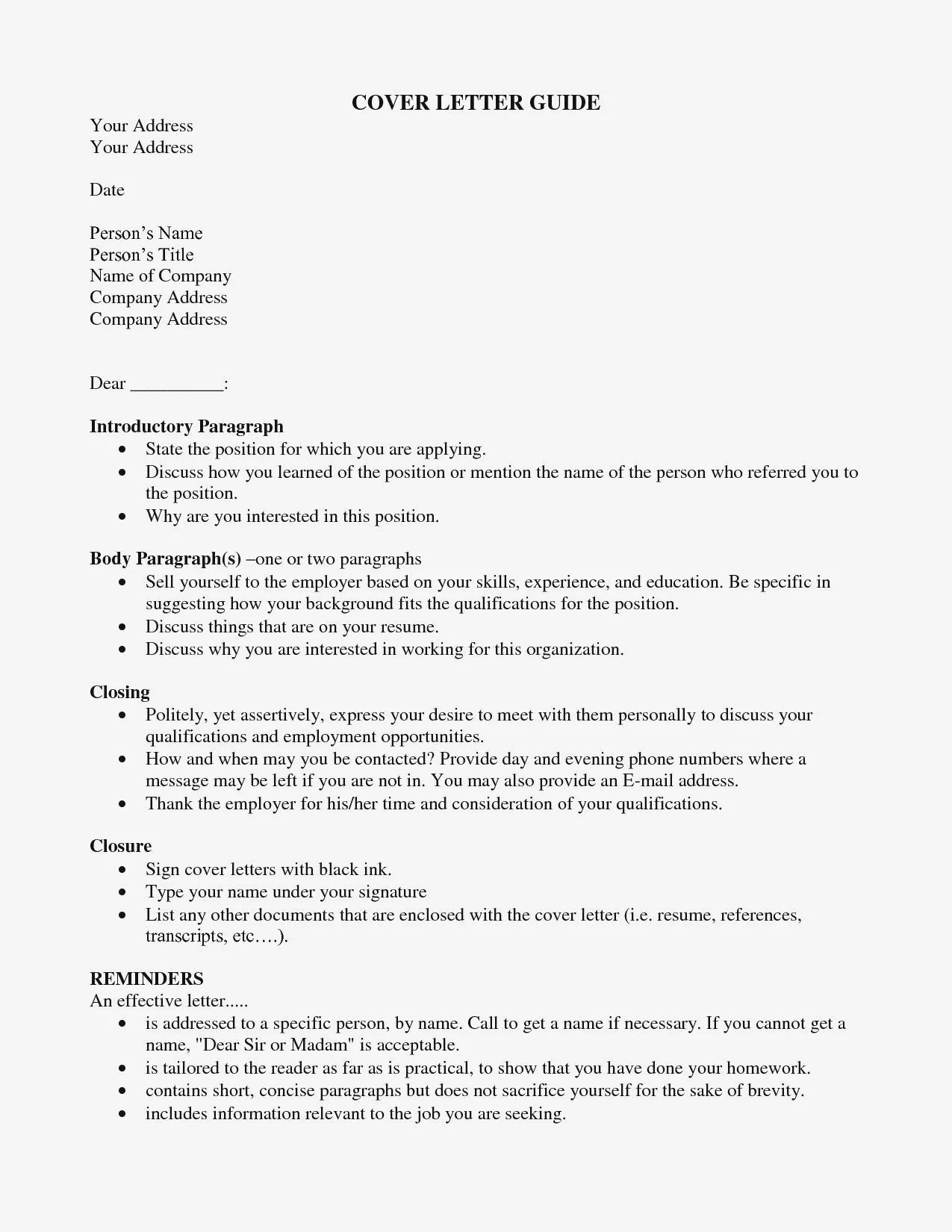
Understanding the Challenge of Addressing a Cover Letter
Writing a compelling cover letter is crucial for making a strong first impression on potential employers. One of the initial hurdles job seekers often face is determining who to address the letter to. In an ideal scenario, you would know the hiring manager’s name, allowing you to personalize your message and demonstrate that you’ve done your homework. However, it’s common to find yourself in a situation where the recipient is unknown. This presents a unique challenge, requiring you to adapt your approach to maintain professionalism and make a positive impact. Knowing how to navigate this can significantly increase your chances of your application being read and considered.
Why Addressing Matters in Cover Letters
Addressing your cover letter correctly is about more than just politeness; it’s about showing that you’re serious about the opportunity and have taken the time to understand the company. When you address the letter to a specific person, it signals to the hiring manager that you’ve done your research and are genuinely interested in the role. This personalization immediately sets you apart from generic applications. Furthermore, a well-addressed cover letter suggests attention to detail, a key characteristic employers look for in candidates. It demonstrates that you are proactive, resourceful, and willing to go the extra mile – qualities highly valued in the professional world. The simple act of addressing your cover letter thoughtfully can significantly enhance your application’s impact.
The Impact of a Well-Addressed Cover Letter

A cover letter that is appropriately addressed can make a substantial difference in how your application is perceived. It communicates respect and shows that you have taken the initiative to connect with the company on a personal level. This can lead to several positive outcomes. It increases the likelihood that your application will be read by the intended recipient, rather than being filtered out. It improves your chances of standing out from the crowd of applicants. It creates a positive first impression, setting a professional tone for your application. A well-addressed letter can also subtly indicate your ability to communicate effectively, a critical skill in most job roles. The initial impact can determine whether you move on to the next stage.
Strategies for Researching the Hiring Manager’s Name
When the recipient’s name is not readily available, the first step is to conduct some research. There are several avenues you can explore to uncover this crucial information. A thorough search can provide the insight needed to personalize your application. Begin with the job posting itself; sometimes, the name of the contact person is mentioned. Check the company’s website, looking for an ‘About Us’ or ‘Contact’ section. If the job posting is on a platform like LinkedIn, you can often find details about the hiring manager or relevant team members. Using these resources is a proactive step that shows your commitment to the application. In the absence of direct information, you can attempt to contact the company directly.
Using LinkedIn to Find the Right Contact
LinkedIn is an invaluable tool for identifying the hiring manager or the person responsible for reviewing applications. Start by searching for the company and then explore the ‘People’ section. Look for individuals with titles such as ‘Hiring Manager,’ ‘Recruiter,’ ‘HR Specialist,’ or the specific role you’re applying for. You might find the person directly responsible for the position. Once you’ve identified a potential contact, review their profile to confirm their relevance to the job opening. If possible, send a brief, professional message to introduce yourself and ask if they are the correct person to address your cover letter to. This adds a level of personalization to your application.
Company Website and “About Us” Pages

The company’s website can also be a useful resource. Many companies have an ‘About Us’ or ‘Our Team’ section that showcases key personnel. Look for sections dedicated to the department related to the job opening, such as the marketing team or the engineering department. You may be able to find the name of the department head or manager. Review the ‘Contact’ page for general inquiries; this may list the HR department or a specific contact for job applications. When the name is available, it will greatly increase the impact of your cover letter. If you cannot identify a specific person, look for general email addresses.
Calling the Company Directly to Inquire
If other methods fail, don’t hesitate to call the company’s main line. Politely ask to be connected to the HR department or the specific department related to the job. Once connected, explain that you are applying for a role and would like to confirm the appropriate person to address your cover letter. Keep the conversation brief and professional. This shows your initiative and willingness to go the extra mile. When you make the call, have your resume and the job description handy so you can reference the specific position. This is an active strategy to gain an advantage in your application.
Appropriate Cover Letter Salutations When the Recipient is Unknown
When you cannot ascertain the hiring manager’s name, you have several alternative salutations to use. The goal is to remain professional and respectful. These alternatives help you avoid the generic and impersonal nature of ‘To Whom It May Concern.’ The choice of salutation sets the tone for the rest of the cover letter, so choose carefully. Consider the company culture and the job description when making your decision. The right salutation will help you begin your letter on the right foot.
Addressing the Cover Letter to a Title or Department

A professional alternative is to address the cover letter to a specific job title or department. For instance, use “Dear Hiring Manager,” “Dear Recruiting Team,” or “Dear [Department Name] Team.” This approach shows that you are targeting the appropriate individuals within the organization. It’s a more personal alternative to the generic options. This method is especially suitable if the job posting indicates a contact within a department. Before using this option, verify the department’s name through the company website or job posting. It’s a good approach when you cannot find an individual name.
Using “Dear Hiring Manager” or Similar Alternatives
When you’re unable to find a specific contact or department, “Dear Hiring Manager” is a widely accepted and professional alternative. It acknowledges the role of the person who will be reading your application. This salutation is direct and respectful. It shows you know the purpose of the letter and the intended audience. While not personalized, it’s preferable to ‘To Whom It May Concern’ because it’s targeted. Consider using similar options like “Dear Recruitment Team,” which works well for larger organizations. Your choice should always reflect respect and a degree of personalization.
What to Avoid When Addressing an Unknown Recipient
Several practices should be avoided when you’re unsure of the recipient’s name. These errors can detract from your application’s professionalism. It’s important to avoid these issues to make a good first impression. Failing to avoid these issues could harm your candidacy.
Common Mistakes to Prevent

Avoid overly generic or impersonal greetings such as ‘To Whom It May Concern,’ which comes across as lazy and demonstrates a lack of effort. This is not an ideal approach to take for your cover letter. Refrain from using casual salutations like “Hey” or “Hello” and always maintain a formal tone. Do not guess the hiring manager’s name. Using the wrong name can be a serious error, conveying that you didn’t take the time to research your contact. If you cannot identify the contact, resort to professional alternatives. Also, do not leave the greeting blank; it leaves a negative impression and indicates carelessness. These simple errors can undermine the hard work you’ve put into your application.
Formatting and Tone in Your Cover Letter
The formatting and tone of your cover letter play a significant role in conveying your professionalism and attention to detail. Whether you know the recipient’s name or not, adhering to proper formatting and maintaining a professional tone are essential. These aspects enhance the readability and impact of your letter. Use a clear, easy-to-read font, such as Times New Roman or Arial, with a font size of 11 or 12 points. Ensure that your letter has consistent margins and line spacing. Maintain a formal and respectful tone throughout, using a professional vocabulary and avoiding slang or jargon. Proofread your cover letter carefully for any grammatical errors or typos, which will reflect negatively on your attention to detail. The formatting and tone set the stage for the rest of your application.
Additional Tips for a Strong Cover Letter
To further improve your cover letter’s impact, incorporate these additional tips. Focus on highlighting your key skills and accomplishments. Tailor your letter to the specific job and the company’s needs. Explain why you are the best fit for the role, emphasizing how your experience aligns with the requirements. Show enthusiasm and express your genuine interest in the opportunity. Demonstrate your knowledge of the company by mentioning specific projects or values that resonate with you. Be concise and make sure your letter is easy to read. Provide a call to action, inviting the hiring manager to contact you for an interview. By implementing these steps, you will enhance your cover letter and improve your chances of success. A well-crafted cover letter is a critical component of a successful job application.