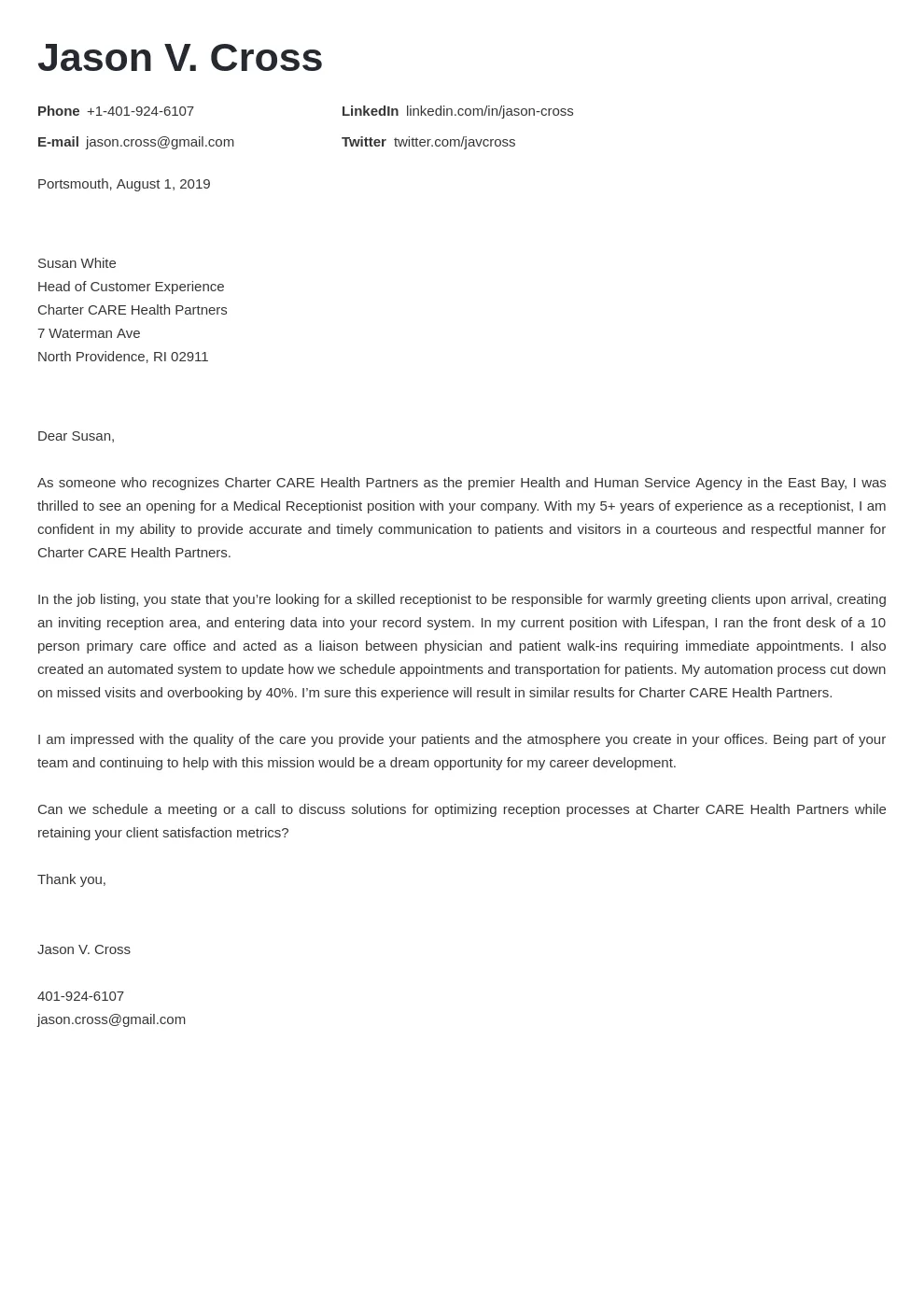
Understanding the Importance of Addressing a Cover Letter Correctly
Your cover letter is your first real opportunity to make a strong impression on a potential employer. It’s more than just a formality; it’s a critical component of your job application package. The way you address this letter can significantly influence how the hiring manager perceives you, shaping their initial thoughts about your qualifications, professionalism, and attention to detail. Failing to address your cover letter correctly can be a missed opportunity, signaling a lack of effort or, worse, a lack of respect for the company and the hiring process. In a competitive job market, every detail matters, and proper addressing is a small but significant step toward landing an interview. Getting this right sets a positive tone, while getting it wrong could see your application end up in the ’no’ pile. A well-crafted cover letter demonstrates that you pay attention to detail and take the time to do things right.
Why Addressing Matters
Addressing your cover letter correctly shows that you’ve taken the time to research the company and understand who will be reading your application. It demonstrates a level of personal investment that goes beyond a generic, mass-produced application. This personalized approach immediately separates you from candidates who haven’t put in the effort. Furthermore, addressing the cover letter to a specific person helps to establish a connection. It suggests that you’re not just sending out applications blindly; you’re targeting a specific role and organization. This personalization, in turn, increases the likelihood that the hiring manager will read your letter with genuine interest. It is an investment in showing you are a dedicated candidate.
Impact on First Impression

Your cover letter creates a critical first impression. A well-addressed cover letter instantly signals professionalism and attention to detail. It shows that you’re serious about the job and have taken the initiative to find out who the hiring manager is. In contrast, an incorrectly addressed letter, or one addressed generically, can create a negative impression. It suggests that you haven’t put in the necessary effort, which may cause the hiring manager to question your enthusiasm and commitment to the role. The small things, like addressing a cover letter properly, can make a significant impact on whether your application is considered. It is an initial indicator of your skills and value.
How to Find the Hiring Manager’s Name
Finding the hiring manager’s name is a crucial step in personalizing your cover letter. It shows initiative and respect. Several resources can help you locate the correct contact person. Utilizing these methods will set your application apart from those using generic greetings, and it is often worth the extra effort. Taking this additional step demonstrates that you’ve done your homework and are genuinely interested in the role and the company. This will increase the chance of your application being noticed, which in turn is a major factor in securing an interview. Using the proper salutation shows your intent.
Checking the Job Posting
The job posting itself is the first place to look for the hiring manager’s name. Sometimes, the posting will explicitly state who to send the application to or provide a contact person. This is the easiest and most direct way to find the information. If the posting lists a recruiter, HR contact, or a specific department head, use that information. Always double-check to ensure you’re using the most up-to-date contact information, but this initial step is often the fastest way to personalize your cover letter. You show attention to detail by using the information available to you.
Using LinkedIn to Find the Recruiter

LinkedIn is an invaluable tool for identifying the hiring manager or recruiter. Search for the company and then look at the people who work there. You can often identify the recruiter or hiring manager by their job title and the fact that they work in human resources or talent acquisition. You can usually tell who posted the job, and often they will be the right person to address your cover letter to. It is crucial to confirm the name matches the job, since roles often change. If you find the person, you can also view their profile and get more information on their background or interests. Ensure the name and title align with the job. This level of personalization will set your application apart from others. Using LinkedIn is a demonstration of your skills.
When to Use ‘To Whom It May Concern’
While addressing your cover letter to a specific person is always preferable, there are times when this isn’t possible. In these cases, it is better to use a professional and appropriate greeting. However, you can also use other alternatives. If you cannot find the hiring manager’s name despite your best efforts, you might be tempted to use “To Whom It May Concern.” However, this phrase is somewhat outdated and can feel impersonal. Therefore, you should exhaust all other avenues for obtaining the hiring manager’s name first. Here’s what to consider when you have no other option. It’s a necessity when you cannot determine whom to address.
When it’s the Only Option
If you’ve tried all the methods mentioned above—checking the job posting, searching the company website, and using LinkedIn—and still can’t find a name, then ‘To Whom It May Concern’ might be your only option. It’s better to use this than to guess at a name or leave the salutation blank. Always make sure you have made every effort to find a name before resorting to this greeting. Even in this case, try to tailor the rest of your cover letter to be as specific and personalized as possible to compensate for the generic salutation. Make the rest of your letter stand out, which will then assist in differentiating you from other candidates. It shows that you are doing your best in a less-than-ideal situation.
Alternatives to ‘To Whom It May Concern’

There are alternatives that can make your cover letter feel more personal. Instead of “To Whom It May Concern,” you could try “Dear Hiring Manager,” “Dear [Company Name] Team,” or a similar greeting that shows you’re addressing the letter to the company as a whole. These alternatives are more modern and can make your cover letter feel less generic. Researching the company’s values and culture can help you choose a greeting that aligns with their style. Tailoring your approach can show initiative and help with standing out in the hiring manager’s mind. Demonstrating your knowledge of the company is an advantage. Use of alternative wording is an effective tool.
Formatting the Address Correctly
Formatting your cover letter address correctly is as crucial as finding the correct name and title. The layout, presentation, and the way you start and end your letter all play a significant role. It is important to make sure your formatting is clean and professional. Ensure your cover letter aligns with the job posting. This section will help you master the finer details to make your application as polished as possible. Properly formatted cover letters add to the professionalism of your application.
Salutation and Name
Always start your cover letter with a formal salutation. Use “Dear” followed by the hiring manager’s name. Make sure to spell their name correctly. If you are unsure of the pronunciation, it’s best to check with the company. For example, “Dear Mr. Smith” or “Dear Ms. Jones.” If you are not sure of the gender, use their full name, such as “Dear Alex Johnson.” This approach demonstrates respect and attention to detail. The use of a name is the single most important step in personalizing your cover letter. This is a key element in showing you took the time to get the information correct.
Use of Titles

When using a name, always include the correct title. Use “Mr.,” “Ms.,” “Mrs.,” or “Dr.” before the person’s last name, as appropriate. If you are unsure of someone’s title or preferred form of address, it’s always best to err on the side of formality. However, when in doubt, the safest route is to use “Ms.” for women unless you know their preference. This small detail shows that you pay attention to etiquette and respect. Also, double-check the spelling of the name and title. A typo here is a significant error. This shows that you are committed to accuracy and attention to detail. Always proofread your cover letter carefully. Use of titles shows respect and attention to detail.
Closing the Cover Letter
The closing of your cover letter is the final point of contact. You want it to leave a lasting, positive impression, reflecting your professionalism and interest in the position. A well-crafted closing should reiterate your enthusiasm and invite further contact. Make sure it is consistent with the tone you established in your cover letter’s body, and always use a professional sign-off. The closing is your last chance to impress.
Professional Sign-offs
Use a professional sign-off to end your cover letter. Common examples include “Sincerely,” “Best regards,” or “Yours sincerely.” These closings are appropriate for any business correspondence. However, avoid overly casual closings like “Thanks” or “Cheers.” After your sign-off, leave space for your signature, and then type your full name. If you’re sending an electronic version, your typed name will suffice. The closing is the final touch; take your time and ensure you present a professional image. The sign-off creates your final impression, so use the proper one.
Proofreading and Final Checks

Before submitting your cover letter, always proofread it carefully. Check for any grammatical errors, spelling mistakes, or formatting inconsistencies. Ensure your address and salutation are correct. It is helpful to have someone else review your cover letter for a fresh perspective. This will catch any errors that you might have missed. Paying close attention to detail will demonstrate your professionalism and commitment to the role. Proofreading is the final chance to make a good impression. Your attention to the finer details can separate you from other applicants. Having another pair of eyes review the letter is important.