What is a Cover Letter (and Why Does it Matter?)
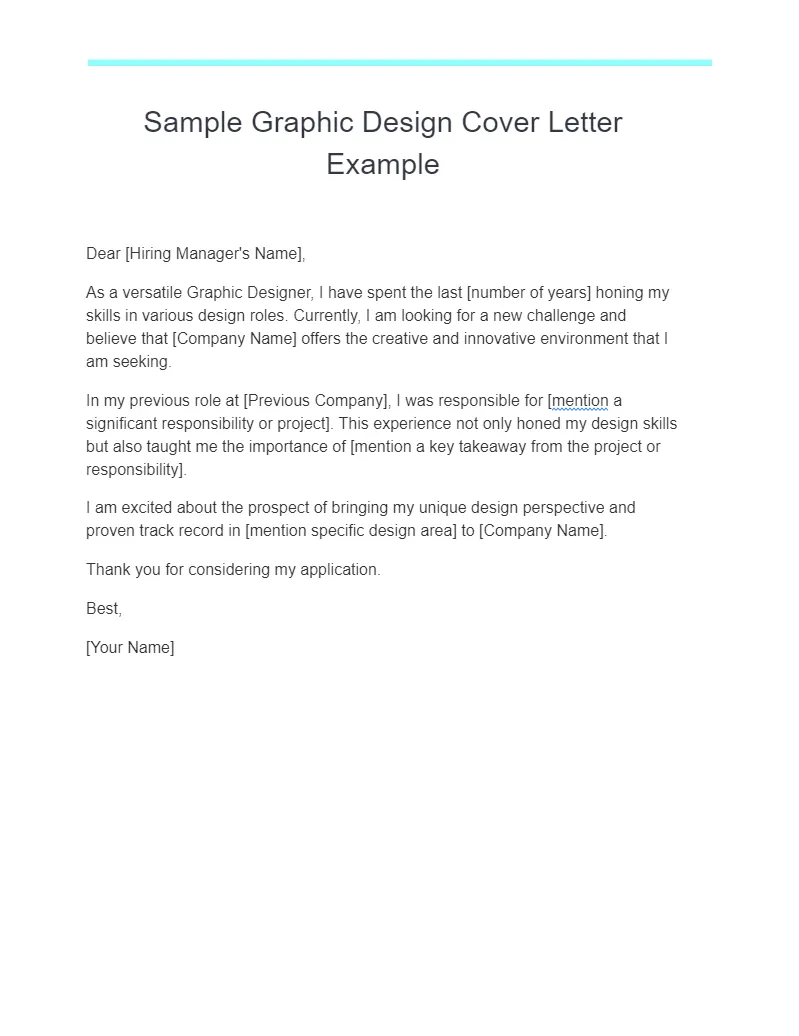
A cover letter is a crucial component of your job application package, acting as your initial introduction to a potential employer. It’s a concise, one-page document that accompanies your resume, providing context, personality, and showcasing why you’re the ideal candidate for the graphic design position. Unlike a resume, which lists your experiences, a cover letter allows you to tell a story, demonstrating your passion for design, highlighting specific skills, and explaining how your qualifications align with the company’s needs and the job description’s requirements. A well-crafted cover letter can significantly increase your chances of landing an interview by capturing the hiring manager’s attention and making a positive first impression.
Key Elements of a Graphic Design Cover Letter
A compelling graphic design cover letter must include specific elements to effectively convey your qualifications and enthusiasm. Each part plays a unique role in making a memorable impact on the hiring manager, encouraging them to delve deeper into your application and, ultimately, invite you for an interview. Ensure your letter is well-structured and easy to read. This not only showcases your design abilities but also reflects your attention to detail and professional communication skills. Properly formatting your cover letter is just as important as the content itself, which further emphasizes your organizational skills.
Your Contact Information

Start with your contact details, including your full name, phone number, email address, and professional online presence (LinkedIn profile or a personal website/portfolio link). Place this information at the top of your cover letter. This information is crucial to easily contact you.
The Recipient’s Details
Address your cover letter to the hiring manager or the specific contact person mentioned in the job posting. If the name isn’t provided, research the company to find the appropriate person to direct your application to. Avoid generic salutations like “To Whom It May Concern”. Use the appropriate format to address them properly.
A Compelling Opening Paragraph
Begin with a captivating opening paragraph. State the position you’re applying for and briefly explain why you’re excited about the opportunity. Mention how you discovered the role and your initial interest in the company. Demonstrate your knowledge of the company and its mission, showing your research and genuine interest.
Highlighting Your Skills and Experience

In the body of your cover letter, highlight your relevant skills and experiences. Carefully review the job description and identify the key requirements. Then, choose the skills and experiences that best match the job requirements. Provide specific examples of projects you’ve worked on, highlighting your role, the challenges you faced, and the results you achieved. Use action verbs to describe your accomplishments and quantify your achievements whenever possible. This provides a clear and concise picture of your abilities.
Showcasing Your Design Portfolio
Graphic design is a visual field; therefore, showcasing your portfolio is essential. Clearly state how the hiring manager can access your portfolio. Provide a direct link to your online portfolio or mention any specific pieces you want them to review. Briefly describe some of your most impressive projects and highlight the skills you used in each one. If you are able, tailor the portfolio to the job requirements.
Quantifying Your Achievements
Whenever possible, quantify your achievements to demonstrate the impact of your work. Instead of saying “improved website design”, state “increased website conversion rates by 15% through improved UI/UX design”. Provide numerical data whenever possible to make your accomplishments more convincing and to demonstrate your impact on the previous role, illustrating how your skills translate into tangible results for the company.
Expressing Your Enthusiasm for the Role

Conclude your cover letter by expressing your enthusiasm for the role and the company. Reiterate your interest in the position and emphasize how your skills and experience align with the company’s goals. Mention what excites you most about the opportunity and how you can contribute to the team. Express your eagerness to learn more and discuss your qualifications in an interview.
Closing Your Cover Letter
End your cover letter professionally with a concise closing statement and a call to action. Thank the hiring manager for their time and consideration. Reiterate your interest in the position and express your eagerness to discuss your qualifications further. Use a professional closing such as “Sincerely” or “Best regards” followed by your full name.
Proofreading and Formatting Your Cover Letter
Before submitting your cover letter, carefully proofread it for any grammatical errors, spelling mistakes, or typos. Ensure the language is clear, concise, and professional. Pay attention to the formatting, including font style, font size, margins, and spacing. Use a clean and easy-to-read font. Keep the cover letter to one page. Consider using a standard format.
Common Mistakes to Avoid in a Graphic Design Cover Letter
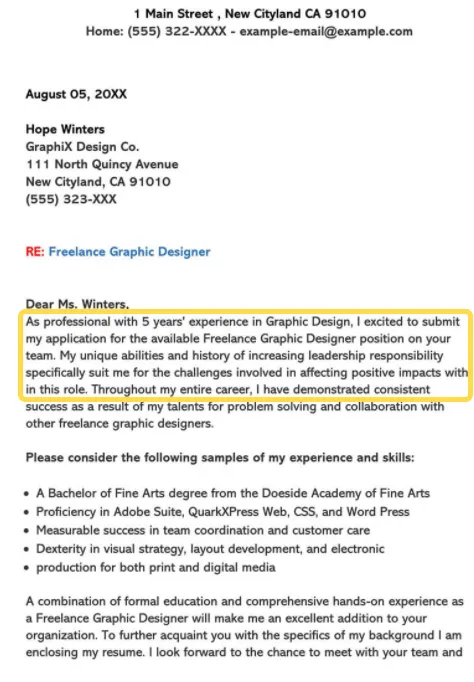
Avoid common mistakes to ensure your cover letter is effective. Avoid using generic templates that do not align with the job and company. Avoid simply restating your resume. Avoid sending generic cover letters. Avoid including excessive jargon or technical terms that the hiring manager might not understand. Avoid negative language or discussing past failures or conflicts. Make sure you are not using any unprofessional email addresses.
Tailoring Your Cover Letter to Specific Job Applications
Customize your cover letter for each job application. Research the company and the specific role. Customize your cover letter to match the specific requirements. Highlight the most relevant skills and experiences and tailor the letter’s content to address the job description’s specifics. By demonstrating a genuine interest in the company and role, you’ll increase your chances of capturing the hiring manager’s attention. This personalization shows your understanding of their needs and demonstrates your commitment to the opportunity. Taking this extra step sets you apart from generic applicants and significantly improves your prospects.