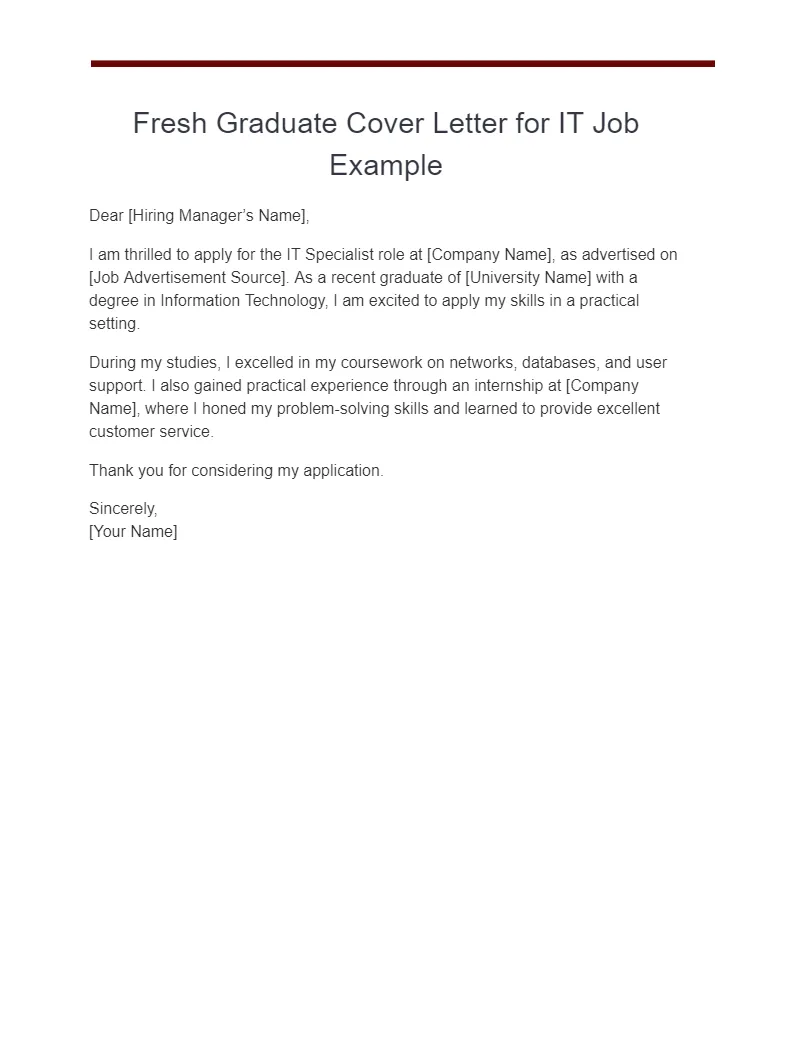
Understanding the Graduate Program Cover Letter
A graduate program cover letter is a crucial document that accompanies your application, serving as your introduction to the admissions committee. It’s your opportunity to showcase your personality, aspirations, and qualifications beyond what’s stated in your resume. This guide provides a comprehensive overview of how to craft a compelling cover letter that will significantly increase your chances of acceptance into your desired graduate program. The goal is to present you as a strong candidate, demonstrating why you are a good fit for the program and highlighting your potential for success.
What is a Graduate Program Cover Letter
The cover letter is a tailored document. It should be unique for each program you are applying to, as it should be tailored to the specific requirements and values of the institution. Unlike a resume, which provides a summary of your experiences and skills, the cover letter allows you to narrate your story and explain why you’re interested in this particular program and how your background aligns with its objectives. It should complement your resume by providing context and showcasing your writing abilities, enthusiasm, and suitability for the program.
Why is a Cover Letter Important

A well-written cover letter is your first impression, potentially setting the tone for how the admissions committee perceives your application. It’s a chance to go beyond the facts and figures, to illustrate your passion for the field and your specific interest in the university. It provides a space to explain any gaps in your application, address potential weaknesses, or highlight unique experiences. A strong cover letter can significantly boost your chances of acceptance and shows that you have taken the time to understand the program and explain why you’re a good fit. A compelling letter will differentiate you from other applicants.
Key Components of a Compelling Cover Letter
A successful cover letter typically follows a structured format, comprising several key sections. Each section serves a specific purpose in conveying your message effectively. Proper formatting and organization are essential for readability and to make a positive impression on the admissions committee. From the header to the closing, each component contributes to the overall impact of your application, so it is essential to pay attention to every detail.
Contact Information and Date
Begin with your contact information and the date. This establishes basic details for the reader. It helps admissions officers identify and potentially contact you. Include your full name, address, phone number, and email address. Ensure this information is accurate and professional-looking. The date should be current and match the day you are sending the letter.
Applicant’s Contact Information

In the top left or right corner of your cover letter, include your full name, address, phone number, and professional email address. Using a professional email address, such as your full name or initials, will help create a positive first impression. Verify the accuracy of your contact details to ensure that the admissions committee can reach you easily.
University’s Admission Office Information
Directly below your information, include the name of the admissions officer or department, the university’s name, and their mailing address. If possible, address the letter to a specific individual, such as the program director. This personalized touch demonstrates you’ve done your research and shows your genuine interest in the program, demonstrating that you are detail-oriented and thoughtful. Check the university’s website or application instructions for specific guidelines.
Professional Salutation
Start your cover letter with a professional salutation. If you know the name of the admissions committee member, use ‘Dear Dr./Mr./Ms. [Last Name]’. If not, use a more general greeting like ‘Dear Admissions Committee’ or ‘To Whom It May Concern’. Ensure the salutation is respectful and appropriate for the academic setting, setting a professional and respectful tone for the remainder of your letter.
Body Paragraph 1: Expressing Your Interest

The first paragraph should clearly state your purpose and express your genuine interest in the program. Mention the specific program you are applying for and briefly explain why you are interested in studying there. Demonstrate your understanding of the program’s goals and how they align with your academic and career aspirations. Consider mentioning a specific faculty member whose work resonates with you or a particular aspect of the program that excites you, showing your enthusiasm and interest.
Body Paragraph 2: Highlighting Qualifications
The second paragraph should detail your qualifications for the program, connecting your past experiences and skills to the requirements of the program. Highlight key achievements, skills, and experiences that demonstrate your readiness for graduate-level study. This is where you show the admissions committee that you’re a strong candidate by providing compelling evidence of your capabilities and potential.
Academic Achievements
Emphasize your academic performance, including relevant coursework, GPA, and any honors or awards you’ve received. Mention specific projects, research papers, or theses you have completed. If you have a lower GPA, address it here and provide context if there were extenuating circumstances. Highlight your academic strengths to show your aptitude for graduate-level work, and make the information easily accessible and understandable to the reader.
Relevant Skills

Identify the skills you have that are relevant to the program. This includes research skills, analytical abilities, writing proficiency, and any technical skills. Provide specific examples of how you have used these skills in the past. This section highlights your abilities, making you a more attractive candidate and demonstrating your potential for success in the program.
Professional Experience
Describe any relevant professional experience, including internships, jobs, or volunteer work. Explain how your experience has prepared you for graduate study and how it aligns with the program’s focus. This shows your ability to apply your knowledge in real-world settings and your potential to excel in your field. Ensure the experience details are well-organized and easy to understand.
Body Paragraph 3: Demonstrating Fit
The third paragraph should demonstrate your fit with the program and the university. Explain why you have chosen this specific program and how it aligns with your career goals. Show your understanding of the program’s offerings, faculty, and research opportunities. This is your chance to convince the admissions committee that you and the program are a good match, and that your goals align with the program’s values.
Research Interests and Goals

Discuss your specific research interests and how they align with the faculty’s work or the program’s focus. Mention any professors whose research aligns with your interests. Describe your long-term career goals and how this program will help you achieve them. This demonstrates that you have clear goals and a well-defined vision for your future.
Reasons for Choosing the Program
Explain why you have chosen this particular program. Mention specific aspects of the program that attract you, such as the curriculum, research facilities, or the faculty. Show that you’ve researched the program and understand what it offers. This highlights your enthusiasm for the program and shows that you have a genuine interest in attending.
Concluding the Letter
The conclusion should summarize your interest in the program and reiterate your enthusiasm. It should thank the admissions committee for their time and consideration. Be concise and leave a strong final impression that emphasizes your suitability and desire to join the program. A clear conclusion reinforces your main points and leaves a positive and memorable impression.
Formal Closing

Use a formal closing such as ‘Sincerely’, ‘Respectfully’, or ‘Best regards’. Ensure the closing is professional and appropriate for the context. The closing sets a professional tone, marking the end of the letter, and preparing the reader for your signature.
Signature (Typed)
Leave space for your signature, then type your full name below the closing. If submitting a digital copy, you can insert a scanned image of your signature or type it out. Ensure the signature is legible and professional. The signature adds a personal touch while maintaining a sense of professionalism and authenticity.
Proofreading and Editing
Proofreading and editing are crucial to ensure your cover letter is free of errors. Review your cover letter for grammar, spelling, punctuation, and formatting errors. A polished document demonstrates your attention to detail and professionalism. Proofread multiple times, and consider asking a friend, family member, or career counselor to review your letter.
Formatting Tips for a Professional Look
The formatting of your cover letter is essential for readability and visual appeal. A well-formatted letter is easy to read and makes a positive impression. Use clear formatting that is consistent throughout the document, making it easy to read. Pay attention to all the details.
Font and Size
Use a professional and readable font such as Times New Roman, Arial, or Calibri. Keep the font size between 10 and 12 points. Ensure that the font is easily readable and complements the overall professional look. Using a standard font and size will help the admissions committee to read the document with ease.
Margins and Spacing
Set margins to 1 inch on all sides. Use single spacing for the body of your letter and double spacing between paragraphs. Maintain consistent spacing throughout the document. This will make the letter easy to read and visually appealing. Correct margins and spacing improve the readability of your cover letter and contribute to a polished and professional appearance.
Avoiding Common Mistakes
Avoid common mistakes that could detract from your application. Attention to detail and a well-crafted letter can make a huge difference. Common mistakes can undermine an otherwise strong application, so careful review is important.
Typos and Grammatical Errors
Typos and grammatical errors can damage your credibility and make you appear unprofessional. Proofread your letter meticulously to ensure it is free of errors. Proofreading multiple times, and using spell-check and grammar-check tools can help. Having someone else review your letter can also help you to catch mistakes you may have missed.
Generic Content
Avoid using generic content that could apply to any program. Tailor your cover letter to the specific program you are applying for. Mention specific aspects of the program that appeal to you. Demonstrating that you understand the program’s objectives and that you’ve done your research can make the difference.
Excessive Length
Keep your cover letter concise, ideally no more than one page. Admissions committees are busy and will appreciate a clear and concise letter that gets to the point quickly. Focus on the most relevant information and avoid unnecessary details.
Cover Letter Examples and Templates
Utilize cover letter examples and templates as a starting point. These can provide you with a structure and guidance. Tailor the examples and templates to fit your personal experiences and the requirements of the specific program. Remember that using an example is fine, but you must personalize it to showcase your individuality and make sure it reflects your unique qualities and aspirations.