What is a Cover Letter and Why is it Important
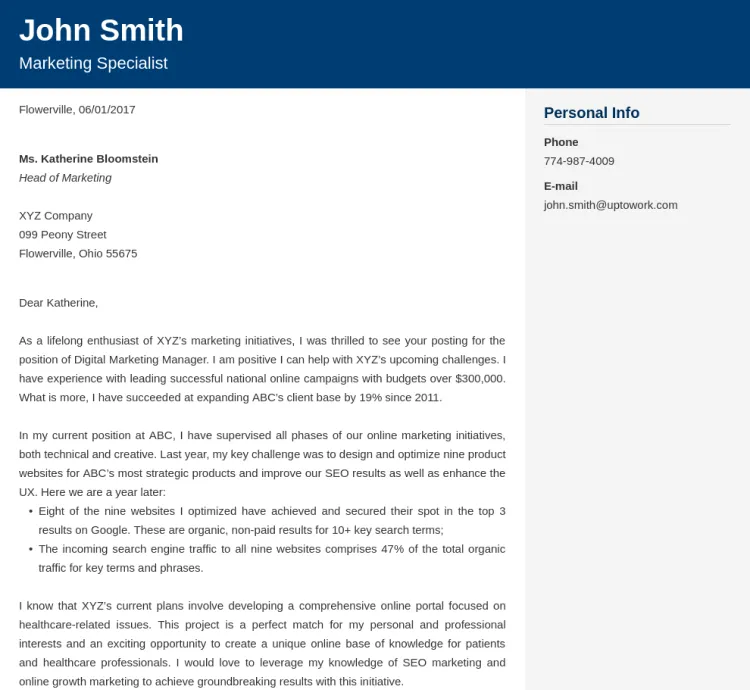
A cover letter is a crucial document that accompanies your resume when applying for a job. It serves as a personalized introduction, allowing you to highlight your skills, experience, and enthusiasm for the specific role and company. Unlike a resume, which provides a factual overview of your professional history, a cover letter gives you the opportunity to tell your story, explain why you’re a great fit, and demonstrate your personality. Its importance lies in the fact that it’s often the first impression you make on a potential employer. A well-crafted cover letter can significantly increase your chances of getting an interview, while a poorly written one can lead to your application being overlooked, even if your resume is strong. Therefore, creating a compelling cover letter is an essential step in any job search.
The Essential Components of a Cover Letter
A successful cover letter is composed of several key elements working together to present a cohesive and compelling case for your candidacy. These components include a professional header with your contact information, a personalized greeting addressing the hiring manager or relevant contact, a captivating opening paragraph, well-developed body paragraphs that highlight your relevant skills and experience and a concise closing paragraph including a call to action. Each component plays a vital role in creating a document that is both informative and persuasive. Moreover, attention to formatting and design is crucial for readability. Including a clear structure that makes it easy for the reader to find the information they need contributes greatly to your cover letter’s effectiveness, ensuring that it reflects your professionalism and attention to detail. A cover letter is not merely a formality it’s your opportunity to make a strong, positive impression.
Contact Information Section

The contact information section of your cover letter should be placed at the top, typically on the left side. It should include your full name, phone number, email address, and LinkedIn profile URL (optional). Ensure that the contact information is accurate and up-to-date. This section enables the employer to easily reach you if they are interested in your application. It’s also a standard professional practice, demonstrating that you are organized and take your job search seriously. Make sure to use a professional email address, avoiding anything casual or informal. This section is a crucial first impression, so take the time to ensure it’s perfect.
Greeting the Hiring Manager
A personalized greeting can set your cover letter apart. Whenever possible, address the hiring manager or the specific person in charge of hiring for the role by name. Research the company and the job posting to find the appropriate name. This personal touch demonstrates that you’ve taken the time to research the opportunity and are genuinely interested. If you can’t find a specific name, use a professional salutation like ‘Dear Hiring Manager’ or ‘Dear [Department Name] Team’. Avoid generic greetings such as ‘To Whom It May Concern’ as they can come across as impersonal. Always double-check the spelling of the name to show your attention to detail. A well-crafted greeting immediately shows your professionalism and engagement.
The Opening Paragraph Grab Their Attention
The opening paragraph is where you make your first impression. It should be concise and engaging. Begin by stating the position you’re applying for and where you found the job posting. Then, quickly highlight your most relevant skills and experience, connecting them directly to the job requirements. Show enthusiasm for the position and the company. Consider including a brief statement that demonstrates your understanding of the company’s values or goals. The goal is to capture the reader’s interest immediately and make them want to continue reading. Keep it short and impactful, aiming to convey why you’re an ideal candidate and what you bring to the table. Avoid generic openings; personalize it and make it memorable.
Highlighting Your Skills and Experience

The body paragraphs are where you demonstrate how your skills and experience align with the job’s requirements. Focus on the most relevant aspects of your background, selecting skills and accomplishments that directly match the job description. Use specific examples to illustrate your abilities and achievements, providing evidence of your capabilities. Use action verbs to describe your past responsibilities and accomplishments. Focus on what you have achieved rather than just listing your job duties. Show how your skills have benefited previous employers or projects, emphasizing measurable results whenever possible. This approach makes your qualifications concrete and shows your potential value to the hiring company.
Quantify Your Achievements for Impact
Quantifying your achievements makes your cover letter more compelling. Instead of saying ‘Improved customer service,’ state ‘Improved customer service scores by 20%.’ Use numbers, percentages, and specific data to demonstrate the impact of your work. Quantifiable results provide concrete evidence of your skills and abilities, making your accomplishments more convincing and memorable. Whenever possible, show how your contributions led to positive outcomes, such as increased sales, reduced costs, or improved efficiency. This approach helps employers quickly understand the value you can bring to their organization. When using a free cover letter maker, make sure it has the option to include these details and highlight them effectively.
Tailoring Your Letter to the Job Description
A tailored cover letter is essential for showing the employer that you understand the job and the company. Carefully read the job description and identify the key skills and qualifications the employer is seeking. Then, customize your cover letter to highlight the aspects of your experience and skills that are most relevant to the role. Avoid using a generic cover letter for multiple applications; instead, tailor each one to the specific job. This shows you’ve invested time and effort in your application. Be sure to use keywords from the job description naturally throughout your cover letter. This can help your application pass through applicant tracking systems and get noticed by the hiring manager.
Demonstrating Your Enthusiasm for the Role

Show your genuine interest in the position and the company. Express your enthusiasm by describing why you’re excited about the opportunity and what attracts you to the company’s mission, values, or culture. Explain what you hope to achieve if you are given the role. Research the company and mention specific projects, initiatives, or products that resonate with you. Connect your personal and professional goals with those of the company. Enthusiasm is contagious, and expressing it in your cover letter can make you a more appealing candidate. A cover letter that shows passion and interest is much more likely to get noticed than one that sounds generic or disinterested.
The Closing Paragraph How to Finish Strong
The closing paragraph should wrap up your cover letter effectively and leave a lasting positive impression. Restate your interest in the position and reiterate why you are a good fit. Keep it brief and focused, reinforcing the main points of your letter. Use a confident and professional tone. Express your gratitude for the reader’s time and consideration. Avoid repeating information already mentioned; instead, use this section to summarize your key qualifications and express your enthusiasm for the opportunity. A well-crafted closing will reinforce your candidacy and make it more likely that the hiring manager will remember you and want to learn more.
Expressing Gratitude and a Call to Action
Always end your cover letter by expressing gratitude for the hiring manager’s time and consideration. Thank them for reviewing your application and for taking the time to consider you for the role. In addition to expressing thanks, include a clear call to action. This could be stating that you are eager to discuss your qualifications further in an interview or that you are available at their earliest convenience. The call to action gives the hiring manager the next step to take, making it easier for them to move forward with your application. End with a professional closing, such as ‘Sincerely’ or ‘Best regards,’ followed by your full name. Ensure your closing is polite, respectful, and reflects your professionalism.
Using a Free Cover Letter Maker Online

Free cover letter makers are valuable tools for creating professional cover letters quickly and easily. These online platforms offer pre-designed templates and guides to help you write a compelling cover letter, saving you time and effort. Many free cover letter makers provide options to customize your letter to match your resume and the job description, helping you showcase your skills and experience effectively. Some platforms also offer suggestions for wording and formatting, making the writing process less daunting. Although they’re free, these tools can significantly improve the quality of your job application. The accessibility and user-friendliness of these tools make them a great choice for job seekers of all experience levels, and they are especially beneficial if you are short on time or new to writing cover letters.
Selecting the Right Cover Letter Maker
When selecting a free cover letter maker online, consider several factors to ensure you choose a tool that meets your needs. Look for a platform that offers a variety of templates that suit your industry and the type of job you’re applying for. Ensure the maker provides customization options, allowing you to tailor the letter to reflect your unique skills and experience. Check for user-friendly interfaces that make the writing process easy and efficient, especially for beginners. Read reviews and testimonials to evaluate the platform’s reputation and the quality of the letters it produces. Consider the additional features, such as spell-check, grammar check, and downloadable formats. Choosing the right cover letter maker can significantly streamline your job application process.
Customization Options and Features
Effective free cover letter makers offer a wide range of customization options, allowing you to personalize your letter to match your unique qualifications and the job requirements. The best tools provide a variety of templates to choose from, accommodating various industries and job types. Look for options to change fonts, colors, and layouts to align with your brand and preferences. The ability to add or remove sections, such as a skills summary or a list of achievements, can also be invaluable. Some cover letter makers offer suggestions for wording and phrases, helping you articulate your skills and experience more effectively. With the right customization features, you can ensure your cover letter stands out and effectively represents you as a candidate. Customize to match your resume also, as this gives a sense of consistency and professionality.
Formatting and Design Tips
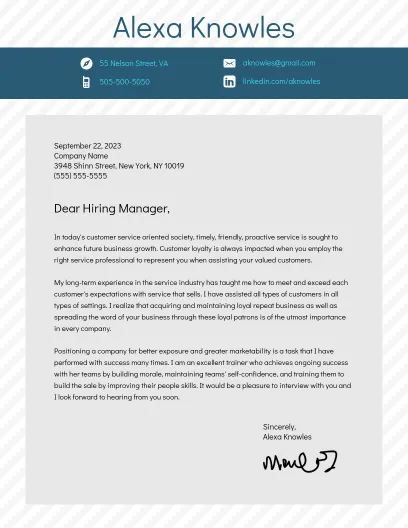
Professional formatting and design are essential for creating a cover letter that looks polished and easy to read. Choose a clear, easy-to-read font, such as Arial, Calibri, or Times New Roman, and ensure it is consistent throughout the document. Use a standard font size, typically 11 or 12 points. Maintain consistent spacing and alignment to create a clean and organized layout. Use headings and bullet points to break up large blocks of text and make your letter more visually appealing. Keep your cover letter concise, ideally no more than one page. Pay attention to margins and line spacing to make the document look balanced. Consider your overall aesthetic, making sure your cover letter is both visually appealing and easy for the hiring manager to read. These elements will help you make a good first impression.
Proofreading and Editing Your Cover Letter
Proofreading and editing your cover letter is a critical step in ensuring your application is professional and error-free. Check for any grammatical errors, spelling mistakes, and punctuation issues. Read the letter aloud to catch any awkward phrasing or sentence structure issues. Make sure the tone is consistent and professional throughout the document. Review the content to ensure it aligns with the job requirements and showcases your skills and experience. Ask a friend or colleague to proofread your letter for a second opinion. Minor errors can undermine your credibility, so take the time to proofread and edit carefully. By taking this extra step, you can ensure your cover letter is error-free and presents you in the best possible light.