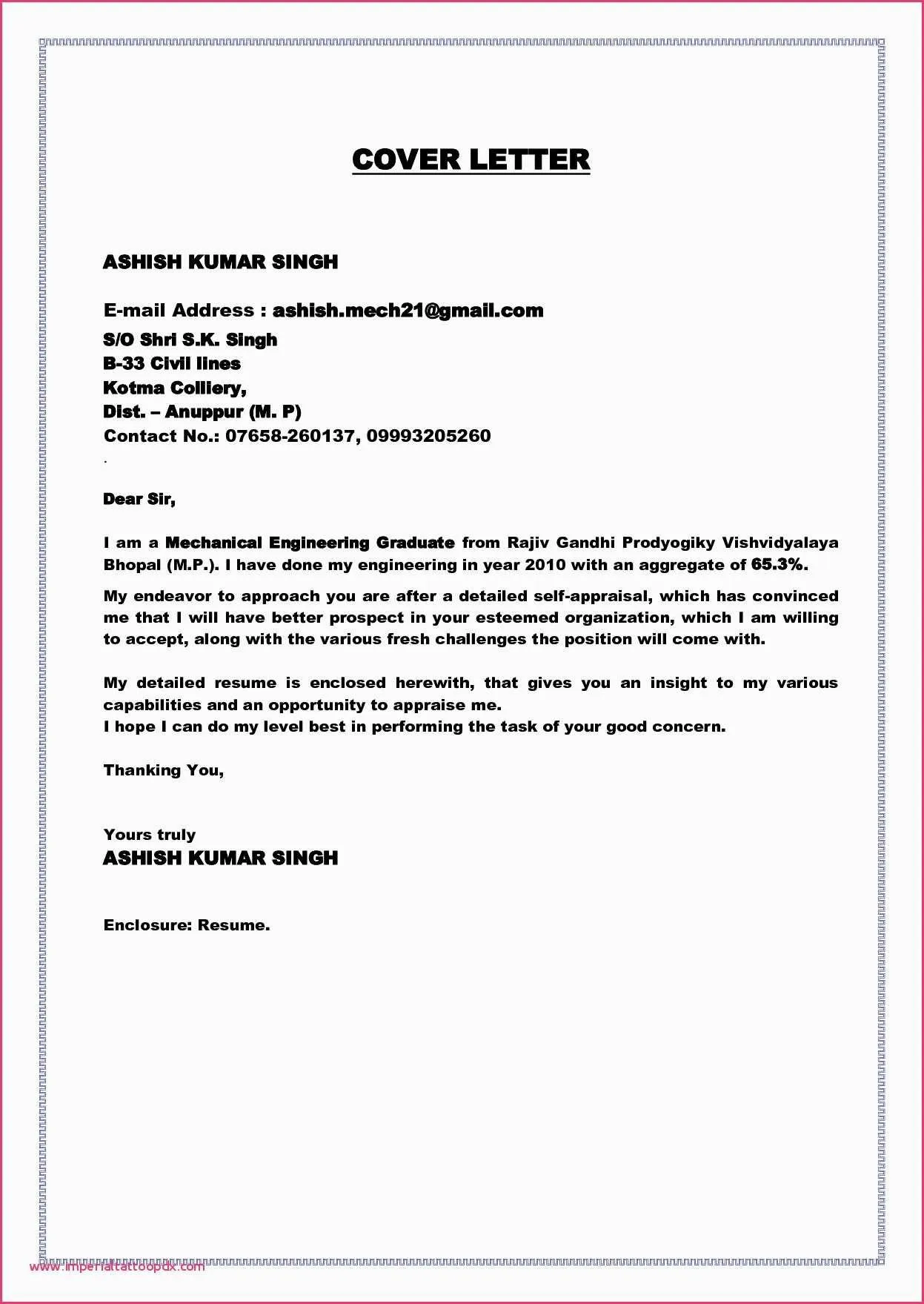
Why a Strong Cover Letter Matters for Fresh Grads
As a fresh graduate engineer, your resume might lack the extensive work experience that seasoned professionals possess. This is where a compelling cover letter becomes your most powerful tool. It’s your opportunity to showcase your potential, enthusiasm, and unique value proposition to a prospective employer. A well-crafted cover letter allows you to bridge the gap between your academic achievements and the practical demands of the engineering field. It provides a platform to explain your career aspirations, highlight relevant skills, and demonstrate your understanding of the company and the specific job requirements. In a competitive job market, a strong cover letter can be the deciding factor in securing an interview, ultimately leading to your first engineering role.
Highlighting Your Education
Your educational background is the cornerstone of your application as a fresh graduate. In your cover letter, use it to demonstrate a solid foundation of knowledge and understanding. Mention your degree, the university you attended, and the date of your graduation. If you have a high GPA or received any academic honors, be sure to include them. This will instantly signal to the recruiter that you have a strong academic record and the aptitude to learn and apply engineering principles. The way you phrase and present your academic details helps set the tone and establishes your professional background. Keep the information concise and easy to read.
Emphasizing Relevant Coursework

Beyond your degree, focus on the specific coursework that aligns with the job requirements. Carefully review the job description and identify keywords related to the technical skills the employer is seeking. Then, select the relevant courses you took, for example, mentioning courses on specific software or engineering principles. Briefly describe the projects you completed in those courses, highlighting the skills you gained and the challenges you overcame. This demonstrates your practical application of theoretical knowledge and your ability to learn new concepts, which is key for an engineer. This alignment helps the recruiter quickly understand how your academic background matches the job. Keep this section focused and well-organized.
Showcasing Projects and Practical Experience
Practical experience, even as a fresh graduate, is incredibly valuable. This can include university projects, design competitions, or any hands-on experience you gained during your studies. Detail your role in the project, the tasks you were responsible for, and the skills you utilized. If the project led to a successful outcome, be sure to mention it. This shows the employer that you can translate theoretical knowledge into practical solutions. You can write about the project in detail and discuss your contribution to the project. This section helps you display your practical skills and knowledge.
Describing Internship Experiences
If you have completed any internships, these are invaluable experiences to highlight. Describe your role, the responsibilities you held, and the skills you developed. Focus on the accomplishments you achieved during the internship, such as contributing to a project, solving a problem, or improving a process. Quantify your achievements whenever possible. For example, if you improved efficiency, state the percentage of improvement. This shows potential employers that you possess real-world experience and the ability to adapt quickly to a professional environment, which is highly valued in the field of engineering. Don’t underestimate the experience you gained during internships.
Quantifying Achievements in Projects

Whenever you describe your projects, whether academic or professional, use numbers and data to quantify your achievements. For example, instead of saying you “designed a system,” state that you “designed a system that improved efficiency by 15%.” Or if you contributed to a team project, mention the size of the team and your specific contribution. Quantifying your achievements provides concrete evidence of your skills and the impact of your work. It adds credibility to your claims and makes you stand out from other applicants who might only provide general descriptions. Numerical data showcases your ability to measure and analyze results, an essential skill in engineering.
Demonstrating Skills and Abilities
Your cover letter is the ideal place to highlight your technical skills and soft skills. Technical skills are specific abilities and knowledge related to your engineering discipline, such as CAD software, programming languages, or specific engineering principles. Soft skills are interpersonal and communication skills, such as teamwork, problem-solving, and time management. Be sure to tailor your skills to match the requirements listed in the job description. Use keywords from the job description to emphasize the skills the employer is seeking. This demonstrates that you have the right skillset to contribute effectively from day one. When you list your skills, provide a brief example of how you have used them. This is a good way to provide more context for the recruiter.
Technical Skills to Include
List the technical skills that are most relevant to the job. This could include proficiency in specific software programs like AutoCAD, SolidWorks, or MATLAB. Also, emphasize any programming languages you know, such as C++, Python, or Java. If the job involves a specific engineering field, such as structural, electrical, or mechanical, list the related technical skills, such as knowledge of structural analysis, circuit design, or thermodynamics. Quantify your experience whenever possible. For example, state the number of projects you completed using a specific software. This will give an edge to your application by proving your specific and in-depth knowledge of the program.
Soft Skills to Mention

In addition to technical skills, employers value soft skills, such as communication, teamwork, problem-solving, and leadership. Provide examples of how you have demonstrated these skills in your academic or professional experiences. For instance, describe a time when you worked effectively in a team to complete a project, mentioning the role you played and the outcome. If you have experience presenting to groups, managing projects, or resolving conflicts, mention these experiences as well. Demonstrate that you can work effectively with others, communicate your ideas clearly, and overcome challenges.
Formatting Your Cover Letter
The format of your cover letter matters. A well-formatted cover letter is easy to read and reflects professionalism. Choose a standard font like Times New Roman, Arial, or Calibri. Use a font size between 10 and 12 points. Keep the letter concise, ideally within one page. Use clear and concise language. Proofread your letter to ensure it is free of grammatical errors and typos. A clean, well-formatted cover letter will make a positive first impression. It is helpful to keep the layout simple, well-organized, and easy to scan.
Header and Contact Information
Begin your cover letter with your name, address, phone number, and email address at the top. Make sure the contact information is current and easy to find. Include the date. Then, include the hiring manager’s name and title, and the company’s address if you know it. If you are sending your cover letter via email, include your contact information in the email signature.
Proper Salutation and Greeting

Use a professional salutation, such as “Dear Mr./Ms. [Last Name]”. If you do not know the hiring manager’s name, use a general greeting like “Dear Hiring Manager” or “To Whom It May Concern”. Avoid informal greetings like “Hi” or “Hello”. The way you open your cover letter sets the tone for the entire document. Your greeting sets the tone for your letter, and a good salutation shows that you have put the effort into researching the company and its staff.
Structuring the Body Paragraphs
The body of your cover letter should consist of a few paragraphs, each focusing on a specific aspect of your qualifications and your interest in the role. Keep the paragraphs concise and focused, and organize them logically. The typical structure of a cover letter includes an introductory paragraph, several body paragraphs, and a closing paragraph. Each paragraph should have a clear purpose and support your overall argument. Make sure each paragraph smoothly transitions into the next, creating a compelling narrative of your skills and suitability.
The Introduction Paragraph
In your introduction, clearly state the position you are applying for and how you learned about it. Briefly explain why you are interested in the company and the role. Consider mentioning a specific project or initiative that the company is involved in that resonates with your values or interests. Then, provide a brief overview of your relevant skills and experience. Your introduction should immediately capture the reader’s attention and create a sense of anticipation for the rest of the letter. This is your initial opportunity to make a positive impression and showcase your enthusiasm.
The Body Paragraphs

The body paragraphs should provide details about your skills, experience, and qualifications. Use these paragraphs to highlight your relevant coursework, projects, internships, and any other experience that demonstrates your abilities. Provide specific examples to support your claims. Focus on your achievements and the impact you made in previous roles or projects. Remember to use keywords from the job description to show how your skills match the employer’s needs. Tailor each paragraph to align with the requirements listed in the job posting, emphasizing the aspects of your background that make you a strong fit for the role.
The Closing Paragraph
In your closing paragraph, reiterate your interest in the position and the company. Express your enthusiasm and eagerness to learn more about the opportunity. Thank the hiring manager for their time and consideration. Include a call to action, such as stating that you look forward to hearing from them soon or that you would welcome the opportunity to discuss your qualifications in more detail. Make sure you thank them again and reinforce your interest in the role.
Key Language and Tone
Maintain a professional tone throughout your cover letter. Use clear, concise language and avoid jargon. Be enthusiastic and passionate about the opportunity, but avoid sounding overly casual or informal. Use action verbs to describe your accomplishments, for example, “designed,” “implemented,” or “managed.” Highlight your relevant skills and experience, and make sure your writing is free of grammatical errors and typos. The language and tone you use are crucial elements to making a good impression.
Tailoring Your Letter to the Job

Do not send a generic cover letter. Tailor each cover letter to the specific job and company. Review the job description carefully and identify the key requirements and desired skills. Then, customize your cover letter to highlight the skills and experience that match those requirements. Do not send out the same letter to every job you apply to. This shows that you understand the company’s needs and are a good fit for the specific role. Taking the time to tailor your cover letter will make it much more effective. It shows the employer that you are genuinely interested in the position and that you have taken the time to understand their needs.
Researching the Company
Before you start writing your cover letter, research the company. Visit the company’s website, read news articles, and check their social media profiles. Understand the company’s mission, values, and recent projects. Use this information to demonstrate your interest and explain why you want to work for that specific company. This shows that you are genuinely interested in the opportunity and that you have taken the time to understand their business and its values. This also shows that you are serious about working at the company. Mentioning a specific project or initiative that aligns with your interests can make your cover letter stand out.
Using Keywords from the Job Description
Carefully review the job description and identify the keywords and phrases used to describe the required skills and experience. Use these keywords in your cover letter, but do so naturally. Do not simply stuff keywords into your writing; make sure they fit seamlessly within your sentences and paragraphs. This practice helps the recruiter or hiring manager quickly see how your skills and qualifications align with the job requirements, increasing the likelihood that your application will be noticed. Use the exact language from the job description when referring to your skills, making your qualifications immediately recognizable and relevant.
Proofreading and Editing

Proofreading and editing are essential to ensure your cover letter is polished and error-free. Even small mistakes can make a negative impression. Before submitting your cover letter, carefully proofread it for grammar, spelling, punctuation, and typos. Read your cover letter aloud to catch any awkward phrasing or errors. It’s also helpful to have someone else review your cover letter. A second pair of eyes can often spot mistakes that you may have missed. Make sure your language is clear and concise. Having a polished cover letter shows that you are detail-oriented and that you care about making a positive first impression.
Common Mistakes to Avoid
There are several common mistakes that fresh graduates should avoid when writing a cover letter. Avoid using a generic cover letter, failing to tailor your letter to the specific job and company. Do not make spelling or grammar errors. Avoid being too vague or using overly casual language. Avoid providing irrelevant information or focusing too much on what you want rather than what you can offer. A well-written, targeted cover letter is essential for fresh graduate engineers. It shows potential employers your specific strengths and shows your commitment to the field. The objective is to get the hiring manager to schedule an interview with you.
Ensuring a Professional Tone
Maintaining a professional tone throughout your cover letter is essential. Even though you are a fresh graduate, your cover letter should reflect a mature and professional demeanor. Avoid using slang or informal language. Instead, use clear, concise, and respectful language. Use action verbs to describe your accomplishments, and focus on your skills and qualifications. Ensure your writing is free of any language that might be seen as unprofessional or overly casual. A professional tone establishes your credibility and shows that you are ready to contribute to the workplace.