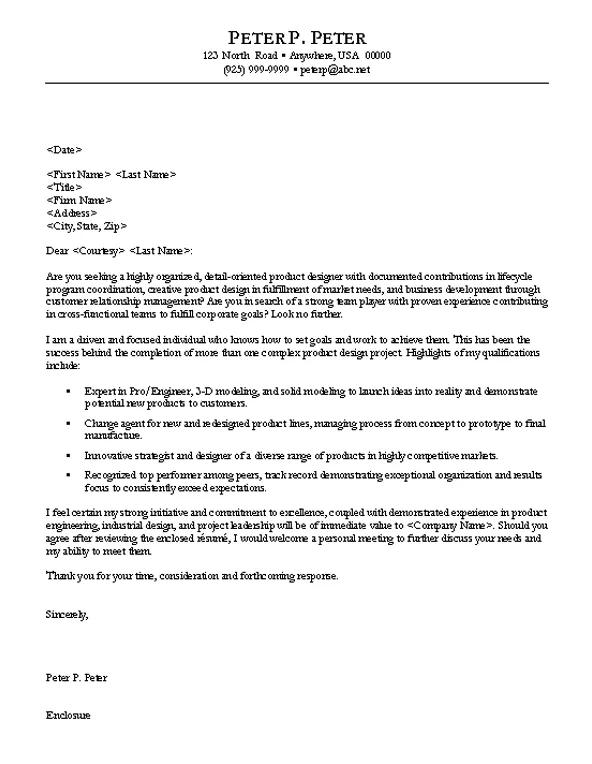
Engineer Cover Letter Essentials
Landing your dream engineering role often requires more than just a stellar resume. A well-crafted engineer cover letter is your chance to make a strong first impression and showcase why you’re the ideal candidate. This guide provides essential tips and strategies for creating an engineer cover letter that grabs attention and secures you an interview.
Understanding the Purpose of a Cover Letter
A cover letter serves as your personal introduction to a potential employer. It’s your opportunity to expand on your resume, demonstrate your genuine interest in the role and the company, and highlight the specific skills and experiences that align with the job requirements.
Why a Cover Letter Matters

In a competitive job market, a cover letter helps you stand out from other applicants. It allows you to showcase your personality, explain any gaps in your resume, and emphasize your qualifications. Many hiring managers consider cover letters a crucial part of the application process, using them to assess your writing skills, communication abilities, and attention to detail.
Cover Letter vs Resume What’s the Difference?
Your resume provides a concise overview of your work history, skills, and education. The cover letter, on the other hand, is a narrative document that explains why you’re the perfect fit for the specific job. It should elaborate on the information in your resume, providing context and demonstrating your enthusiasm for the position. Think of your resume as ‘what’ you’ve done and your cover letter as ‘why’ you’re the best candidate.
Key Components of an Effective Engineer Cover Letter
Header and Contact Information

Start with a professional header that includes your contact details and the recipient’s information. This ensures that the hiring manager can easily reach you and knows where the letter is directed.
Applicant’s Contact Information
Include your full name, phone number, professional email address, and LinkedIn profile URL (optional). Ensure your email address sounds professional.
Recipient’s Contact Information
If possible, address the letter to a specific person (e.g., the hiring manager or the team lead). Include their name, title, and the company’s address.
Professional Salutation

Use a professional salutation such as “Dear Mr./Ms./Mx. [Last Name]” or “Dear [Hiring Manager].” Avoid generic greetings like “To Whom It May Concern.”
Body Paragraph 1 Why You Are a Great Fit
The first body paragraph should immediately grab the reader’s attention. State the position you’re applying for and briefly explain why you are interested. Then, highlight your most relevant skills and experience, emphasizing how they align with the job requirements.
Highlighting Relevant Skills and Experience
Carefully review the job description and identify the key skills and experiences the employer is seeking. Then, showcase how your background aligns with these requirements. Provide specific examples of projects, accomplishments, and experiences that demonstrate your abilities. Use keywords from the job description to capture the hiring manager’s attention.
Quantifying Achievements

Whenever possible, quantify your achievements. Use numbers, data, and statistics to demonstrate the impact of your work. For example, instead of saying “Improved efficiency,” say “Improved efficiency by 15% by implementing a new workflow.” This adds credibility and shows the tangible results you have achieved.
Body Paragraph 2 Showcasing Your Passion
This paragraph should highlight your enthusiasm for the role and the company. Explain why you’re passionate about engineering and how the specific opportunity aligns with your career goals. Demonstrate that you’ve researched the company and understand its mission, values, and products.
Demonstrating Knowledge of the Company
Research the company thoroughly. Visit their website, read their blog, and follow them on social media. Mention specific projects, products, or initiatives that resonate with you. This shows the hiring manager that you’re genuinely interested in working there.
Expressing Enthusiasm for the Role

Clearly state why you’re excited about the specific position. Describe how your skills and experiences will contribute to the company’s success. Show that you’ve considered how you can make a difference.
Body Paragraph 3 Call to Action
Conclude with a strong call to action. Express your interest in an interview and reiterate your enthusiasm for the opportunity. Thank the reader for their time and consideration.
Expressing Interest in an Interview
Clearly state your interest in interviewing for the position. Express your availability and willingness to discuss your qualifications further. This reinforces your desire to move forward in the hiring process.
Thanking the Reader

Always thank the hiring manager for their time and consideration. A polite and respectful tone leaves a positive impression.
Professional Closing
Use a professional closing such as “Sincerely,” “Best regards,” or “Thank you.” Include your full name below the closing.
Formatting and Design Tips
Effective formatting and design make your cover letter easy to read and visually appealing.
Font Choices and Readability
Choose a professional, readable font such as Times New Roman, Arial, or Calibri. Use a font size between 10 and 12 points. Ensure the font is consistent throughout the document.
Page Margins and Spacing
Use standard one-inch margins on all sides of the page. Double-space between paragraphs for better readability. Use single spacing within paragraphs.
Proofreading and Editing
Thorough proofreading and editing are essential. Errors and typos can reflect poorly on your attention to detail and professionalism.
Common Mistakes to Avoid
Avoiding common mistakes will significantly increase your chances of making a positive impression.
Generic Content
Avoid using a generic cover letter that could be sent to any company. Tailor your letter to each specific job and demonstrate your understanding of the company’s needs and requirements.
Typos and Grammatical Errors
Proofread your cover letter carefully for any typos or grammatical errors. These errors can undermine your credibility and signal a lack of attention to detail. Consider having a friend or family member review your letter as well.
Exceeding the Recommended Length
Keep your cover letter concise and to the point. Aim for a single page unless the job description specifically requests additional information.
Tailoring Your Cover Letter
Tailoring your cover letter to each job application is crucial. It shows that you’ve taken the time to understand the specific requirements and the company’s values.
Researching the Company and Role
Before you start writing, research the company and the specific role. Understand the company’s mission, values, products, and recent initiatives. This will help you tailor your letter to demonstrate your genuine interest and show how your skills align with their needs.
Customizing for Each Application
Customize your cover letter for each job application. Don’t simply change the company name and role title. Customize the content to highlight the specific skills and experiences that are most relevant to each position. Use keywords from the job description to demonstrate your understanding of the requirements.
Examples of Successful Engineer Cover Letters
Reviewing examples of successful engineer cover letters can provide valuable insights. Look for examples that highlight relevant skills, quantify achievements, and demonstrate a genuine interest in the company and role. These examples can guide you in structuring your own cover letter and choosing the right tone and language. Consider different industries within engineering and find examples relevant to your field.
Crafting a compelling engineer cover letter is a key step in your job search. By following these guidelines, you can create a cover letter that showcases your skills, experience, and enthusiasm, increasing your chances of landing an interview and securing your desired engineering role. Good luck with your job search!