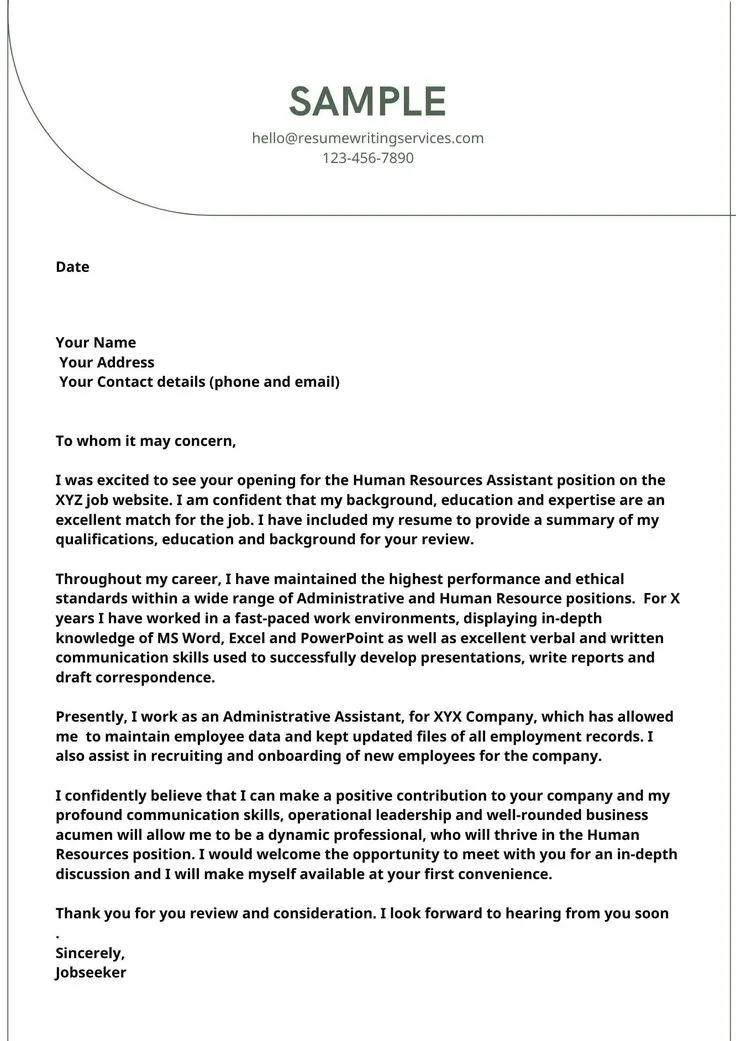
What is an Electronic Cover Letter
An electronic cover letter is a digital version of the traditional cover letter, specifically designed for online job applications. It’s a crucial component of your job application package, accompanying your resume and providing a personalized introduction to your qualifications, skills, and experiences. Unlike a physical cover letter sent through the mail, an electronic cover letter is typically sent via email or uploaded through an online application portal. This digital format demands attention to detail, conciseness, and a professional presentation to make a positive first impression on potential employers. Understanding its purpose and nuances is the first step toward crafting an effective electronic cover letter that helps you stand out from the competition and increase your chances of landing an interview.
The Importance of a Well-Crafted Electronic Cover Letter
A well-crafted electronic cover letter is more than just a formality; it’s a critical opportunity to make a strong first impression and set yourself apart from other applicants. It serves as your personalized introduction, allowing you to showcase your personality, enthusiasm, and the unique value you bring to the role. A compelling cover letter allows you to elaborate on your key skills and experiences in ways that a resume cannot. It helps you to connect the dots between your qualifications and the specific requirements of the job, demonstrating why you’re the ideal candidate. By tailoring your letter to each position, you can signal to the hiring manager that you’ve taken the time to understand their needs and are genuinely interested in the opportunity. In a competitive job market, a thoughtfully written electronic cover letter can be the deciding factor in whether your application moves to the next stage of the hiring process.
Formatting Your Electronic Cover Letter

Formatting is paramount in electronic cover letters. Since these letters are often viewed on screens of various sizes, readability is key. Start with a clean, professional font such as Arial, Calibri, or Times New Roman, and maintain a consistent font size (typically 11 or 12 points). Use single spacing with a blank line between paragraphs to provide visual breaks and make the content easier to digest. Avoid long, dense blocks of text. Instead, break your letter into concise paragraphs. When sending your cover letter as an email, ensure the formatting remains consistent across different email clients. Consider sending a test email to yourself to verify how it appears on various devices. If the job application requires you to upload a file, save your cover letter in a widely compatible format like .docx or .pdf to preserve your formatting and prevent any display issues that might arise.
Use a Professional Email Address
Your email address is an integral part of your professional image. When crafting your electronic cover letter, ensure you’re using a professional-sounding email address. Steer clear of informal or potentially unprofessional email addresses, such as those with nicknames, slang, or personal references that might distract the hiring manager. Instead, opt for a straightforward and professional email address that includes your full name or initials. For example, something like ‘john.doe@email.com’ or ‘j.a.doe@email.com’ is preferable. This demonstrates attention to detail and a level of professionalism that is essential in the job application process. Your email address will be the primary channel for the company to contact you, so choosing a professional one helps you to project a positive impression and avoid any misunderstandings, potentially increasing the likelihood that you will be considered for the role.
Choose a Clear and Concise Subject Line
The subject line of your electronic cover letter is the first element a hiring manager will see, making it a critical opportunity to grab their attention. A clear and concise subject line immediately informs the recipient about the purpose of the email, increasing the likelihood that it will be opened and reviewed. Include your name and the job title you’re applying for in the subject line. This allows the recruiter or hiring manager to quickly identify your application and easily reference it. For example, a suitable subject line could be ‘John Doe - Application for Marketing Manager Position.’ Avoid generic subject lines like ‘Job Application’ which can easily get lost in a busy inbox. A well-crafted subject line signals your professionalism and helps ensure your cover letter gets the attention it deserves, setting the stage for a positive first impression.
Keep Your Message Brief and Focused

In today’s fast-paced environment, brevity is key when crafting your electronic cover letter. Hiring managers are often inundated with applications, so your letter should be concise and to the point, highlighting your key qualifications without unnecessary verbosity. Aim for a letter that is no more than one page long, using clear and straightforward language. Focus on the most relevant skills and experiences that align with the job description. Avoid rehashing your entire resume; instead, select a few key achievements and connect them to the job’s specific requirements. Being mindful of your word count and keeping your message focused demonstrates your respect for the reader’s time and signals your ability to communicate effectively. A well-structured, concise cover letter is more likely to capture the hiring manager’s attention and encourage them to review your resume in detail.
Highlight Your Key Skills and Experience
Your electronic cover letter is an opportunity to showcase your key skills and experience, demonstrating to the employer why you are the ideal candidate for the position. Carefully review the job description to identify the essential skills and qualifications they are seeking. Then, select the most relevant experiences and achievements that demonstrate your proficiency in those areas. Instead of simply listing your skills, provide concrete examples of how you have used them to achieve results in previous roles. Quantify your accomplishments whenever possible, using data and metrics to illustrate the impact you’ve made. For example, mention specific projects, increased sales percentages, or any other tangible outcomes you achieved. This approach shows, rather than tells, your value. By strategically highlighting your relevant skills and experiences, you position yourself as a strong contender and significantly increase your chances of securing an interview.
Proofread and Edit Carefully
Proofreading and careful editing are critical steps in the electronic cover letter writing process. Typos, grammatical errors, and formatting inconsistencies can undermine your credibility and create a negative impression, regardless of your qualifications. Before sending your cover letter, meticulously review it for any errors. Read it aloud, as this can help you catch mistakes you might miss when reading silently. Use grammar and spell-check tools, but don’t rely solely on them; they might not catch all errors. It’s also a good idea to have a trusted friend, family member, or career advisor review your letter. A fresh pair of eyes can often identify issues that you might overlook. Ensure that the formatting is consistent throughout the document and that your language is clear, concise, and professional. A polished and error-free cover letter demonstrates your attention to detail and professionalism, increasing the likelihood of a positive response from potential employers.
Tailoring Your Electronic Cover Letter to the Job

One of the most important aspects of crafting an effective electronic cover letter is tailoring it to each specific job you apply for. A generic, one-size-fits-all cover letter is easily recognizable by hiring managers and can make your application seem less personalized. To stand out, take the time to thoroughly review the job description and identify the key requirements, skills, and values that the employer is seeking. Then, customize your cover letter to highlight the experiences and qualifications that directly align with these needs. Show how your skills and accomplishments make you the perfect fit for that particular role. Demonstrate your knowledge of the company by referencing their mission, values, or recent projects. Tailoring your cover letter conveys to the hiring manager that you are genuinely interested in the position and have taken the initiative to understand their requirements, which will increase your chances of success.
Research the Company
Before you start writing your electronic cover letter, it is crucial to conduct thorough research about the company to which you are applying. This research will not only help you tailor your cover letter but also provide you with valuable insights into the company’s culture, values, and goals. Visit their website, social media pages, and any other available resources to learn about their products, services, and recent news. Understand their mission statement, core values, and any specific projects or initiatives they’re currently undertaking. By demonstrating a clear understanding of the company’s objectives and how your skills and experience align with their goals, you can make a strong impression. This personalized approach shows the hiring manager that you have invested time and effort in understanding their organization, which is highly appreciated and makes your application more compelling.
Address the Hiring Manager by Name
Personalizing your electronic cover letter is one of the most effective ways to show that you have taken the time to research and understand the company. Whenever possible, address the hiring manager by name. This simple act of personalization immediately makes your application feel more engaging and professional. If you can find the hiring manager’s name, it demonstrates that you are detail-oriented and that you have taken the time to go beyond the basics. You can usually find this information on the company’s website, LinkedIn, or by contacting the company directly. However, if you’re unable to find the hiring manager’s name, you can use a more general salutation like ‘Dear Hiring Team’ or ‘Dear [Department] Team.’ However, if you can’t find a specific name, always prioritize thoroughness and accuracy. Personalizing your cover letter is a crucial step in demonstrating your commitment and increasing your chances of making a positive impression.
Use Keywords from the Job Description

One of the most effective strategies in crafting a compelling electronic cover letter is incorporating keywords from the job description. Recruiters and applicant tracking systems (ATS) often use keywords to screen and filter applications. By carefully reviewing the job description and identifying the key skills, qualifications, and requirements, you can effectively incorporate these keywords into your cover letter. Use these keywords naturally and strategically, highlighting the relevant experiences and skills that align with the job’s specific needs. When using keywords, ensure they accurately reflect your capabilities. Avoid keyword stuffing, which is the practice of excessively adding keywords without context, as this can make your letter sound unnatural. Instead, weave the keywords organically into your sentences, demonstrating how your experience and qualifications meet the job’s requirements. This strategy not only helps your application pass through ATS filters but also demonstrates your understanding of the role and your ability to meet the employer’s expectations, ultimately increasing your chances of securing an interview.
Showcase Your Achievements
While listing your skills and experience is important in your electronic cover letter, showcasing your achievements takes your application to the next level. Rather than simply stating your responsibilities, use your cover letter to highlight your accomplishments and quantify your impact in previous roles. Begin by identifying the key achievements from your career history that are most relevant to the job requirements. For each achievement, use the STAR method (Situation, Task, Action, Result) to provide context and showcase your accomplishments. Describe the situation you were in, the task you were assigned, the actions you took, and the positive results you achieved. Whenever possible, quantify your achievements with data and metrics. For example, mention increased sales percentages, successful project completions, or cost savings realized. Showcasing your achievements effectively demonstrates your value to potential employers and makes a strong case for why they should consider you for the position. By focusing on achievements, you provide concrete evidence of your abilities and differentiate yourself from other candidates.
Electronic Cover Letter Sample – Example Structure
Structuring your electronic cover letter effectively enhances its readability and impact. While the specific structure may vary based on your needs, the example below presents a widely accepted format for reference. Here are the essential components. By adhering to this structure, you can make a strong first impression and showcase your qualifications in a clear and concise manner.
Contact Information

At the top of your cover letter, include your contact information. This typically includes your full name, phone number, email address, and optionally, your LinkedIn profile URL. The information should be easily accessible to allow the recruiter to contact you efficiently.
Salutation
Begin your cover letter with a professional salutation. If you know the hiring manager’s name, address them directly (e.g., ‘Dear Mr. Smith’). If not, use a general salutation like ‘Dear Hiring Manager’ or ‘Dear [Department] Team.’ Make sure your salutation is appropriate and respectful, setting a positive tone for the rest of your letter.
Opening Paragraph
In your opening paragraph, state the purpose of your letter by mentioning the specific job title you are applying for and how you learned about the opportunity. Briefly highlight your most relevant qualifications and express your enthusiasm for the role and the company.
Body Paragraphs

Use the body paragraphs to expand on your key skills, experience, and achievements. Tailor these sections to align with the requirements outlined in the job description. Provide specific examples and quantify your accomplishments whenever possible. Explain how your qualifications align with the job’s demands, and how you can contribute to the company’s success. Usually, aim for 2-3 well-developed paragraphs.
Closing Paragraph
In your closing paragraph, reiterate your interest in the position and express your enthusiasm for an interview. Thank the hiring manager for their time and consideration. Include a call to action, such as encouraging them to review your resume and expressing your readiness to discuss your qualifications further.
Electronic Cover Letter Sample – Common Mistakes to Avoid
Avoiding common mistakes is essential when crafting your electronic cover letter. Certain errors can immediately undermine your credibility and negatively impact your chances of securing an interview. Understanding the pitfalls to avoid and how to rectify them is crucial for creating a strong, professional letter that highlights your qualifications. Here are a few common errors you should watch out for. Avoiding these missteps significantly increases the effectiveness of your electronic cover letter.
Typos and Grammatical Errors
Typos and grammatical errors are among the most significant mistakes you can make in your electronic cover letter. Such errors suggest a lack of attention to detail and can immediately damage your credibility. Before submitting your cover letter, thoroughly proofread it for spelling, punctuation, and grammatical accuracy. Read the document aloud, and consider having a friend, family member, or career advisor review it. Use grammar and spell-check tools but do not rely on them solely, because they might not catch all errors. Make sure your language is clear, concise, and professional, presenting a polished impression and demonstrating your commitment to quality.
Generic Content
Submitting a generic cover letter is another common mistake that can severely limit your application’s effectiveness. Generic letters are often perceived as impersonal and demonstrate that you haven’t taken the time to research the job or tailor your application. To avoid this, always customize your cover letter for each position. Show that you understand the job requirements and demonstrate how your skills and experience directly align with the employer’s needs. Reference specific aspects of the company or the role, highlighting your unique value and demonstrating your genuine interest. A tailored cover letter greatly increases your chances of capturing the hiring manager’s attention and showcasing why you are the perfect fit for the opportunity.
Sending a Cover Letter as an Attachment
In the world of electronic cover letters, understanding how to deliver your message is as essential as the content itself. Sending your cover letter as an attachment is a practice that requires careful consideration. While attaching a cover letter as a PDF or Word document is often the standard approach, it’s essential to consider the specific instructions of the job posting and the preferences of the employer. If the job application portal specifically requests an attachment, that is what you should do. However, if no explicit instructions are provided, consider including the cover letter directly in the body of your email. This makes it easier for the hiring manager to view your information without needing to open a separate document. If you do attach a document, make sure the format is compatible and easy to open. When in doubt, review the application instructions thoroughly to ensure you’re complying with the employer’s preferred method and presenting your application in the most accessible way.
Electronic Cover Letter Sample – Final Thoughts
Crafting an effective electronic cover letter is a crucial step in the job application process, allowing you to make a strong first impression and demonstrate your qualifications. By following the best practices outlined in this guide, you can significantly increase your chances of securing an interview and ultimately landing the job. Remember to tailor your letter to each specific position, highlight your key skills and achievements, and always proofread your work carefully. Good luck with your job search!