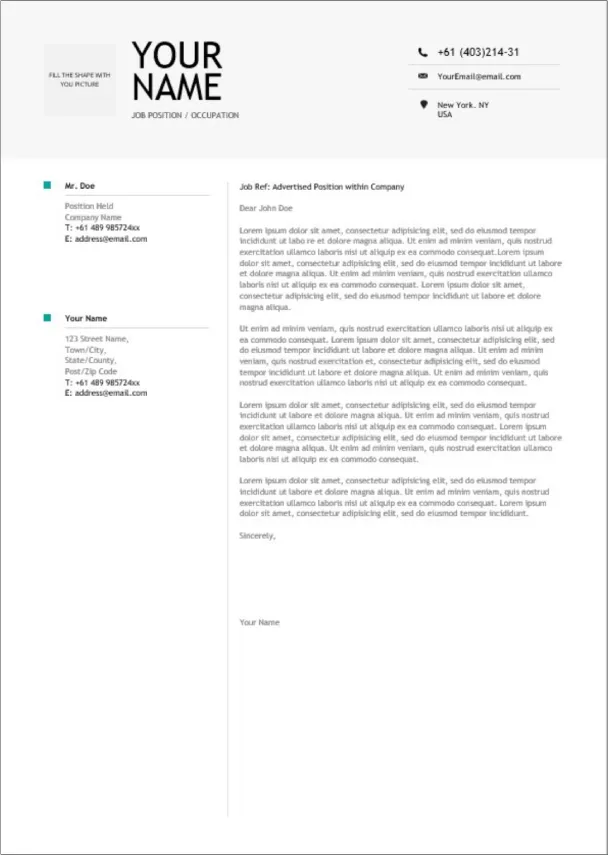
Your cover letter is your first impression, a critical piece of your job application. It’s your opportunity to show, not just tell, why you’re the perfect fit for the role and the company. However, many job seekers make common mistakes that can land their application straight in the “no” pile. Avoiding these pitfalls is key to crafting a cover letter that grabs attention and secures you an interview. This guide will delve into the top 5 cover letter mistakes to avoid, helping you create a compelling document that sets you apart from the competition. By understanding and rectifying these errors, you can significantly boost your chances of landing your dream job. This article will provide practical advice and examples to improve your cover letter, increasing the likelihood of getting a positive response from potential employers.
The Most Common Cover Letter Mistakes
Cover letters are often the first thing a hiring manager sees, so making a strong impression is essential. However, a poorly written cover letter can immediately disqualify a candidate. These mistakes range from generic content and lack of personalization to poor formatting and tone. Each error can undermine your credibility and reduce your chances of landing an interview. To maximize your success, it’s crucial to understand the common pitfalls and how to avoid them. The following sections will examine the top 5 mistakes in detail, providing clear guidance on how to revise your cover letter for optimum impact. This will give you the confidence to apply for jobs effectively and stand out from the crowd.
Mistake 1: Generic and Uninspired Opening
The opening paragraph sets the tone for your entire cover letter, and a generic opening is a missed opportunity. Starting with a phrase like “I am writing to express my interest” is uninspired and fails to capture the reader’s attention. A compelling opening should immediately grab the reader’s interest and make them want to learn more about you. Think of it as your elevator pitch – a concise and persuasive introduction that showcases your enthusiasm and how your skills align with the company’s needs. The goal is to make an immediate positive impact and encourage the hiring manager to read the rest of your letter. This demonstrates that you’ve taken the time to tailor your application to the specific role and company.
Why a Generic Opening Fails

Generic openings lack originality and often fail to convey your genuine interest in the position. They provide no specific information about why you’re a good fit for the role or what makes you stand out from other candidates. Hiring managers review numerous applications, and they quickly become accustomed to seeing similar, uninspired introductions. A generic opening often feels like a template, indicating that the candidate hasn’t put in the effort to personalize their application. This can create the impression that the candidate is applying for any job, rather than this specific one. The lack of personalization suggests a lack of genuine interest in the company, diminishing your chances of moving forward. Such openings fail to make you memorable, making it easy for your application to get overlooked.
How to Craft a Compelling Opening
To create a compelling opening, start by researching the company and the specific job. Tailor your introduction to the role and highlight what excites you about the opportunity. You could mention a specific achievement from your past that aligns with the job requirements. Alternatively, you might mention a recent company project or news item that resonated with you. For instance, you could say, “I was thrilled to see [Company Name] launch [project/initiative], and my experience in [relevant skill] aligns perfectly with your goals.” The key is to be specific and show that you understand the company’s needs and that you can provide value. By clearly demonstrating your enthusiasm and connecting your skills with the company’s objectives, you create an immediate impact and set the stage for a successful application.
Mistake 2: Focusing on Yourself Too Much
While it’s essential to showcase your skills and experience, focusing solely on what you want from a job can be a significant mistake. Cover letters should be about how you can contribute to the employer’s success, not just about your personal aspirations. A cover letter that constantly mentions your goals, without highlighting your ability to meet the company’s needs, may come across as self-centered. The most effective cover letters demonstrate your understanding of the employer’s challenges and explain how your skills and experience provide solutions. It is crucial to balance your achievements with an understanding of the company’s objectives. Doing so increases the likelihood that the hiring manager will view you as a valuable asset.
The Importance of the Employer

The best cover letters are those that clearly explain how you can help the employer achieve their goals. This involves understanding the company’s mission, values, and current projects. Researching the company and identifying their needs will help you tailor your letter to demonstrate how you can provide value. Always explain how your skills and experiences align with the job’s requirements, showing how you can contribute to the company’s success. Talk about specific accomplishments and the positive impact you made in your previous roles, linking them to the needs of the potential employer. When you frame your skills in terms of how they benefit the company, you make yourself a more attractive candidate. It shows you have a clear understanding of the role and a genuine interest in their success.
Highlighting Relevant Skills and Experience
Instead of simply listing your qualifications, focus on the skills and experiences that directly align with the job description. Use the job posting as your guide and identify the key requirements. Then, provide specific examples of how you have successfully utilized those skills in the past. This could involve describing a project where you exceeded expectations or explaining how you solved a significant problem. Quantify your achievements whenever possible, using numbers and data to demonstrate the impact of your work. For instance, instead of saying “Managed social media accounts,” say “Increased social media engagement by 30% in six months by implementing new content strategies.” By focusing on relevant skills and providing concrete examples, you present a compelling case for your suitability for the role.
Mistake 3: Neglecting the Job Description
Failing to tailor your cover letter to the specific job description is a major mistake. Many candidates use a generic cover letter for all applications, which doesn’t resonate with the hiring manager. The job description provides crucial information about the role’s requirements, the skills needed, and the company’s values. By ignoring this information, you miss an opportunity to demonstrate your understanding of the position. When you tailor your cover letter to the job description, you show that you have the skills, experience, and understanding necessary to succeed in the role. A customized cover letter demonstrates that you have taken the time to understand the specific needs of the company, making you a more attractive candidate.
Tailoring Your Cover Letter

Carefully review the job description, paying attention to the key requirements, skills, and experience. Identify the keywords and phrases used to describe the ideal candidate. Then, structure your cover letter to address these requirements directly. Highlight the relevant skills and experiences from your background and provide specific examples of how you have successfully applied them. Customizing your cover letter shows that you have taken the time to understand the job and are genuinely interested in the opportunity. This is a crucial step in the application process, increasing your chances of getting a positive response. Tailoring your letter ensures that you showcase your qualifications in a way that aligns with the needs of the employer.
Using Keywords Effectively
Incorporating keywords from the job description into your cover letter can help your application get noticed by applicant tracking systems (ATS). These systems scan applications for relevant keywords, and if your letter doesn’t include them, it may be rejected before a human even sees it. However, don’t simply stuff your cover letter with keywords. Instead, weave them naturally into your writing while ensuring your sentences flow smoothly. Focus on incorporating the most important keywords related to the job’s key requirements. This demonstrates that you meet the specified needs and helps your application pass the ATS. Using keywords appropriately improves the chances of your cover letter being reviewed by a hiring manager.
Mistake 4: Poor Formatting and Typos
Poor formatting and typos can be detrimental to your cover letter. They convey a lack of attention to detail and professionalism, which are essential qualities for many roles. A cover letter with formatting errors is less likely to be read carefully, decreasing your chances of making a positive impression. Typos can undermine your credibility, leading the hiring manager to question your ability to communicate effectively. Ensure that your cover letter is polished and free of errors. Paying attention to formatting and accuracy demonstrates that you take your application seriously. Proofreading is a non-negotiable step in the application process.
The Impact of Formatting

Clear and professional formatting makes your cover letter easier to read and more visually appealing. Use a standard font, such as Times New Roman or Arial, and a consistent font size (typically 11 or 12 points). Proper spacing, margins, and alignment are crucial for readability. Divide your content into logical paragraphs with clear headings to help the hiring manager quickly scan and understand the information. Avoid using excessive bolding, underlining, or italics, as this can make your cover letter look cluttered. Consistent and professional formatting reflects your attention to detail and enhances the overall impact of your application. Well-formatted documents are perceived as more professional and easier to navigate.
Proofreading and Attention to Detail
Proofread your cover letter multiple times, carefully checking for grammatical errors, spelling mistakes, and typos. Consider using a spell-checker, but don’t rely on it entirely. Read your cover letter aloud to catch errors that you might miss when reading silently. Ask a friend, family member, or career advisor to review your cover letter. A fresh pair of eyes can often catch errors that you’ve missed. Attention to detail is a critical skill for many jobs, and a well-proofread cover letter demonstrates your commitment to quality. Taking these steps significantly reduces the chances of making a negative impression. Proofreading is essential to ensure that your cover letter represents you in the best possible light.
Mistake 5: Being Too Casual or Informal
A cover letter is a formal document, and maintaining a professional tone is essential. Using slang, emojis, or informal language can undermine your credibility and make you appear unprofessional. The tone of your cover letter should align with the company culture and the specific role you’re applying for. It’s essential to avoid sounding too casual or using overly familiar language. A professional tone reflects your respect for the hiring process and the company. This approach shows that you are serious about the opportunity. Being professional helps you create a favorable impression and increases your chances of making a positive impact. Be mindful of your word choice and language to ensure that your communication is professional and appropriate.
Maintaining Professionalism

Use a formal salutation, such as “Dear Mr./Ms. [Last Name],” unless the job posting specifically indicates a different preference. Maintain a professional tone throughout your cover letter, avoiding slang, contractions, and overly casual language. Keep your writing concise and clear. Avoid using emojis or informal expressions, as these can detract from your credibility. Be respectful and polite in your communication, and address the hiring manager professionally. Proofread your cover letter to ensure that your language is suitable for a business setting. Your professionalism demonstrates that you take your job search seriously. Adhering to professional standards will enhance your application and improve your chances of landing an interview.
The Importance of Tone
Your tone should be confident and enthusiastic, without being arrogant. Show that you are interested in the position and the company, but avoid sounding overly eager or desperate. Maintain a positive and proactive tone throughout your letter. Frame your skills and experiences in a way that emphasizes how you can contribute to the company’s success. Be confident in your abilities, but remain respectful and professional in your interactions. The tone of your cover letter sets the stage for your entire application. If it doesn’t reflect the standards of the company, it will likely be unsuccessful. A professional tone can create a strong first impression.
Conclusion
Avoiding the top 5 cover letter mistakes can significantly improve your chances of securing an interview. By crafting a compelling opening, focusing on the employer’s needs, tailoring your letter to the job description, ensuring professional formatting and proofreading, and maintaining a professional tone, you can create a cover letter that stands out from the competition. Take the time to review your cover letter, and make any necessary revisions to ensure it effectively represents you. The goal is to demonstrate your skills, experiences, and enthusiasm for the role. Mastering these guidelines will help you make a strong impression. A well-written cover letter is an essential tool. With these strategies, you can confidently apply for jobs and take the next step toward your career goals.