5 Secrets for Cover Letters: Recent Grads
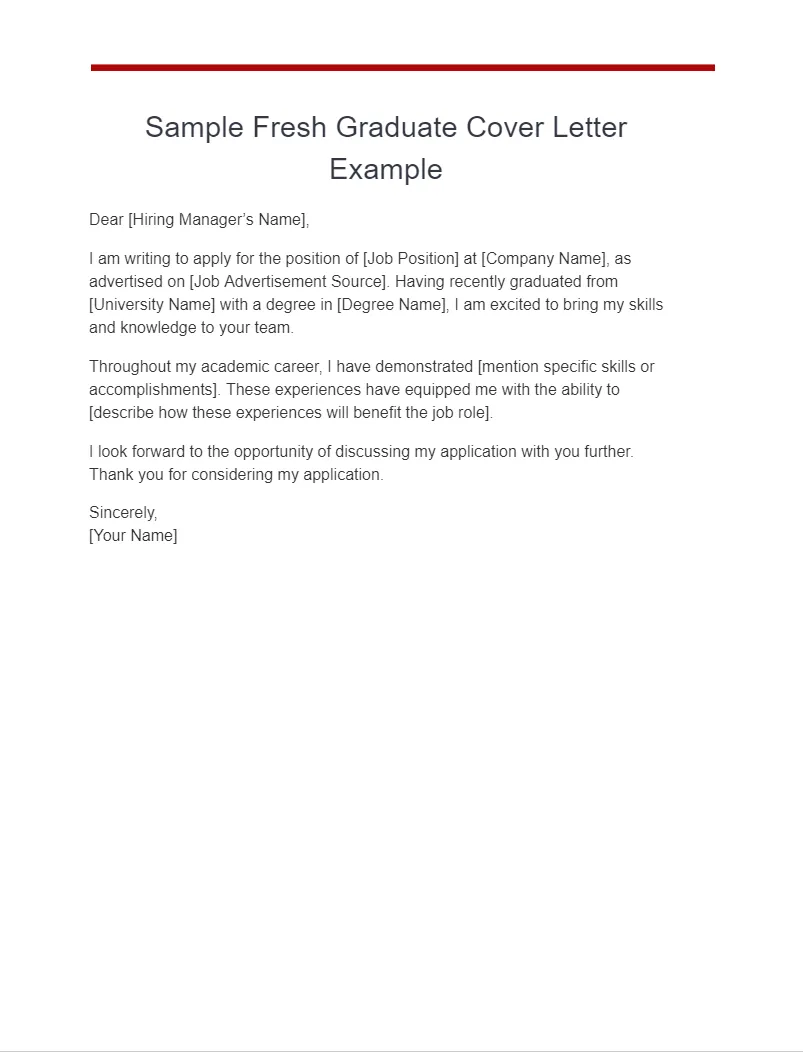
As a recent college graduate, entering the job market can feel like navigating uncharted territory. You’ve spent years acquiring knowledge and skills, but now you need to translate those into a compelling narrative that grabs the attention of potential employers. Your cover letter is your first opportunity to make a strong impression, but it’s a tricky task to introduce yourself. It is not a repetition of your resume, but rather a concise, dynamic presentation of who you are and what you can offer. Many recent graduates struggle with crafting cover letters that stand out from the crowd. Let’s explore five secrets to help you craft a cover letter that gets noticed and lands you an interview.
Highlighting Your Achievements
While your resume lists your experience, your cover letter allows you to elaborate on your accomplishments. Don’t just list your responsibilities; instead, focus on the results you achieved. Think about projects you excelled in, problems you solved, and contributions you made to teams or organizations. Did you increase sales, improve efficiency, or lead a successful initiative? These are the types of achievements that make your application stand out. Use this section to highlight any awards, recognition, or positive feedback you received. Specific examples will make your claims much more credible and memorable. For example, if you led a project, mention the project name, your role, and the outcome.
Quantify Your Accomplishments

Whenever possible, quantify your achievements. Using numbers and data provides concrete evidence of your abilities and impact. Instead of saying you “improved customer service,” state that you “increased customer satisfaction scores by 15%.” Rather than saying you “managed social media,” specify that you “grew social media following by 30% in six months.” Quantifiable results demonstrate your ability to deliver tangible value. This can include metrics such as percentages, dollar amounts, or the number of people involved. The more specific you are, the more convincing your cover letter becomes. This also shows potential employers that you understand how to measure success and achieve goals.
Show, Don’t Tell
Instead of simply stating your skills and qualities, use examples to demonstrate them. For instance, if you claim to be a strong communicator, provide an instance where you effectively communicated with a team, resolved a conflict, or presented to an audience. If you say you’re a “team player,” describe a situation where you collaborated with others to achieve a common goal. This approach provides tangible evidence of your capabilities, making your claims more believable and impactful. This includes the use of the STAR method (Situation, Task, Action, Result) to structure your examples and give them more context. This detail provides a more personal connection that the hiring manager can appreciate.
Tailoring Your Letter to the Job
A generic cover letter will rarely impress. Customize each cover letter to match the specific job and company you’re applying to. Review the job description carefully and identify the key skills, qualifications, and experiences the employer is seeking. Then, highlight your relevant experiences and accomplishments that directly align with those requirements. Show how your skills and experiences make you a perfect match for the role. This demonstrates that you have taken the time to understand the company’s needs and are genuinely interested in the position. By demonstrating your suitability for the role, you significantly increase the chances of being selected for an interview.
Researching the Company

Before writing your cover letter, research the company. Understand their mission, values, and recent projects or achievements. Referencing specific information about the company in your cover letter demonstrates your interest and initiative. This could include mentioning a recent product launch, a company value that resonates with you, or how your skills align with their goals. Find out who will be reviewing your cover letter so that you may directly address it to the correct contact. You should use the company’s website, social media profiles, and industry publications to gather this information. The goal is to show that you have gone the extra mile to understand the company culture and expectations.
Demonstrating Your Enthusiasm
Your enthusiasm for the position and the company should shine through in your cover letter. Show that you are excited about the opportunity and genuinely interested in contributing to the company’s success. Use positive and engaging language to convey your passion. Explain why you are drawn to the company and why you believe your skills and experiences would be a valuable asset. Reference specific aspects of the job that excite you and explain how you envision yourself contributing to the team. Demonstrate your eagerness to learn, grow, and make a difference. Your enthusiasm will make your application more memorable and increase your chances of securing an interview.
Using the Right Tone and Language
The tone and language of your cover letter should be professional but also reflect your personality. Avoid overly formal or generic phrasing. Use clear, concise language that is easy to understand and engaging. Write in an active voice to keep your writing dynamic and show confidence. Maintain a tone that is appropriate for the company culture and the specific role you are applying for. Pay attention to word choice and avoid clichés or jargon. Use a professional email address and ensure that your name and contact information are easily visible. It’s crucial to maintain a professional and confident tone throughout your cover letter, ensuring that you are taken seriously as a candidate.
Proofreading and Editing for Perfection

A cover letter riddled with errors can quickly disqualify you from consideration. Always proofread your cover letter carefully for any grammatical errors, spelling mistakes, and typos. Check for clarity, flow, and overall readability. Consider asking a friend, family member, or career counselor to review your letter. Fresh eyes can often catch mistakes that you might miss. Pay close attention to punctuation, sentence structure, and word choice. Ensure that your cover letter presents a polished and professional image. A well-edited cover letter demonstrates your attention to detail and commitment to excellence, both of which are qualities that employers value.
Ensuring Accuracy
Ensure all the information in your cover letter is accurate. This includes dates, names, job titles, and company details. Misinformation can damage your credibility and raise concerns about your attention to detail. Double-check all facts before submitting your cover letter. This attention to detail extends to your contact information as well. Verify that your email address and phone number are up-to-date and that you have a professional voicemail greeting. Make sure your resume also corresponds with the information presented in the cover letter. Proofread your cover letter to ensure accuracy.
Choosing the Right Format
The format of your cover letter is important. Follow the standard business letter format. Include your contact information, the date, the hiring manager’s information (if available), and a formal salutation. Use a professional font, such as Times New Roman or Arial, and maintain consistent formatting throughout the document. Keep the letter concise, ideally no more than one page. Make sure the layout is clean, easy to read, and visually appealing. Consider using bullet points or short paragraphs to break up large blocks of text and make your key points stand out. A well-formatted cover letter presents a positive impression, demonstrating your attention to detail.
Understanding Formatting Basics

Ensure your cover letter adheres to standard formatting practices. Use 1-inch margins and single-space your text. Use a font size of 11 or 12 points for easy readability. Structure your letter with clear paragraphs and headings, making it easy for the reader to follow your narrative. Use bolding or italics sparingly, and only to highlight key points. The key is to create a document that is both visually appealing and easy to read. Properly formatted cover letters show that you have the professional touch needed to land your dream job.