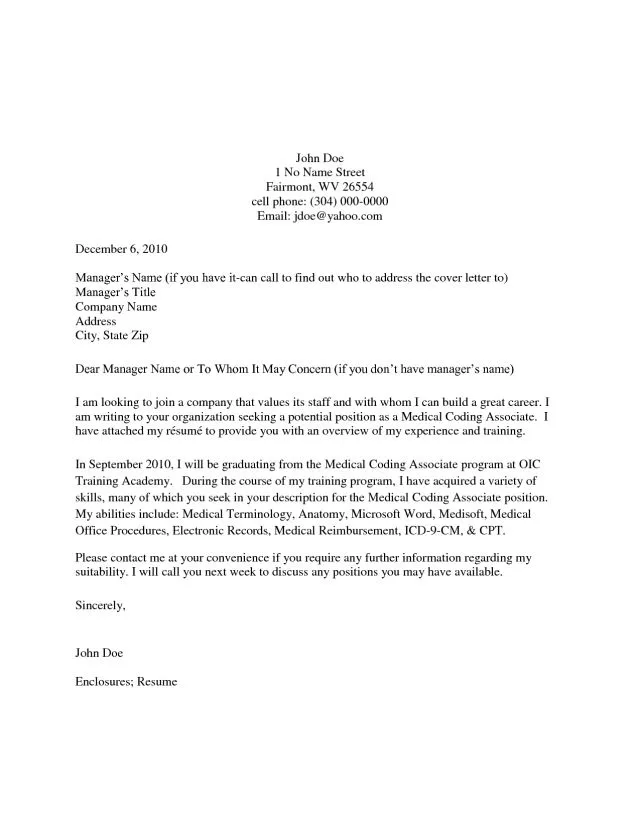
Cover Letter Secrets
The cover letter, often overlooked, is your first chance to make a lasting impression. It’s not just a formality; it’s your personal introduction, a snapshot of your professional self. A well-crafted cover letter can be the key that unlocks the door to an interview, while a poorly written one can swiftly land your application in the rejection pile. This article will help you unlock the secrets to writing a cover letter that stands out. These are not just tips but strategies designed to help you highlight your skills, showcase your personality, and ultimately, get you hired. In a crowded job market, every detail counts, and a compelling cover letter can be your greatest asset. Mastering these tips will give you a significant advantage and increase your chances of landing your dream job. The goal here is to ensure your cover letter resonates with the hiring manager and sets you apart from other applicants.
Highlight Your Skills
Your cover letter should be a showcase of your relevant skills. Don’t just list them; demonstrate how you’ve applied these skills in previous roles. Instead of stating ‘Proficient in Microsoft Office,’ describe a situation where you utilized these skills to achieve a positive outcome. This could be something like ‘Successfully used Excel to analyze data, leading to a 15% increase in efficiency.’ Focus on the skills the employer is looking for, based on the job description. Tailor your examples to match the specific requirements of the position, and always quantify your achievements whenever possible. This approach not only makes your letter more engaging but also provides concrete evidence of your capabilities. Remember to provide data on the performance of the skills and the impact on previous job roles to give the employer a clear picture.
Tailor to the Job Description

Generic cover letters are easily spotted and usually discarded. The most effective cover letters are those tailored to the specific job and company. Carefully read the job description and identify the key requirements and keywords. Then, align your skills and experiences to these points. Explain how your qualifications make you a perfect fit for the role. Research the company and demonstrate your understanding of their mission, values, and current projects. This shows that you’ve taken the time to learn about the company and are genuinely interested in the position. Address the specific needs of the employer and show them that you have the knowledge and experience they’re looking for. Demonstrating that your values align with their mission will make you stand out.
Show, Don’t Tell
Avoid making generic statements about your abilities; instead, use concrete examples. ‘I am a good communicator’ is less impactful than ‘I successfully led a team of five in a high-pressure project, resulting in a 20% increase in productivity through clear and consistent communication.’ Use the STAR method (Situation, Task, Action, Result) to structure your examples. This provides a clear narrative of your accomplishments. When describing your skills, use specific situations and results to demonstrate your effectiveness. Paint a picture of your past achievements that helps the reader understand your value as a potential employee. The goal is to create a strong impression without simply listing skills. Use this technique consistently throughout your cover letter.
Use Action Verbs
Action verbs make your cover letter dynamic and engaging. Instead of using passive phrases, start your sentences with strong, active verbs that convey your accomplishments. For example, use ‘Managed,’ ‘Developed,’ ‘Implemented,’ ‘Achieved,’ ‘Led,’ or ‘Created’ to describe your contributions. Action verbs not only add strength to your writing but also provide a clear and concise account of your past actions and responsibilities. This will help you convey your accomplishments more effectively and make your letter more compelling. Avoid passive verbs like ‘was responsible for’ or ‘assisted with.’ The choice of verbs can significantly change the tone and impact of your cover letter. Consider the keywords from the job description, and choose verbs that reflect your skills and the role’s requirements.
Proofread Carefully

Typos and grammatical errors can undermine your credibility and create a negative impression. Before submitting your cover letter, meticulously proofread it multiple times. Use a grammar checker, but also read the letter aloud to catch any awkward phrasing or sentences. Have a friend or colleague review your letter for a fresh perspective. Ensure your contact information is correct and up-to-date. A perfect cover letter reflects your attention to detail and professionalism. Even minor errors can make you appear careless. Always spell-check and grammar-check, and take the time to ensure it is polished and error-free. Proofreading is a critical step and can make a big difference in your application.
Keep It Concise
Hiring managers are busy. Keep your cover letter brief and to the point, ideally within one page. Focus on the most relevant information and avoid unnecessary details. Be clear and concise in your language. Use short, impactful sentences and paragraphs. Get straight to the point and avoid rambling. Highlight your key skills and experiences early on to capture the reader’s attention. A concise cover letter demonstrates respect for the reader’s time and shows that you can communicate efficiently. The goal is to effectively present your qualifications while remaining respectful of the hiring manager’s time constraints. Your writing should be clear, simple, and easy to understand.
Address the Right Person
If possible, address your cover letter to a specific person. This shows that you’ve done your research and are genuinely interested in the position. If the name of the hiring manager isn’t available, try to find it through LinkedIn or the company website. If you can’t find a name, it’s acceptable to use a professional greeting like ‘Dear Hiring Manager.’ Research the company’s culture and the specific person you’re addressing. A personalized greeting can make a great impact, setting a tone of professional respect. If you cannot find the name, make sure you format your letter in a professional manner. Making the extra effort to personalize your letter will show that you care about the role.
Closing

Your closing should be professional and action-oriented. Thank the reader for their time and consideration. Express your enthusiasm for the opportunity and reiterate your interest in the position. Include a clear call to action, such as ‘I look forward to hearing from you’ or ‘I am eager to discuss my qualifications in more detail.’ Reiterate your contact information and make it easy for the reader to get in touch with you. Maintain a positive and confident tone throughout the closing. Make it clear that you are interested in the opportunity and want to learn more. End with a strong closing statement to leave a lasting impression. A well-crafted closing reinforces your professionalism and desire for the job.