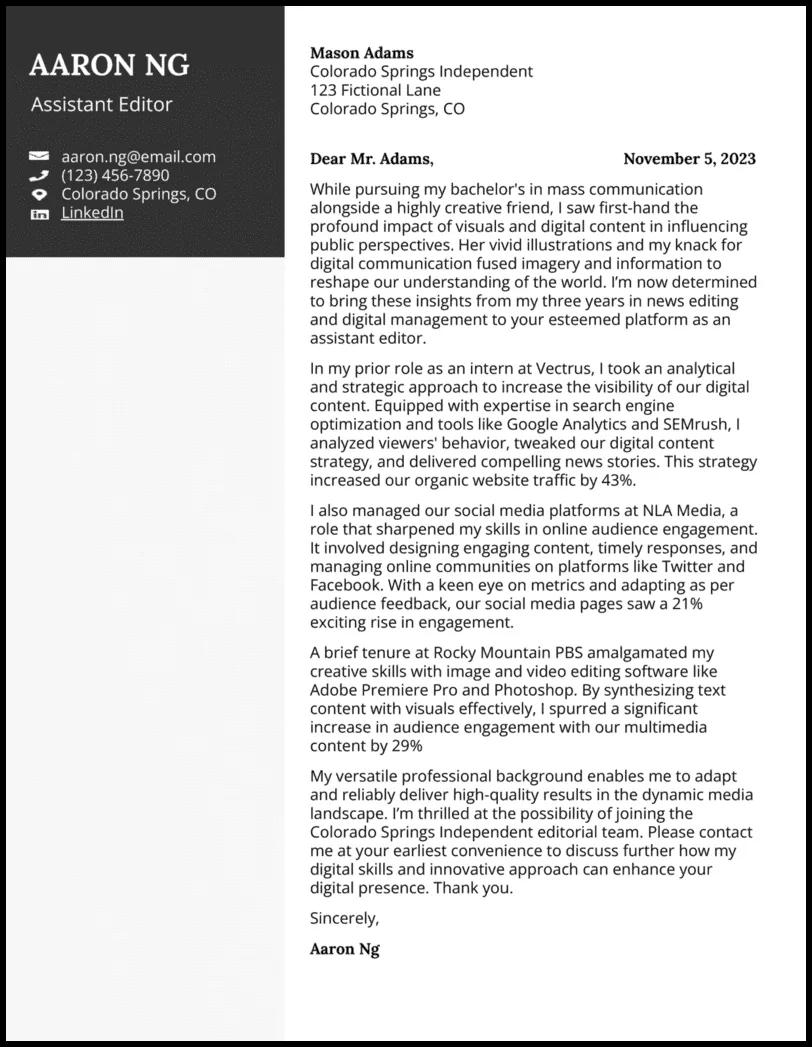
Cover Letter Secrets Top 5 Tips
Crafting a compelling cover letter is crucial for anyone looking to get their work published by editors. It’s your first impression, the opportunity to showcase your skills, and demonstrate why you’re the perfect fit for their publication. A well-written cover letter can significantly increase your chances of getting your articles noticed and accepted. This guide unveils the top five secrets to writing a cover letter that grabs an editor’s attention and sets you apart from the competition. By following these tips, you can transform your cover letter from a generic introduction into a powerful tool that opens doors to publishing opportunities. Remember, the goal is not just to submit a letter, but to make a connection and start a conversation about your work and the publication’s needs. Let’s dive into the secrets to make your cover letter shine!
Tip 1 Tailor Your Letter
Generic cover letters are easily identified and often discarded. The first secret to a successful cover letter is tailoring it specifically to the editor and the publication you’re targeting. This demonstrates that you’ve done your homework and understand the publication’s style, audience, and needs. Personalization shows respect for the editor’s time and effort and increases the likelihood that your letter will be read carefully. Customizing your letter also allows you to directly address any specific calls for submissions or areas of interest highlighted by the publication. Remember, a one-size-fits-all approach simply won’t cut it.
Highlight Relevant Skills and Experience

When tailoring your letter, carefully highlight the skills and experiences most relevant to the publication’s focus. This might include specific writing styles, subject matter expertise, or previous publishing experience. If you have experience in a particular niche that aligns with the publication’s content, be sure to emphasize it. Consider the editor’s perspective and what they’re looking for in a contributor. Clearly articulate how your skills and experience align with their needs, making it easy for the editor to see the value you bring. Be specific and provide concrete examples of your previous work.
Research the Publication and Editor
Before you start writing, thoroughly research the publication and, if possible, the editor you are addressing. Read several recent articles to understand the publication’s tone, style, and the types of content they publish. Look for any submission guidelines or preferences. If you can identify the editor’s name and their specific interests, you can further personalize your letter. Mentioning specific articles or authors you admire within the publication can also demonstrate your genuine interest and knowledge. This research phase is essential; it shows the editor that you are serious and have a good understanding of their publication’s needs.
Tip 2 Showcase Your Best Work
Your cover letter is also an opportunity to showcase your best work. Instead of simply listing your accomplishments, strategically select and highlight the writing samples that best align with the publication’s focus. Consider including links to published articles, blog posts, or other relevant writing. Your goal is to provide the editor with a glimpse of your capabilities and writing style. The samples should be well-written, error-free, and demonstrate your ability to meet the publication’s standards. Remember, quality over quantity; choose samples that make a strong impact.
Provide Clear and Concise Writing Samples

When including writing samples, make sure they are easy for the editor to access and review. Provide clear links or attach them as appropriate, following the publication’s guidelines. Ensure that the samples are well-formatted, with proper grammar, spelling, and punctuation. Highlight specific elements within the samples that align with the publication’s needs, such as a particular tone or style. If you have a portfolio or personal website, include a link to it in your cover letter. The editor should be able to quickly and easily assess the quality of your work.
Offer a Variety of Content
Offering a variety of content in your samples can show an editor your versatility and range as a writer. If you have experience writing in different genres or on various topics, include samples that showcase this. This could include news articles, opinion pieces, feature stories, or even creative writing if appropriate. Diversity in your portfolio can demonstrate your ability to adapt to different writing styles and audience expectations. It is important to align the content variety with the target publication. Don’t offer a sample that does not align with the publication’s focus.
Tip 3 Demonstrate Your Understanding
Demonstrating your understanding of the publication is crucial to showcasing that you’ve done your homework and have a genuine interest in writing for them. Mentioning specific articles, authors, or sections of the publication shows the editor that you are familiar with their content and understand their target audience. Furthermore, expressing your comprehension of the publication’s mission or values can help you establish a connection with the editor. Demonstrating this understanding shows that you are more than just a writer; you are a potential partner.
Proofread and Edit Meticulously

This might seem obvious, but one of the most important aspects of a cover letter is proofreading and editing it meticulously. Errors in grammar, spelling, or punctuation can create a negative impression and undermine your credibility. Before submitting your cover letter, carefully review it for any mistakes. Consider asking a friend or colleague to proofread it as well. Even small errors can make the difference between your letter being read and being immediately discarded. Ensure that the language is clear, concise, and professional. Remember, your cover letter is a reflection of your writing abilities.
Mention Specific Articles or Sections
Show the editor that you are familiar with their publication by mentioning specific articles or sections that you enjoy or find particularly interesting. This demonstrates that you’ve read their content and understand their style and audience. You can reference specific examples to show you understand what makes their publication unique. Mentioning the names of authors or the specific topics they cover further demonstrates your research and genuine interest. This detail can set you apart from others and make the editor feel that you would be a good fit for their team.
Tip 4 Personalize the Message
Personalizing your cover letter goes beyond simply addressing the editor by name. It involves showing genuine interest in the publication and demonstrating that you’ve taken the time to understand their needs. The goal is to create a personal connection and make a positive impression. This goes beyond the basic requirements and showcases your enthusiasm and passion for writing and the specific publication you are writing for.
Address the Editor by Name

Addressing the editor by name is a simple but effective way to personalize your cover letter. It shows that you’ve taken the time to find out who will be reading your submission. If you can’t find the editor’s name, try to address the letter to the appropriate department or team. Avoid generic greetings like ‘To Whom It May Concern.’ Always try to find the specific name of the editor. This simple step can make a significant difference in getting your letter noticed. This is the first impression.
Show Enthusiasm for the Publication
Expressing your enthusiasm for the publication is crucial. Explain what attracts you to their content, why you want to write for them, and what you can bring to the table. Demonstrate that you are genuinely interested in their work and that you would be thrilled to contribute. Reference specific articles or sections that you particularly enjoy. Expressing your admiration for the publication’s mission or values can also help establish a connection with the editor. Your enthusiasm should be genuine and not forced. This should come across naturally.
Tip 5 Follow Up Professionally
After submitting your cover letter and writing samples, it’s important to follow up professionally. This shows that you are committed to the process and that you value the editor’s time. However, it’s essential to balance persistence with professionalism. Following up too soon or too often can be counterproductive.
Send a Polite Follow-Up Email

If you haven’t heard back within a reasonable timeframe, send a polite follow-up email. In your email, briefly restate your interest and reference the submission. Keep the email concise and professional. Thank the editor for their time and consideration. Avoid being demanding or overly persistent. The goal is to remind the editor of your submission without being a nuisance. Include the original cover letter and writing samples, if needed. A well-crafted follow-up can demonstrate your professionalism and initiative.
Allow a Reasonable Response Time
Give the editor a reasonable amount of time to respond before you follow up. The timeframe can vary depending on the publication and their workload. Generally, allow at least two to three weeks before sending a follow-up email. If the publication has specific submission guidelines, they might specify a response time. Always respect the editor’s time and avoid being impatient. If you are unsure about the appropriate timeframe, a quick search online or in the publication’s guidelines should provide an answer. Be patient and persistent.