Understanding Cover Letter Types
Navigating the job market requires more than just a stellar resume, a well-crafted cover letter is your chance to shine, offering a personalized introduction and showcasing how your skills and experience align with the specific job requirements. Understanding the various cover letter types is crucial, because not every application demands the same approach. This guide will help you to know what the types are, and when to use each, optimizing your applications and enhancing your chances of landing an interview. Selecting the right cover letter type can be the secret weapon in your job search arsenal.
The Classic Cover Letter
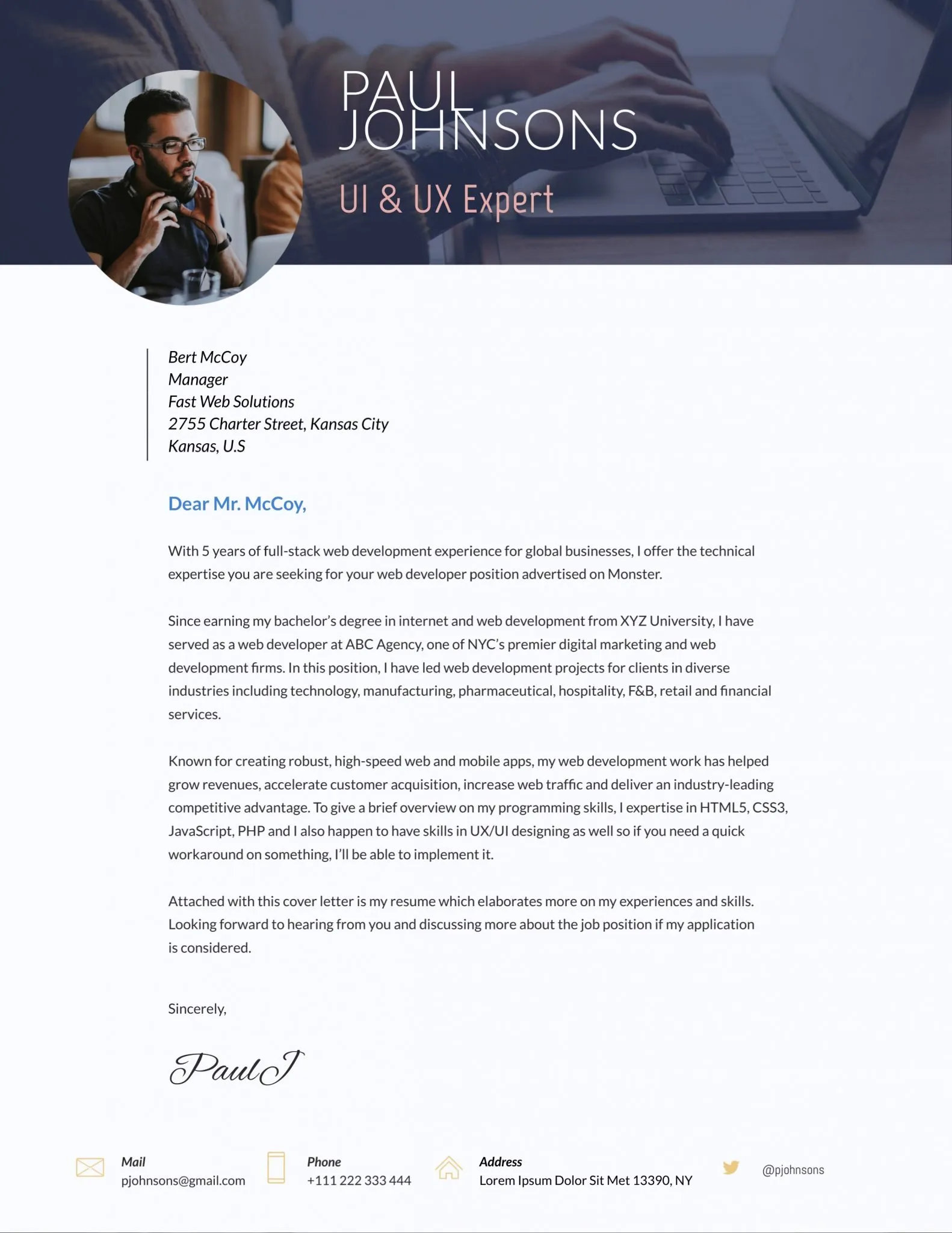
The classic cover letter is the traditional and most widely recognized format. It emphasizes your qualifications, experience, and enthusiasm for the position. Its straightforward and professional tone is ideal for most job applications, allowing you to present a clear and concise overview of your suitability for the role. This format is a safe bet for many applications.
When to Use a Classic Cover Letter

Use the classic cover letter when responding to a job posting that doesn’t specify a particular format. It’s suitable for positions where the employer seeks a traditional approach, or when applying to corporate or conservative environments. This type is particularly effective when you possess a broad range of relevant experience and skills that directly match the job requirements.
Format and Structure of a Classic Cover Letter
A classic cover letter follows a standard format, including your contact information, the date, the employer’s contact information, a professional greeting, a compelling opening paragraph, 2-3 body paragraphs detailing your qualifications, a closing paragraph that expresses interest and calls for action, and a professional closing. Be sure to proofread for any typos or formatting issues.
The Skills-Based Cover Letter
The skills-based cover letter prioritizes the skills and competencies you possess. It’s particularly beneficial if you’re changing careers, have gaps in your employment history, or lack direct experience in the specific job. This approach allows you to highlight transferable skills that align with the employer’s needs. It focuses on what you can do, rather than where you did it.
Highlighting Skills in a Skills-Based Cover Letter

Identify the key skills required for the job by carefully reviewing the job description. Focus on demonstrating how you’ve utilized those skills in previous roles or projects. Use specific examples to showcase your abilities, and quantify your achievements whenever possible. Provide examples that show the impact you have had, use the STAR method (Situation, Task, Action, Result) to structure the way you showcase your skills.
Key Sections for Skills Demonstration
Organize your skills-based cover letter by creating sections dedicated to each key skill. Start with a brief introductory paragraph that mentions the skill and then delve into specific examples demonstrating your proficiency. Each example should highlight the situation, your role, the actions you took, and the positive results achieved. Focus on 2 to 3 key skills at most to prevent overwhelming the reader.
The Storytelling Cover Letter
The storytelling cover letter uses a narrative approach to engage the reader. It allows you to weave a compelling story that connects your experiences, skills, and aspirations with the job opportunity. This method works particularly well when you want to showcase your personality and make a memorable impression. This is a great way to differentiate yourself, show your passion.
Creating a Narrative for Your Cover Letter

Think of your cover letter as a short story about your career journey. Begin by setting the scene – explaining your interest in the position and company. Next, describe a relevant experience, challenge, or achievement. Focus on the actions you took and the positive outcomes you achieved. The narrative should build to a conclusion that directly links your skills to the job’s requirements, and ends with a call to action.
Focusing on Personal Achievements
Emphasize your personal achievements and the impact of your work. Instead of simply listing your responsibilities, highlight the results you’ve delivered. Use metrics and quantifiable data to illustrate your successes. This could include sales figures, project completion rates, or process improvements. Showcase your value and provide a compelling reason for the employer to hire you.
The Networking Cover Letter
Networking cover letters are tailored to build connections with people in the industry. They are typically used when you’ve made contact with someone who can facilitate an introduction. The primary purpose is to express interest, initiate contact, and explore potential opportunities. Networking letters are more informal and personalized compared to other types.
Building Connections through Networking

Personalize the cover letter by mentioning the person who referred you and their connection to you. Refer to the conversation or interaction you had, showing you’ve taken the initiative. Explain your interest in the company and role, and briefly summarize your qualifications. Keep the focus on building a professional relationship and exploring possible opportunities.
Expressing Interest and Initiating Contact
Clearly state your interest in the company and any specific role you are targeting. Express your appreciation for the contact or referral. Mention the skills and experiences you can contribute, and offer to provide more information, such as a resume or portfolio, and a willingness to meet or speak. The goal is to initiate a conversation and demonstrate your genuine enthusiasm.
The Application Cover Letter
The application cover letter is the most common type, accompanying a resume when applying for a specific job. It serves to introduce you to the hiring manager, highlight relevant qualifications, and express your interest in the position. Tailoring this letter to the job description is essential to make a strong first impression.
Tailoring to Specific Job Requirements

Carefully review the job description and identify the key requirements, skills, and qualifications that the employer seeks. Structure your cover letter to directly address each of these requirements. Use the same keywords and phrases from the job description to demonstrate that you have the skills to match the role. Be clear and concise in your explanation and show how your skills align.
Showcasing Relevant Skills and Experience
Highlight the skills and experiences most relevant to the job. Use specific examples to show how you have successfully utilized these skills in the past. Provide concrete achievements and results that demonstrate your value to the company. Include a clear call to action to express your interest and request an interview.
Cover Letter Type Selection Guide
Choosing the right cover letter type can significantly increase your chances of landing an interview. Analyze the job posting, the company culture, and your own career goals to determine the best approach. Understanding your strengths and tailoring your application to match the employer’s needs are critical steps.
Matching Cover Letter Type with Job

If the job description is comprehensive, use the application cover letter. If you’re changing careers or have employment gaps, consider the skills-based approach. For networking, use a networking cover letter. The storytelling format works well in creative roles or companies that value personality. Adapt your approach depending on the company and industry.
Assessing the Employer’s Expectations
Research the company’s values, culture, and communication style. Review job postings, company websites, and social media pages to get a sense of their preferences. Check if there are specific instructions for applications and follow them exactly. Tailor your cover letter to match the company’s tone and what they value.
Reflecting your Profile in the Cover Letter
Present your unique value proposition. Highlight what makes you a great fit for the role and the company. Showcase your skills, experience, and accomplishments in the most relevant way. Demonstrate enthusiasm, and personalize your cover letter to stand out from other applicants. Consider your career goals and align your cover letter with those.
Common Cover Letter Mistakes
Avoiding common mistakes is critical for your cover letter’s effectiveness. These mistakes can significantly reduce your chances of getting noticed by hiring managers. Make sure to avoid any issues to present your best self.
Overusing Generic Phrases
Avoid generic phrases that sound impersonal, such as “I am writing to express my interest.” Instead, use unique and engaging opening lines that immediately capture the reader’s attention. Personalize the content to demonstrate your genuine interest and enthusiasm for the specific job and company. Show you’ve done your research and understand the role.
Poor Formatting and Layout
Poor formatting can detract from your cover letter’s message. Use a clean and professional font, such as Times New Roman, Arial, or Calibri. Ensure your cover letter is easy to read by using clear headings, bullet points, and ample white space. Proofread it carefully to ensure the formatting is consistent and error-free. Poor layout suggests lack of attention to detail.
Including Irrelevant Information
Focus on the information that directly relates to the job requirements. Avoid including irrelevant personal details or experiences that don’t align with the position. Highlight relevant skills and accomplishments, and avoid oversharing. Keep the focus on your value and what you can offer the employer. Stay focused and present a targeted message.
Cover Letter Best Practices
Implementing best practices helps you write an effective cover letter that increases your chances of getting a job. By adhering to the established standards, you can create a compelling introduction. Following these guidelines can set you apart from other candidates.
By knowing the different types of cover letters and how to write a great one, you can optimize your applications. Use these cover letter secrets and tips to get the job!