Cover Letter Secrets
Embarking on your job search as a fresh graduate can be both exhilarating and daunting. You’ve spent years honing your skills and acquiring knowledge, and now it’s time to translate that into a fulfilling career. One of the most critical tools in your arsenal is the cover letter. This document serves as your first impression, a chance to showcase your personality, enthusiasm, and qualifications. Mastering the art of the cover letter can significantly increase your chances of landing your dream job. This guide will unveil the secrets to crafting a compelling cover letter that captures the attention of recruiters and helps you stand out from the competition. We’ll delve into the essential components, formatting tips, and provide examples to equip you with the knowledge and confidence you need to succeed.
Understanding the Cover Letter’s Role
Before diving into the specifics, it’s essential to understand the purpose of a cover letter. It’s not merely a formality; it’s your opportunity to make a strong first impression and demonstrate your genuine interest in the role and the company. It allows you to elaborate on your resume, providing context and showcasing your personality, which a resume often can’t convey. A well-crafted cover letter can be the deciding factor in whether your application makes it to the interview stage. Recruiters often skim through hundreds of applications; a captivating cover letter is your ticket to getting noticed and securing an interview.
Why a Cover Letter Matters

In today’s competitive job market, a cover letter can be a make-or-break element of your job application. It allows you to personalize your application and demonstrate your unique value proposition. Recruiters want to see that you’ve taken the time to understand the role and the company. A cover letter provides the perfect platform for conveying this. It also gives you the space to explain any gaps in your resume or highlight experiences that may not be immediately obvious. By tailoring your cover letter to each job you apply for, you increase your chances of being selected for an interview and ultimately, landing the job.
Cover Letter vs. Resume
While your resume provides a concise overview of your skills and experience, the cover letter allows you to provide context, demonstrate your personality, and showcase your communication skills. Think of your resume as a summary and your cover letter as the narrative that brings your qualifications to life. The resume presents the ‘what’ – your skills, experiences, and education. The cover letter provides the ‘why’ – why you’re interested in the role, why you’re a good fit, and what you can bring to the company. The resume is a factual document; the cover letter is your chance to connect with the hiring manager on a more personal level.
Key Components of a Winning Cover Letter
A successful cover letter is built upon several key components that work together to create a compelling narrative. These elements ensure that your application is professional, engaging, and tailored to the specific job. Mastering these elements is crucial for making a positive impression on potential employers and securing that all-important interview. A well-structured cover letter will clearly state your purpose, showcase your relevant skills, and demonstrate your enthusiasm for the role and company.
Contact Information and Salutation

Start with your contact information, including your name, address, phone number, and email address. Then, address the hiring manager by name, if possible. Researching the hiring manager’s name shows initiative and attention to detail. If you can’t find a name, use a professional greeting like ‘Dear Hiring Manager.’ Avoid generic greetings like ‘To Whom It May Concern’ or ‘Dear Sir/Madam,’ as they lack a personal touch. Ensure your email address is professional; avoid using nicknames or informal language. This section sets the tone for professionalism and shows you’ve taken the time to personalize your application.
The Opening Paragraph: Grabbing Attention
The opening paragraph is your chance to grab the reader’s attention and make a strong first impression. Clearly state the position you’re applying for and how you found the job posting. Express your enthusiasm for the opportunity and the company. Consider starting with a compelling statement that captures the reader’s interest. This could be a brief highlight of a relevant achievement or a statement of your career goals. Avoid generic openings; instead, craft a paragraph that demonstrates your personality and shows you’ve researched the company and the role. The goal is to immediately demonstrate why you’re a good fit and why the hiring manager should continue reading.
Highlighting Relevant Skills and Experiences
The body of your cover letter should highlight your skills and experiences that are most relevant to the job description. Refer to the job posting and identify the key requirements. Then, provide specific examples of how your skills and experiences align with those requirements. Use the STAR method (Situation, Task, Action, Result) to provide context and demonstrate your accomplishments. Quantify your achievements whenever possible, using numbers and data to illustrate your impact. Tailor this section to each job; avoid a generic, one-size-fits-all approach. Remember, this is your opportunity to showcase your value to the potential employer.
Tailoring to the Job Description

Each cover letter should be tailored to the specific job and company. Carefully read the job description and identify the key requirements. Then, structure your cover letter to address these requirements directly. Use the same keywords and phrases that are used in the job description, but don’t just repeat them. Instead, weave them naturally into your narrative, demonstrating how your skills and experiences align with the company’s needs. This shows that you understand the role and have the skills to succeed. Research the company and mention specific projects, values, or initiatives that resonate with you. Demonstrate that you’ve done your homework and are genuinely interested in the opportunity.
Showcasing Academic Achievements
As a fresh graduate, your academic achievements are an important part of your professional profile. Highlight relevant coursework, projects, and any academic awards or honors you’ve received. If your academic work directly relates to the job, be sure to emphasize it. If you completed a thesis or dissertation, provide a brief overview and explain its relevance. Mention any research experience, publications, or presentations you’ve been involved in. Even if your academic background isn’t directly related to the job, you can still highlight transferable skills like critical thinking, problem-solving, and research. The goal is to demonstrate your intellectual capacity and your ability to learn and apply new information.
Quantifying Accomplishments
Whenever possible, quantify your accomplishments. Use numbers, data, and specific examples to demonstrate your impact. Instead of saying ‘I improved customer satisfaction,’ say ‘I increased customer satisfaction by 15% through implementing a new support system.’ Quantifying your achievements makes them more tangible and demonstrates your ability to deliver results. Even if you don’t have direct work experience, you can still quantify your achievements. For example, if you led a student organization, you can state how many members you managed, how many events you organized, or how much money you raised. Quantifiable results speak volumes and help recruiters see the value you can bring to their team. This is where many cover letters for fresh graduates fall short, so make sure to differentiate yourself by quantifying your skills.
The Closing Paragraph: Call to Action

Your closing paragraph should reiterate your interest in the position and express your enthusiasm for the opportunity. Thank the hiring manager for their time and consideration. Include a clear call to action, such as ‘I am eager to discuss my qualifications further in an interview.’ Make it easy for the hiring manager to contact you. Provide your phone number and email address again. Proofread this section carefully to ensure it’s error-free and professionally written. A strong closing paragraph leaves a positive lasting impression and encourages the hiring manager to take the next step.
Formatting and Proofreading
Formatting and proofreading are crucial aspects of a winning cover letter. Your cover letter should be easy to read, visually appealing, and free of errors. These elements convey professionalism and attention to detail, which are essential for making a positive impression on recruiters. A well-formatted and proofread cover letter is more likely to be read carefully and considered favorably.
Font Selection and Readability
Choose a professional and easy-to-read font, such as Times New Roman, Arial, or Calibri. Use a font size between 10 and 12 points. Use appropriate spacing and margins to create a clean and organized layout. Avoid using excessive bolding, italics, or underlining, as they can make your cover letter look cluttered. Keep the tone and style consistent throughout your cover letter. The goal is to create a document that is both visually appealing and easy for the reader to navigate. A well-formatted cover letter shows that you are organized and pay attention to detail.
Proofreading for Errors

Proofreading is one of the most important steps in writing a cover letter. Errors, such as typos, grammatical mistakes, and punctuation errors, can undermine your credibility and give the impression that you are careless or unprofessional. Read your cover letter carefully, and consider asking a friend, professor, or career counselor to review it. Use spell-check and grammar-check tools, but don’t rely on them entirely. These tools may not catch all errors. Check for consistency in your writing style and formatting. Take your time and proofread your cover letter multiple times. A perfect, error-free cover letter demonstrates your attention to detail and your commitment to quality.
Cover Letter Examples
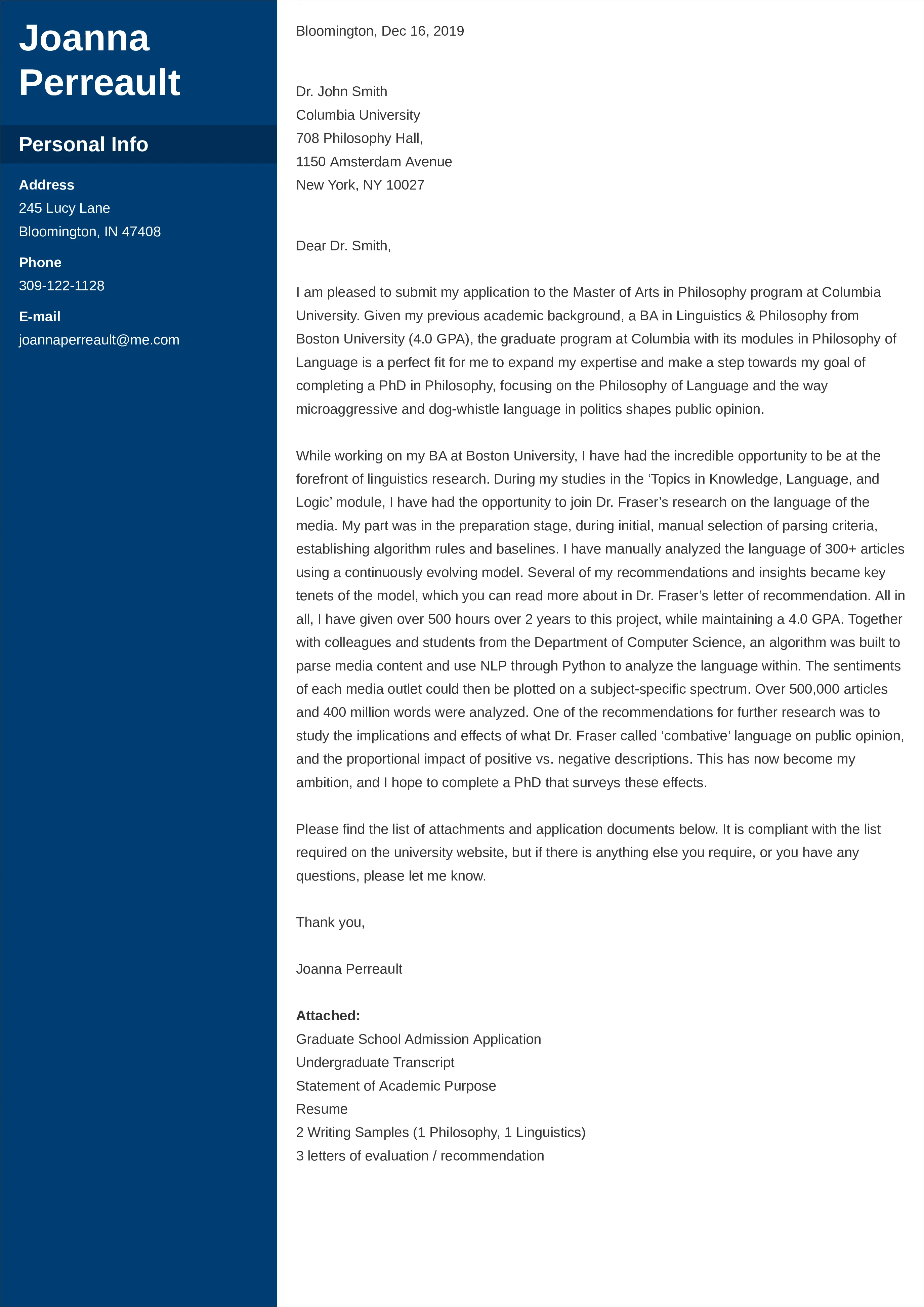
Reviewing cover letter examples can provide valuable insights into how to structure and write your own. These examples can help you understand the best practices and tailor your cover letter to your specific needs. Use these examples as a starting point, but be sure to customize them to reflect your unique experiences and qualifications. Remember, your cover letter should be personal and reflect your individual brand. Here are a couple of cover letter examples you can use as inspiration when drafting your own:
Example Cover Letter 1
This example would highlight a recent graduate with a strong academic background in software engineering applying for a junior developer role. It would demonstrate how to showcase relevant coursework, projects, and technical skills, emphasizing practical application and problem-solving abilities.
Example Cover Letter 2

This example would focus on a fresh graduate with limited work experience applying for an entry-level marketing position. It would highlight transferable skills gained through extracurricular activities and volunteering, showcasing enthusiasm and potential to learn and grow within the company.
Frequently Asked Questions
Here are some of the most common questions that fresh graduates have about writing cover letters.
What if I have no experience?
If you have limited or no work experience, focus on highlighting your academic achievements, projects, extracurricular activities, and transferable skills. Showcase your enthusiasm for the role and your willingness to learn. Mention any internships, volunteer work, or relevant coursework. Emphasize your potential and your eagerness to contribute to the company.
How long should a cover letter be?
Generally, a cover letter should be no more than one page long. Aim for three to four paragraphs that are concise and to the point. The goal is to convey your qualifications and enthusiasm without overwhelming the reader. Be clear, concise, and focus on what matters most.
What should I avoid in a cover letter?
Avoid clichés, overly formal language, and generic statements. Do not simply restate your resume. Avoid mentioning salary expectations unless specifically requested. Never include negative information about previous employers. Proofread carefully to avoid errors. The focus should always be on your strengths and how you can contribute to the company.
In conclusion, a well-crafted cover letter is your secret weapon in the job search. It’s your chance to make a strong first impression, showcase your skills and qualifications, and demonstrate your enthusiasm for the role and company. By following the tips and guidelines outlined in this guide, you can create a cover letter that helps you stand out from the competition and land your dream job. Remember to tailor each cover letter to the specific job you’re applying for and always proofread carefully. Good luck, and happy job hunting!