Crafting a Winning Cover Letter
In the competitive landscape of job applications, a well-crafted cover letter is your secret weapon. More than just a formality, it’s your first opportunity to make a strong impression on a potential employer. A cover letter allows you to showcase your personality, highlight your key skills, and demonstrate your genuine interest in the role and the company. This guide reveals the secrets to creating a cover letter that not only stands out but also compels the hiring manager to take notice. From understanding its purpose to mastering the art of tailoring and formatting, we’ll equip you with the knowledge and tools to make your application unforgettable. Let’s begin the journey of turning your job application into a success story.
Understanding the Purpose of a Cover Letter
The primary purpose of a cover letter extends beyond simply reiterating your resume. It serves as a dynamic introduction, allowing you to frame your qualifications and experiences in a way that directly addresses the specific needs and requirements of the job. It’s your chance to connect with the hiring manager on a personal level, demonstrating your enthusiasm and explaining why you’re the perfect fit. A well-written cover letter should tell a story – a narrative of your career journey that highlights your achievements and showcases your value proposition. It also allows you to address any gaps in your resume or explain career transitions, offering context and clarity that a resume alone cannot provide. A great cover letter will make your application stand out.
Highlighting Your Key Skills and Experiences

Your cover letter is the ideal platform to spotlight the skills and experiences most relevant to the job. Instead of simply listing your qualifications, use this space to provide specific examples of how you’ve utilized those skills to achieve tangible results. Quantify your achievements whenever possible – for example, “Increased sales by 15%” or “Managed a team of 10 employees.” By providing concrete examples, you demonstrate your ability to translate skills into success. Carefully review the job description and identify the key skills and requirements. Then, structure your cover letter to directly address those needs, explaining how your past experiences align with the position’s demands. This targeted approach shows the hiring manager that you understand the role and are well-equipped to succeed. Be sure to keep your focus on those skills, and showcase the value that you can add to the organization.
Researching the Company and the Role
Thorough research is the cornerstone of a compelling cover letter. Before you start writing, delve deep into the company’s mission, values, and recent activities. Explore their website, social media channels, and news articles to gain a comprehensive understanding of their culture and goals. This research will enable you to tailor your cover letter to their specific needs, demonstrating that you’ve taken the time to understand their business. In your cover letter, mention specific projects, initiatives, or values that resonate with you. This shows genuine interest and a proactive approach. Moreover, research the role itself. Understand the responsibilities, required skills, and reporting structure. This insight will help you tailor your experiences, providing relevant examples to illustrate your ability to perform the job effectively. Showing that you’ve done your homework sets you apart from other applicants.
Tailoring Your Cover Letter to the Job
Generic cover letters are easily dismissed. The key to success is customization. Treat each cover letter as a unique piece of writing, tailored to the specific job and company. Start by carefully reviewing the job description and identifying the key requirements. Then, align your skills and experiences to those needs, using relevant keywords and phrases. Avoid using a standard template. Instead, rewrite your cover letter each time, emphasizing the aspects of your background that are most relevant to the specific role. Address the hiring manager by name whenever possible (researching the contact person on LinkedIn or the company website), and make sure to mention something specific about the company that interests you. The more customized your letter, the more likely it is to capture the hiring manager’s attention. The goal is to show that you are not just sending a generic application but have a genuine interest in the position and the company.
Formatting Your Cover Letter for Readability

Effective formatting is crucial for readability. A well-formatted cover letter is easy on the eyes and enhances your professionalism. Use a clean, readable font like Arial, Calibri, or Times New Roman, and maintain a font size between 10 and 12 points. Employ a consistent font throughout the document. Use a standard one-inch margin on all sides. Properly space your paragraphs and avoid long blocks of text. Break up your content into short, concise paragraphs to improve readability. Use bullet points to highlight key accomplishments or skills. Make sure to properly align your text, either left-aligned or justified, and ensure that your cover letter is well-structured with clear headings and subheadings. These formatting choices contribute to a polished and professional presentation, making it easier for the hiring manager to quickly grasp the key points of your application. The overall objective is that your cover letter sample is well-structured for an easy read.
Choosing the Right Tone and Voice
The tone and voice of your cover letter play a significant role in how your application is perceived. Your tone should be professional and enthusiastic, showing genuine interest in the role and the company. While maintaining a professional tone, it’s also important to let your personality shine through. Avoid sounding overly formal or robotic. Instead, use a tone that reflects your authentic self. Your voice should be confident, but not arrogant. Show your strengths without overstating your abilities. Adjust your tone to align with the company culture. If the company has a casual atmosphere, you can be slightly less formal in your writing. If the company is more conservative, ensure your tone is correspondingly professional. The goal is to strike a balance between professionalism, personality, and enthusiasm, making your cover letter sample engaging.
Essential Elements of a Compelling Cover Letter
A compelling cover letter incorporates several essential elements. Start with your contact information, including your name, phone number, email address, and LinkedIn profile (if you have one). Next, include the date and the hiring manager’s name and title. The opening paragraph should grab the reader’s attention, stating your purpose and expressing your enthusiasm for the role. The body paragraphs should showcase your relevant experience, skills, and achievements, supported by specific examples. Be sure to show how your skills and experience match the job requirements. The closing paragraph should summarize your interest, reiterate your value, and include a call to action, such as expressing your eagerness for an interview. Maintain a professional and positive tone throughout. Proofread the cover letter carefully for any errors in grammar, spelling, and punctuation. Ensure the letter is tailored, well-formatted, and that it provides a clear and compelling reason for the hiring manager to consider your application.
Opening and Closing Statements

Your opening and closing statements are critical. The opening paragraph should immediately grab the reader’s attention, setting the tone for the rest of the letter. Instead of starting with a generic statement, make a strong, clear statement about why you are applying and why you are the perfect fit for the job. In the closing paragraph, summarize your main points and reiterate your interest in the position. Avoid using clichés like “Thank you for your consideration.” Instead, express your enthusiasm for the opportunity and a call to action. For example, mention your willingness to discuss your qualifications further. End on a positive note, leaving the hiring manager with a clear impression of your value. The goal is to make the hiring manager remember you.
Body Paragraphs Showcasing Your Value
The body paragraphs are the core of your cover letter, providing the space to showcase your value. Each paragraph should focus on a specific aspect of your experience or skill set. Provide concrete examples of your achievements and responsibilities. Instead of merely listing your duties, describe your accomplishments and how you contributed to previous employers’ success. Use the STAR method (Situation, Task, Action, Result) to structure your examples. For instance, start with the situation, describe the task, explain the action you took, and then highlight the result. This method provides a clear and compelling narrative, demonstrating your skills and capabilities. Keep your paragraphs concise and focused, highlighting the most relevant information to the job requirements. The key is to demonstrate your value, showing how your qualifications will contribute to the success of the hiring organization. Make sure you are providing a great cover letter sample.
Quantifying Your Achievements
Quantifying your achievements is a powerful way to demonstrate your impact and add credibility to your cover letter. Instead of using vague statements like “Managed projects,” use concrete numbers to illustrate your success, such as “Managed 10+ projects, resulting in a 20% increase in efficiency.” Whenever possible, use metrics and data to show the tangible outcomes of your work. Consider the job description and determine what metrics are most important to the role. Focus on quantifiable results that directly align with the company’s goals. For instance, if the role requires sales experience, quantify your sales achievements. If the job requires project management, provide data on the projects’ success and efficiency. Quantifying your achievements shows the hiring manager the real value you bring to the table.
Proofreading and Editing Your Cover Letter

Proofreading and editing are essential steps in creating a polished cover letter. Even small errors can make a negative impression. Always proofread your cover letter multiple times, checking for grammatical errors, spelling mistakes, and punctuation issues. Read your cover letter sample out loud, as this can help you catch any awkward phrasing. Consider having a friend, family member, or career counselor review your cover letter for any errors or areas for improvement. Pay close attention to the formatting, ensuring consistency and readability. Make sure to check for any typos. Poor grammar and spelling can undermine your credibility. Correct all errors before submitting your application. A well-proofread and edited cover letter reflects your attention to detail and professionalism. It shows the hiring manager that you care about the application.
Formatting and Saving Your Cover Letter as PDF
Formatting and saving your cover letter sample as a PDF is vital. The PDF format ensures that your formatting remains consistent regardless of the recipient’s software or operating system. When saving your cover letter, use a professional file name, such as “YourName_CoverLetter”. Make sure the document is properly formatted and that your font choices and layout are consistent. Check the layout to confirm all text is aligned correctly and that there are no unexpected page breaks. Before saving, preview the PDF to verify that all elements are displayed correctly. This step guarantees your document presents a professional appearance and enhances readability. Saving your cover letter as a PDF ensures that your application is consistent, and the hiring manager will receive your cover letter exactly as you intended.
Key Sections to Include in Your Cover Letter
The key sections to include in your cover letter sample are as follows: Begin with your contact information, including your full name, phone number, email address, and LinkedIn profile URL. Next, include the date and the hiring manager’s name and title, if known. Then, start with a compelling opening paragraph, stating the role you are applying for and expressing your enthusiasm. In the body of the cover letter, highlight your key skills and experiences, showcasing relevant achievements supported by data. Include specific examples and use the STAR method to illustrate your value. Close the cover letter by reiterating your interest, summarizing your key qualifications, and including a call to action, such as requesting an interview. Make sure to proofread the letter thoroughly and save it as a PDF to maintain consistency. All of these sections must be included in your cover letter sample.
Contact Information and Date

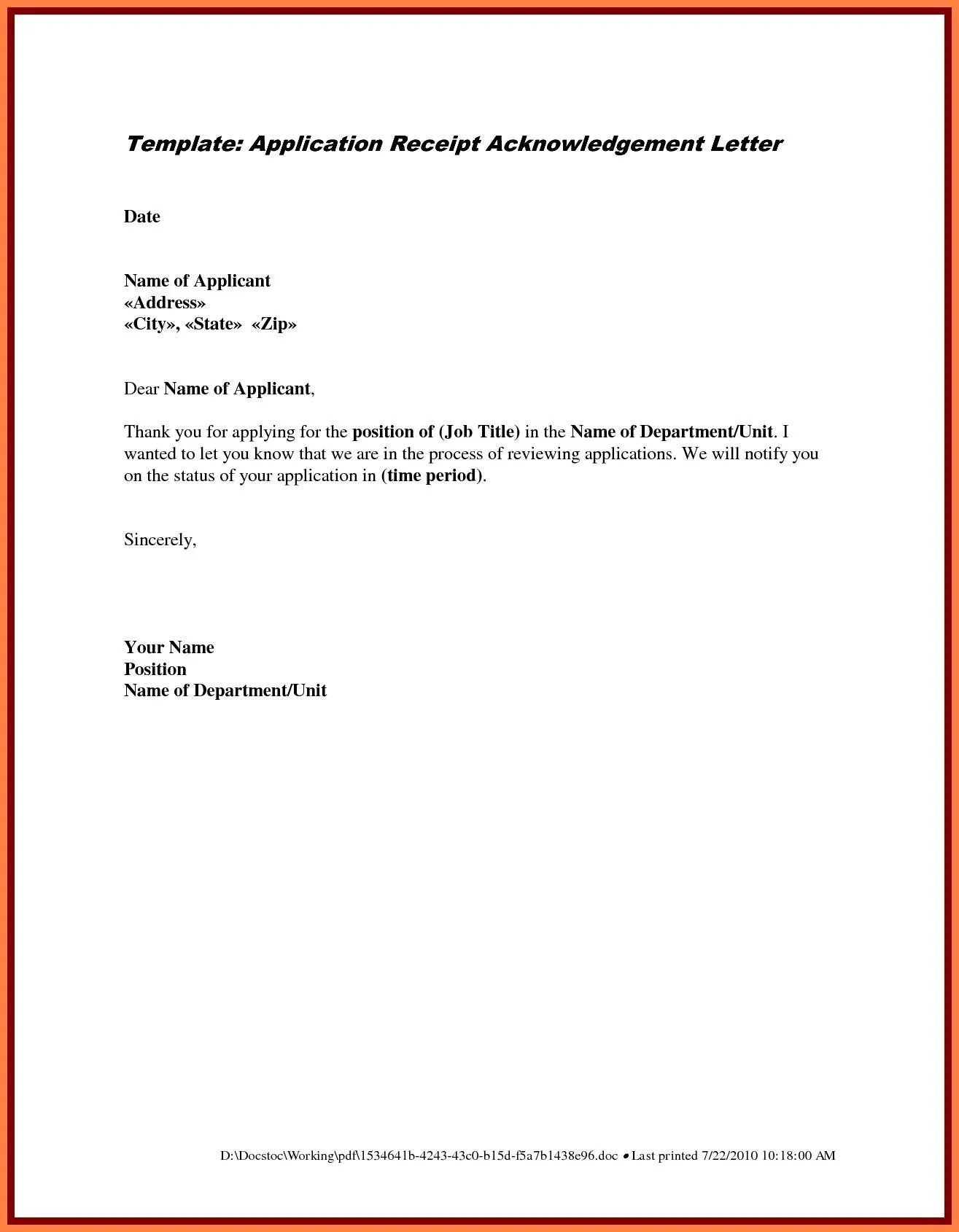
At the top of your cover letter sample, include your contact information. This typically includes your full name, phone number, email address, and LinkedIn profile URL (if you have one). Place this information at the top left or right corner of the document. Following your contact information, include the date. Then, provide the hiring manager’s name and title. If the name is not available, you can use the general title (e.g., “Hiring Manager”). Proper contact information and date, along with the hiring manager’s details, are important for professional application.
Salutation: Addressing the Hiring Manager
The salutation is your first opportunity to connect with the hiring manager. Ideally, address the hiring manager by name, using “Mr.,” “Ms.,” or “Dr.” followed by their last name. Research the name and title through LinkedIn or the company website to confirm the correct spelling and title. Using the hiring manager’s name shows that you have taken the time to personalize your application. If the name is not available, use a professional salutation like “Dear Hiring Manager.” Avoid generic salutations such as “To Whom It May Concern.” The goal is to establish a professional, respectful tone from the very beginning. Make sure you are showing proper respect to the hiring manager.
Paragraph 1 The Hook: Why You?
The first paragraph is your hook. It’s your chance to immediately grab the reader’s attention and make them want to read more. Clearly state the position you’re applying for and how you found the opportunity. Then, give a brief and compelling reason why you are interested in the role and the company. Highlight your most relevant skill or achievement. Expressing your enthusiasm and showcasing a key accomplishment will make a strong first impression. Make sure you briefly show your value. Do not waste any time getting to the point, show why you are applying. The first paragraph should be an engaging introduction and show why you are a great fit.
Paragraph 2-3: Showcasing Relevant Experience and Skills

The body paragraphs are where you showcase your relevant experience and skills. In these paragraphs, provide specific examples of your past accomplishments. Use the STAR method to structure your examples: Describe the Situation, the Task, the Action you took, and the Result. Focus on experiences that directly relate to the job requirements. Quantify your achievements whenever possible. Use metrics and data to demonstrate the tangible outcomes of your work. If the job requires project management, provide data on project success and efficiency. Use strong action verbs to describe your responsibilities and achievements. Make sure you are being clear on your value and what you can contribute to the organization. Showing relevant experience and skills in a cover letter is a great way to get the job.
Paragraph 4-5: Demonstrating Your Interest and Enthusiasm
In the final body paragraphs, demonstrate your genuine interest and enthusiasm for the role and the company. Show you’ve researched the company by mentioning specific projects, initiatives, or values that resonate with you. Explain why you are drawn to their mission and what you hope to contribute. Highlight how your skills and experiences align with the company’s values. Make sure you’re showing your enthusiasm, but keep it within the boundaries of professionalism. By highlighting your genuine interest and enthusiastic attitude, you will significantly enhance the impression on the hiring manager. Show why you want to be part of the organization.
Concluding Your Cover Letter
The concluding paragraph summarizes your interest in the position and reiterates your value to the company. Reiterate your key qualifications. Express your enthusiasm for the opportunity and thank the hiring manager for their time and consideration. Include a call to action, such as stating your availability for an interview. End on a positive and professional note, leaving a memorable impression. Proofread the entire cover letter one last time. The conclusion provides a lasting impression and reinforces your commitment to the role. A strong ending will make you more memorable for the hiring manager.
The Benefits of a Well-Crafted Cover Letter
A well-crafted cover letter offers numerous benefits. It allows you to introduce yourself in a more personal way than your resume, enabling you to create a good impression. It provides an opportunity to showcase your personality, highlighting your unique skills and experiences. A compelling cover letter demonstrates your genuine interest and enthusiasm, setting you apart from other applicants. It allows you to tailor your application to a specific job or company, increasing your chances of getting noticed. Most importantly, a well-written cover letter increases your chances of getting an interview. By showcasing your qualifications and expressing your value to the hiring manager, you significantly enhance the probability of advancing to the next stage of the hiring process. A great cover letter is a huge advantage.
Examples of Effective Cover Letter Phrases
Using effective phrases can significantly enhance your cover letter. Consider these examples: “I am writing to express my enthusiastic interest,” “I am eager to contribute,” “My skills align perfectly with the requirements,” “In my previous role, I successfully…,” “I am confident I can make a significant contribution.” When describing achievements, use phrases such as “Increased sales by…,” “Managed a team of…,” or “Improved efficiency by…” Always focus on results and use strong action verbs. Tailor your phrases to align with the specific job requirements. By using a combination of these phrases, you can elevate your chances of creating a compelling cover letter that reflects your value and abilities.
Avoiding Common Cover Letter Mistakes
Avoiding common mistakes is essential for a successful cover letter. One of the most significant mistakes is sending a generic cover letter. Tailor each letter to the specific job. Another common mistake is grammatical errors and typos. Always proofread. Avoid using clichés and being overly formal or informal. Avoid simply restating your resume. Instead, provide more details, show your experience, and show what you can do. Don’t include information that is irrelevant to the job or the company. Over-exaggerating your skills is another mistake. Always stay truthful. The goal is to create a professional, well-written document.
Using Keywords to Optimize Your Cover Letter
Optimize your cover letter for success by strategically incorporating relevant keywords. Carefully review the job description, and identify the key skills, qualifications, and phrases. Then, seamlessly integrate these keywords into your cover letter. Use the job title and other relevant terms naturally throughout the text. When possible, incorporate keywords into the examples of your achievements, showing how your skills align with the requirements. This approach not only makes your cover letter more attractive to the hiring manager but also can help your application get past applicant tracking systems. The goal is to make your cover letter both appealing to humans and optimized for automated screening processes.
Tools and Resources for Cover Letter Creation
Several tools and resources can help you create a compelling cover letter. Online cover letter builders offer templates and guidance, streamlining the writing process. Grammarly and other online tools help you identify and fix grammatical errors. Reviewing cover letter samples from your field will give you inspiration. Career counselors and resume writers can offer personalized feedback and advice. Use these resources to ensure your cover letter is tailored, well-written, and optimized for success. When used properly, these tools and resources will result in a great cover letter.