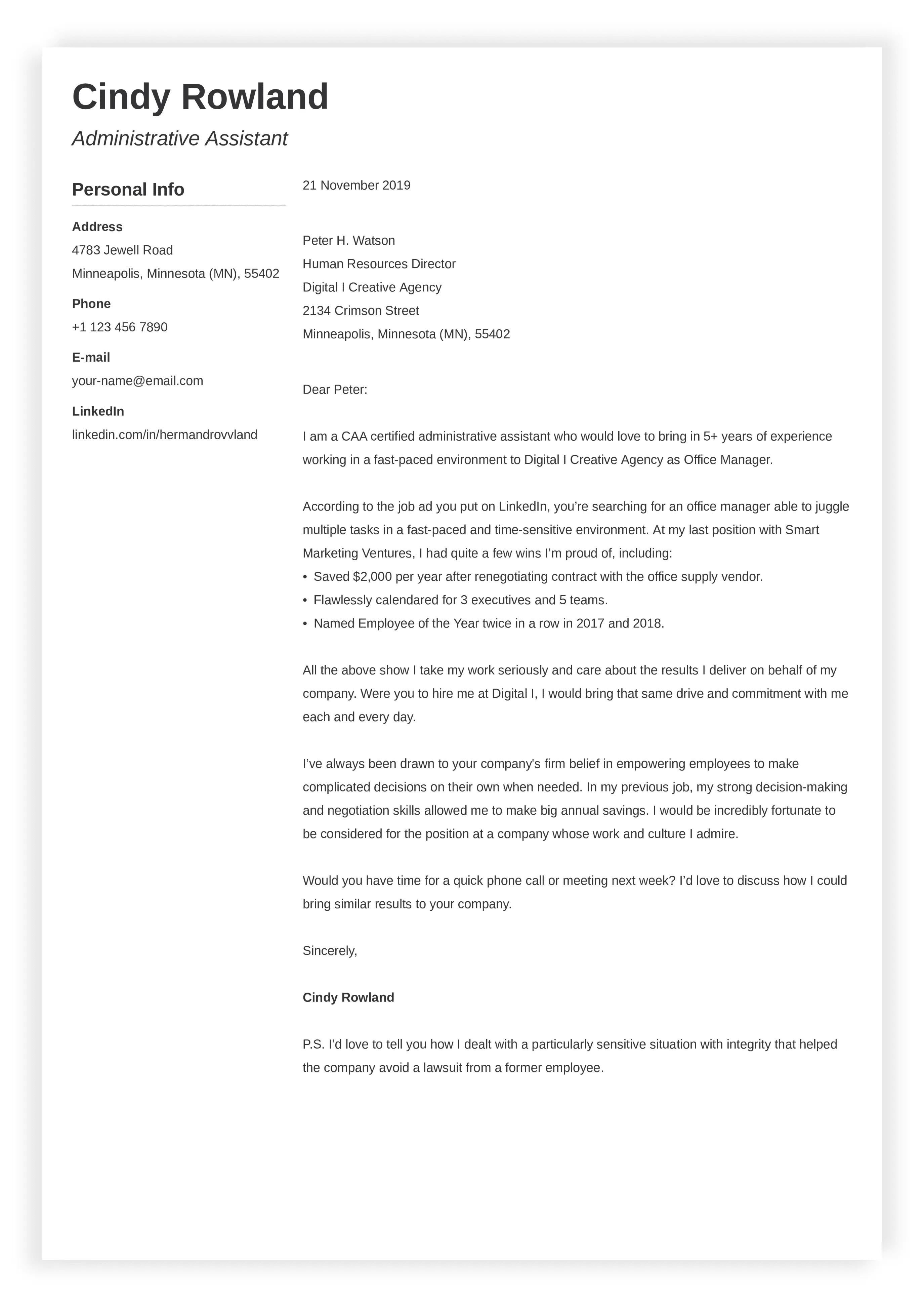
The Power of a Cover Letter
In the competitive world of job hunting, a cover letter is often your first and sometimes only chance to make a strong impression. It’s more than just a formality; it’s your opportunity to showcase your personality, skills, and enthusiasm for a specific role and company. A well-crafted cover letter can significantly increase your chances of landing an interview, while a poorly written one can lead to your application being immediately discarded. This guide will explore the secrets to crafting a cover letter that not only gets you noticed but also helps you get hired faster, by highlighting your unique value proposition and demonstrating a genuine interest in the position.
Why a Cover Letter Matters
Many job seekers underestimate the importance of a cover letter, often viewing it as a redundant document. However, a cover letter serves several crucial purposes that a resume alone cannot. Firstly, it allows you to provide context for your resume, explaining why you are the perfect fit for the job. It allows you to connect your skills and experience to the specific requirements of the role and demonstrate your understanding of the company’s needs. Secondly, it gives you the chance to express your personality and passion, which can help you stand out from other applicants. This personal touch can be the deciding factor in a hiring manager’s decision, especially in a crowded applicant pool. A cover letter should be seen as a personal introduction and a way to advocate for yourself.
Crafting a Compelling Cover Letter

Creating a compelling cover letter involves more than just summarizing your resume; it’s about telling a story. The best cover letters immediately capture the reader’s attention and maintain their interest throughout. This is achieved by demonstrating your knowledge of the company, highlighting relevant skills and experiences, and showing genuine enthusiasm for the position. The letter should be concise, focused, and tailored to the specific job you’re applying for. Avoid generic language and instead, use specific examples and achievements to demonstrate your capabilities and explain why you are the ideal candidate for the role, emphasizing the value you can bring to the company.
Understanding the Job and Company
Before you start writing, thoroughly analyze the job description. Identify the key requirements, skills, and responsibilities that the employer is looking for. Use this information to tailor your cover letter, ensuring that you address each point and demonstrate how your experience aligns with their needs. Researching the company is equally important. Understand their mission, values, and recent achievements. This will allow you to write a cover letter that resonates with the employer and showcases your understanding of their business and culture. Failing to do this will make you look like you are sending the same letter for multiple positions, which decreases your chances of getting hired.
Researching the Company Culture
Understanding a company’s culture is more than just reading their mission statement. Explore their website, social media profiles, and any news articles or reviews about the company. Look for clues about their values, work environment, and employee interactions. This research will inform your writing, allowing you to align your tone and style with the company’s culture. Demonstrating your understanding of their values can show the hiring manager that you are a good cultural fit, a significant factor in the hiring process. Tailor your language and examples to align with the company’s personality, whether it’s formal, innovative, or team-oriented, to make a lasting impression.
Tailoring Your Cover Letter

Generic cover letters are easily spotted and often lead to rejection. Each cover letter should be customized to the specific job and company. Begin by addressing the hiring manager by name, if possible. Then, clearly state the position you are applying for and how you found it. The body of your letter should then focus on the specific requirements of the job description, highlighting your relevant skills and experiences. Use specific examples of your achievements, using quantifiable results whenever possible. Demonstrate how your skills align with the company’s needs and express your genuine interest in the role and the organization. This tailored approach ensures that your cover letter is relevant and impactful.
Highlighting Relevant Skills
Your cover letter should be a showcase of your skills, emphasizing those that align with the job requirements. Review the job description carefully and identify the key skills the employer is looking for. Then, provide concrete examples of how you’ve used those skills in the past to achieve positive results. This may include providing a few sentences detailing a project, accomplishment, or challenge you overcame. Instead of simply listing your skills, demonstrate them. For instance, if the job requires strong communication skills, provide an example of how you effectively communicated with a team, a client, or a superior to achieve a specific goal. Provide examples and be specific to demonstrate your abilities.
Quantifying Your Achievements
Whenever possible, quantify your achievements to provide concrete evidence of your skills and contributions. Use numbers and data to demonstrate your impact in previous roles. For example, instead of saying “Improved customer satisfaction,” say “Increased customer satisfaction by 15% through implementing a new feedback system.” Quantifiable results make your claims more credible and demonstrate your ability to deliver tangible outcomes. This approach not only highlights your successes but also gives the hiring manager a clear understanding of the value you can bring to their organization. Data-driven information leaves no doubt on the value you bring to the table.
Showcasing Your Personality

While professionalism is essential, your cover letter should also allow your personality to shine through. Let your enthusiasm and passion for the role and company come through in your writing. This doesn’t mean being overly informal, but using a tone that reflects your genuine interest can make you more memorable. Share something unique about yourself that aligns with the company’s culture or values. This might involve mentioning a relevant hobby, a personal project, or a unique skill. Your goal is to make a connection with the reader and demonstrate that you are not just a qualified candidate but also someone they would enjoy working with. Injecting personality helps you get noticed and remembered.
Cover Letter Structure
A well-structured cover letter is easy to read and allows the hiring manager to quickly grasp your key qualifications. The standard structure includes an opening paragraph, body paragraphs, and a closing paragraph. Each section plays a critical role in conveying your message and making a positive impression. The opening paragraph grabs the reader’s attention and states your purpose. The body paragraphs provide evidence of your skills and experience. The closing paragraph reinforces your interest and calls for action. Following a clear structure ensures your cover letter is both informative and persuasive.
Opening Paragraph Tips
The opening paragraph is your chance to make a strong first impression. Start by addressing the hiring manager by name, if possible. Then, immediately state the position you are applying for and where you found the job posting. Briefly mention why you are interested in the role and what makes you a strong candidate. Avoid generic greetings and clichés. Instead, try to make it personal and engaging, such as mentioning something specific about the company that caught your attention. Your aim is to grab the reader’s attention and entice them to read further. This initial paragraph sets the tone for your entire cover letter.
Body Paragraph Strategies

The body paragraphs are where you demonstrate your value. Focus on the key skills and experiences that align with the job requirements. Provide specific examples of your accomplishments, using the STAR method (Situation, Task, Action, Result) to structure your responses. Clearly describe the situation, the task you were assigned, the actions you took, and the results you achieved. This method provides a concise and compelling way to showcase your capabilities and demonstrate your impact. Each paragraph should be focused, relevant, and directly related to the job description, showing the employer that you read the job description, understood it, and know how to provide solutions.
Closing Paragraph Essentials
The closing paragraph should reinforce your interest in the position and the company. Reiterate your enthusiasm and summarize your key qualifications. Include a call to action, such as expressing your desire for an interview and providing your contact information. Avoid generic phrases like “Thank you for your consideration.” Instead, express your excitement about the opportunity and your confidence in your ability to contribute to the company’s success. A strong closing paragraph leaves a lasting positive impression and encourages the hiring manager to take the next step, inviting a response from them.
Formatting and Design
The format and design of your cover letter are as important as the content. A well-formatted cover letter is easy to read and reflects professionalism. Choose a clean and professional font, use appropriate spacing and margins, and avoid excessive formatting. A well-designed cover letter demonstrates attention to detail and makes a positive impression on the hiring manager, showcasing how your attention to details will translate to a work environment. Your goal is to make it visually appealing and easy to scan. Poor formatting can distract the reader and overshadow your message.
Choosing the Right Font

Select a professional and readable font for your cover letter. Some standard choices include Times New Roman, Arial, Calibri, and Helvetica. Ensure the font size is between 10 and 12 points for easy readability. Avoid using overly decorative or unusual fonts, as they can appear unprofessional and distract from your message. The chosen font should be clear, concise, and easy to read, ensuring the hiring manager can focus on your qualifications without being distracted by the font’s appearance. The goal is to ensure readability and professionalism.
Using White Space Effectively
White space is the blank space around text and between paragraphs. Using white space effectively improves readability and makes your cover letter more visually appealing. Use margins of at least one inch on all sides. Double-space between paragraphs and single-space within paragraphs. Avoid overcrowding your cover letter with too much text. Proper use of white space makes the document easier to read and allows the hiring manager to quickly grasp the key points. A well-spaced cover letter demonstrates your attention to detail and enhances the overall presentation.
Proofreading and Editing
Proofreading and editing are critical steps in the cover letter writing process. Errors in grammar, spelling, and punctuation can damage your credibility and undermine your qualifications. Always proofread your cover letter multiple times. Use a spell checker and grammar checker, but don’t rely on them entirely. Read the letter aloud to catch any awkward phrasing or inconsistencies. Ask a friend, family member, or career counselor to review your cover letter for clarity and accuracy. A polished cover letter demonstrates professionalism and attention to detail, both of which are highly valued by employers. A final review from someone else will often catch mistakes you may have missed.
Common Cover Letter Mistakes to Avoid

Certain mistakes can immediately disqualify your cover letter. Being aware of these common pitfalls will help you avoid them and increase your chances of success. Common mistakes include generic language, typos and grammatical errors, and ignoring the job description. Avoiding these errors ensures your cover letter presents you in the best possible light, increasing your chances of getting hired. Pay attention to detail and be sure you put your best foot forward. It is your first impression to get you an interview.
Generic Language
Using generic language and clichés is a surefire way to make your cover letter unmemorable. Avoid phrases like “I am a team player” or “I am a hard worker” unless you can provide specific examples to back them up. Instead, use descriptive language and demonstrate your skills and achievements with concrete examples. Replace generic phrases with specific details about your accomplishments, such as the exact number of clients you assisted or the amount of revenue you generated. This makes your claims more credible and helps you stand out from other applicants. Using personalized information is important.
Typos and Grammatical Errors
Typos and grammatical errors are a major red flag. They can make you appear careless and unprofessional, even if you have excellent qualifications. Always proofread your cover letter meticulously before submitting it. Use a spell checker and grammar checker, but don’t rely on them entirely. Read the letter aloud to catch any errors that the software might miss. Having another person review your cover letter is an excellent way to catch mistakes. Errors in your cover letter create the impression that you don’t pay attention to detail, which is a critical skill in almost every job.
Ignoring the Job Description
Failing to tailor your cover letter to the job description is a missed opportunity. The job description provides valuable information about the employer’s needs and expectations. Use this information to highlight your relevant skills and experiences, demonstrating how you meet their requirements. Ignoring the job description suggests you haven’t taken the time to understand the role or the company, which can lead to your application being rejected. Ensure your cover letter clearly reflects the requirements and how your skills and experiences align with their needs. Make it evident that you understand what they are looking for and that you can deliver.
Finalizing and Submitting Your Cover Letter
Before submitting your cover letter, review all the details. Make sure you have followed all instructions in the job posting, such as the format or file type. Ensure the cover letter is addressed to the correct person and that the company name is spelled correctly. Double-check the contact information provided in case you are selected for the interview. Once you are sure that everything is correct, it is time to submit your cover letter. Pay attention to the instructions in the job posting about how to submit your application, whether it is through an online portal, by email, or by postal mail.
Saving Your Cover Letter
When saving your cover letter, use a clear and professional file name. Include your name and the job title or company name in the file name, such as “JaneDoe_CoverLetter_MarketingAssistant.” This makes it easy for the hiring manager to identify your application. Save the cover letter in a widely compatible format, such as PDF or DOCX. PDF format is generally preferred as it preserves the formatting and ensures your cover letter looks the same on any device. Be sure to save a copy of your cover letter on your computer and in a secure cloud storage to ensure you have a copy for future use and to edit if needed.
Submitting Your Cover Letter
Follow the instructions in the job posting exactly when submitting your cover letter. If the job posting specifies a certain file type or submission method, make sure to adhere to it. If the job posting requests to send the cover letter and resume to an email, include a concise and professional subject line. Proofread your email before sending it. Consider sending a follow-up email after a week or two if you haven’t heard back. This demonstrates your continued interest in the position. By following these steps, you will improve your chances of getting your cover letter read and ultimately landing an interview. Your cover letter is a critical part of the application process, so put your best foot forward.