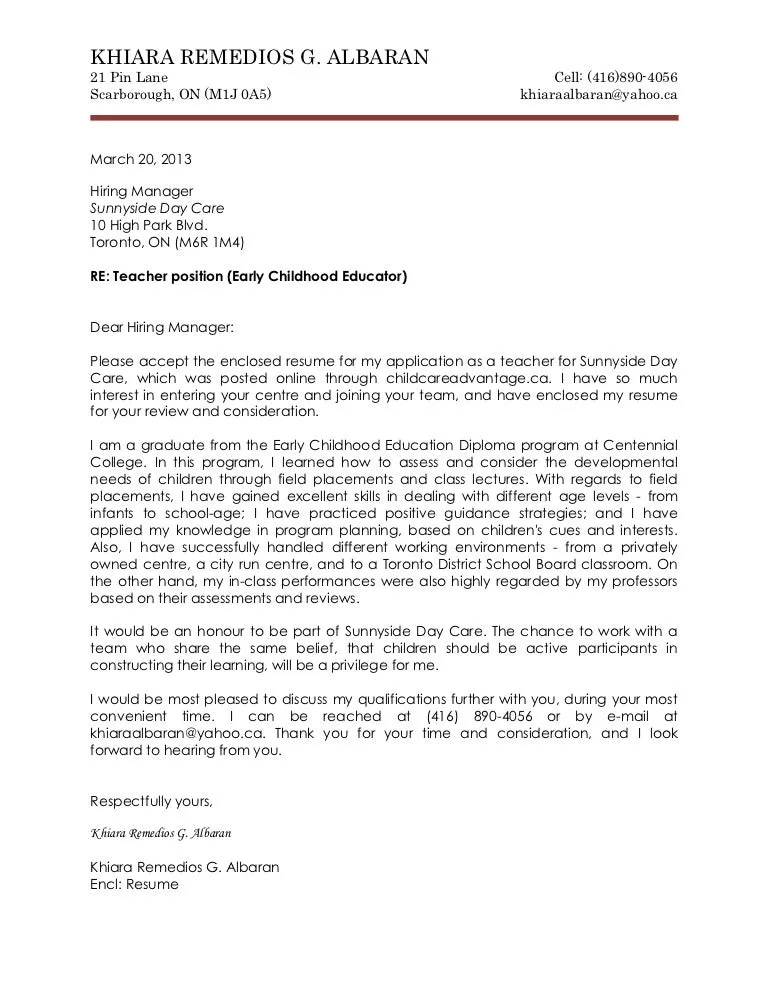
Understanding the Power of a Cover Letter
In the competitive job market, a compelling cover letter can be the key to unlocking your dream career. Many job seekers underestimate the significant impact a well-crafted cover letter can have on their application. It’s more than just a formality; it’s your first opportunity to make a strong impression and convince the hiring manager that you are the perfect fit for the role. A great cover letter allows you to showcase your personality, highlight your relevant skills, and demonstrate your genuine interest in the company and position. This is your chance to stand out from the crowd and make the recruiter excited to review your resume. A cover letter is your personal sales pitch, and a well-written one can significantly increase your chances of landing an interview.
Why Cover Letters Matter
Cover letters provide context and personality to your resume. They give you the space to explain why you’re interested in the specific role and company, which your resume, being a factual summary, can’t always fully convey. They also allow you to connect your skills and experience with the job’s requirements and the company’s mission. A well-written cover letter shows that you’ve done your research, understand the role, and are genuinely enthusiastic about the opportunity. It goes beyond simply listing your qualifications; it tells a story about you and why you are the best candidate, which helps the hiring manager understand your fit and overall value.
Cover Letter vs Resume

Your resume is a snapshot of your professional history, education, and skills, whereas a cover letter is your chance to expand on those points, explain your value proposition and demonstrate your personality. The resume lists facts, but the cover letter connects the dots. The resume states your achievements, and the cover letter explains the context and impact of those achievements. For instance, your resume might list your previous role, but the cover letter can highlight how the experience gained in that role translates into the job you’re applying for. Furthermore, the resume is standard; your cover letter allows you to personalize your application for each job. While a resume is crucial for presenting your qualifications, a strong cover letter is what grabs the attention of the recruiter and gets you to the next stage in the hiring process.
Key Elements to Include in Your Cover Letter
Crafting a killer cover letter requires attention to several key elements. These elements work together to present a persuasive case for your candidacy and increase your chances of success. Each component serves a specific purpose and contributes to the overall impact of your letter. Let’s explore the key components that make a cover letter truly stand out and highlight your qualifications. You must remember to tailor each letter to the specific job and company to maximize your chances of making a positive impression. The inclusion of these elements ensures your cover letter captures the attention of the hiring manager and shows you are a serious candidate.
Personalized Greeting
Start your cover letter with a personalized greeting. Avoid generic salutations like “To Whom It May Concern.” Instead, find out the hiring manager’s name and address the letter directly to them. This shows you’ve taken the time to research the company and the specific role. It helps you avoid sounding like you’re sending out a mass email. If you’re unable to find the hiring manager’s name, a more specific title like “Hiring Manager” or “Recruiting Team” is a better option. Addressing the right person by name is a small but important step that adds a personal touch to your letter and demonstrates your attention to detail. Your opening greeting sets the tone for the rest of your letter, so make sure it’s professional and engaging.
Highlighting Relevant Skills and Experience

Focus on your skills and experience that align with the job description. Don’t simply reiterate your resume; instead, provide context and explain how your skills translate into success in the role. Use action verbs to describe your accomplishments and quantify your achievements whenever possible. Show, don’t just tell, and connect your previous experiences with the requirements of the job. Briefly explain how your past experiences have prepared you to excel in the new role. Ensure that you are highlighting the skills that are most important for the position. Your goal is to demonstrate your value and show the employer why they should choose you.
Quantifying Achievements
Use numbers and data to illustrate your accomplishments. Instead of saying you “improved sales,” say you “increased sales by 15% in one quarter.” Provide specific examples of your achievements and the impact you made in your previous roles. Quantifying your achievements makes your cover letter more compelling and shows the employer that you’re results-oriented. Specific metrics are tangible proof of your abilities and can make your cover letter more persuasive. If you can provide examples of the results you have previously achieved, it shows the recruiter that you can do the same in the new role.
Showcasing Your Enthusiasm
Express your genuine interest in the role and the company. Explain why you are excited about the opportunity and what draws you to this specific organization. Demonstrate that you’ve done your research and understand the company’s mission and values. Connect your professional goals with the company’s objectives. This demonstrates that you’re not just looking for any job, but are genuinely interested in this one. Showing your enthusiasm makes you more memorable. This will give the impression that you are passionate about the role and the company’s mission. Enthusiasm is contagious, and it can make you stand out as a highly motivated candidate.
Tailoring Your Cover Letter to the Job

One of the biggest cover letter secrets is customization. Tailoring your cover letter to each job is crucial for success. Generic cover letters are easy to spot and often get immediately discarded. The effort you put into tailoring shows the recruiter that you are serious about the position and willing to go the extra mile. Personalizing your cover letter for each specific application is a must. This shows the hiring manager that you are genuinely interested in the company and have the skills and experience required to succeed in the role. You need to show that you understand the requirements and company’s needs.
Researching the Company
Before writing your cover letter, research the company’s mission, values, and recent news. Understanding the company culture and what they value will help you tailor your letter to their specific needs. Demonstrate this knowledge by mentioning specific projects, initiatives, or values that resonate with you. Use the company website, social media profiles, and news articles to gather information. Showing that you’ve done your homework shows that you’re serious about the job and increases the chances that you’ll make a good impression. Referencing recent company accomplishments or initiatives demonstrates your interest and shows that you’re up-to-date.
Matching Skills to Job Requirements
Carefully review the job description and identify the key skills and qualifications the employer is seeking. Then, highlight your relevant skills and experiences that match those requirements. Provide specific examples of how you’ve used those skills in the past and the results you achieved. This clearly demonstrates to the employer that you’re a good fit for the role. Don’t just list your skills; explain how they have helped you succeed in previous positions. Referencing specific keywords from the job description will help your application make it through applicant tracking systems (ATS). Tailor your cover letter by focusing on the skills and experiences that align with the role’s requirements.
Using Keywords Effectively

Incorporate keywords from the job description naturally throughout your cover letter. Applicant Tracking Systems (ATS) often scan for keywords, so including them can help your application get noticed. However, don’t stuff your letter with keywords; instead, use them strategically and integrate them naturally into your sentences. Place keywords in your descriptions of skills and experience. By mirroring the language used in the job description, you can ensure that your cover letter is both readable and optimized for the ATS. Use keywords in your headline and the body of your letter to enhance your application.
Formatting and Style Tips
The format and style of your cover letter are just as important as its content. A well-formatted cover letter that is easy to read is more likely to be well-received. Your cover letter should be clean, professional, and visually appealing. Good formatting shows attention to detail, which can positively impact the hiring manager’s impression of you and your qualifications. Proper formatting demonstrates you care about your work and the impression it makes on others. This section covers the best practices in formatting and style, to help you create an effective cover letter.
Choosing the Right Font and Font Size
Use a professional and easy-to-read font, such as Times New Roman, Arial, or Calibri. Keep the font size between 10 and 12 points for optimal readability. Avoid using overly stylized fonts, which can be difficult to read. A clean font with a readable size shows your professionalism and makes your letter more accessible to the recruiter. The formatting should be clean and uncluttered, which ensures that your letter is readable. Choose a font size and style that looks good on the page without being distracting. Consistent formatting throughout your letter also adds to its professionalism.
Keeping it Concise

Keep your cover letter concise and to the point. Aim for one page, or no more than four paragraphs. Hiring managers are busy, so they don’t have a lot of time to read lengthy documents. Get straight to the point and make your case quickly. Avoid rambling or including unnecessary details. Focus on your most relevant skills and experiences. Your cover letter should be a summary of your qualifications and an introduction to your resume. Write a brief but compelling introduction that grabs the reader’s attention. Ensure that every sentence serves a purpose.
Proofreading and Editing
Proofread your cover letter carefully for any errors in grammar, spelling, and punctuation. Errors can undermine your credibility and make a negative impression. Before submitting, ask a friend or family member to review your letter. This will help you catch any errors you may have missed. If possible, read your cover letter aloud. This can help you identify awkward phrasing or grammatical issues. Proofreading is critical to ensuring your cover letter is professional and error-free. Proofreading helps you make sure the letter clearly represents your qualifications. A polished letter demonstrates your attention to detail and professionalism.
Common Mistakes to Avoid
Avoiding common mistakes can significantly improve your cover letter’s effectiveness. Failing to avoid these pitfalls can damage your chances of landing an interview. Several common errors can make a negative impact on your application. These mistakes are often easily avoidable. Paying attention to detail and carefully reviewing your letter will help you steer clear of these problems. Understanding and avoiding these pitfalls will increase the overall impact of your cover letter and improve your prospects for getting hired.
Generic Cover Letters

Avoid using generic cover letters that are not tailored to the specific job or company. Generic letters show a lack of effort and interest. Tailor each cover letter to the specific job requirements and company culture. Research the company, understand the job description, and highlight the most relevant skills and experience. A generic letter shows that you have not taken the time to understand the needs of the company or the role. Personalizing your cover letter demonstrates your interest in the position and increases your chances of success.
Typos and Grammatical Errors
Typos and grammatical errors can damage your credibility and make you look unprofessional. Always proofread your cover letter carefully before submitting it. Consider using grammar and spell-checking tools. Then, ask a friend or family member to review your letter for any errors you may have missed. Errors can make a very bad first impression. Proofread your cover letter multiple times. This simple step will improve your credibility and demonstrate your attention to detail.
Exceeding the Recommended Length
Keep your cover letter concise and avoid going over one page. Hiring managers often have many applications to review and do not have time to read long documents. Focus on the most important skills and experiences. By keeping it concise, you show respect for the hiring manager’s time. This will help ensure that your cover letter gets read. Use clear and concise language. Your letter should include only the most important information relevant to the job.
Call to Action and Closing

Ending your cover letter effectively is crucial. It’s your final chance to leave a lasting impression and encourage the hiring manager to take the next step. Your closing section needs to be clear, and action-oriented. It should summarize your interest, express gratitude, and provide your contact information. A strong closing statement can increase your chances of moving to the next phase of the hiring process.
Expressing Gratitude
Thank the hiring manager for their time and consideration. Expressing gratitude shows respect and professionalism. It’s a simple gesture that can make a positive impact. Thank them for considering your application and for taking the time to read your letter and review your application. You can also reiterate your interest in the role. End with a clear statement of gratitude to close your letter on a positive note.
Providing Contact Information
Include your contact information, such as your phone number and email address. Make it easy for the hiring manager to reach you. Ensure your contact details are accurate and up-to-date. This makes it easy for the hiring manager to reach you. Reiterate your enthusiasm and ensure that you are easy to contact. Make it easy for the hiring manager to contact you for an interview.