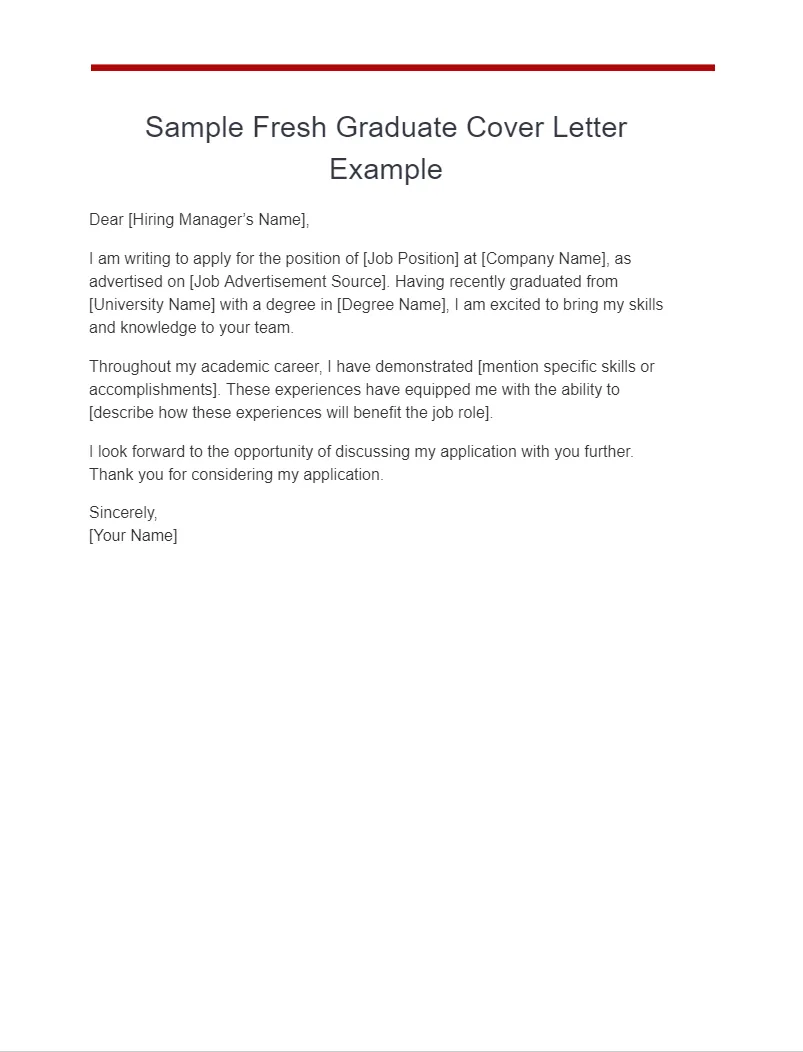
Cover Letter Secrets for Grad Students
Embarking on the journey to graduate school is a significant step, and your cover letter is a pivotal tool in showcasing your potential to admissions committees. It’s not just a formality; it’s your chance to shine, to go beyond the confines of your resume, and demonstrate why you’re the ideal candidate. This article delves into the secrets of crafting a compelling cover letter that grabs attention, highlights your strengths, and significantly increases your chances of acceptance. We will explore the intricacies of a successful application, including how to present your qualifications, demonstrate your passion, and leave a lasting impression. The key is to present yourself as a unique individual who has what it takes to succeed in their program.
Understanding the Purpose of a Graduate Cover Letter
The primary purpose of a graduate cover letter is to introduce yourself, explain your interest in the program, and persuade the admissions committee that you’re a strong fit. Unlike a resume, which provides a factual overview, the cover letter allows you to tell your story, demonstrating your personality, motivations, and aspirations. This is where you can connect your past experiences to your future goals, clearly articulating why you are choosing their institution and how their program aligns with your academic and career objectives. It is an opportunity to showcase your writing ability, your communication skills, and your overall professionalism. View the cover letter as a crucial opportunity to differentiate yourself from other applicants, making a powerful and lasting impression.
Highlighting Your Academic Achievements

Your academic achievements form the bedrock of your application, and your cover letter should highlight them effectively. Focus on accomplishments that directly relate to the program you’re applying for. Mention your GPA and relevant coursework, but don’t simply list them. Instead, provide context. For instance, if you excelled in a challenging course related to your desired field of study, explain the skills you gained and how they’ll contribute to your success in graduate school. If you participated in research projects, describe your role, the results you achieved, and the insights you gained. If you received any academic awards or honors, be sure to include them. Make sure to give a clear and concise view to impress the reader.
Quantifying Your Skills and Experiences
Admissions committees are looking for evidence of your skills and experiences, so it’s crucial to quantify your achievements whenever possible. Instead of saying you ‘managed projects,’ state how many projects you managed, their scope, and the outcomes. For example, ‘Managed a team of five to complete three major projects, resulting in a 20% increase in efficiency.’ When describing research experiences, specify your contributions and the impact of your work. Did you collect data, analyze results, or contribute to publications? Be specific. Quantifying your skills and experiences provides concrete evidence of your capabilities and makes your cover letter more compelling and memorable. Make sure your resume and cover letter reflect the same data, for a clear concise view.
Tailoring Your Cover Letter to the Program
Generic cover letters are easily spotted and often discarded. To make your application stand out, tailor each cover letter to the specific program and university. Research the program’s mission, values, and faculty interests. Demonstrate that you understand what the program is about and how your goals align with theirs. Reference specific courses, professors, or research projects that resonate with your interests. This level of personalization shows that you’ve done your homework and are genuinely interested in joining their community. Moreover, it allows you to demonstrate that you understand the program and are the perfect fit for it.
Researching the University and Program

Thorough research is essential. Explore the university’s website, read faculty profiles, and familiarize yourself with current research initiatives. Look for opportunities to connect your experiences and goals to the program’s offerings. Show that you understand the program’s strengths and how they align with your interests. Mentioning specific professors whose research aligns with your interests is a great way to personalize your cover letter and demonstrate your commitment. Show you’re not just applying to any program; you’re applying to their program for a reason. Highlighting the specific elements of the university will help you give a clear picture of the perfect fit.
Demonstrating Your Passion and Fit
Graduate programs seek passionate students who are a good fit for their academic environment. Use your cover letter to convey your enthusiasm for the field and for the specific program you’re applying to. Share why you’re interested in pursuing graduate studies and how this program aligns with your career aspirations. Discuss any personal experiences or motivations that have fueled your passion for the subject. Show that you’ve given careful thought to your academic and professional goals and that you see graduate school as a crucial step toward achieving them. Your enthusiasm and commitment can make a significant impression.
Showcasing Relevant Skills and Experiences
Beyond academic achievements, highlight any relevant skills and experiences that demonstrate your potential for success in graduate school. This could include research experience, leadership roles, teamwork abilities, communication skills, and problem-solving capabilities. Provide specific examples of how you’ve used these skills in the past and how they will contribute to your success in the program. If you have experience with specific software, lab techniques, or other relevant tools, be sure to mention them. Ensure that the skills you highlight are directly applicable to the program’s requirements and your future research goals. Make sure the experience clearly reflects the goal.
Structuring Your Cover Letter Effectively

A well-structured cover letter is easy to read and makes a strong impression. Begin with a compelling opening that grabs the reader’s attention and clearly states your purpose. Structure the body paragraphs to showcase your qualifications, experiences, and reasons for applying. Use clear headings and subheadings to organize your thoughts and make your letter easy to navigate. Conclude with a strong closing that reiterates your interest and expresses your anticipation of hearing from the admissions committee. Ensure your paragraphs are of appropriate length and focus on the main topics.
Crafting a Compelling Opening
The opening paragraph is your chance to capture the reader’s attention and make a strong first impression. Avoid generic openings such as ‘I am writing to apply…’ Instead, start with a statement that highlights your interest in the program and what makes you stand out. You might mention a specific project, experience, or accomplishment that sparked your interest in the field. State your purpose clearly and concisely. Indicate the specific program you are applying for. Show your enthusiasm for the program and your eagerness to contribute to the academic community. This will give the reader an immediate grasp of your intentions.
Developing Strong Body Paragraphs
The body paragraphs are where you elaborate on your qualifications, experiences, and reasons for applying. Each paragraph should focus on a specific aspect of your background, skills, or goals. Use strong topic sentences to introduce each paragraph and provide evidence to support your claims. When discussing your experiences, use the STAR method (Situation, Task, Action, Result) to provide context and demonstrate your impact. Quantify your achievements whenever possible. Connect your experiences to the program’s requirements and show how they will contribute to your success. Focus on demonstrating how your background uniquely sets you apart from other candidates.
Writing a Powerful Closing

The closing paragraph should summarize your interest in the program and reiterate your enthusiasm for the opportunity. Thank the admissions committee for their time and consideration. Reiterate your interest in joining the program and restate your belief that you are a strong fit. Express your willingness to provide any additional information or documentation they may need. End on a positive note, expressing your anticipation of hearing from them soon. Be confident and professional in your closing, leaving a lasting impression of your capabilities and your commitment to the program.
Proofreading and Editing Your Cover Letter
Before submitting your cover letter, thoroughly proofread and edit it for any errors in grammar, spelling, and punctuation. A single mistake can undermine your credibility. Ensure that your letter is well-organized, clear, and concise. Ask a friend, professor, or career counselor to review your cover letter. Consider any feedback. Pay attention to the overall tone and make sure it reflects your personality and professional goals. A polished cover letter demonstrates attention to detail and a commitment to excellence. Proofread at least twice, or more if needed, to ensure a perfect application.
Common Mistakes to Avoid in Graduate Cover Letters
Several common mistakes can weaken your cover letter. Avoid generic templates; tailor each letter to the specific program. Don’t simply restate your resume; provide additional context and insights. Steer clear of grammatical errors and typos. Don’t be overly formal or use jargon. Avoid negative language or discussing weaknesses. Be sure to avoid excessive length; keep your letter concise and focused. Don’t forget to research the program and personalize your letter. Making these mistakes can negatively impact the admissions committee’s view of your application.
Formatting Your Cover Letter for Readability

The format of your cover letter can impact its readability and overall impression. Use a professional font, such as Times New Roman or Arial, with a font size of 11 or 12 points. Use standard margins (1 inch on all sides) and double-space your letter. Make sure that your paragraphs are clearly separated with space between them for visual clarity. Use headings and subheadings to organize your content and guide the reader through your letter. A well-formatted cover letter is easy to read, demonstrates your attention to detail, and leaves a positive impression on the admissions committee.