Why a Cover Letter Matters for College Advisors
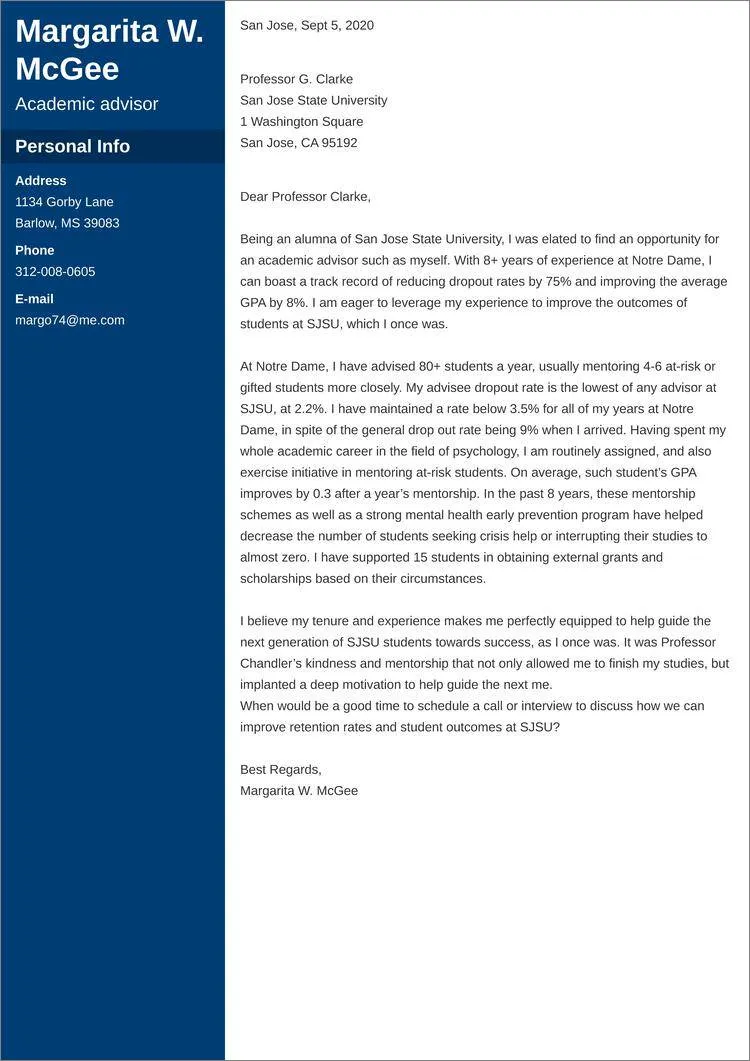
In the competitive landscape of college advising, a compelling cover letter can be your secret weapon. It’s more than just a formality; it’s your first opportunity to make a strong impression, demonstrating your enthusiasm, and setting yourself apart from other applicants. A well-crafted cover letter allows you to go beyond the information presented in your resume, giving you the chance to showcase your personality, your understanding of the role, and your genuine interest in the institution. It shows you’ve taken the time to research the position and tailor your application, indicating a higher level of dedication and professionalism. Remember, a cover letter is your voice, your opportunity to connect with the hiring manager on a more personal level and advocate for yourself effectively. It shows your commitment to the field and your potential as a valuable asset to the college advising team.
Highlighting Your Skills and Experience
Your cover letter should shine a light on your relevant skills and experience. This is the place to emphasize how your background aligns with the specific requirements of the college advisor position. Instead of simply listing your skills, provide concrete examples of how you’ve utilized them to achieve success. This might involve explaining how you’ve effectively advised students, managed complex caseloads, or implemented innovative strategies to improve student outcomes. By highlighting your skills and experience you’re not just listing qualifications; you’re painting a picture of your ability to excel in the role. Furthermore, you should reflect your understanding of the college’s specific needs and values, tailoring your descriptions to demonstrate how your abilities contribute to those needs.
Showcasing Your Relevant Experience

When detailing your experience, choose examples that resonate with the college’s mission and values. For instance, if the college values diversity and inclusion, share how you’ve supported diverse student populations or promoted inclusive practices in your previous roles. If the position emphasizes student retention, discuss your strategies for improving student success rates. The key is to illustrate your tangible contributions and the positive outcomes you’ve achieved. Be specific and avoid vague language. Instead of saying you ‘assisted students,’ explain how you ‘guided over 50 students through the college application process, resulting in a 90% acceptance rate.’ This level of detail gives the hiring manager a clear sense of your capabilities and impact. Tailor your examples to the specific requirements outlined in the job description, demonstrating your ability to align your skills with the college’s needs.
Quantifying Achievements
Numbers speak volumes. Wherever possible, quantify your achievements to demonstrate your impact. Use metrics to show your successes, such as the number of students you advised, the percentage increase in student retention rates, or the amount of grant money you secured. Consider including data about the positive results you’ve achieved in your previous roles. For example, mention that you decreased the student dropout rate by a specific percentage or that you improved student satisfaction scores. Numbers give credibility to your claims and make your accomplishments more memorable. If you’re unsure which metrics to use, research the college and its strategic goals to identify relevant key performance indicators (KPIs). Tailoring your data points to the specific needs of the institution shows you have taken the time to understand their priorities and how you can contribute to their success.
Top 5 Cover Letter Secrets for College Advisors
Secret 1 Tailor Your Letter

One of the biggest mistakes is sending a generic cover letter. Tailor each letter to the specific college and position. Research the institution, its mission, its values, and its current initiatives. Identify specific aspects of the role that excite you and that align with your skills and experience. Mention specific programs, departments, or initiatives that resonate with you. This shows that you’ve done your homework and that you’re genuinely interested in the opportunity. Customization is critical. Use the hiring manager’s name and address the specific requirements mentioned in the job description. This approach tells the hiring committee that you’re serious about the role and ready to contribute to their team.
Secret 2 Emphasize Your Passion
College advising is a field that thrives on passion. Showcase your enthusiasm for helping students succeed. Share why you’re drawn to the role and to the institution in particular. Detail your commitment to student success and your belief in the transformative power of education. Talk about what excites you about advising students, the rewards of watching them grow and reach their goals. Your passion will distinguish you from other candidates and will make your application much more memorable. Consider including a personal anecdote or a brief story that exemplifies your dedication to student success, demonstrating your ability to connect with students and provide effective guidance and support. Be authentic. Let your genuine enthusiasm shine through in every sentence.
Secret 3 Showcase Your Knowledge
Demonstrate your understanding of the current trends, challenges, and best practices in college advising. Reference relevant professional organizations, publications, or training programs you’ve participated in. Highlight any certifications or specialized knowledge you possess. This demonstrates that you’re not only experienced but also dedicated to staying up-to-date in the field. Your knowledge is a critical component in helping the hiring committee. Show that you’re aware of current issues in higher education and how you would address them. Reference the college’s strategic plan and relate your skills and experience to their goals. This shows that you’re prepared to contribute meaningfully to the college’s success.
Secret 4 Highlight Soft Skills

Soft skills are just as important as hard skills in college advising. Highlight your interpersonal, communication, problem-solving, and leadership skills. Give examples of situations where you’ve demonstrated these abilities. For instance, discuss how you’ve successfully navigated difficult conversations with students and parents or how you’ve collaborated with colleagues to achieve a common goal. Show how you can motivate students, resolve conflicts, and foster a positive and supportive environment. It’s helpful to consider the values of the institution and adapt your descriptions accordingly. Highlight your empathy, active listening skills, and ability to work effectively with diverse populations. By including examples of your soft skills, you give a more well-rounded picture of your abilities and fit within the advising team and college culture.
Secret 5 Proofread Meticulously
Errors in your cover letter can undermine your credibility and may signal a lack of attention to detail. Proofread your letter carefully for grammar, spelling, and punctuation errors. Use a spell checker and grammar checker, but don’t rely on them completely. Read your letter aloud to catch any awkward phrasing or inconsistencies. Ask a friend, colleague, or career advisor to review your cover letter before you submit it. A fresh pair of eyes can often spot mistakes you might have missed. Ensure your formatting is consistent and professional. Use a clear, readable font, and maintain consistent spacing. A polished and error-free cover letter demonstrates your professionalism and commitment to excellence. Before submitting, review your cover letter to verify that it’s formatted correctly and addresses all of the requirements outlined in the job description.
Formatting Your Cover Letter for Impact
The format of your cover letter significantly impacts its readability and overall impression. Start with a professional heading that includes your contact information and the date. Address the letter to the hiring manager by name, if possible. Use a clear, concise font, such as Arial or Times New Roman, and keep the font size between 10 and 12 points. Maintain consistent margins (typically 1 inch on all sides) and use single-spaced lines with a space between paragraphs. Structure your cover letter with an introductory paragraph, followed by 2-3 body paragraphs highlighting your key skills and experiences, and a closing paragraph that expresses your interest and includes a call to action. Keep the letter concise, aiming for no more than one page. A well-formatted cover letter is easier to read and conveys a sense of professionalism, making your application more appealing.
Contact Information

At the top of your cover letter, provide your full name, phone number, email address, and LinkedIn profile URL (if you have one). Ensure that your contact information is accurate and up-to-date. Use a professional-sounding email address. Make it easy for the hiring manager to contact you. This should be readily available to the hiring committee. Including your LinkedIn profile allows the hiring manager to learn more about your professional background and network.
Opening and Closing
Your opening paragraph should immediately grab the reader’s attention and clearly state the position you’re applying for and where you found the job posting. Briefly mention why you’re interested in the role and the institution. In the closing paragraph, reiterate your interest in the position and college, and express your gratitude for their consideration. Include a call to action, such as ‘I look forward to the opportunity to discuss my qualifications further in an interview.’ Be sure to use a professional closing, such as ‘Sincerely’ or ‘Best regards,’ followed by your name.
Key Takeaways and Next Steps
A strong cover letter is a critical tool in landing a college advising position. It showcases your unique skills, passion, and understanding of the role. Remember to tailor your letter to each position, highlight your accomplishments with quantifiable data, and demonstrate your knowledge of the college advising field. The cover letter provides you with a remarkable opportunity to make a lasting impression. Consider getting feedback from others to ensure that your cover letter effectively presents your qualifications. By following these secrets, you can create a cover letter that grabs the hiring manager’s attention and significantly increases your chances of getting an interview. Take the time to perfect your cover letter, and you’ll be well on your way to securing your dream role in college advising.