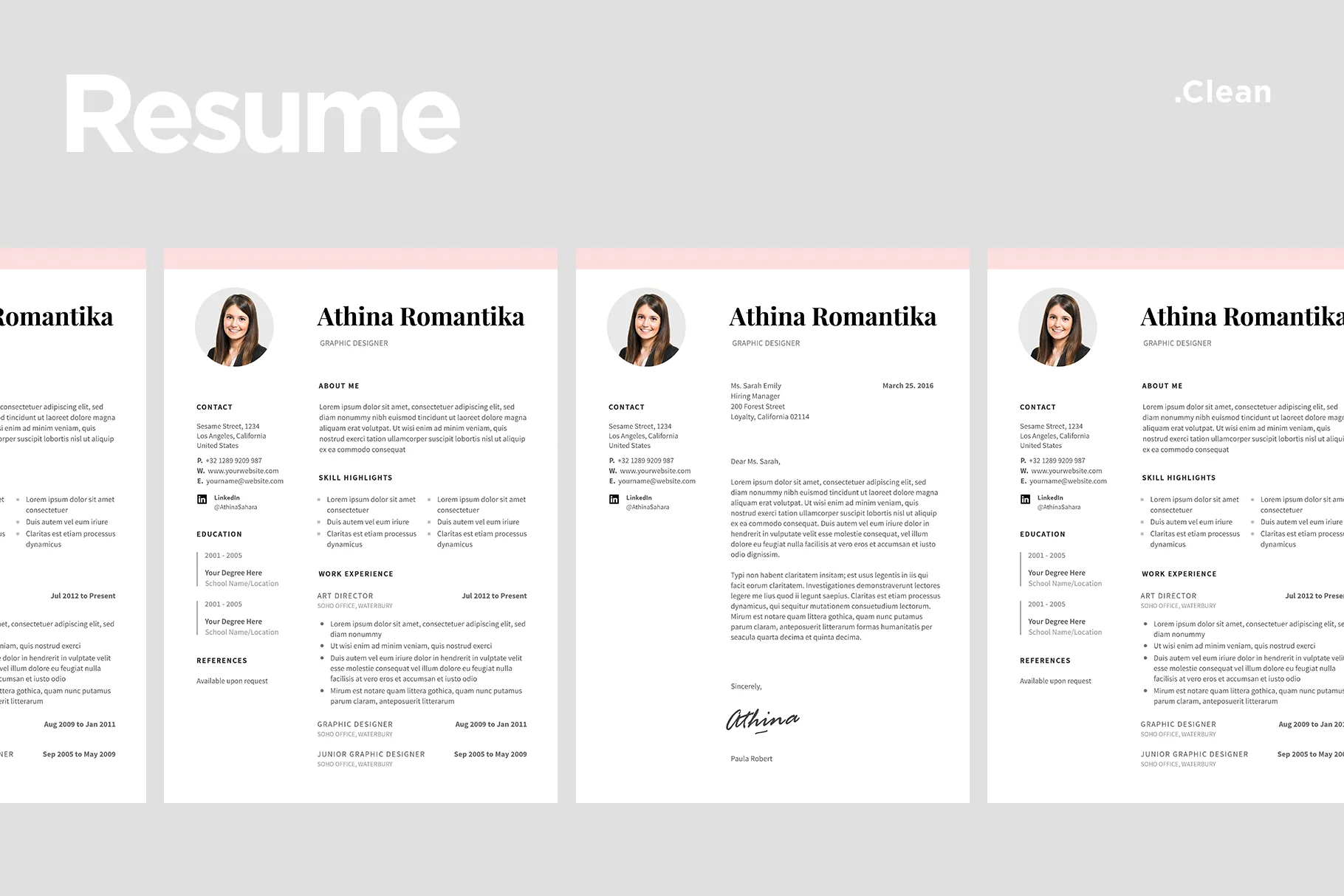
Why Cover Letter & Resume Should Match
In the competitive landscape of job applications, the synergy between your cover letter and resume is paramount. These two documents aren’t isolated entities; they are a dynamic duo designed to present a cohesive narrative of your professional self. A mismatch can create confusion and weaken your application, whereas a perfect match strengthens your candidacy. The cover letter provides context and personality, while the resume offers concrete evidence of your skills and experiences. When they align, they create a compelling case for why you are the ideal candidate, increasing your chances of landing an interview. Ignoring the importance of this alignment is a missed opportunity to make a lasting impression on potential employers. A unified message demonstrates attention to detail, professionalism, and a clear understanding of the job requirements.
Highlighting Key Skills
Your cover letter and resume should work in concert to highlight your most relevant skills. Identify the core competencies required for the job and ensure they are prominently featured in both documents. This strategic approach demonstrates that you not only possess the necessary skills but also understand their importance in the context of the role. Avoid simply listing skills; instead, provide examples of how you’ve utilized them to achieve tangible results. This is where you move beyond simply stating your abilities and begin showcasing your value. The goal is to paint a clear picture of your capabilities and how they align with the employer’s needs. Use the cover letter to elaborate on these skills, providing context and narrative, while the resume offers the concrete evidence to back up your claims. This ensures a strong, consistent message.
Choosing the Right Skills to Showcase

Not all skills are created equal when it comes to a specific job application. The key is to tailor your presentation to the specific requirements of the role. Analyze the job description carefully, paying close attention to the keywords and phrases used to describe the ideal candidate. Then, select the skills from your repertoire that best align with these requirements. This targeted approach demonstrates that you understand the employer’s needs and possess the specific qualifications they are seeking. Including skills irrelevant to the job can dilute your message and make it harder for the hiring manager to see how you fit. Prioritize the skills that directly address the job’s core responsibilities and showcase your ability to excel in the position. This focused approach increases the impact of your application and makes it easier for the employer to envision you succeeding in the role.
Quantifying Achievements
Beyond simply listing your skills and responsibilities, you must quantify your achievements to make a lasting impression. Use numbers, data, and metrics to demonstrate the impact of your work. This is where you transform abstract claims into concrete evidence of your value. Instead of saying you improved customer service, state that you ‘increased customer satisfaction scores by 15%’. Instead of claiming you managed projects, describe how you ‘managed a portfolio of projects valued at $X million, consistently delivering on time and under budget.’ Quantifying your accomplishments makes them more credible and memorable. It provides potential employers with tangible evidence of your capabilities and demonstrates the value you can bring to their organization. This approach helps differentiate you from other candidates and makes it easier for employers to see the benefits of hiring you.
Using Numbers to Impress
The use of numbers isn’t just about adding a layer of credibility; it’s about making your achievements more impactful. Numbers provide context and allow potential employers to quickly understand the scale and scope of your accomplishments. For example, instead of stating you ‘increased sales’, you could say you ‘increased sales by 20% in Q4, generating an additional $100,000 in revenue’. This level of detail is far more compelling and demonstrates your ability to drive results. Numbers help you stand out from the crowd and offer a clear indication of your value. Always choose metrics that highlight your strengths and align with the goals of the job. Be precise, providing specific figures whenever possible to enhance the impact of your claims.
Tailoring to the Job Description

Every job application requires a tailored approach. A generic cover letter and resume are unlikely to impress potential employers. Instead, customize both documents to match the specific requirements of each job. This demonstrates that you have taken the time to understand the role and are genuinely interested in the opportunity. Review the job description carefully, highlighting the keywords, skills, and experiences the employer is seeking. Then, adjust your cover letter and resume to mirror these requirements. This doesn’t mean you should fabricate your experience, but rather highlight the aspects of your background that are most relevant to the position. This level of personalization shows initiative and attention to detail, making you a more attractive candidate. Tailoring your application is crucial for showcasing your fit for the role.
Understanding the Job Requirements
Before you begin tailoring your cover letter and resume, you must thoroughly understand the job requirements. This involves more than just a quick skim of the job description. Carefully analyze the text, paying attention to the skills, experiences, and qualifications the employer is seeking. What are the key responsibilities of the role? What are the most important qualities the employer is looking for in a candidate? Identify the keywords and phrases that are used to describe the ideal candidate. Understanding the requirements allows you to strategically highlight the most relevant aspects of your background. It also allows you to anticipate the employer’s needs and proactively address them in your application. Thoroughly understanding the job requirements is the foundation of a successful job application.
Using Keywords Strategically
Keywords are the currency of the modern job search. Many employers use Applicant Tracking Systems (ATS) to screen applications, and these systems often rely on keywords to identify qualified candidates. Therefore, strategically incorporating keywords from the job description into your cover letter and resume is essential for getting noticed. Don’t just sprinkle keywords throughout your documents haphazardly. Instead, weave them naturally into your descriptions of your skills, experiences, and achievements. Use synonyms when appropriate to avoid sounding repetitive. The goal is to demonstrate your understanding of the job’s requirements and signal to both the ATS and the hiring manager that you are a good fit. Keywords should be used thoughtfully and contextually, not just as a checklist. This strategic approach improves your chances of getting your application seen by a human being.
Maintaining a Consistent Tone

Consistency in tone is a subtle but powerful element in a successful job application. Your cover letter and resume should share a similar voice, style, and level of formality. This creates a unified impression and reinforces your professionalism. A mismatch in tone can create confusion and make it difficult for the employer to grasp your personality and communication style. If your resume is formal and concise, your cover letter should adopt a similar approach. If your resume uses a more conversational style, your cover letter can follow suit. Consistency demonstrates attention to detail and helps build a strong and coherent narrative about your qualifications. Ensure your word choice, sentence structure, and overall tone are aligned, creating a unified presentation of your skills and experience.
Professionalism in Cover Letter & Resume
Professionalism is the cornerstone of any successful job application. Both your cover letter and resume should reflect a high degree of professionalism. This includes using proper grammar, spelling, and punctuation, as well as avoiding slang, jargon, and overly casual language. The formatting should be clean, easy to read, and free of errors. Your contact information should be accurate and up-to-date. Your language should be clear, concise, and focused on the value you bring to the table. Professionalism communicates respect for the employer and demonstrates that you take the application process seriously. It reflects your attention to detail and your commitment to excellence.
Formatting and Design Consistency
Consistency in formatting and design is an often-overlooked aspect of a successful job application, but it plays a crucial role in making a positive first impression. Both your cover letter and resume should use the same font, font size, and overall layout. This creates a cohesive and professional look that is easy on the eye. Use a consistent heading style, bullet points, and spacing throughout both documents. This will enhance readability and make it easier for the hiring manager to quickly scan your qualifications. A mismatched or cluttered design can be distracting and reflect poorly on your attention to detail. The goal is to present a polished and professional image that demonstrates your commitment to excellence. Keep it simple, clean, and easy to navigate.
Proofreading for Errors

Proofreading is a non-negotiable step in the job application process. Errors in grammar, spelling, or punctuation can undermine your credibility and make you appear careless. Before submitting your cover letter and resume, carefully proofread them multiple times. Read them aloud to catch any awkward phrasing or grammatical errors. Ask a friend or family member to review them as well. A fresh pair of eyes can often spot errors you might miss. Pay close attention to detail, ensuring that all names, dates, and contact information are accurate. Proofreading demonstrates attention to detail and respect for the employer. It shows that you take your application seriously and are committed to presenting yourself in the best possible light. A polished and error-free application significantly increases your chances of success.
Showcasing Your Personality
While maintaining professionalism is crucial, it’s equally important to inject a degree of personality into your cover letter. This is where you can go beyond the facts and figures of your resume to tell a story about yourself. Your cover letter is an opportunity to showcase your unique qualities, express your enthusiasm for the role, and demonstrate how your personality aligns with the company culture. This doesn’t mean you should be overly casual or informal. Instead, find a balance between professionalism and personality. Use your cover letter to share your passion for the field, explain why you’re drawn to the company, and highlight the experiences that make you a great fit. This personal touch helps you stand out from the crowd and makes your application more memorable.
Writing a Compelling Narrative
Your cover letter is an opportunity to craft a compelling narrative about your career journey. Go beyond simply listing your skills and experiences. Instead, tell a story that connects your past accomplishments to the requirements of the job. Explain why you’re interested in the role, what motivates you, and what you hope to achieve. Use your cover letter to highlight your career trajectory and demonstrate your understanding of the industry. Provide examples of how you’ve overcome challenges, learned from your mistakes, and grown professionally. This narrative approach helps you create a more engaging and memorable application. It demonstrates your ability to communicate effectively and connect with the hiring manager on a personal level. A well-crafted narrative can significantly increase your chances of success.
Adding a Personal Touch

Adding a personal touch to your cover letter helps you establish a connection with the hiring manager. This doesn’t mean sharing overly personal details; instead, it means showcasing your enthusiasm and expressing your genuine interest in the role. Mention something specific that caught your eye about the company or the job description. Reference a project, skill, or accomplishment that directly aligns with the employer’s needs. Use a tone that reflects your personality and communication style. This personal touch makes your application more memorable and demonstrates that you have taken the time to understand the company and the role. It makes you appear more approachable and increases the likelihood of the hiring manager wanting to learn more about you. Show that you are more than just a list of qualifications; you are a person with unique interests and perspectives.
The Power of the Closing Statement
The closing statement is your final opportunity to leave a lasting impression. It should be strong, memorable, and action-oriented. Summarize your key qualifications and reiterate your enthusiasm for the role. Avoid generic phrases like ‘Thank you for your consideration’. Instead, express your interest in the opportunity to discuss your qualifications further. Thank the hiring manager for their time and consideration. Restate your contact information and make it easy for them to reach you. Your closing statement should be professional, confident, and action-oriented. It should leave the reader with a clear understanding of your value and a desire to learn more about you. A well-crafted closing statement can be the final push needed to secure an interview.
Call to Action & Next Steps
The closing statement should also include a clear call to action. This means explicitly stating your desire for an interview and indicating your availability. For example, you could say, ‘I am eager to discuss how my skills and experience can contribute to your team, and I am available for an interview at your earliest convenience.’ or ‘I would welcome the opportunity to speak with you further about my qualifications and the specific requirements of this role’. Provide your contact information again, making it easy for the hiring manager to reach you. By including a call to action, you make it easy for the hiring manager to move forward with your application. This proactive approach demonstrates your enthusiasm for the role and increases your chances of being selected for an interview. Make it easy for them to say yes.