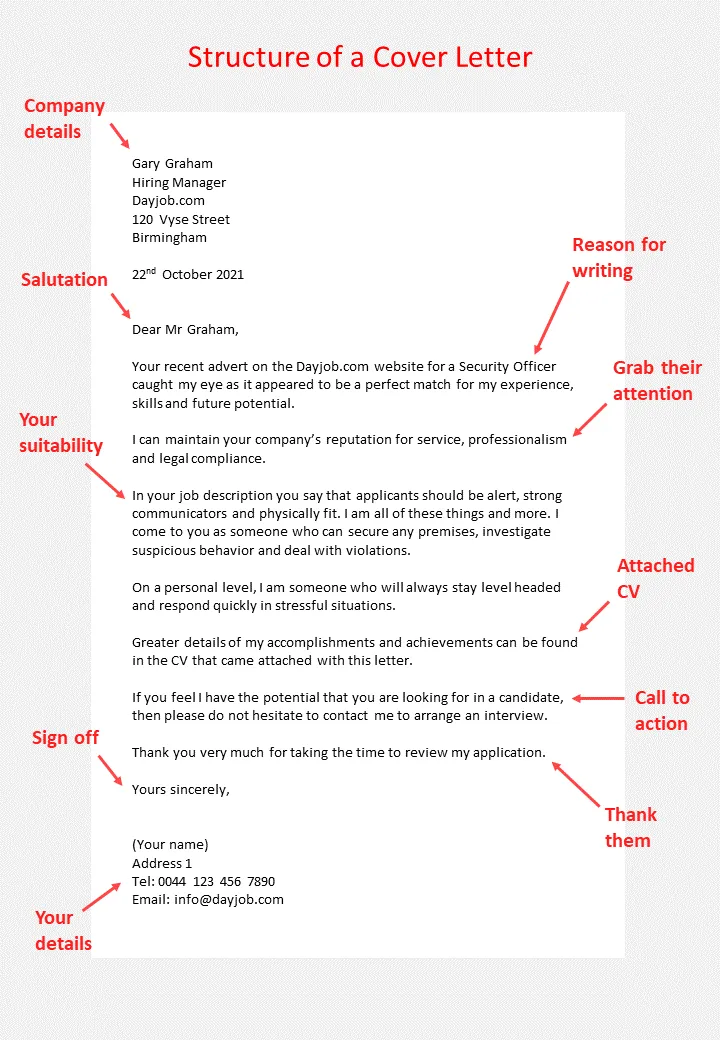
In the competitive world of job applications, a well-crafted cover letter is your first opportunity to make a strong impression on a potential employer. Far more than just a formality, it’s a chance to showcase your personality, skills, and enthusiasm in a way that a resume alone cannot. Understanding what a cover letter consists of is crucial for anyone looking to land their dream job. This guide will dissect the essential elements of a cover letter, helping you create one that stands out from the crowd.
The Cover Letter’s Purpose: Why It Matters
The primary purpose of a cover letter is to introduce yourself and explain why you’re the perfect fit for the specific job. It’s not just a rehash of your resume; it’s a narrative that connects your skills, experience, and aspirations with the requirements of the position. It’s your chance to highlight your most relevant achievements, demonstrate your understanding of the company and the role, and express your genuine interest in joining their team. A compelling cover letter significantly increases your chances of getting an interview.
Understanding the Core Elements
Contact Information
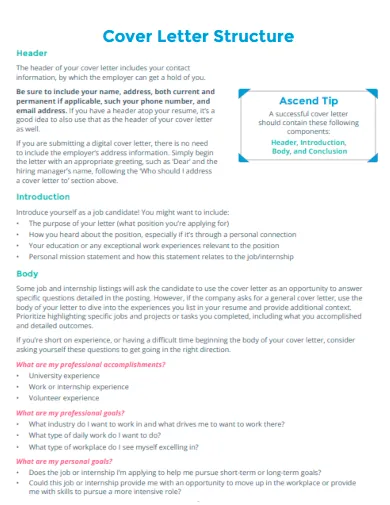
This section ensures the employer knows who you are and how to reach you. It’s simple, but essential, and should be placed at the top of your letter. Make sure your contact details are current and accurate, as any mistake can lead to your application being overlooked. Your contact information should stand out, making it easy for the recruiter to find and reach out to you.
Your Name and Contact Details
Begin with your full name, followed by your phone number and email address. Ensure your email address is professional. Avoid using nicknames or informal language.
Date and Recipient Information
Below your contact information, include the date you are sending the letter. Then, include the recipient’s name, title, and the company’s address. If possible, address the letter to a specific person – it shows you’ve done your research and care about the application.
Professional Greeting

This is your first interaction with the hiring manager or the person reading your letter. It sets the tone for the rest of your application. The greeting should be formal and respectful.
Addressing the Hiring Manager
Whenever possible, address your cover letter to a specific person. Use their name and title, such as ‘Dear Mr. Smith,’. This personal touch shows you’ve taken the time to research the company and the role. Finding the hiring manager’s name can be done through LinkedIn or the company website.
Avoiding Generic Greetings
Avoid generic greetings like ‘To Whom It May Concern’ or ‘Dear Sir/Madam’. They lack personalization and can make your letter feel impersonal. If you can’t find a specific name, try ‘Dear Hiring Manager’ or ‘Dear [Department Name] Team’.
The Opening Paragraph Captivating the Reader

This is your chance to grab the reader’s attention right away. The opening paragraph should be concise, engaging, and clearly state the purpose of your letter – to express interest in the specific job. You can start by mentioning where you saw the job posting, the position you are applying for, and a brief statement about why you are interested and qualified.
Making a Strong First Impression
Start with a strong, attention-grabbing statement. Avoid clichés and generic phrases. Mention a key achievement or skill that aligns with the job requirements to immediately show your value.
Highlighting Your Key Skills
Briefly mention the most relevant skills and experiences that make you a good fit for the role. Focus on skills mentioned in the job description, demonstrating that you’ve carefully considered the requirements and that you possess the needed qualifications.
The Body Paragraphs Showcasing Your Value

The body paragraphs are where you provide more detail about your skills, experience, and accomplishments. They should showcase your value to the employer and convince them you are worth interviewing.
Tailoring Your Letter to the Job
Each cover letter should be tailored to the specific job you are applying for. Review the job description carefully and identify the key skills and qualifications the employer is seeking. Then, use the body paragraphs to provide specific examples of how your skills and experience meet those requirements. Show, don’t just tell.
Matching Skills and Experience
Align your skills and experiences with the job requirements. Provide concrete examples of how you have used these skills in previous roles and what results you achieved.
Quantifying Your Achievements

Use numbers and data to quantify your accomplishments. Instead of saying ‘Improved customer satisfaction,’ say ‘Increased customer satisfaction by 15%’. This provides tangible evidence of your abilities and the value you can bring to the company.
Expressing Enthusiasm and Interest
Let your personality shine through. Express your genuine enthusiasm for the company and the role. Show you’ve done your research and understand the company’s mission, values, and goals.
Demonstrating Company Knowledge
Show that you have researched the company. Mention specific projects, initiatives, or values that resonate with you. This demonstrates that you are genuinely interested in the company and not just sending out generic applications.
Explaining Career Goals

Briefly mention your career goals and how the role aligns with your aspirations. This shows that you are not only interested in the job but also in long-term growth and development within the company.
The Closing Paragraph Encouraging Action
The closing paragraph is your last chance to leave a positive impression and encourage the employer to take action. It should be concise, professional, and reiterate your interest in the role.
Expressing Gratitude
Thank the hiring manager for their time and consideration. Express your gratitude for the opportunity to be considered for the position.
Reiterating Interest
Reiterate your interest in the role and the company. Briefly summarize why you are a good fit and what you can bring to the table.
Call to Action Requesting an Interview
Clearly state your desire for an interview. Suggest a time when you are available or express your eagerness to discuss your qualifications further. Make it easy for the employer to contact you.
Professional Closing
Use a professional closing such as ‘Sincerely,’ ‘Best regards,’ or ‘Thank you’. Follow this with your typed name. Avoid informal closings like ‘Cheers’ or ‘Best’.
In conclusion, mastering the art of cover letter writing is a critical step in any job search. By focusing on these five elements – the purpose, contact information, a compelling opening, showcasing your value, and a strong closing – you can create a cover letter that not only gets noticed but also helps you land the job of your dreams. Remember to tailor your letter to each specific job, highlight your achievements, and express your enthusiasm. With a well-crafted cover letter, you’ll be well on your way to career success.