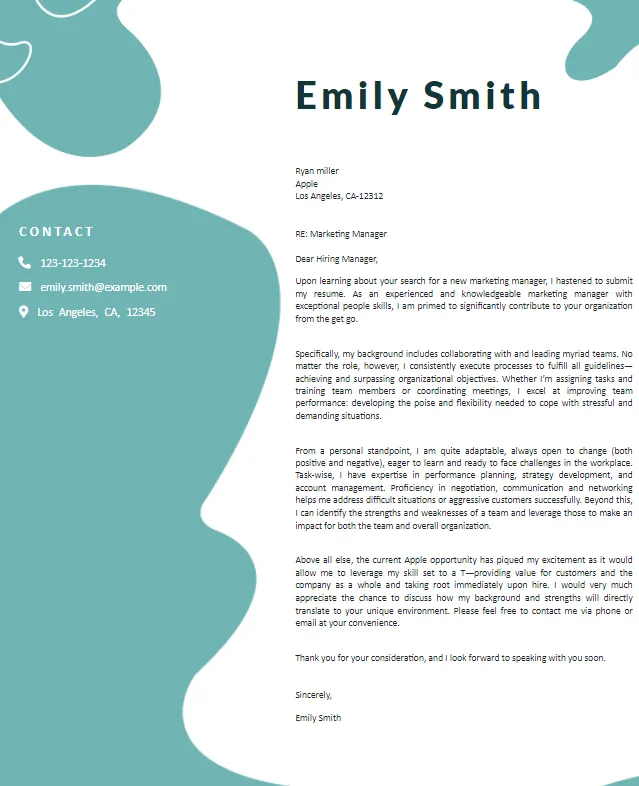
Understanding the Cover Letter
A cover letter is a crucial document that accompanies your resume when applying for a job. It serves as an introduction, providing context to your application and highlighting your qualifications and interest in the specific role. It’s your first opportunity to make a positive impression on a potential employer, so crafting a compelling cover letter is essential for standing out from the competition. A well-written cover letter showcases your personality, enthusiasm, and relevant skills, ultimately increasing your chances of landing an interview. The cover letter is more than a formality, it’s a strategic tool to help you get the job you want.
What is a Cover Letter
At its core, a cover letter is a personalized document that introduces you to a potential employer. Unlike a resume, which presents a summary of your skills and experience, a cover letter allows you to explain why you’re a perfect fit for the specific job and company. It provides an opportunity to elaborate on your qualifications, demonstrate your understanding of the role, and express your genuine interest in the opportunity. The cover letter goes beyond a simple list of accomplishments, offering a narrative that showcases your personality and communication skills.
Why Cover Letters are Important

Cover letters are important because they provide a personal touch to your job application. They allow you to demonstrate your unique value proposition and explain why you’re the best candidate for the job. Many employers value cover letters because they reveal how well you communicate, your attention to detail, and your understanding of the role and company. They can also help you address any potential gaps or weaknesses in your resume, providing context and reassurance to the hiring manager. In today’s competitive job market, a well-crafted cover letter can be the differentiating factor that gets your application noticed.
Cover Letter Structure
A well-structured cover letter is easy to read and navigate, ensuring that the hiring manager can quickly grasp your key qualifications and interest in the position. Adhering to a standard format ensures professionalism and clarity in your application. The basic structure of a cover letter typically includes a header, a greeting, an opening paragraph, body paragraphs, a closing paragraph, and a closing salutation. Each section serves a specific purpose in conveying your message effectively.
The Header
The header of your cover letter should contain your contact information and the date. This section ensures that the hiring manager can easily reach you if they want to schedule an interview or learn more about your application. It should typically include your full name, address, phone number, email address, and the date you are submitting the application. The header also includes the employer’s information such as the name of the hiring manager and the company.
The Greeting

The greeting sets the tone for your cover letter. Addressing the hiring manager by name is best practice. Research the name of the hiring manager or the recruiter. If you cannot find a specific name, use a professional greeting such as “Dear Hiring Manager”. Avoid overly informal greetings. A professional greeting makes a positive impression, showing that you have taken the time to personalize your application.
The Body Paragraphs
The body paragraphs are the core of your cover letter. They should be well-organized and concise. The body section is where you showcase your skills, experience, and enthusiasm for the role. This is where you explain why you are a good fit for the job. Highlight your relevant skills and accomplishments. Tailor your content to match the requirements of the job description. Include specific examples that demonstrate your abilities. The body paragraphs must clearly connect your qualifications to the employer’s needs.
Opening Paragraph Hooking the Reader
The opening paragraph serves to grab the reader’s attention and state your purpose for writing. It should clearly state the position you’re applying for and briefly explain why you’re interested in the role and the company. It’s your first chance to make a strong impression. Consider starting with a concise statement of your enthusiasm. Mention any relevant connections. Avoid generic opening lines. The goal is to make the reader want to continue reading.
Highlighting Relevant Skills and Experience

The next few paragraphs should highlight your most relevant skills and experience. Focus on the abilities and achievements that align with the job requirements. Use action verbs to describe your accomplishments. Provide specific examples and quantify your achievements whenever possible. Mention relevant projects and your experience. Make sure your skills and experience reflect what the employer is looking for.
Tailoring to the Specific Job
Tailor your cover letter to the specific job description. Review the job requirements. Identify the key skills and qualifications the employer is seeking. Address each requirement by providing examples from your experience that demonstrate that you possess those qualifications. Show that you understand the company’s mission and values. Tailoring your cover letter will show the hiring manager that you took the time to research the position and understand the needs of the company.
Quantifying Your Accomplishments
Whenever possible, quantify your accomplishments to demonstrate the impact of your work. Use numbers and data to illustrate your achievements. Instead of saying “Managed social media campaigns,” say “Managed social media campaigns, increasing engagement by 30% and website traffic by 20%.” Quantifying achievements makes your accomplishments more credible and compelling. It helps the hiring manager understand the value you can bring to the company.
Closing Paragraph Making a Strong Impression

The closing paragraph summarizes your interest in the position and reiterates your enthusiasm for the opportunity. Express your appreciation for the hiring manager’s time. Include a call to action. State that you are looking forward to hearing from them soon, or say you’re available for an interview. Thank the hiring manager for their consideration. A well-crafted closing paragraph ensures that you leave a lasting positive impression.
Cover Letter Formatting
Formatting plays a critical role in making your cover letter easy to read and visually appealing. Clear formatting and design can increase the chances that the hiring manager will read your entire cover letter. Choosing an effective format helps present your qualifications in the best light. Consistency in formatting throughout your cover letter is essential for a professional appearance. Proper formatting also demonstrates attention to detail, which is highly valued by employers.
Font Selection and Readability
Choose a professional and easy-to-read font. Common fonts such as Arial, Calibri, or Times New Roman are generally safe and reliable. Avoid using overly decorative or unusual fonts. Font size should be between 10 and 12 points for optimal readability. Ensure that your font size is consistent throughout the cover letter. Good readability ensures that the hiring manager won’t have a hard time reading your cover letter.
Length and Tone

Keep your cover letter concise, ideally no more than one page. Focus on highlighting your most relevant qualifications and skills. Use a professional and enthusiastic tone throughout the cover letter. Maintain a positive tone and avoid sounding overly formal or casual. Demonstrate confidence in your abilities. The language should be clear, concise, and engaging.
Proofreading and Editing Checklist
Proofreading and editing are critical steps. Errors in your cover letter can significantly undermine your application, even if you have great qualifications. Correcting errors ensures that you convey professionalism and attention to detail. Proofread carefully for grammatical errors, typos, and punctuation mistakes. Check for consistent formatting. Have a friend or mentor review your cover letter. Proofreading is a key step to make sure that your cover letter makes a good impression.
Common Cover Letter Pitfalls
Avoiding common pitfalls will increase your chances of making a great impression. Recognizing and correcting common mistakes is critical for a successful job application. Addressing these pitfalls will increase the effectiveness of your cover letter.
Generic vs Personalized Letters

Avoid using generic cover letters. Tailor your cover letter to each job application, showcasing your understanding of the position and the company. Do not copy and paste the same cover letter for all applications. Research the company and tailor the content. Personalized cover letters show that you put in the effort to understand the role.
Typos and Grammatical Errors
Typos and grammatical errors can undermine your credibility. Proofread your cover letter carefully before submitting it. Use spell check and grammar check tools. Have someone else review your cover letter. Thorough proofreading ensures that your cover letter is error-free.
Focusing on Your Needs Instead of the Employer’s
Focus on how your skills and experience can benefit the employer. Avoid focusing on your personal needs or aspirations. Highlight how you can contribute to the company’s goals. Show that you understand the company’s needs. Tailoring your cover letter to the employer’s needs demonstrates that you are a good fit for the role.
Cover Letter Examples and Resources
Reviewing cover letter examples and accessing reliable resources can help you create an effective cover letter. Learning from effective examples can provide inspiration and guidance. Using templates helps you structure your cover letter efficiently. Using resources can help you learn about the best practices for writing a cover letter.
Finding Effective Examples and Templates
Search for cover letter examples that match the type of job you’re applying for. Look for examples tailored to your industry or role. Use online resources and career websites to find templates and examples. Adapt the examples and templates to your specific experience. Ensure that the examples are relevant to your field and the roles you are targeting.
Adapting Templates for Your Needs
Use templates as a starting point, but customize them to reflect your skills, experience, and the specific job. Tailor the language and content to the job description. Avoid simply filling in the blanks. Adapt the template to showcase your personality and your unique value. Customize the template to ensure that it reflects your qualifications accurately.
Cover Letter Best Practices
Following best practices for cover letter writing will increase your chances of success. Knowing these best practices gives you a significant advantage in your job search. Adhering to best practices will help you create a more professional and effective cover letter.
Using Keywords Strategically
Use keywords from the job description throughout your cover letter. Research the company’s industry and use relevant keywords. Incorporate keywords naturally in your writing. Avoid keyword stuffing. Strategic use of keywords ensures that your cover letter aligns with the employer’s needs and preferences.
Submitting Your Cover Letter
The way you submit your cover letter is important. Following the correct procedures demonstrates professionalism. The format of the file and your follow-up can impact the hiring manager’s perception.
File Format and Naming Conventions
Save your cover letter in a professional format, such as PDF, unless the employer specifies otherwise. Use a clear and descriptive file name, such as “YourName_CoverLetter_JobTitle”. This ensures that your cover letter is easily accessible and identifiable. Following these conventions demonstrates your attention to detail.
Following Up After Submission
Follow up with the hiring manager or recruiter after submitting your application. Send a brief thank-you email a few days after submitting your application. Express your continued interest in the role and reiterate your qualifications. A follow-up email shows that you are proactive and interested in the opportunity.