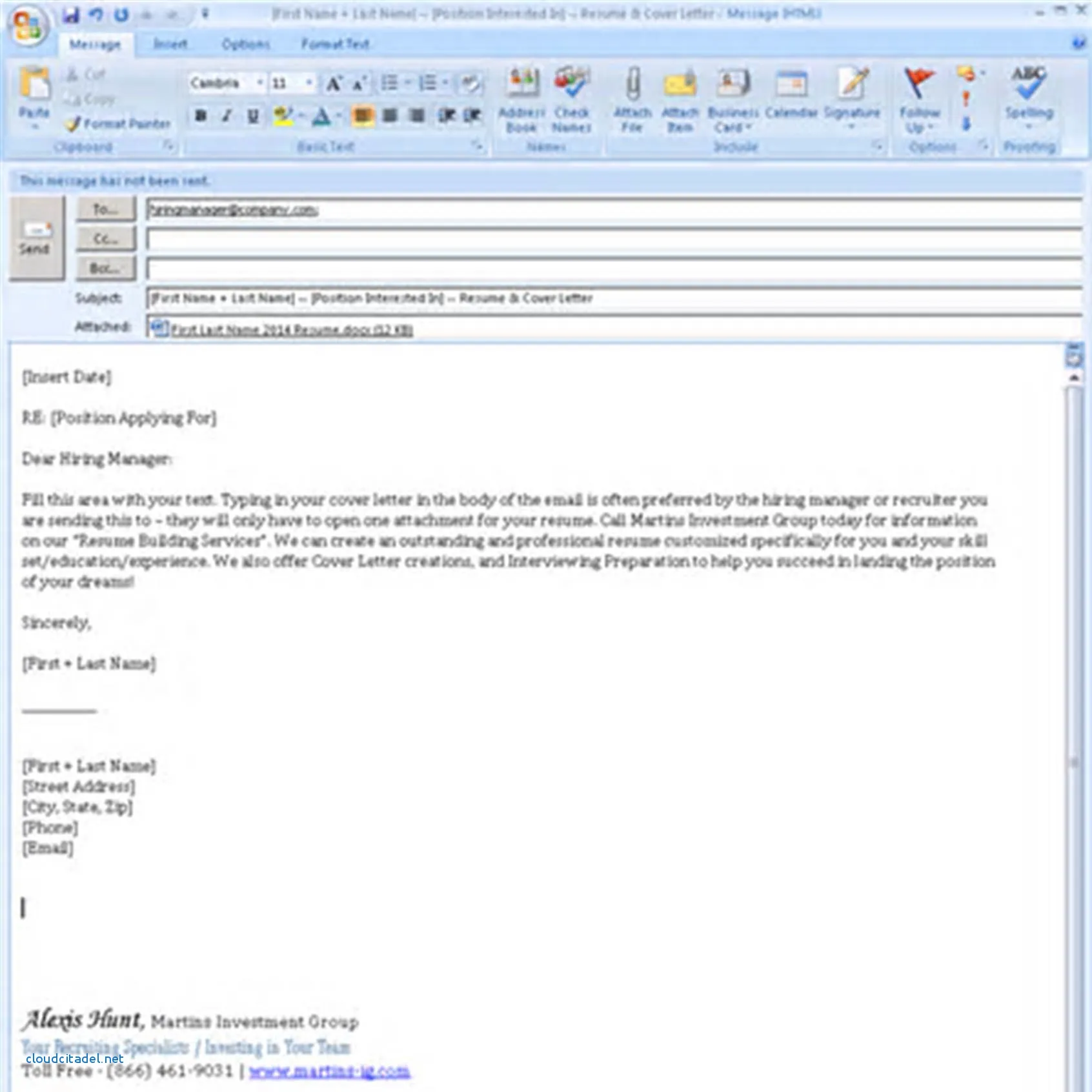
Crafting the Perfect Cover Letter Email
In the digital age, the cover letter email has become a critical component of your job application. It’s often the first interaction you have with a potential employer. A well-crafted email can significantly increase your chances of getting your resume reviewed and landing an interview. This article provides a comprehensive guide on how to write cover letter emails that effectively showcase your skills, experience, and personality, helping you stand out from the competition and make a lasting impression. Let’s explore the essential elements of a compelling cover letter email and learn how to avoid common pitfalls.
Understanding the Importance of a Cover Letter Email
The cover letter email serves multiple crucial purposes. It introduces you to the hiring manager, highlights your key qualifications, and expresses your enthusiasm for the position. It’s more than just a formality; it’s a chance to make a strong first impression and convince the employer to delve deeper into your resume. This initial contact sets the tone for the entire application process and can influence their perception of you. In many cases, the email is the first real interaction and a preview of your communication skills.
Why Cover Letter Emails Matter

A well-written cover letter email quickly grabs the hiring manager’s attention. It shows you understand the job requirements and the company’s values. By tailoring your email to the specific role and company, you demonstrate genuine interest and initiative. Furthermore, it provides a platform to demonstrate your writing skills and professionalism, making a positive and lasting impression. This level of personalized communication is often what sets a candidate apart.
Common Mistakes to Avoid
Many applicants undermine their chances by making common errors. Generic emails that lack personalization are a major turnoff. Typos, grammatical errors, and poor formatting reflect negatively on your attention to detail. Sending an email without a subject line, or with a vague one, makes it difficult for the hiring manager to quickly understand the email’s purpose. Finally, failing to tailor your email to the job description and the company’s needs signals a lack of interest and initiative. Avoid these mistakes to stand out.
Structuring Your Cover Letter Email
A well-structured cover letter email is easy to read and conveys your message effectively. The layout includes the subject line, opening, body, and closing. Each section has a specific role in presenting your qualifications and showing your interest in the position. A clear structure helps the hiring manager quickly grasp your key strengths and the reasons you are a good fit for the job. Proper structure ensures your message is clear, concise, and professional.
The Subject Line Mastering the First Impression

The subject line is the first thing a recruiter sees, and it determines whether your email gets opened. It should be concise, clear, and relevant to the job application. A well-crafted subject line immediately tells the recipient the email’s purpose and helps them prioritize it. A great subject line increases the likelihood of your email being opened and read. It’s the most crucial element to master when it comes to getting noticed.
Effective Subject Line Examples
Examples include “Application for [Job Title] – [Your Name],” “[Your Name] – Marketing Specialist Application,” or “Enthusiastic [Your Profession] Applying for [Job Title].” Avoid generic subject lines like “Job Application.” Including the job title and your name ensures the email is easily identifiable and relevant to the recipient. Tailor it to the specific job and company. Make sure it is concise and to the point, and accurately represents the content of your email.
The Body of Your Email Content and Tone
The body of your email should be professional, enthusiastic, and tailored to the specific job. It should include an opening paragraph that grabs the reader’s attention, a section highlighting your skills and experience, and a call to action. Maintain a positive, confident tone and demonstrate your genuine interest in the position. Ensure that the language reflects the company culture and the job requirements. The email’s content and tone set the stage for the rest of the application process.
Opening Paragraph Hook and Purpose

Start with a strong opening sentence that immediately captures the hiring manager’s attention. Mention where you saw the job posting and express your interest in the role. Briefly state why you are a good fit for the position. Be direct, enthusiastic, and show that you understand the company’s needs. This introduction sets the tone for the entire email and encourages the reader to continue. It should clearly state the purpose of your email and highlight your qualifications.
Highlighting Your Skills and Experience
In the body of the email, highlight the skills and experiences that align with the job requirements. Select the most relevant qualifications and provide brief, impactful examples. Use action verbs to describe your accomplishments, and quantify your achievements whenever possible. Focus on how your skills can benefit the company. This section should be concise and highlight your key qualifications, demonstrating how you are the perfect candidate for the role.
Tailoring Your Email to the Job Description
Customize your email to match the specific requirements outlined in the job description. Review the job posting carefully and identify the key skills and qualifications sought by the employer. Then, demonstrate how your skills and experiences align with these requirements. Show that you understand the company’s needs and what they are looking for in a candidate. This level of personalization shows that you’ve done your research and are genuinely interested in the position. Tailoring your email shows you’ve invested the effort.
The Closing Paragraph Call to Action

Conclude your email with a call to action, such as expressing your availability for an interview and thanking the hiring manager for their time and consideration. Reiterate your interest in the position and provide any additional information they may need. Be professional, polite, and enthusiastic. The call to action should encourage the recipient to move forward in the hiring process. This ensures the hiring manager knows you are available and ready to move to the next step.
Proofreading and Formatting
Proofread your cover letter email carefully to eliminate any typos, grammatical errors, or formatting issues. Use professional formatting, such as a clear font, consistent spacing, and bullet points to enhance readability. Ensure that the email is easy to read and visually appealing. This shows attention to detail and commitment to professionalism. A well-formatted, error-free email reflects positively on you and your abilities, making a great first impression.
Email Signature Essentials
An effective email signature provides essential contact information and adds a professional touch to your email. It should include your name, job title, phone number, email address, and links to your LinkedIn profile or professional website. A well-designed signature is a professional way to provide contact information to potential employers. Ensure it is consistent with your overall professional brand and looks visually appealing.
Essential Contact Information

Your email signature must include your full name, phone number, and professional email address. Make sure the contact information is up-to-date and accurate. This is a straightforward way for the hiring manager to reach you if they want to learn more. Proper contact details facilitate easy communication. Ensure your phone number and email address are accurate and professional, as they’re critical to the interview process.
Adding a Professional Touch
Enhance your signature with a professional-looking headshot or a link to your LinkedIn profile. Use a clean and professional font, and keep the design consistent with your brand. Avoid cluttered or distracting elements. A polished signature reflects a proactive approach and adds a level of professionalism, making a lasting impression. A clean signature is a subtle but effective way to make you stand out from the competition.
Cover Letter Email Examples
Reviewing actual cover letter email examples provides insight into effective communication. These examples demonstrate how to structure the email, highlight relevant skills, and create a positive impression. Using templates and examples can improve your writing and help you create compelling emails that increase your chances of success. Consider these different examples based on varying career stages and situations, tailored to your needs.
Example 1 Entry-Level Position

This example is for entry-level positions. The main focus is to show enthusiasm and willingness to learn. The email is tailored to the specific role and company, highlighting any relevant education, internships, and skills. It should be enthusiastic, concise, and provide a brief overview of your qualifications and eagerness to learn. It should also express genuine interest in the position. Tailor it to a recent graduate or someone with minimal work experience, emphasizing relevant academic achievements and transferable skills.
Example 2 Experienced Professional
This focuses on experienced professionals. It highlights achievements and relevant experience. The email clearly demonstrates the value you bring to the role. It includes specific examples and quantifiable achievements. It is a great way to highlight experience, demonstrating the ability to handle complex responsibilities. Emphasize your experience, focusing on measurable achievements that demonstrate your value and the ability to meet the job’s expectations.
Example 3 Networking Email
Use this example for networking, as you are not directly applying for a job. Mention your connections, the company, and how you would fit in. Expressing interest and a desire to network, asking for an informational interview. This type of email focuses on building relationships, seeking information, and making a positive connection. Tailor the email to the person you’re contacting, building a relationship and expressing a desire to learn.
Tracking and Follow-Up
Tracking your cover letter emails and following up appropriately is important. This shows your interest and allows you to manage your job search more effectively. Tracking helps you keep track of all your applications and stay organized. A good follow-up strategy enhances your chances of getting noticed. This increases your chances of landing an interview.
Importance of Tracking Your Email
Keep records of when you send your cover letter emails, and the responses you receive. Note the names of the recipients and any specific details about the job or company. This tracking system can prevent you from sending multiple applications for the same job or from following up too soon. Proper tracking allows you to monitor your progress and manage your application activities. Accurate tracking is an important tool in the job search process.
Following Up Appropriately
Send a follow-up email to the hiring manager after a week or two, if you haven’t heard back. Keep the follow-up email brief and professional, and restate your interest in the position. Avoid sending multiple follow-up emails as this could be viewed as intrusive. The follow-up strategy demonstrates your continued interest and initiative. A concise and professional follow-up can keep you on the hiring manager’s radar.
Conclusion Cover Letter Email Success
Writing effective cover letter emails requires attention to detail, customization, and a professional approach. By following these tips, you can significantly improve your chances of getting your resume reviewed and landing an interview. Remember that your cover letter email is an extension of your professional brand. By mastering the art of writing cover letter emails, you can stand out from the competition. Take the time to tailor each email to the specific job and company, and be confident in your skills and experiences. This is essential for a successful job search and career advancement.