The Importance of an Automotive Cover Letter
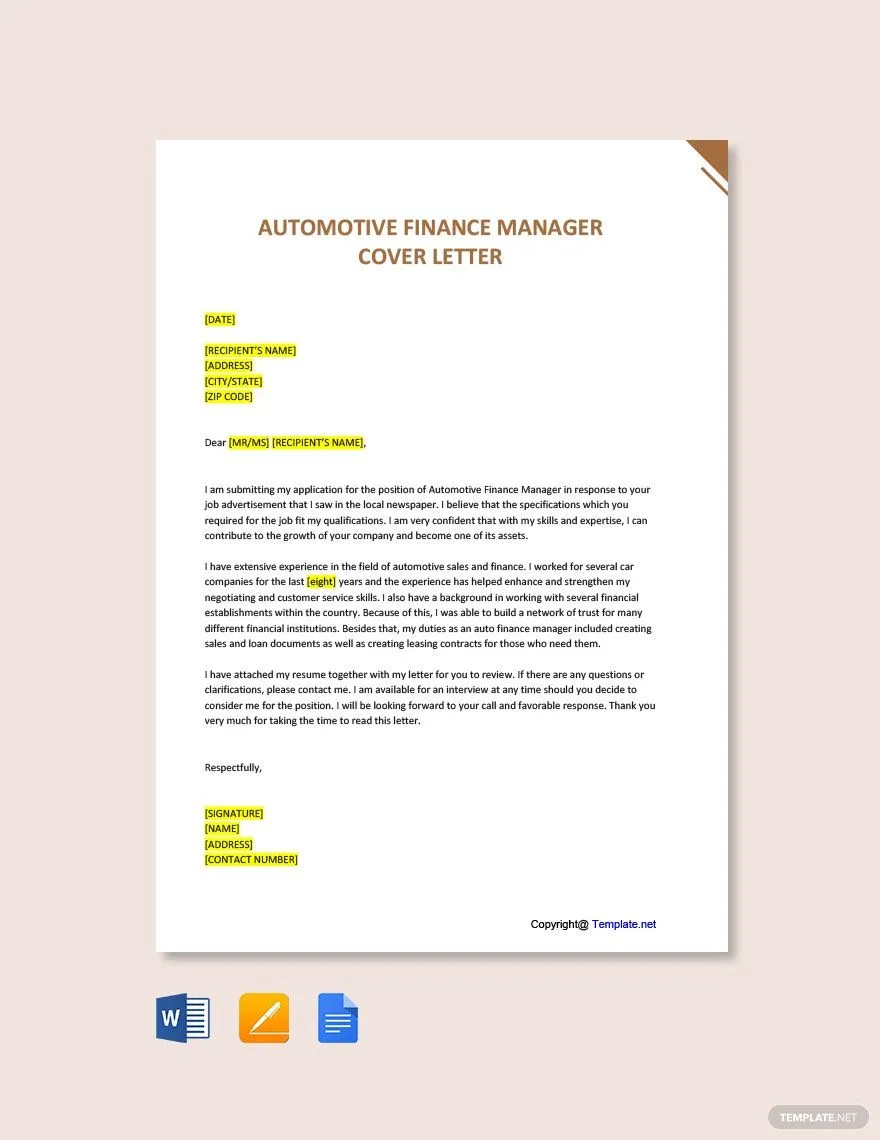
In the competitive automotive industry, a well-crafted cover letter is your first opportunity to make a strong impression. It serves as more than just an introduction; it’s your chance to showcase your passion, skills, and suitability for the specific role. A compelling cover letter can significantly increase your chances of getting noticed by hiring managers. In a field where technical expertise and a strong work ethic are paramount, your cover letter allows you to go beyond your resume, providing context and personality. It’s the place to tell your story, demonstrating why you’re the ideal candidate and what unique value you bring to the table. Without a great cover letter, your resume might get lost in the shuffle of numerous applications, so take the time to make yours shine.
Highlighting Your Automotive Skills
Your cover letter should prominently feature your skills that align with the job requirements. Automotive roles demand a blend of technical, interpersonal, and problem-solving abilities. The key is to highlight the most relevant skills, using specific examples to support your claims. Avoid generic statements; instead, focus on demonstrating how you’ve successfully applied these skills in past experiences. For instance, rather than saying ‘I am good at problem-solving,’ describe a specific situation where you identified and resolved an issue, detailing the steps you took and the positive outcome. This approach makes your skills more believable and shows your potential employer the value you can bring to their team. Make sure your keywords are relevant to the job description
Technical Skills

Technical proficiency is a cornerstone of the automotive industry. When detailing your technical skills, be specific. Mention any certifications you have, such as ASE certifications or specialized training in areas like engine repair, electrical systems, or diagnostic equipment. If you have experience with specific software or tools, such as diagnostic scanners or CAD software for design, be sure to include those details. Include any experience with hybrid or electric vehicles. Don’t just list the skills, however, but also mention how you’ve used them in practical situations. For example, if you’re proficient in diagnosing and repairing engine problems, briefly describe a challenging case you handled and the results you achieved. Quantifiable details always strengthen your claims
Communication and Interpersonal Skills
In the automotive industry, effective communication is crucial for teamwork, customer service, and collaboration. Highlight your ability to clearly explain technical information to both technical and non-technical audiences. Showcase your experience in customer interactions, detailing how you’ve resolved customer issues, provided excellent service, or built positive relationships. Mention any leadership roles you’ve held, where you coordinated a team or managed projects. Even if you’re not in a customer-facing role, being able to effectively communicate and work with colleagues is essential. Include specific examples of how you’ve used your communication skills to improve efficiency, solve problems, or contribute to a positive work environment. Strong communication is often underestimated but it’s a key skill for a successful automotive career
Problem-Solving Abilities
Problem-solving is at the heart of automotive work. Highlight your analytical skills and ability to diagnose complex issues. Provide examples of how you’ve used logical thinking to identify and resolve problems. Describe situations where you used your troubleshooting skills to find creative solutions. Mention any methodologies you use, like root cause analysis, and the outcomes you achieved. Detail any instances where you have improved processes or created more efficient solutions. Even if you’re new to the industry, you can emphasize your ability to learn quickly and approach problems with a methodical mindset. This demonstrates your potential to handle challenges that may arise in the role
Showcasing Automotive Experience

Your cover letter is the ideal place to provide context to your resume’s list of experiences. Use it to tell the story of your career journey, highlighting key experiences and how they have shaped your skills and expertise. Even if your experience is not directly related to the role you’re applying for, find ways to link your past experiences to the requirements of the job. Show how you have developed transferable skills that are relevant to the new position. This shows that you understand the role and are capable of performing the duties. Your resume is a list, your cover letter tells a story.
Specific Projects and Accomplishments
Instead of simply listing job responsibilities, focus on specific projects and accomplishments. Mention any significant projects you worked on, the scope of your involvement, and the outcomes you achieved. Provide details about the challenges you faced and how you overcame them. If you contributed to a successful project, include the results of your work. If you were part of a team, describe your role and how it contributed to the team’s success. Quantifiable achievements demonstrate a clear impact and allow the hiring manager to understand the value you brought to previous roles. Include awards or recognition you’ve received for your work
Quantifiable Results
Whenever possible, quantify your achievements. Instead of saying ‘Improved efficiency,’ state ‘Increased efficiency by 15%.’ Use numbers to illustrate your accomplishments and demonstrate the impact of your work. For example, mention how you reduced repair times, increased customer satisfaction, or saved costs. By providing tangible evidence of your performance, you make a stronger case for why you’re the right fit for the job. Numbers help to differentiate you from other applicants who only provide generic descriptions. Provide metrics for your work, this helps the hiring manager understand your value.
Tailoring Your Cover Letter to the Job
A generic cover letter will not impress a hiring manager. Tailor each cover letter to the specific job and company you’re applying to. Your cover letter should address the specific requirements and highlight how your skills and experience align with the job description. This demonstrates that you’ve taken the time to understand the role and the company’s needs. By customizing your cover letter, you show the hiring manager that you’re genuinely interested in the position and have the relevant skills and experience they are looking for. Always read the job description carefully and incorporate the language used.
Researching the Company
Before writing your cover letter, research the company. Visit their website, read their ‘About Us’ section, and review their social media profiles. Understanding the company’s mission, values, and recent initiatives will allow you to tailor your cover letter to align with their goals. Mention any company values that resonate with you and explain how your skills and experience align with their culture. Show the hiring manager that you’ve done your homework and that you are interested in more than just a job; you are interested in being a part of their team. This will show them you’re a good fit.
Using Keywords from the Job Description
Carefully review the job description and identify the key skills, qualifications, and requirements listed. Use these keywords throughout your cover letter to demonstrate that you meet the employer’s needs. Ensure that you’re using the same language as the job posting to illustrate you understand the role. This will also help your cover letter pass through Applicant Tracking Systems (ATS), which often scan for specific keywords. However, be sure not to overstuff your letter with keywords; it’s important to maintain a natural tone and demonstrate genuine enthusiasm for the role.
Formatting and Presentation

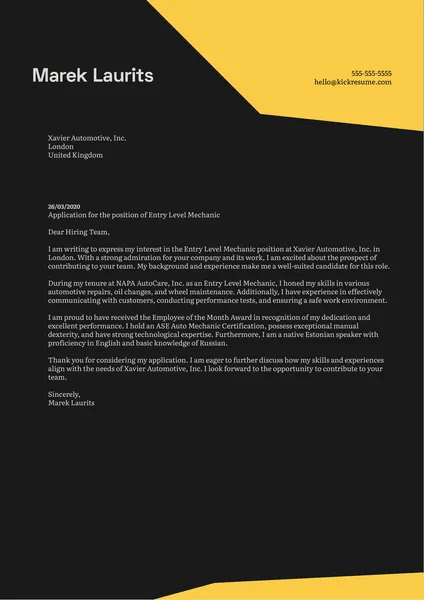
The format of your cover letter should be clear, professional, and easy to read. Use a standard business letter format, with your contact information at the top, the date, and the hiring manager’s information. Choose a simple, easy-to-read font such as Arial or Times New Roman. Use clear headings, bullet points, and ample white space to break up the text and make it visually appealing. Ensure your cover letter is well-organized and logically structured. A well-formatted cover letter demonstrates attention to detail and professionalism.
Professional Tone and Language
Maintain a professional tone throughout your cover letter. Use formal language and avoid slang or colloquialisms. Be enthusiastic but avoid sounding overly casual or desperate. Proofread your letter carefully to ensure there are no grammatical errors or typos. Your language should reflect your professional approach to your career. It is important that your cover letter makes a great first impression.
Proofreading and Editing
Before submitting your cover letter, proofread it carefully for any errors in grammar, spelling, and punctuation. A cover letter with errors can make you look unprofessional and careless. Read the letter aloud, and ask someone else to review it as well. Consider using grammar-checking software to catch any mistakes you might have missed. A polished, error-free cover letter demonstrates attention to detail and helps you make a positive first impression. Ensuring that your cover letter is perfect is a key step to securing an interview.
In conclusion, a well-crafted cover letter is essential for anyone seeking a job in the automotive industry. By focusing on your skills, experience, tailoring your letter, and ensuring a professional presentation, you can significantly increase your chances of getting noticed and landing your dream job. Follow these tips and you will be well on your way to a successful job search.